


Securing budget approval lays the groundwork for what’s possible, acting as the indispensable first step in product innovation, market expansion, internal system development, and global brand narrative projection. This cascade of potential outcomes originates from the fundamental act of articulating a compelling case for why decision-makers should invest in a particular idea. When a project receives the green light, it signifies readiness to transform conceptual plans into tangible realities. However, not every proposal can effectively convey the full potential of an idea, often appearing as a mere patch of dirt rather than a burgeoning garden to those holding the purse strings.
The Evolving Landscape of Corporate Finance and Project Funding
Traditionally, budget approvers operate within a framework heavily skewed towards quantitative analysis. Their world is often defined by spreadsheets, dashboards, and the stark reality of the bottom line. As ultimate custodians of project success or failure, the pressure to make fiscally responsible choices is immense, anchored by company health and fiduciary duties. This often leads to budget conversations that disproportionately fixate on dollar amounts, potentially obscuring the broader strategic value or transformative potential of an initiative.
However, the modern corporate landscape demands a more nuanced approach. In an era of rapid technological advancement, complex market dynamics, and increasing competition for resources, the ability to communicate an idea’s holistic value is becoming paramount. Industry analyses consistently highlight that projects failing to secure robust stakeholder buy-in – a factor often influenced by the clarity and persuasiveness of the initial pitch – face significantly higher risks of delays, scope creep, or outright cancellation. Some reports suggest that initiatives with strong executive sponsorship, cultivated through effective communication, can boast success rates as much as 30% higher than their poorly articulated counterparts. The sheer volume of data available today, while powerful, can also overwhelm decision-makers, making the synthesis of information into a coherent and inspiring narrative more crucial than ever. The annual budget cycle, typically spanning several months from departmental requests to final board approval, presents multiple opportunities for project proponents to refine their narratives and engage with various levels of leadership, each requiring a tailored approach to communication.
Beyond the Balance Sheet: Making Approvers the Heroes of ROI

For project proponents, the task extends beyond merely presenting figures; it involves painting a comprehensive picture that transcends numerical data. While financial prudence is non-negotiable – expenses must be meticulously balanced and accounted for – the true challenge lies in weaving a narrative that elevates leaders beyond project allocations and fiscal calendars, allowing them to grasp the full, vibrant potential of their approval, akin to Dorothy stepping into the technicolor world of Oz.
One highly effective narrative technique involves positioning budget-approvers as the heroes of return on investment (ROI). It is insufficient for funds simply to "disappear" into a project; leaders need to envision them "reappearing" in the form of tangible, measurable value. While precise future prediction remains elusive, a well-crafted story about a project’s vision helps align expectations and provides a mental blueprint for the final outcome. Much like film producers review scripts and storyboards before committing significant capital, financial decision-makers require a clear, compelling narrative to envision the "final cut" of a proposed venture.
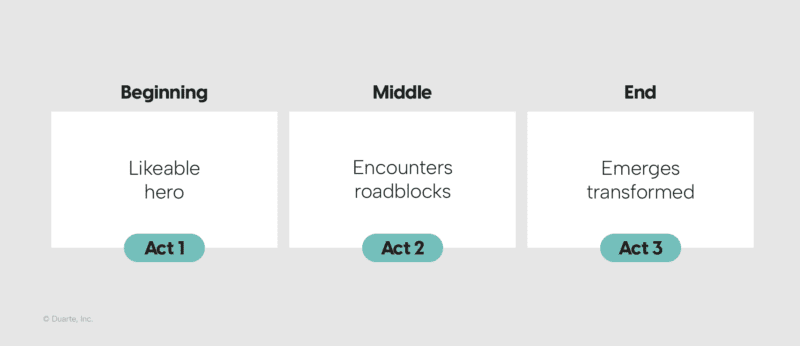
This approach leverages a three-act story structure, often likened to a magic trick: the "pledge," the "turn," and the "prestige." In a budget proposal, the "pledge" represents the initial state or the problem being addressed, alongside the promise of the proposed solution. The "turn" encompasses the investment, the challenges, and the work required to execute the project. Finally, the "prestige" is the grand reveal – the envisioned future state, the impactful ROI, and the transformative benefits that accrue to the organization and its stakeholders. Neuroscientific research supports this narrative-driven approach, indicating that stories activate multiple brain regions, including those associated with emotion and memory. This holistic engagement leads to greater comprehension, retention, and ultimately, a stronger inclination to support than purely data-driven presentations. According to remarks by a Chief Financial Officer at a multinational technology firm during a recent industry summit, "While our core responsibility is fiscal oversight, what truly differentiates a proposal is its ability to articulate a clear, inspiring vision of transformation. We’re not just funding projects; we’re investing in the future of the company, and we need to see ourselves as integral to that success."
Consider a comparative example:
A purely data-centric proposal might state: "With a $40 million budget, the film is projected to gross over $100 million at the box office, achieve a 130-minute runtime, and secure a 76% Rotten Tomatoes score from 208 reviews." While precise and data-backed, this statement lacks vitality.
In contrast, a narrative-rich pitch using the three-act structure might articulate: "With your approval of our $40 million budget, this film will become a stunning reimagining of Christopher Priest’s award-winning novel, featuring stellar performances from Hugh Jackman, Christian Bale, Scarlett Johansson, Michael Caine, and David Bowie in a role reminiscent of his iconic performance in Labyrinth. The meticulous adaptation will bridge fantasy and science fiction genres, captivating diverse audiences through its compelling narrative and the combined star-power of its cast. We are confident that the caliber of talent and craftsmanship invested will delight and challenge generations of viewers, garner critical acclaim, and yield over 200% ROI at the box office and through subsequent distribution channels, establishing a new cultural touchstone for the studio."
The latter example empowers the budget-approver, positioning them as the catalyst for a visionary project. It acknowledges the investment while transforming the monetary figure into a fully realized vision that extends beyond mere metrics to encompass legacy and cultural capital. It shifts the perception from a transactional request to a collaborative endeavor, making the approver an active participant in achieving a spectacular outcome.
The Power of the ‘Called Shot’: Cultivating Confidence and Credibility
Beyond crafting a compelling narrative, securing funding necessitates projecting unwavering confidence and credibility. This does not equate to making unsubstantiated claims, as history is replete with cautionary tales like the Fyre Festival debacle. Rather, it demands the self-assuredness of a seasoned professional, grounded in deep competence and meticulous preparation. Budget seekers must demonstrate not just what they can achieve, but how they will surmount challenges and deliver on their promises, inspiring decision-makers to believe in their capacity for execution.
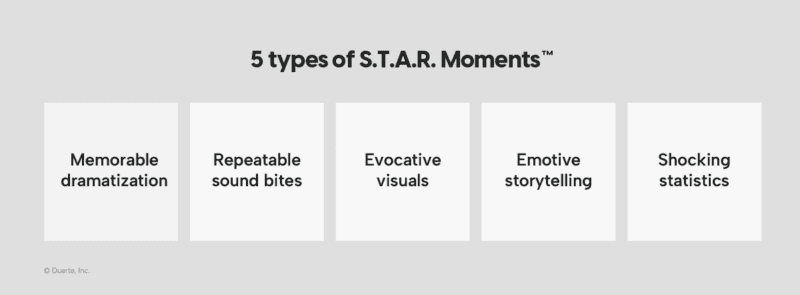
This concept is vividly illustrated by Babe Ruth’s legendary "called shot" during the 1932 World Series. In a hostile environment at Wrigley Field, facing two strikes, Ruth famously pointed towards the outfield stands before hitting a home run on the very next pitch. While the exact details remain debated, the narrative of a confident, self-assured prediction followed by triumphant execution captured the public imagination. In the corporate context, such "called shots" manifest as S.T.A.R. (Something They’ll Always Remember) moments – strategic opportunities to stand out and leave an indelible impression. These can range from memorable dramatizations and repeatable sound bites to evocative visuals, emotive storytelling, or shocking statistics.
For budget conversations, a S.T.A.R. moment might involve a live demonstration of a product prototype, a concise and impactful executive summary that encapsulates the project’s essence, or a powerful testimonial from a pilot program participant. These moments serve to galvanize support and instill confidence. Research into executive communication consistently demonstrates that perceived conviction and competence are critical drivers of influence, particularly in high-stakes scenarios where financial commitments are at stake. A project manager might create a S.T.A.R. moment by not just presenting projected cost savings for an AI integration but by demonstrating a live, functional prototype and outlining a phased rollout with clear, measurable milestones. This shifts the conversation from theoretical possibility to imminent reality.
While a degree of bravado can be effective, true influence stems from confidence built on rigorous analysis, extensive practice, and thorough preparation. Just as Ruth’s called shot was backed by a stellar season performance, a budget-seeker’s credibility is earned through a track record of competence and a clear, well-articulated plan. The crucial distinction lies in the framing: instead of stating, "Here’s what I can do," the more impactful approach is, "With your help, here’s what we can achieve." By centering the approver in this S.T.A.R. moment, they become more than just a signatory; they become a pivotal participant in the project’s success, fostering a personal commitment that extends beyond a simple line item.
The Human Element: Inspiring Belief Beyond Financial Returns
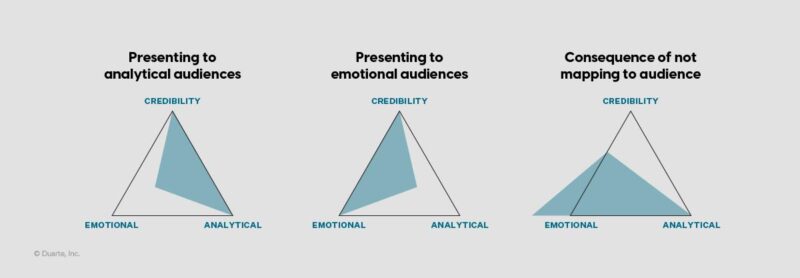
Ultimately, securing deep organizational backing requires connecting with budget-approvers on an emotional level, inspiring belief in something beyond purely monetary gains. Crafting a message with empathy and emotional weight allows for a deeper connection, transcending mere data points and plot details. It helps stakeholders see the larger purpose, the cultural impact, or the profound transformation embedded within a project – much like why audiences are moved by films or even commercials.
This involves balancing the financial aspects of a budget request with the "new bliss" it promises. This "new bliss" refers to the aspirational future state, the profound benefits that audiences stand to gain after navigating the "messy middle" of working towards a goal or implementing significant change. For budget-seekers, illustrating the tension between "what is" and "what could be" can guide approvers to genuinely desire the "new bliss" outlined in the proposal. This approach acknowledges that decision-makers are not purely rational economic actors; they are individuals with personal aspirations, concerns, and values that influence their professional choices.
For instance, while a Chief Financial Officer will naturally seek reassurances on spending, they might also be deeply motivated by initiatives that promise increased efficiency, potentially allowing for more personal time or contributing to a better work-life balance for their teams. Similarly, leadership might be anxious about the company’s competitive standing or its ability to attract top talent. A proposal that not only promises profitability but also positions the company as an innovator, a problem-solver, or a socially responsible entity can resonate profoundly. Projects that alleviate significant customer pain points, enhance brand reputation, or foster a more engaging internal culture often gain traction because they tap into these deeper organizational and personal aspirations.
A recent survey of corporate executives underscored this trend, revealing that projects aligning with core organizational values and demonstrating a positive societal or employee impact are increasingly prioritized, often even when immediate financial returns are comparable to less impactful alternatives. The CEO of a prominent e-commerce platform recently remarked, "Our investors aren’t just seeking financial returns; they’re looking for purpose and impact. Our most successful budget proposals articulate not just the projected profit, but the positive ripple effect our innovation will have on our customers’ lives and the broader industry."
Calibrating this delicate balance means rooting the budget story in audience-first empathy. By understanding the underlying motivations, hopes, and fears of budget approvers, proponents can structure their narrative to seamlessly integrate sound financial reasoning with compelling details that resonate on an emotional level. This strategic blend fosters a personal commitment to the project, transforming mere buy-in into genuine belief.
A Holistic Approach to Budget Approval
In conclusion, the journey from idea to funded reality is paved not just with numbers, but with compelling narratives. The strategic integration of these storytelling techniques – positioning approvers as ROI heroes, executing "called shot" S.T.A.R. moments, and appealing to deeper emotional and aspirational values – empowers project proponents to transcend the transactional nature of budget conversations. It’s a holistic approach that acknowledges the complexities of human decision-making within corporate structures.
This comprehensive strategy integrates seamlessly into various stages of the budget approval lifecycle, from initial concept pitches in quarterly reviews to detailed annual financial planning sessions. By proactively employing these methods, organizations can cultivate a culture where innovative ideas are not just evaluated on their financial merits but are championed for their transformative potential. The broader implications are significant: it fosters an environment conducive to innovation, enhances employee engagement by linking individual contributions to a larger vision, strengthens external stakeholder trust, and ultimately, drives strategic initiatives more effectively. For any individual or team seeking to transform a visionary idea into a tangible success, mastering the art of strategic storytelling is no longer a soft skill; it is a critical business imperative, rubberstamp-ready to pave the road ahead for impactful organizational growth.
