

The art of voiceover performance hinges on creating an authentic and engaging auditory experience for the listener. A fundamental aspect of this engagement is achieving a natural "flow" in spoken delivery. However, a prevalent, yet often unrecognized, impediment to this natural cadence is a phenomenon known as "voiceover blocking." While frequently encountered by newcomers to the industry, blocking is a fixable issue that, once understood, can significantly elevate the quality of voiceover work across various genres. This article delves into the core concepts of voiceover flow and blocking, examining their characteristics, the underlying causes of blocking, and actionable strategies for its remediation.
Understanding Voiceover Flow: The Rhythms of Human Conversation
At its heart, voiceover flow aims to replicate the organic rhythms and pacing of natural human conversation. To appreciate this, consider observing or even recording everyday conversations between friends. Key characteristics of natural human speech emerge:
- Varied Pacing: Sentences are not delivered at a uniform speed. There are moments of quicker articulation, followed by deliberate pauses for emphasis or to allow for comprehension.
- Strategic Pauses and Breathing: Humans naturally incorporate brief silences and breaths within and between sentences. These are not mere gaps but integral components that facilitate understanding and prevent the listener from feeling overwhelmed.
- Intonation and Cadence: The rise and fall of the voice, the emphasis placed on certain words, and the overall musicality of speech contribute to meaning and emotional resonance.
- Interconnectedness of Ideas: Thoughts and sentences tend to link together smoothly, creating a continuous stream of information rather than a series of isolated statements.
When these elements are present, a conversation feels effortless and engaging. The listener can readily absorb the information without undue cognitive load.
The Crucial Role of Natural Flow in Voiceover
In the realm of voiceover, achieving this natural flow is paramount, though its specific manifestation can vary significantly depending on the project’s demands. A character voice for an animated series might require a more exaggerated and dynamic flow, characterized by distinct pacing and vocalizations, while an e-learning module demands clarity, a steady pace, and sufficient pauses for information assimilation. Corporate narration typically calls for a professional, yet approachable, flow, balancing authority with accessibility.

Regardless of the genre, appropriate flow ensures that the delivery sounds authentic, providing the listener with adequate pace and space to process the information. This, in turn, maintains engagement and prevents listener fatigue. In many instances, this involves introducing subtle "humanizing" elements, such as slight hesitations or natural vocal inflections, that mimic real speech. As stated by industry experts, "It’s crucial that we deliver dialogue with a good, human flow to it, so that the listener doesn’t have to work to understand or accept it." This frictionless consumption of audio content is the hallmark of effective voiceover.
Defining Voiceover Blocking: The Disruption of Natural Cadence
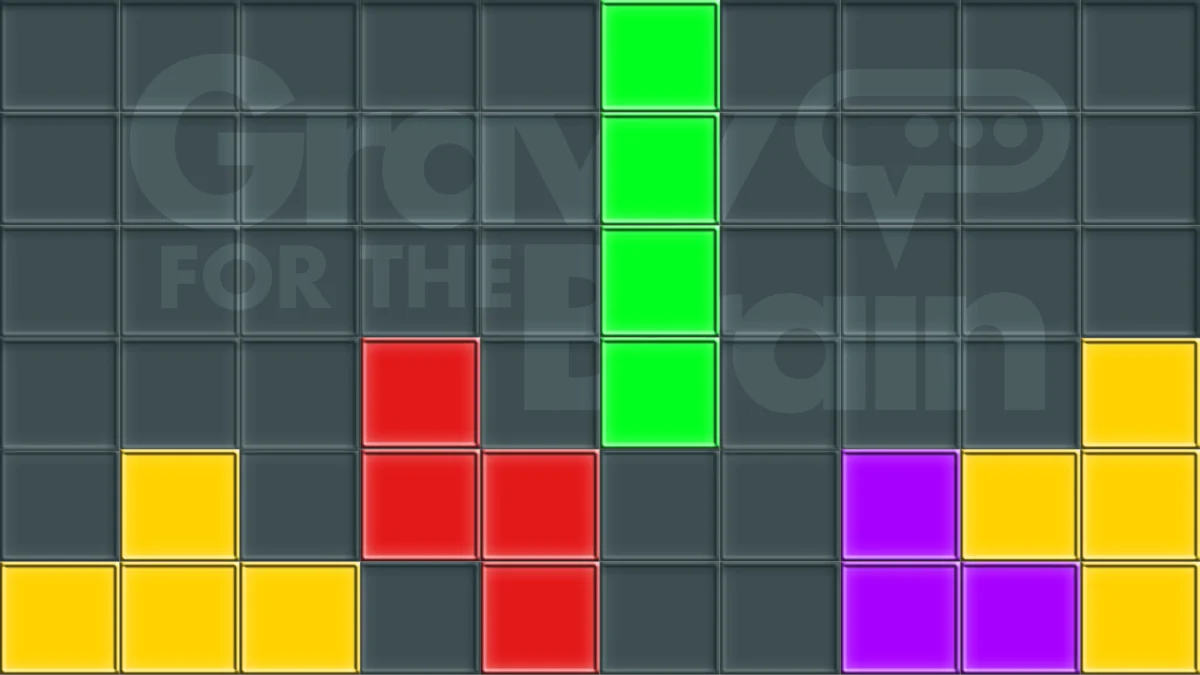
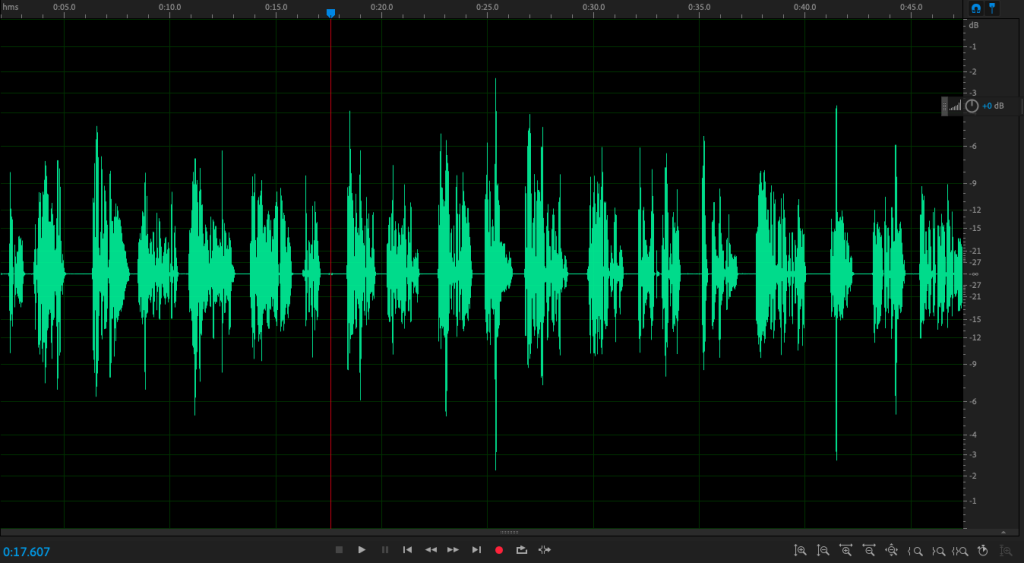
Voiceover blocking is the antithesis of natural flow. It refers to an unnatural and disjointed delivery style that disrupts the expected rhythm of spoken language. The term "blocking" originates from the visual representation of audio in digital editing software, where blocked deliveries manifest as distinct, isolated segments of waveform separated by unusually large gaps of silence.
Observing an audio waveform exhibiting blocking, as depicted in accompanying visuals, reveals clear "blocks" of sound. In a narrative delivery, for example, these segments appear as starkly defined chunks, with significant, unnatural silences between them. When such audio is played back, it creates a "staccato" or disjointed listening experience. The listener is forced to wait for each isolated segment, making the overall delivery feel unnatural, jarring, and far from the pleasurable auditory experience desired. This "hard work" for the listener detracts from the message and can lead to disengagement.
Visualizing the Difference: Blocking vs. Natural Waveforms
The visual distinction between blocked and natural voiceover is stark. A blocked waveform displays pronounced, abrupt silences between spoken phrases, resembling a series of disconnected sound "blocks." This visual representation directly correlates with the auditory experience of disjointed speech.
Conversely, dialogue without blocking exhibits a much more fluid and continuous waveform. Often described as "hairy caterpillars" by seasoned professionals, these waveforms show a dense, interwoven texture with subtle, organic variations in amplitude and duration. This visual characteristic reflects the continuous, flowing nature of natural speech, where pauses are integrated seamlessly and the overall sound is cohesive. The presence of these "hairy caterpillar" waveforms indicates a delivery that possesses good, natural, and humanistic flow, making it pleasant and easy for the listener to follow.

The Genesis of Blocking: Underlying Causes
Blocking is a phenomenon more commonly observed in individuals new to the voiceover industry, but it is not exclusively limited to them. Several factors can contribute to its occurrence:
- Anxiety and Nervousness: New voice actors may experience performance anxiety, leading them to overthink their delivery. This can result in them pausing excessively between words or phrases, trying to meticulously craft each sound.
- Lack of Experience with Script Pacing: Without sufficient experience in interpreting scripts and understanding natural speech rhythms, performers might break down sentences in an artificial manner, creating unnecessary pauses.
- Over-reliance on Reading: Treating a script purely as text to be read aloud, rather than as a vehicle for natural communication, can lead to a mechanical delivery devoid of organic flow.
- Fear of Silence or Stumbling: Some performers may be excessively fearful of making a mistake or of having awkward silences. This can lead them to insert extra, unnatural pauses as a perceived safety net, ironically creating a more awkward listening experience.
- Inadequate Understanding of Punctuation: Misinterpreting the function of punctuation marks as rigid stops rather than fluid indicators of natural pauses can also contribute to blocking.
- Technical Inexperience: While less common, an incomplete understanding of audio editing and playback, or the influence of poorly edited audio, might inadvertently contribute to the perception or creation of blocking.
The Opposite Extreme: Over-Editing and Excessive Speed
While blocking represents an excess of unnatural silence, its opposite extreme is also detrimental to effective voiceover. This occurs when dialogue is over-edited, excessively "de-breathed" (removing all natural breaths), or delivered at an unnaturally fast pace. This can result in a complete lack of space for the listener to digest the information.
An analogy often used is the experience of listening to certain local radio advertisements, particularly in markets where copywriters may insist on cramming excessive dialogue into a limited time slot. By the end of such commercials, listeners often find themselves bewildered, exclaiming, "I have no idea what I just heard!" This happens because the performance provides no opportunity for comprehension. The sheer volume of information, delivered without adequate pacing or pauses, overwhelms the listener. This hyper-accelerated delivery is just as damaging to audience comprehension and engagement as blocking, albeit for diametrically opposed reasons.
When Blocking Serves a Purpose: Intentional Stylization
It is important to note that blocking, or a deliberately staccato delivery, is not always a deficiency. In certain artistic contexts, it can be a conscious and effective stylistic choice made by the voiceover artist. Examples include:
- Robotic or Artificial Characters: For characters designed to sound non-human, such as robots or alien beings with unnatural speech patterns, a blocked delivery can be essential to convey their artificiality.
- Specific Character Archetypes: Certain character portrayals, such as those depicting extreme nervousness, a broken mental state, or a deliberate attempt to convey unease, might benefit from a fragmented or staccato delivery.
- Stylized Narration: In avant-garde audio dramas, experimental film, or specific artistic presentations, a non-traditional, fragmented vocal delivery might be employed for artistic effect.
- Emphasis on Individual Words: In rare cases, a performer might intentionally pause between words to place extreme emphasis on each individual term, creating a dramatic or suspenseful effect.
In these instances, the voiceover artist is making a deliberate artistic decision. They understand the impact of their delivery and are intentionally deviating from natural flow to achieve a specific creative outcome. This is distinct from unconscious blocking, where the performer is unaware of the detrimental effect of their delivery. As highlighted by industry veterans, "When delivering professional voiceover dialogue, the artist makes conscious choices to deliver their dialogue in a certain way. If that choice includes a staccato delivery, that’s their choice and perfectly fine. However, most people who are guilty of blocking are not aware they are doing it."
Rectifying Blocking: Strategies for Natural Delivery
Fortunately, the process of identifying and rectifying voiceover blocking is relatively straightforward once the underlying issues are understood. Developing a natural, humanistic flow is an achievable skill for any voice actor. The following guidelines can help actors overcome this common hurdle:
- Active Listening and Mimicry: Pay close attention to how people speak in natural conversations. Record yourself and compare your deliveries to real human speech. Identify the subtle pauses, breaths, and variations in pace that you might be missing.
- Focus on the Message, Not Just the Words: Approach the script as a conversation, not just a list of words. Understand the intent behind each sentence and aim to convey that meaning naturally.
- Embrace Natural Pauses and Breaths: Do not shy away from breathing. Integrate natural breaths into your performance where they would occur in everyday speech. Similarly, allow for brief, natural pauses between phrases and sentences to let the listener catch up.
- Practice Reading Aloud with Emotion: Read scripts aloud, focusing on conveying the emotion and intent of the text. This will naturally encourage a more varied and less mechanical pace.
- Record and Review Regularly: Consistent self-monitoring is crucial. Record your practice sessions and critically listen back for any instances of unnatural stopping or excessive silence.
- Seek Feedback from Experienced Professionals: Working with a voiceover coach or experienced peers can provide invaluable insights and targeted feedback on your delivery. They can often spot blocking issues that you might not perceive yourself.
- Understand Script Markup: Learn to effectively mark up your scripts to indicate natural pauses, breaths, and shifts in pace. This visual guide can help you maintain a more organic rhythm during recording.
- Experiment with Pacing: Consciously experiment with different pacing strategies during practice. Try delivering lines slightly faster or slower than you initially intend, and then adjust to find a comfortable, natural rhythm.
Conclusion: The Artist’s Control Over Delivery
Ultimately, the responsibility for the delivery of voiceover dialogue rests with the professional voice actor. As the artist, they are best positioned to understand the nuances of the message, the expectations of the listener, and the most effective ways to achieve engagement. Whether the chosen delivery is fast-paced, staccato, or naturalistic, it is the artist’s prerogative. As long as these stylistic choices are conscious and controlled, the performance is sound. The challenges arise not from the choice of delivery itself, but from a lack of awareness or control over these fundamental elements of vocal performance. By understanding and addressing issues like voiceover blocking, performers can unlock a more authentic and impactful connection with their audience.
