


Mouth clicks, often dismissed as an unavoidable nuisance for voiceover artists, are a significant impediment to professional success, impacting audition outcomes and client re-engagement. While many believe these sonic imperfections stem from inherent physiological issues, the reality, as explored by industry experts, points to controllable factors. This comprehensive analysis delves into the science behind mouth clicks, their amplified presence in recordings, and actionable strategies for their eradication, aiming to equip voiceover professionals with the knowledge to achieve pristine audio quality.
The Ubiquitous Click: Understanding the Phenomenon
Mouth clicks, also known as "clicky mouth," "dry mouth," or simply "mouth noise" within the voiceover industry, are the distinct popping or clicking sounds that can manifest during or around spoken dialogue. These are not typically indicative of a medical condition; rather, they are the natural byproducts of the tongue, teeth, and saliva interacting during speech. In everyday conversation, these subtle sounds are often filtered out by the human ear as irrelevant background noise. However, the recording and post-production process dramatically alters their audibility.
The detrimental impact of persistent mouth clicks on a voiceover artist’s career cannot be overstated. A prominent anecdote from an industry insider illustrates this point vividly: "I myself have even re-recorded an entire 5-hour session with a new voiceover artist…because the original lady was too noisy. It would have cost us more to edit her than to pay another VO. That’s the detrimental effect mouth clicks can have." This highlights that the cost and time associated with editing out excessive mouth noise can, in some cases, outweigh the talent’s fee, leading to immediate disqualification from projects and a tarnished reputation.
The Science of the Click: Dehydration and Over-Hydration
The primary culprit behind an increase in mouth clicks is often dehydration. Substances like cigarettes and caffeine, both common in the daily routines of some professionals, act as diuretics, actively drawing water from the body. This leads to a reduction in the natural wetness of saliva. When saliva is less viscous and watery, it becomes stickier, increasing the likelihood of the tongue adhering to the roof of the mouth or teeth, thereby producing clicks.

However, the issue is not solely about a lack of hydration. Paradoxically, being over-hydrated can also contribute to mouth click generation. Voiceover artists who are dehydrated might attempt to compensate by rapidly consuming large quantities of water shortly before or during a session. This excess water in the mouth can create a similar environment to that of a dry mouth, where the movement of the tongue can still dislodge air pockets and produce clicking sounds. The key lies in achieving and maintaining a balanced level of oral moisture.
Amplification in the Digital Realm: The Role of Compression
The reason why seemingly minor mouth clicks become glaringly obvious in recorded audio lies in the post-production process, specifically the application of audio compression. When a voiceover recording is compressed, the dynamic range of the audio signal is reduced. This means the difference between the loudest and quietest parts of the waveform is lessened. Imagine a waveform being squeezed, bringing its peaks closer to its troughs.
While compression is an essential tool for ensuring consistent audio levels and allowing voiceovers to blend seamlessly with other audio elements (music, sound effects), it has an unintended consequence for mouth clicks. A mouth click, being a sharp, transient sound, often represents a peak within the audio waveform. When compression is applied, these peaks are reduced in their relative loudness compared to the rest of the speech. Subsequently, the overall audio level is often increased through normalization or a volume boost to restore audibility. This process effectively amplifies the previously reduced mouth clicks, making them significantly more prominent than they were in the original, uncompressed recording.
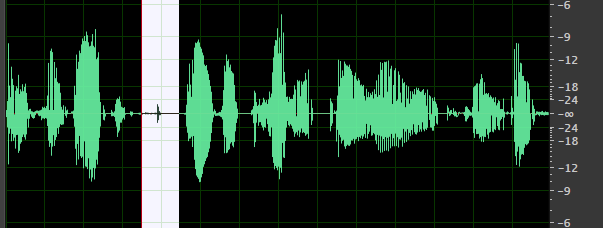
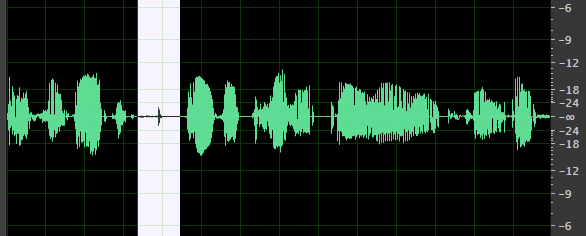
Visualizing this phenomenon through waveform analysis clearly demonstrates the impact. Before compression, a mouth click appears as a distinct spike within a broader speech waveform. After compression, the rest of the waveform is reduced in amplitude, while the click’s amplitude remains relatively consistent. When the entire waveform is then normalized to a standard listening level, the click, which was already relatively loud, becomes disproportionately louder, standing out as an intrusive imperfection.
Addressing the Source: Proactive Strategies for Click-Free Recordings
Given that the recording and post-production process inherently amplifies mouth clicks, the most effective approach is to minimize their occurrence at the source. This requires a multi-faceted strategy focusing on preparation and in-session techniques.

Step 1: Strategic Hydration – The Foundation of Clear Speech
Proper hydration is paramount. However, simply drinking a large volume of water moments before a session is ineffective. The body requires time to absorb and distribute water. Therefore, the recommended practice is to begin hydrating at least two hours prior to a recording session. This gradual intake ensures that the body is consistently supplied with adequate moisture, leading to optimal saliva production.
It is crucial to emphasize that "hydration" in this context refers exclusively to water. Beverages containing caffeine, alcohol, or excessive sugar, such as coffee, tea, sodas, and even dairy products, can act as diuretics or contribute to dehydration, negating the efforts to stay hydrated. Anecdotal evidence suggests instances where individuals mistakenly believe they are hydrating by consuming large quantities of non-water beverages, only to find themselves still experiencing dryness and clicks.
Furthermore, maintaining vocal health is intrinsically linked to hydration. The vocal cords are delicate mucous membranes that require lubrication to function optimally. Dehydration reduces this lubrication, leading to increased friction between the cords during vibration. This can result in vocal fatigue, a hoarse voice, and a diminished vocal range, all of which are detrimental to a voiceover artist’s performance and long-term career. For early morning sessions, proactive hydration should commence the night before, as water loss during sleep is significant.
Step 2: Mastering Microphone Technique – Placement and Projection
The distance from the microphone and the volume at which one projects their voice are critical in managing mouth noise. Consider the extreme analogy of shouting from a distance versus whispering directly into someone’s ear. The former minimizes the audibility of subtle mouth noises, while the latter amplifies them. This principle applies directly to microphone technique.
When an artist is positioned too close to the microphone (e.g., three inches) and speaks softly, the input gain on the recording equipment must be increased to achieve an adequate recording level. This amplification also boosts the "noise floor" of the recording, including any mouth clicks. Conversely, by increasing the distance from the microphone (e.g., seven to eight inches) and projecting the voice slightly louder than conversational volume, the input gain can be reduced. This results in a clearer signal where the dialogue is loud and prominent, while the background noise and mouth clicks are comparatively quieter.
For voiceover artists aiming for specific sonic effects, such as the close-proximity "bass-proximity effect" common in commercial reads, it is essential to acknowledge that this technique will inevitably lead to more post-production work to address mouth clicks. The rich, bassy tone comes at the cost of increased potential for audible mouth noise.
Step 3: Consistent Sipping During Sessions – Sustaining Oral Moisture
The act of speaking itself leads to dehydration. As a voiceover artist engages in prolonged dialogue, the natural balance of saliva and mucus in the mouth begins to diminish. This is why an artist who starts a session click-free can find their mouth becoming increasingly clicky after 45 minutes.
Professional voiceover artists recognize the necessity of continuous hydration throughout a session. This involves sipping water at regular intervals, typically every 10-15 lines of dialogue. While this may necessitate more frequent breaks for restroom use, it is a small price to pay for maintaining optimal vocal clarity and preventing the onset of "clicky mouth." In the controlled environment of modern, air-conditioned studios, this practice becomes even more critical, as air conditioning can further contribute to drying the air and, consequently, the oral cavity.
Step 4: Dispelling the Green Apple Myth – Focusing on Fundamentals
The notion that consuming a green apple or other acidic foods can instantly eliminate mouth clicks is a common misconception. While the citric acid in such items can temporarily cleanse the mouth and reduce saliva stickiness, it is not a sustainable or professional solution. Relying on such a remedy indicates a failure to address the underlying causes of dehydration and improper technique. The focus should remain on the fundamental strategies of hydration, microphone placement, and consistent sipping. While a hangover might present a temporary exception where such measures could offer some relief, it underscores the importance of avoiding such states to begin with for consistent professional performance.
The Broader Impact and Future Implications
The consistent and effective management of mouth clicks has far-reaching implications for the voiceover industry. For clients, it translates to higher quality audio, reduced post-production costs, and a more professional final product. For voiceover artists, mastering these techniques not only enhances their marketability but also demonstrates a commitment to professionalism and attention to detail.
The increasing sophistication of audio editing software continues to offer tools for click removal. However, these tools are not infallible and can sometimes introduce artifacts or degrade the overall audio quality if overused. Therefore, the proactive approach of minimizing clicks at the source remains the gold standard.
As the demand for high-quality voiceover content continues to grow across various media platforms, from podcasts and audiobooks to e-learning and advertising, the ability to deliver clean, crisp audio will become an even more critical differentiator. Voiceover artists who consistently apply these principles will undoubtedly carve out a more successful and sustainable career path in this competitive landscape. The silent menace of mouth clicks can be conquered, not through a magic bullet, but through diligent practice and a deep understanding of the science behind clear, professional vocal delivery.
