


In a recent discourse on the nuances of human interaction and persuasion, the fundamental question of ethical versus loving influence has been brought to the forefront, sparking a deeper exploration into the motivations and methodologies behind our attempts to connect with and guide others. Building upon an earlier assertion that a "Loving and Eternal" approach to influence represents a higher calling than merely "Lasting and Ethical," a prominent figure in the field of social psychology and ethical influence has articulated a compelling perspective on how this profound shift manifests in practical application. This perspective challenges conventional wisdom, suggesting that true influence originates not from a change in actions, but from a fundamental transformation of one’s inner being.
The impetus for this detailed examination arose from a pertinent follow-up question posed by Reyes Castillo, a LinkedIn connection, to Brian Ahearn, Chief Influence Officer at Influence PEOPLE and a faculty member at the Cialdini Institute. Castillo inquired, "I’m curious how that shows up in your actual coaching. What’s the first thing someone usually has to stop doing once they start asking what’s best for the other person instead of what’s allowed?" This question cuts to the core of the practical implementation of ethical and, subsequently, loving influence, prompting a thoughtful reflection on the initial behavioral adjustments required.
Ahearn’s response, developed during a period of contemplation, reframed the entire premise. He posited that the journey does not begin with cessation, but with commencement: "I don’t think it starts with something we need to stop doing. I think it starts with something we need to do, so we can become." This foundational statement introduces the concept of influence as an internal process that radiates outward, a departure from the more common external focus on techniques and compliance.
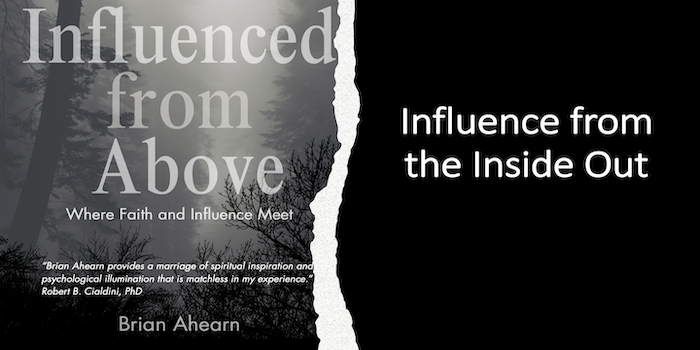
Influence From the Inside Out: The Core Principle
The underlying philosophy championed by Ahearn centers on the belief that genuine and sustainable transformation, whether in oneself or in others, is an organic process that originates from within. This concept draws parallels to well-established wisdom, notably the teachings of Jesus Christ, who emphasized the importance of inner purity as the precursor to outward rectitude. The analogy of cleaning the inside of a cup before the outside, and the principle that a good tree bears good fruit, both underscore the notion that the external manifestations of our actions are largely dictated by our internal state.
This perspective suggests that the most effective and enduring influence is not about mastering a set of persuasive tactics, but about cultivating a particular way of being. It is about who we are becoming, rather than solely what we are doing. This internal locus of change is seen as the bedrock upon which all genuine human connection and effective guidance are built.
The Principle of Liking: A Reimagined Application
To illustrate this "inside-out" approach, Ahearn references one of Dr. Robert Cialdini’s seminal principles of influence: Liking. The principle of Liking asserts that individuals are more predisposed to agree with requests from people they know and like. Typically, when this principle is introduced, the immediate inclination for many is to ask, "How can I get people to like me?" This, Ahearn argues, is a misdirected effort, focusing on the outcome rather than the underlying cause.
The more profound and transformative approach, he proposes, is to reverse this question: "Instead of trying to get people to like you, start looking for reasons to genuinely like them." This subtle yet significant shift in focus has profound implications. When we actively seek out commonalities and offer sincere compliments, we not only foster a positive connection with the other person, but we also cultivate a sense of liking for them within ourselves.
The psychological mechanism at play is reciprocal. Just as discovering shared interests and receiving genuine praise makes us like someone more, actively seeking these elements in others cultivates our own liking for them. This intentional shift in attention from the self to the other person is often perceptible to the recipient. When individuals sense that they are genuinely liked and appreciated, a foundation of trust is laid. This trust is crucial, as it leads to a greater belief that the influencer has their best interests at heart, mirroring the reliability we expect from friends. This exemplifies influence stemming from an authentic, internal disposition.
Ethical Versus Loving Influence: A Higher Standard
Returning to the initial dichotomy, the distinction between "Lasting and Ethical" and "Loving and Eternal" influence is further elaborated. Ethical influence, while fundamental and essential, primarily addresses the question of appropriateness and respect. It involves asking critical questions such as: Is my approach honest? Is it respectful of the other person’s autonomy and freedom to choose? Am I acting within acceptable moral boundaries? These are vital considerations that have guided professional conduct and interpersonal interactions for decades, and continue to be indispensable.
However, love, in the context of influence, introduces an additional, more demanding layer of inquiry: "Do I genuinely want what’s best for this person?" This question elevates the standard of influence beyond mere ethical compliance to a profound commitment to the well-being of the other. The challenge lies in the fact that two individuals can employ the exact same words, questions, and influence principles, yet their underlying motivations can be vastly different.
One individual might be driven by the internal query, "How can I achieve my desired outcome from this person?" while another might be guided by, "How can I help this person make the most beneficial decision for themselves?" Though their outward actions may appear identical, their internal compass points in fundamentally different directions.
Therefore, the transition from merely ethical influence to a more profound, loving influence is not primarily about acquiring new techniques or strategies. Instead, it is about an internal metamorphosis, a fundamental change in character and intention. As Ahearn emphasizes, "It’s about becoming a different kind of person." When this internal transformation occurs, the outward behaviors naturally evolve to reflect this inner shift.
The Primacy of Being Over Doing
The question posed by Castillo, "What’s the first thing someone usually has to stop doing," is thoughtfully re-contextualized. Ahearn suggests that the crucial starting point is not a cessation of activity, but a conscious cultivation of one’s inner state. The more pertinent initial question, therefore, is not "What should I stop doing?" but rather, "Who am I becoming, and what do I genuinely want for the person I am trying to influence?" This introspection is key to unlocking the power of influence that is both effective and deeply humanistic.
The implications of this perspective are far-reaching, particularly for professionals and individuals engaged in coaching, sales, leadership, and any role that involves guiding or persuading others. It suggests that investing in self-awareness, emotional intelligence, and the cultivation of genuine care for others is paramount. This internal work, though less tangible than mastering a specific persuasive technique, forms the bedrock of truly impactful and ethical influence.
Supporting Data and Broader Context
The concept of internal motivation driving external behavior is well-supported by psychological research. For instance, Self-Determination Theory (SDT), developed by psychologists Edward Deci and Richard Ryan, posits that intrinsic motivation—driven by inherent interest and enjoyment—leads to greater persistence, creativity, and well-being compared to extrinsic motivation, which is driven by external rewards or pressures. In the context of influence, an intrinsic motivation to genuinely help another person achieve their best outcome is likely to be more effective and ethically sound than an extrinsic motivation focused solely on achieving a personal gain.
Furthermore, research in neuroscience highlights the role of empathy and mirroring in social interactions. When individuals perceive genuine care and understanding from another, neural pathways associated with trust and cooperation are activated. This neurological basis lends credence to Ahearn’s assertion that people can sense a genuine liking and an authentic desire for their well-being. A 2016 study published in Nature Communications found that empathetic responses in the brain can be transmitted between individuals, suggesting a biological underpinning for the power of genuine connection.
Implications for Professional Practice
The implications for professional coaching and sales, in particular, are significant. For coaches, this paradigm shift means moving beyond a mere focus on goal attainment to fostering a deeper client-coach relationship built on trust and mutual respect. The coach’s internal disposition—their genuine desire for the client’s growth—becomes as critical as their coaching methodologies.
In sales, the principle suggests that a salesperson who genuinely seeks to understand and address a client’s needs, rather than simply pushing a product, will build stronger, more lasting relationships. This aligns with the concept of "consultative selling," where the salesperson acts as a trusted advisor. Data from the business consulting firm McKinsey & Company has consistently shown that customer loyalty is driven by trust and perceived value, both of which are enhanced by an approach that prioritizes the customer’s best interests. A 2019 report indicated that companies focusing on customer experience—which is heavily influenced by the "liking" and "caring" aspects of interaction—saw revenue growth 4-8% above their market.
The TEDx Talk delivered by Brian Ahearn, "The Power of Pre-Suasion," further contextualizes this discussion. Pre-suasion, the art of preparing people to be receptive to a message before it is delivered, relies heavily on establishing rapport and a positive mental state in the audience. A genuinely caring and likable influencer is far more likely to achieve a receptive audience, demonstrating the interconnectedness of internal states and persuasive outcomes. His talk, viewed over a million times, underscores the widespread interest in these principles.
Conclusion: A Call for Internal Evolution
The discourse initiated by Castillo’s question and Ahearn’s insightful response provides a crucial framework for understanding influence. It moves beyond a superficial understanding of persuasion and delves into the profound impact of internal motivation and personal character. The call to shift from a focus on what to stop doing to who we are becoming, and what we genuinely desire for others, represents a call for a more evolved and humanistic approach to interaction. This "Loving and Eternal" influence, rooted in genuine care and an inside-out transformation, promises not only more effective results but also a more meaningful and ethical engagement with the world. For those engaged in shaping outcomes and guiding others, the journey of internal evolution may be the most powerful tool at their disposal.
