

The intersection of artificial intelligence and consumer lifestyle has reached a new milestone as Google announces a suite of integrated Search features designed to streamline the home renovation and interior design process. As digital discovery becomes the primary driver for home improvement, Google Search has evolved from a simple text-based query engine into a multimodal toolkit capable of visualizing furniture, identifying vintage artifacts, and providing real-time DIY assistance. Recent data released by the company indicates a massive surge in consumer interest, with searches for "home decor inspo" rising by 300% over the past month, while specific queries like "bathroom inspo" and "living room inspo" have reached breakout status. This shift reflects a broader trend in the $700 billion global home decor market, where consumers are increasingly moving away from traditional showrooms in favor of AI-augmented digital experiences.
The Evolution of Visual Discovery in Interior Design
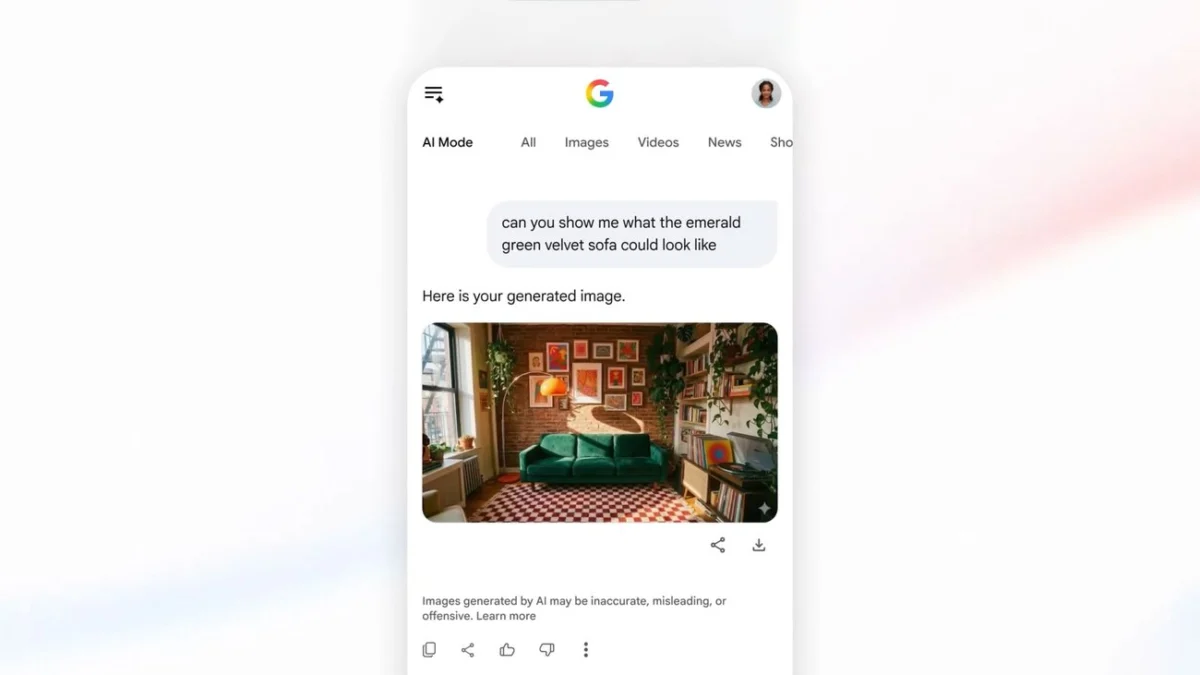
The current landscape of home decor is defined by a move toward personalization and "bold pops of color," with Google reporting that teal and magenta have emerged as the year’s trending paint searches. However, the transition from digital inspiration to physical implementation has historically been a point of friction for homeowners. To bridge this gap, Google has introduced "AI Mode in Search," a feature that utilizes generative artificial intelligence to help users visualize how specific pieces of furniture will look within their actual living spaces.
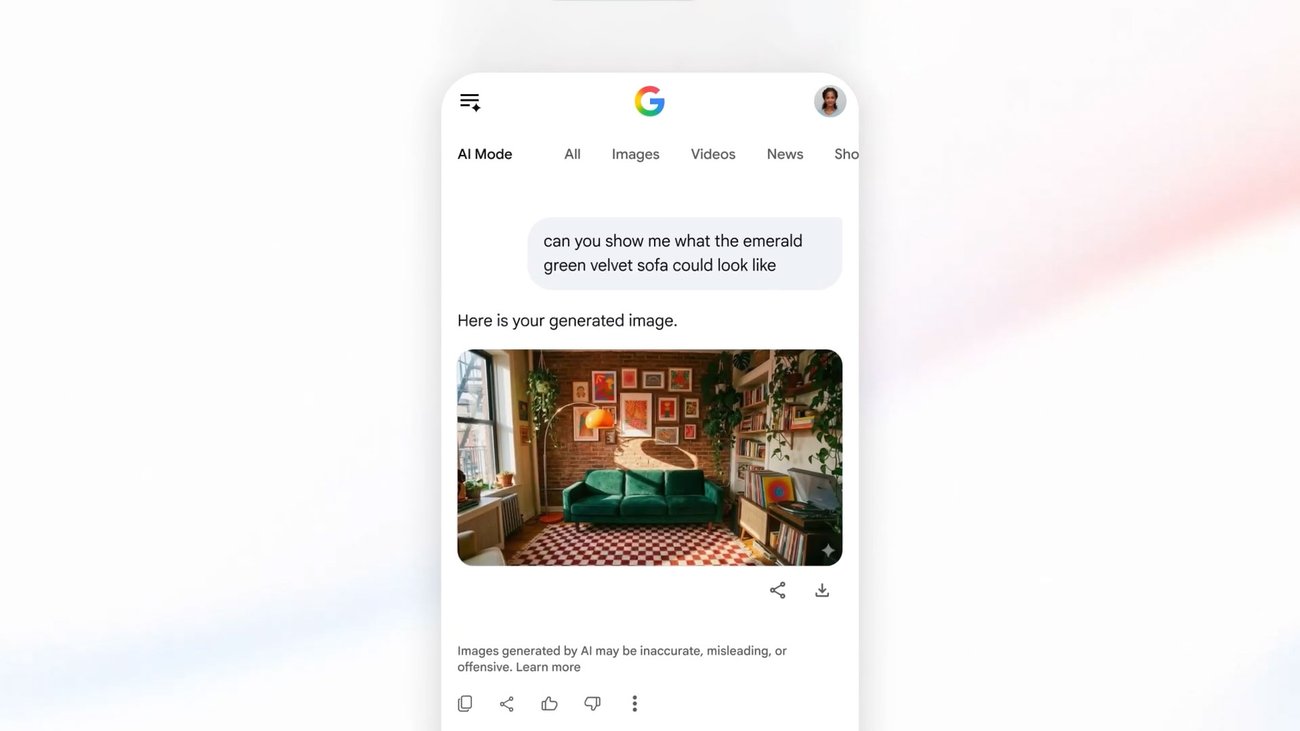
By uploading a photograph of a room, users can engage in a conversational interface with the AI. For instance, a user might specify that a particular wall is 84 inches wide and ask for recommendations. The system then generates mockups—such as an emerald green velvet sofa placed against the user’s specific wall—allowing for a level of aesthetic and spatial certainty that was previously impossible without professional design software. This advancement marks a significant departure from static 2D images, providing a dynamic environment where dimensions and color palettes are calculated in real-time.
The Resurgence of Vintage and the Role of Google Lens
A secondary but equally powerful trend identified by Google is the record-high interest in "vintage" aesthetics. Trending searches for "vintage braided rugs" and "vintage wood coffee tables" suggest a consumer pivot toward sustainability and unique, one-of-a-kind pieces. This "circular economy" movement is being supported by Google Lens, a visual recognition technology that allows users to identify objects in the physical world through their smartphone cameras.
The utility of Lens extends beyond simple identification. When a user encounters a decorative item at a flea market or in a boutique, they can utilize the Google app on iOS or Android to pull up a list of similar items available across the web. This functionality democratizes the role of the antique expert, providing users with immediate information on pricing, provenance, and availability. By indexing billions of product listings, Google Lens effectively turns the physical world into a searchable catalog, enabling consumers to source high-quality alternatives that fit their specific budget and stylistic preferences.
Seamless Integration through Circle to Search
As social media platforms like Instagram and TikTok become the primary galleries for interior design trends, the "Circle to Search" feature addresses the need for frictionless discovery. This technology allows users to identify products within videos, social feeds, or web pages without the need to switch between different applications. The practical application of this is evident in the recent 140% spike in searches for "fish wallpaper," a niche aesthetic that has gained viral momentum.
On the latest Pixel and Samsung Galaxy S26 devices, users can long-press the home button or navigation bar and simply circle an item on their screen—such as a specific wallpaper pattern or a designer chair—to receive instant information and shopping links. This capability represents a significant shift in the e-commerce funnel, shortening the distance between "discovery" and "purchase" to a matter of seconds. Industry analysts suggest that this type of "in-app" search capability will likely become the standard for mobile browsing as consumers demand more integrated and less disruptive search experiences.
Bridging the DIY Skills Gap with Search Live
The home improvement sector has seen a sustained "DIY Renaissance" since 2020, but the complexity of installation remains a barrier for many. Google’s "Search Live" feature aims to mitigate this by providing real-time, step-by-step guidance for home projects. Using the example of "floating shelves"—a top-trending item this year particularly among apartment dwellers—Google has demonstrated how its AI can act as a virtual assistant.
Through the Google app, users can tap the "Live" icon to initiate a voice and video-based session. By sharing their camera feed, users can show the AI the specific wall and tools they are working with. The system can then provide verbal instructions and visual overlays to ensure the job is done correctly. This multimodal approach—combining voice, video, and text—addresses the nuances of physical labor that traditional text-based "how-to" articles often miss. It transforms the search engine from a repository of information into an active participant in the user’s environment.
Economic Intelligence and Price Transparency
In an era of fluctuating inflation and high consumer price sensitivity, the financial aspect of home decor is more critical than ever. Google has integrated comprehensive price tracking and comparison tools directly into the search results for home goods. Before purchasing "breakout" items like funky lamps or harlequin wallpaper, users can access a product’s price history to determine if the current listing is high, low, or typical.
The "Track price" feature allows users to receive automated alerts when a specific item falls within their budget. This data-driven approach to shopping provides a level of transparency that was previously the domain of dedicated couponing or price-watching websites. By centralizing this information, Google is positioning itself as a comprehensive financial tool for the household, helping consumers navigate the often-expensive process of home renovation with greater fiscal confidence.
Broader Impact and Industry Implications
The rollout of these features signals a broader strategy by Google to dominate the "intent-driven" shopping market. By integrating AI-driven visualization and real-time assistance, Google is not just a search engine but a utility that adds value throughout the entire lifecycle of a home project—from the initial "inspo" phase to the final installation.
Retailers and furniture brands are also being forced to adapt to this new reality. As visual search becomes more accurate, the importance of high-quality, 3D-modeled product data and SEO-optimized visual content has never been higher. For the consumer, the result is a more empowered shopping experience where the risk of "buyer’s remorse" is significantly reduced.
Chronology of Search Innovation
The path to these current features has been a multi-year journey for Google.
- 2017: The launch of Google Lens marked the beginning of Google’s move into visual search.
- 2021: The introduction of "Multitask Unified Model" (MUM) technology improved the engine’s ability to understand complex queries.
- 2023: The integration of Generative AI into Search (SGE) allowed for the creation of mockups and conversational advice.
- 2024: The release of "Circle to Search" and "Search Live" represents the most recent stage of this evolution, focusing on seamlessness and real-world application.
As these technologies continue to mature, the boundary between the digital search bar and the physical living room will likely continue to blur. Google’s data suggests that the appetite for these tools is only growing, as homeowners seek more efficient, affordable, and creative ways to transform their spaces. The surge in specific design queries indicates a more informed and daring consumer base, one that is no longer satisfied with generic solutions and is instead using AI to curate highly specific, personalized environments. In the competitive landscape of big tech, Google’s focus on the "home" as a primary theater for AI utility may well define the next decade of consumer search behavior.
