

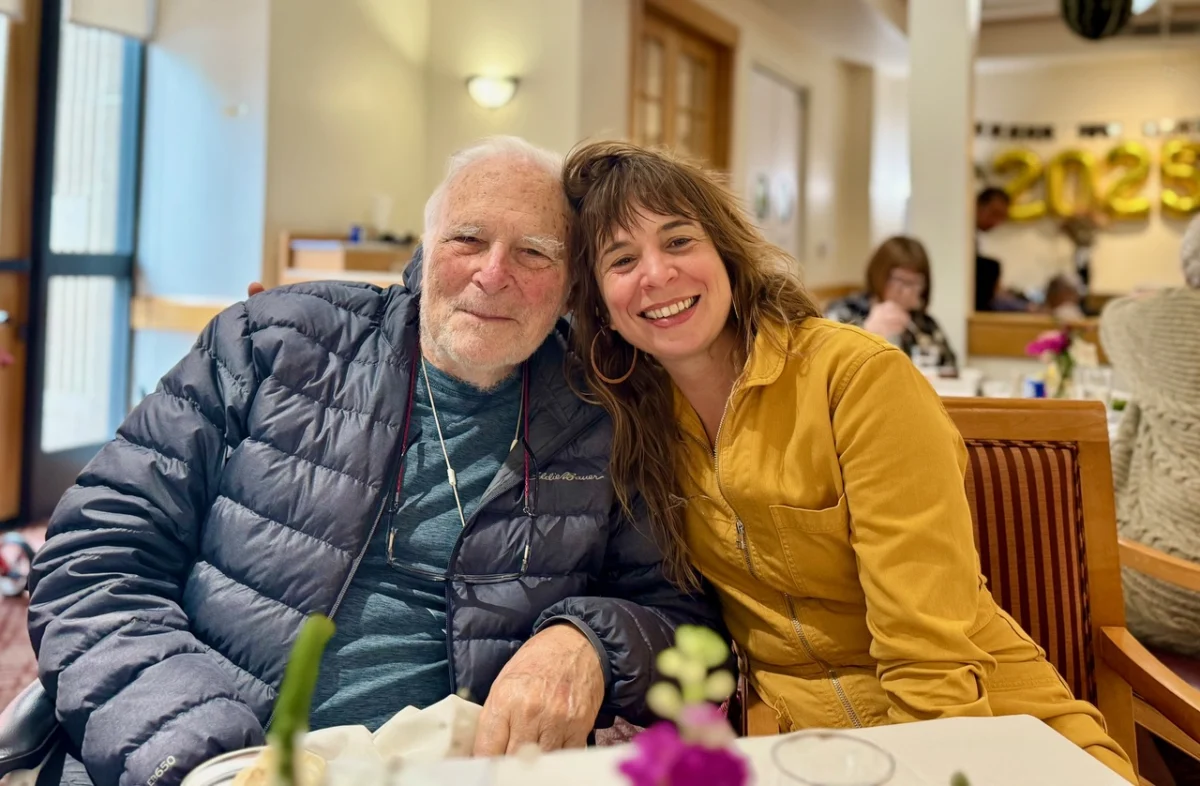
The world of psychology and emotion research is mourning the loss of a towering figure, Dr. Paul Ekman, whose groundbreaking work on universal facial expressions and the science of emotion profoundly impacted fields ranging from neuroscience and medicine to national security and animation. While his passing marks the end of an era, the enduring legacy of his scientific contributions, coupled with a remarkable personal journey of transformation, continues to inspire. This comprehensive account seeks to explore the multifaceted life of Dr. Ekman, examining his seminal research, his profound personal evolution, and the lasting impact of his collaborative efforts to reduce human suffering through a deeper understanding of emotion and the cultivation of compassion.
A Childhood Forged in Trauma, Fueling a Lifelong Quest
Paul Ekman’s early life was marked by profound trauma and loss, experiences that, as his daughter poignantly describes, “shaped his research on human emotion and echoed through his heart for a lifetime.” Born in Washington D.C. in 1934 and later raised in Portland, Oregon, Ekman’s childhood was deeply affected by the suicide of his mother when he was just 14 years old. This formative tragedy, coupled with the absence of a father figure, instilled in him a deep-seated drive to become the kind of supportive and present parent he himself had lacked. This personal imperative became a driving force in his life, shaping his approach to fatherhood and his commitment to nurturing his own children, Eve and her brother.
His daughter, Eve Ekman, a clinical social worker and a key collaborator in his later work, reflects on his dedication: “He wasn’t perfect, but he poured himself into being present, curious, loving, and supportive. He became not only a parent to me and my brother, but a true friend and collaborator – someone who showed up in every chapter of my life with fierce loyalty and genuine delight, a real co-conspirator.” This personal dedication, rooted in his own experiences of loss, provided a unique and deeply humanistic foundation for his scientific endeavors.
Pioneering the Science of Universal Facial Expressions
Dr. Ekman’s academic career was characterized by a relentless pursuit of understanding the fundamental nature of human emotion. After earning his Ph.D. in psychology from Adelphi University in 1958, he embarked on research that would redefine the field of emotion science. His early work, building upon the foundations laid by Carroll Izard and others, focused on the universality of facial expressions.
In a series of groundbreaking studies conducted in the 1960s and 1970s, Ekman and his colleagues, including Wallace Friesen, traveled to remote cultures across the globe, including New Guinea, to investigate whether facial expressions of emotion were universal or culturally specific. Their findings, famously published in The American Psychologist in 1971, provided compelling evidence for the existence of a set of universal facial expressions corresponding to basic emotions such as happiness, sadness, anger, fear, surprise, disgust, and contempt. This research challenged prevailing anthropological theories that suggested all emotional expressions were learned and culturally conditioned, establishing a biological basis for core human emotions.
The methodology employed in these studies was rigorous. Participants were shown photographs of individuals expressing various emotions and asked to identify the emotion being conveyed. In cultures with limited exposure to Western media, the agreement on the interpretation of these expressions was remarkably high, lending strong support to the universality hypothesis. This body of work not only solidified Ekman’s reputation as a leading scientist but also laid the groundwork for subsequent research in areas such as emotion recognition, deception detection, and the study of emotional disorders.
The Transformative Encounter in Dharamsala: A Shift Towards Compassion
While Dr. Ekman’s scientific contributions were already substantial, a pivotal moment in his life and career occurred in the year 2000 with his participation in a landmark meeting in Dharamsala, India. This historic gathering brought together His Holiness the Dalai Lama, a circle of eminent scientists, and contemplative practitioners to explore the nature of "Destructive Emotions." This experience, as described by his daughter, “completely transformed his understanding of the world and of himself.”
For many years, Ekman had grappled with his own struggles with anger, a vulnerability he later shared. The Dharamsala meeting provided him with an unexpected and profound insight into the possibility of managing and reducing such reactivity. He spoke of this moment often, describing it as an "unmistakable, embodied sense of what it might feel like to live with less reactivity and anger." While he admitted he could never fully articulate the precise mechanism of this shift, the experience ignited a new direction in his work.
The Dalai Lama’s philosophy, which emphasizes the reduction of suffering through emotional understanding and a calm mind, resonated deeply with Ekman. He saw in the ancient wisdom of Buddhist practices a powerful complement to his scientific inquiry. This encounter marked a significant turning point, moving his focus beyond simply identifying emotions to actively exploring how to cultivate emotional well-being and compassion.
Cultivating Emotional Balance and the Atlas of Emotions
The profound personal transformation Ekman experienced in Dharamsala directly fueled the development of influential programs and tools aimed at helping individuals manage their emotions and foster greater well-being. In collaboration with Alan Wallace, a respected scholar of Buddhist philosophy and meditation, Dr. Ekman developed the "Cultivating Emotional Balance" (CEB) training program.
CEB is an evidence-based program designed to equip participants with practical tools for understanding and regulating their emotions. It integrates scientific insights into the nature of emotions with contemplative practices, aiming to reduce emotional reactivity and enhance compassion. Since its inception, CEB has been offered globally, reaching diverse populations and demonstrating positive outcomes in reducing stress, improving emotional regulation, and fostering prosocial behavior. The program’s success is a testament to the power of bridging ancient wisdom with modern scientific understanding.
Furthering this mission, Dr. Ekman, alongside his daughter Eve, collaborated on the creation of the "Atlas of Emotions." Commissioned by the Dalai Lama in 2016, this free online tool provides a comprehensive vocabulary and framework for understanding the complex landscape of human emotions. The Atlas aims to empower individuals by helping them identify, describe, and navigate their emotional experiences, thereby promoting greater self-awareness and emotional intelligence. The upcoming relaunch of the Atlas for its ten-year anniversary underscores its continued relevance and importance in the global effort to enhance emotional literacy. Both CEB and the Atlas of Emotions embody Dr. Ekman’s late-career dedication to helping people reduce suffering for themselves and for others by fostering a deeper understanding of their emotional lives.
Addressing Scientific Discourse and Misrepresentation
In the wake of Dr. Ekman’s passing, his daughter expressed concern over certain media portrayals of his work, particularly a New York Times obituary that she felt framed his contributions through a lens of "controversy." She argued that this perspective overemphasized a single scientist’s critique, neglecting the vast body of peer-reviewed research that has consistently supported and expanded upon his foundational findings.
“Disagreement is part of science – he welcomed it,” Eve Ekman stated. “But presenting his life’s work primarily through one selective critique, instead of the hundreds of studies and dozens of labs that built upon his foundational findings, misrepresents both his scientific contributions and the broader field of emotion research.” This sentiment highlights the inherent complexities of scientific progress, where dissenting opinions, while valuable, can sometimes overshadow the cumulative weight of evidence.
The scientific community’s response to Dr. Ekman’s work has been overwhelmingly positive, with numerous replications and extensions of his findings across diverse cultural and methodological contexts. His research has been instrumental in advancing understanding in fields as varied as clinical psychology, where it informs the diagnosis and treatment of mood disorders; forensic science, where it contributes to understanding deception; and even in the creative industries, where it has guided the realistic portrayal of emotions in film and animation. The implications of his work extend to national security, aiding in the training of intelligence analysts to better understand human behavior and intent.
A Life of Rigor, Transformation, and Generosity
Dr. Paul Ekman’s life story is a compelling narrative of scientific rigor, profound personal transformation, and unwavering generosity. From his early childhood marked by loss, he channeled his experiences into a lifelong quest to understand the human condition. His groundbreaking research on facial expressions provided a universal language for emotion, while his later engagement with contemplative traditions offered a pathway towards greater emotional balance and compassion.
His daughter’s account paints a picture of a man who, despite his immense intellectual achievements, remained deeply human and committed to personal growth. “He dedicated his life to science in the service of reducing human suffering,” she explained. “He did that not only through meticulous research, but through a sincere desire to help people understand themselves better. He did it by sharing his own vulnerabilities, repairing relationships, and softening over the years into a man who was joyful, open-hearted, and generous.”
This description underscores the holistic nature of his legacy. He was not merely a scientist; he was a man who embodied the principles he espoused. He actively worked to integrate his scientific understanding with his personal life, demonstrating that true wisdom lies in the application of knowledge to foster a more compassionate existence. His ability to connect with others, even in the final months of his life, speaks to the depth of his human spirit.
A Legacy of Understanding and Compassion
The legacy of Dr. Paul Ekman is one of immense scientific influence, profound personal evolution, and a deep commitment to alleviating human suffering. He demonstrated that the pursuit of knowledge, when guided by empathy and a desire for positive change, can have a transformative impact on both individuals and society at large. His journey from a child who experienced profound loss to a scientist who helped millions understand their emotions and cultivate compassion serves as a powerful testament to the human capacity for growth and resilience.
He was, as his daughter poignantly concluded, “complicated and imperfect, like all of us. But he was also kind, brave, funny, endlessly curious, and deeply committed to making the world better.” This is the comprehensive story of Paul Ekman – a story of scientific brilliance intertwined with personal transformation, a story that offers a profound lesson in how understanding our emotions can lead to a more compassionate and meaningful life. The outpouring of well wishes from near and far underscores the profound and lasting impact of his work, a testament to a life dedicated to the noble pursuit of understanding and expanding compassion. His contributions will continue to resonate, guiding researchers, practitioners, and individuals alike in their journey towards emotional well-being and a more interconnected, understanding world.
