


Mouth clicks, often colloquially referred to as "clicky mouth" or "mouth noise" within the voiceover industry, represent a persistent and frequently encountered challenge for audio professionals. While many perceive these intrusive sounds as an unavoidable physiological byproduct of speech, industry experts contend that the vast majority of such occurrences stem from preventable causes. This article delves into the nature of mouth clicks, their detrimental impact on professional voiceover work, and offers a detailed, scientifically-grounded approach to their eradication at the source.
Understanding the Nature and Impact of Mouth Clicks
Mouth clicks are characterized by distinct popping or clicking sounds that manifest during, preceding, or following spoken dialogue. These sonic artifacts are generated by the interplay of the tongue, teeth, and saliva within the oral cavity. While all individuals produce some degree of mouth noise during typical conversation, these sounds are usually imperceptible to the human ear, as our brains naturally filter them out as inconsequential. However, the recording and post-production process in professional audio, particularly voiceover, significantly amplifies these subtle noises, rendering them a critical issue for quality assurance.
The implications of unchecked mouth clicks for voiceover artists are substantial. In an industry where pristine audio quality is paramount, excessive mouth noise can be a decisive factor in an artist’s success or failure. Casting directors and producers often cite mouth clicks as a primary reason for rejecting audition tapes. Furthermore, clients may refuse to rehire artists whose recordings are plagued by these sonic imperfections, leading to significant financial repercussions. One anecdotal account from an industry professional highlights this severity: "I myself have even re-recorded an entire 5-hour session with a new voiceover artist…because the original lady was too noisy. It would have cost us more to edit her than to pay another VO. That’s the detrimental effect mouth clicks can have." This underscores that the cost of editing out excessive mouth clicks can outweigh the expense of re-recording with a cleaner-voiced artist.

The Role of Dehydration and Hydration in Mouth Noise
A primary contributor to increased mouth clicks is dehydration. When the body is insufficiently hydrated, the production of saliva diminishes, leading to a drier, stickier oral environment. This altered saliva consistency directly contributes to the formation of clicks and pops as the tongue and mouth move during speech.
It is crucial to differentiate between various factors that can lead to dehydration. Nicotine consumption, particularly heavy smoking, is known to be dehydrating. Similarly, excessive caffeine intake, common in morning routines for many professionals, acts as a diuretic, drawing water from the body. Therefore, individuals who consume significant amounts of cigarettes or coffee are statistically more prone to experiencing dryness and consequently, mouth clicks.
Paradoxically, an overabundance of water in the mouth can also contribute to clicks, though this is a different mechanism. When voiceover artists attempt to compensate for perceived dryness by rapidly consuming large quantities of water immediately before or during a session, the excess fluid can create an environment where the tongue’s movement is still prone to generating noise. This phenomenon is not a true indication of proper hydration but rather a temporary saturation of the oral cavity.
The Amplification Effect: Recording and Post-Production Processes

The human ear’s natural filtering mechanism fails to account for the way audio is processed in professional settings. The recording and subsequent post-production stages significantly amplify subtle mouth clicks. A key process involved is audio compression. Compression works by reducing the dynamic range of an audio signal, effectively narrowing the gap between the loudest and quietest parts of the waveform.
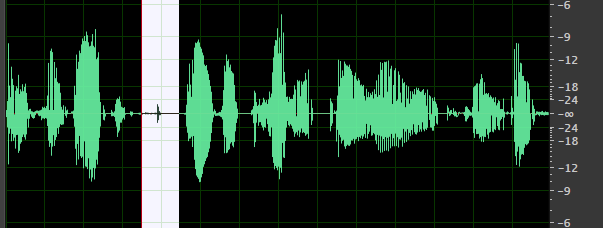
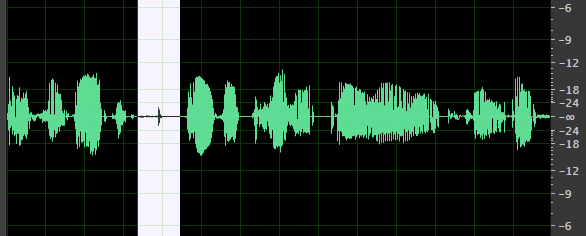
To illustrate, consider a raw audio waveform with a prominent mouth click. Before compression, this click, while audible, is relatively balanced against the surrounding speech. However, after compression is applied, the overall volume of the speech is reduced relative to the click. When the audio is then normalized or its volume is increased to achieve a standard listening level, the previously less noticeable click becomes significantly louder and more pronounced in the final output. This amplification means that even minor mouth noises produced during recording can become highly distracting in the finished product.
The necessity of compression in audio production cannot be overstated. It is a fundamental tool for ensuring that voiceover recordings can be seamlessly mixed with other audio elements, such as music and sound effects, without jarring volume discrepancies. Therefore, avoiding compression is not a viable solution for mitigating mouth clicks.
Strategies for Eradicating Mouth Clicks at the Source
Given the amplification effect of post-production processes, the most effective strategy for combating mouth clicks is to prevent their occurrence during the recording phase. This involves a multi-faceted approach focused on hydration, vocal technique, and mindful practice.
Step 1: Proactive and Consistent Hydration
The cornerstone of preventing mouth clicks lies in maintaining optimal hydration levels well in advance of and throughout a recording session. This is not a matter of gulping water moments before starting but a sustained effort.
- Pre-Session Hydration Timeline: Experts recommend initiating a consistent hydration regimen at least two hours prior to a scheduled recording session. This allows the body adequate time to absorb and distribute water effectively, ensuring consistent moisture levels in the oral cavity.
- The Importance of Pure Water: When discussing hydration for voiceover artists, the emphasis is unequivocally on plain water. Beverages containing caffeine, alcohol, dairy, or high sugar content act as diuretics or can otherwise negatively impact saliva production and consistency. For instance, a common misconception involves mistaking the consumption of sugary drinks like Coca-Cola for adequate hydration. Such beverages, being diuretics, will exacerbate dehydration.
- Night Before Hydration: For early morning sessions, it is crucial to begin hydrating the evening prior. The body naturally loses water during sleep, and starting the day already dehydrated makes it significantly harder to achieve optimal oral moisture levels in time for a session.
- Vocal Cord Health: Beyond preventing clicks, proper hydration is vital for the health of the vocal cords. These delicate mucous membranes require sufficient lubrication to vibrate efficiently. Dehydration leads to increased friction, resulting in vocal fatigue, hoarseness, and a gravelly voice, often likened to the vocal quality of individuals experiencing severe hangovers.
Step 2: Optimizing Microphone Placement and Vocal Projection
The physical relationship between the voiceover artist and the microphone, coupled with vocal projection, plays a significant role in the perceived level of mouth noise.
- Distance and Gain Management: A fundamental principle is to maintain an appropriate distance from the microphone. Shouting directly into a microphone at very close range will naturally capture more amplified mouth noise. Conversely, whispering from an extremely close proximity necessitates higher input gain, which in turn amplifies the noise floor, including mouth clicks.
- The "Sweet Spot": A recommended practice involves positioning the mouth approximately 7 to 8 inches from the microphone. This distance, combined with a slightly elevated vocal projection above normal conversational volume, allows for adequate input gain to be set, ensuring the dialogue is clear and robust while minimizing the relative prominence of mouth clicks.
- Proximity Effect Considerations: For specific commercial styles that employ the "close-up and personal" bass-proximity effect, artists must acknowledge that this technique inherently increases the likelihood of mouth clicks. In such instances, the expectation of more extensive post-production editing to remove these sounds becomes a professional understanding.
Step 3: Consistent Sipping During Sessions
The act of speaking itself leads to a gradual reduction in oral moisture, even if the artist is well-hydrated prior to the session. Continuous replenishment is therefore essential.
- The Professional’s Mark: Bringing a bottle of water into the recording booth and taking regular sips is a hallmark of a professional voiceover artist. It demonstrates an understanding of vocal health and a commitment to delivering clean audio.
- Sipping Schedule: A practical guideline is to sip water every 10 to 15 lines of dialogue. While this may necessitate more frequent breaks for restroom visits, the benefit of consistently moist vocal cords and a reduction in mouth clicks far outweighs this minor inconvenience.
- Environmental Factors: Modern recording studios are often air-conditioned, which can further contribute to drying the air and, consequently, the oral cavity. This makes consistent sipping even more critical in such environments.
Step 4: Dispelling Myths and Focusing on Core Practices
While certain anecdotal remedies exist for mouth clicks, their efficacy is often limited, and they should not replace fundamental preventative measures.
- The Green Apple Fallacy: The notion that consuming a green apple or other acidic foods can instantly eliminate mouth clicks is largely a myth. While the citric acid might temporarily cleanse the mouth, it does not address the underlying physiological reasons for dehydration or saliva imbalance. Such remedies are best reserved for extreme situations, such as severe hangovers, and should not be relied upon as a consistent strategy.
Conclusion
Mouth clicks, while a common concern in the voiceover industry, are not an insurmountable obstacle. By understanding the underlying causes – primarily dehydration and improper recording techniques – and implementing proactive strategies, voiceover artists can significantly reduce or eliminate these intrusive sounds. Prioritizing consistent hydration, optimizing microphone technique, and maintaining oral moisture throughout sessions are the most effective methods for ensuring clean, professional audio. While post-production editing can address some clicks, focusing on source eradication is not only more efficient but also a testament to the artist’s commitment to delivering high-quality vocal performances. The professional voiceover artist understands that meticulous preparation and consistent practice are the keys to vocal clarity and career longevity.
