

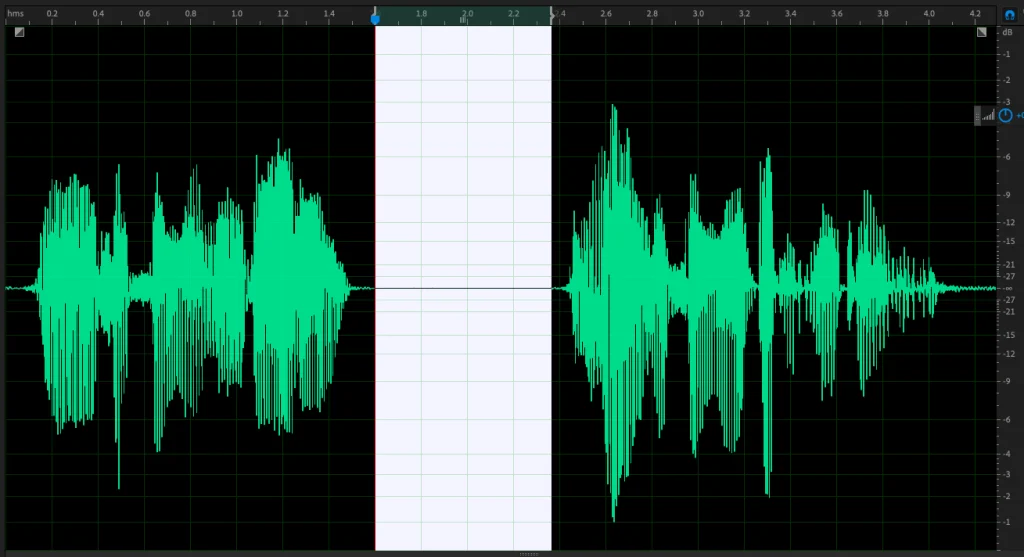
The practice of "debreathing" voice-over recordings, the process of removing audible breaths from audio performances, is a nuanced technique often misunderstood within the industry. While seemingly straightforward – identifying and eliminating breaths – its application is far from universal and carries significant implications for the final audio product. This article delves into the intricacies of debreathing, exploring its origins, common misconceptions, and the critical factors dictating its appropriate use across various voice-over genres, from the polished world of advertising to the more naturalistic demands of corporate narration and gaming.
Defining Debreathing: More Than Just Silence
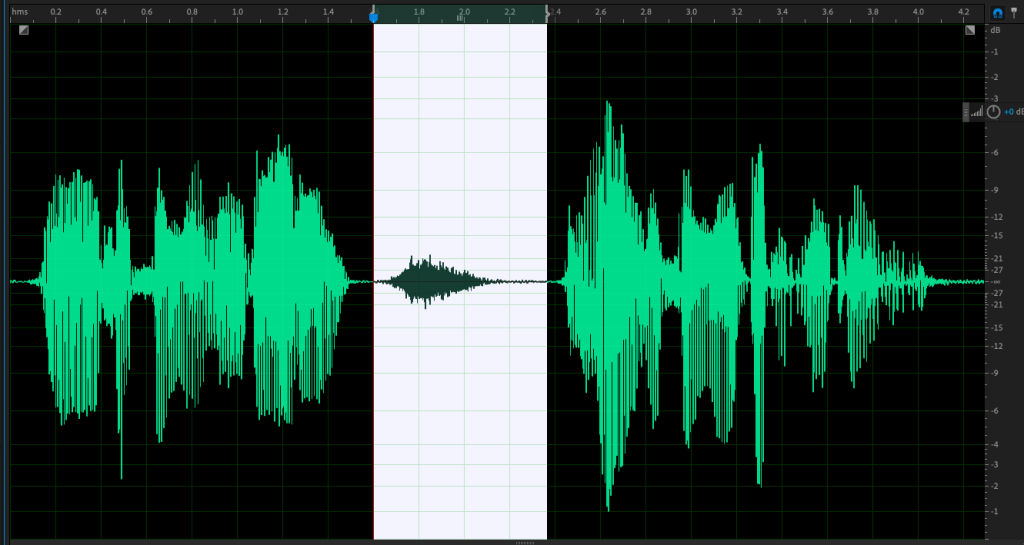
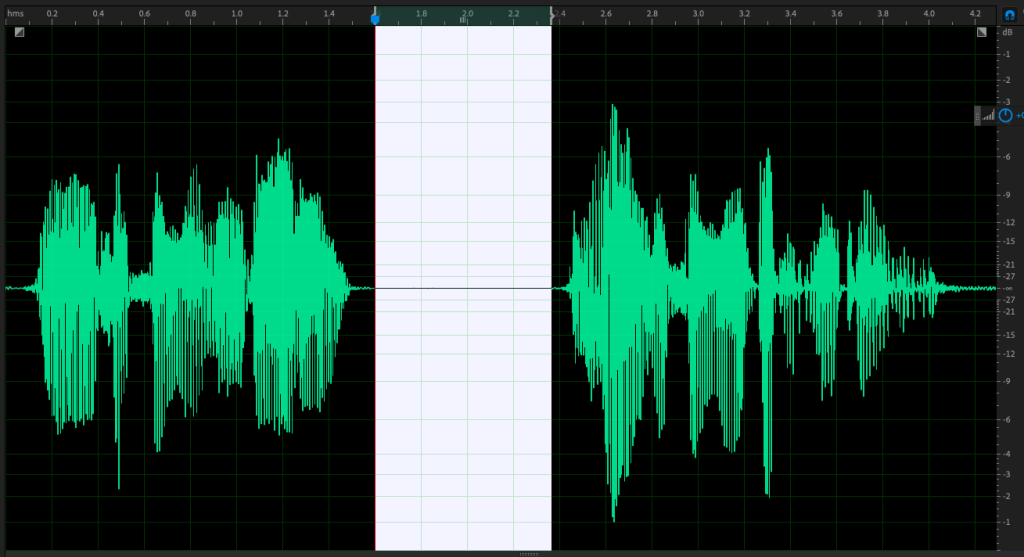
At its core, debreathing refers to the selective removal of involuntary respiratory sounds from a recorded vocal performance. This is typically achieved using audio editing software, where breaths are visually identified on the waveform and then either silenced or, in rarer cases, entirely deleted. The distinction between silencing and deleting is crucial. Silencing a breath involves reducing its amplitude to a near-inaudible level, preserving the natural timing and flow of the vocal track. Deleting a breath, conversely, removes both the sound and the temporal space it occupied, potentially creating unnatural gaps in the speech.
Historically, the debate around debreathing has been driven by evolving aesthetic preferences and technological capabilities. Early audio recording technology often amplified any extraneous noise, making breaths a prominent distraction. As editing software became more sophisticated, the ability to precisely target and manipulate these sounds became commonplace. This technical advancement, however, did not automatically establish debreathing as a universally beneficial practice.
The Traditional Domain: Commercial Advertising
Traditionally, debreathing has been most consistently applied to commercial voice-overs intended for advertising. The primary rationale behind this practice is to ensure an uninterrupted and focused delivery of the marketing message. In the highly competitive landscape of advertising, where every second counts and audience attention is fleeting, even subtle distractions can detract from the intended impact. The argument posits that breaths, particularly loud or prominent ones, can divert listener attention away from the product or service being promoted.
For many years, the prevailing wisdom dictated that commercial voice-overs, especially those for television, radio, and cinema, should be pristine and devoid of any "human" imperfections that might detract from their professional polish. This approach aimed to create a seamless auditory experience, where the voice acts as a direct conduit for the message without any noticeable intermediaries. The presence of music beds and sound effects in many advertisements further supported this by often masking subtle sonic discrepancies, including the absence of breaths.
The Nuance of "Commercial" Work: A Definitional Divide
However, a significant point of contention arises from the interpretation of "commercial voice-over." This term can be understood in two distinct ways, leading to potential misapplication of debreathing techniques.
The first interpretation refers to any voice-over work for which payment is received – essentially, any paid professional voice-over engagement. This broad definition could encompass corporate narration, e-learning modules, audiobook narration, and even certain podcast intros, all of which are "commercial" in the sense that they are commissioned and paid for.
The second, and more traditionally accepted, interpretation of "commercial voice-over" refers specifically to audio content used in actual advertisements. These are the direct promotional messages designed to sell a product or service. It is within this specific context that debreathing has historically found its most justifiable application.
The critical distinction lies in understanding the intent behind the debreathing. If the goal is solely to ensure the advertisement’s message is delivered without distraction, then debreathing specific advertising spots is a valid consideration. However, applying this practice to all paid voice-over work, irrespective of its nature, can lead to unintended and detrimental consequences.
Why Debreathing is Often Unnecessary and Detrimental Elsewhere
Beyond the realm of direct advertising, the practice of debreathing can have several negative repercussions, particularly in genres that benefit from a more naturalistic delivery.
1. The Unsettling Absence of the Natural: Humans are innately accustomed to hearing breaths as an integral part of spoken communication. Our brains are wired to process these sounds as indicators of natural speech. When breaths are entirely removed from a voice-over, particularly in longer spoken passages like corporate narration or audiobook readings, the absence can feel jarring and even unsettling. Listeners may unconsciously experience a sense of unease, as if waiting for an inevitable, yet absent, breath. This creates a perception of the speaker as almost superhuman, lacking the natural rhythm of human respiration.
The evolution of text-to-speech (TTS) technologies provides a compelling parallel. Early TTS systems, while functional, often lacked the subtle nuances of human speech, including breathing. This resulted in robotic and unnatural-sounding outputs. More recent advancements in AI voice generation have seen the deliberate incorporation of breath sounds, acknowledging that their presence contributes significantly to the perceived humanity and naturalness of the audio. This trend underscores the importance of breathing in creating relatable and engaging vocal performances.
2. Loss of Pacing and Listener Assimilation: Breaths, in spoken language, serve a dual purpose. They are essential for vocal production, but they also function as natural pauses. These pauses are not merely empty spaces; they provide crucial moments for the listener to process information, absorb what has been communicated, and formulate their thoughts. In non-advertising contexts, such as educational content or documentaries, these pauses are vital for comprehension and retention.
When debreathing is applied indiscriminately, these natural pauses are often eliminated, leading to a continuous, unbroken stream of speech. This can result in the audience feeling overwhelmed and less likely to retain the information. The intended message, rather than being clearly conveyed, may be lost in a relentless auditory flow. This phenomenon has been observed in certain American radio commercials where excessive debreathing, coupled with rapid delivery, can lead to listener fatigue and a failure to recall the advertised message.
3. Erosion of Natural Delivery and Authenticity: In contemporary voice-over trends, authenticity and natural delivery are highly prized. Clients increasingly seek performances that sound conversational, genuine, and relatable. Breathing is an intrinsic element of natural speech, contributing to the rhythm, cadence, and emotional subtext of a performance. By removing breaths, voice actors inadvertently strip away a layer of this naturalness, transforming a potentially authentic delivery into something more artificial and less engaging. This can be particularly detrimental in genres like character voice acting for video games or dramatic readings, where the believability of the performance is paramount.
The Pitfalls of Unintentional Debreathing
Beyond deliberate editing choices, unintentional debreathing can occur through the misuse of audio processing tools. Techniques like noise gates and expanders, often employed to reduce background noise in less-than-ideal recording environments, can inadvertently silence or significantly diminish the presence of vocal breaths.
While the intention might be to clean up the audio, the consequence is the same as deliberate debreathing: the removal of a natural element of the vocal performance. This approach is often seen as a shortcut, a way to "fudge" a poor recording environment rather than address the root cause. True professionalism lies in ensuring a clean recording environment from the outset, rather than relying on post-production tools that compromise the integrity of the vocal performance. This indiscriminate application of noise reduction tools is often a hallmark of amateur production, undermining the human element that makes a voice-over compelling.
The Informed Decision: When and Why to Debreath (and When Not To)
In conclusion, the decision to debreath a voice-over recording should be a deliberate and informed one, guided by the specific requirements of the project.
-
Commercial Advertisements: For voice-overs intended for direct advertising, debreathing can be considered. However, it is imperative to confirm this requirement with the client, producer, or agency. Their specific creative vision and marketing objectives will dictate whether breath removal aligns with the desired outcome. The goal here is to ensure the message is delivered with maximum impact and minimal distraction.
-
Other Genres (Corporate, Gaming, Narration, etc.): For virtually all other voice-over applications, including corporate narration, e-learning, audiobook narration, gaming, and dramatic performances, it is generally advisable to retain breaths. These breaths contribute to the naturalness, authenticity, and human quality of the performance. In an era where AI-generated voices are becoming increasingly sophisticated, emphasizing and preserving the inherent human characteristics of a vocal performance becomes a significant advantage.
The breath is a fundamental aspect of the human condition, a subtle yet vital indicator of life and natural communication. Unless explicitly instructed otherwise, voice actors should embrace their breaths as integral to their performance, leveraging their humanity as a distinguishing factor against increasingly artificial alternatives.
Ultimately, the power to decide rests with the client. If a client commissions a voice-over for a specific purpose and requests the removal of breaths, that request should be honored. Professional voice actors are engaged to fulfill the client’s vision, and adherence to their specifications, even if it deviates from general best practices, is a cornerstone of client satisfaction. However, for those instances where no specific instruction is given, the default should be to preserve the natural elements of the vocal performance, including the breath, thereby offering a more authentic and engaging listening experience. The industry’s ongoing evolution continues to highlight the value of genuine human expression in an increasingly automated world.
