

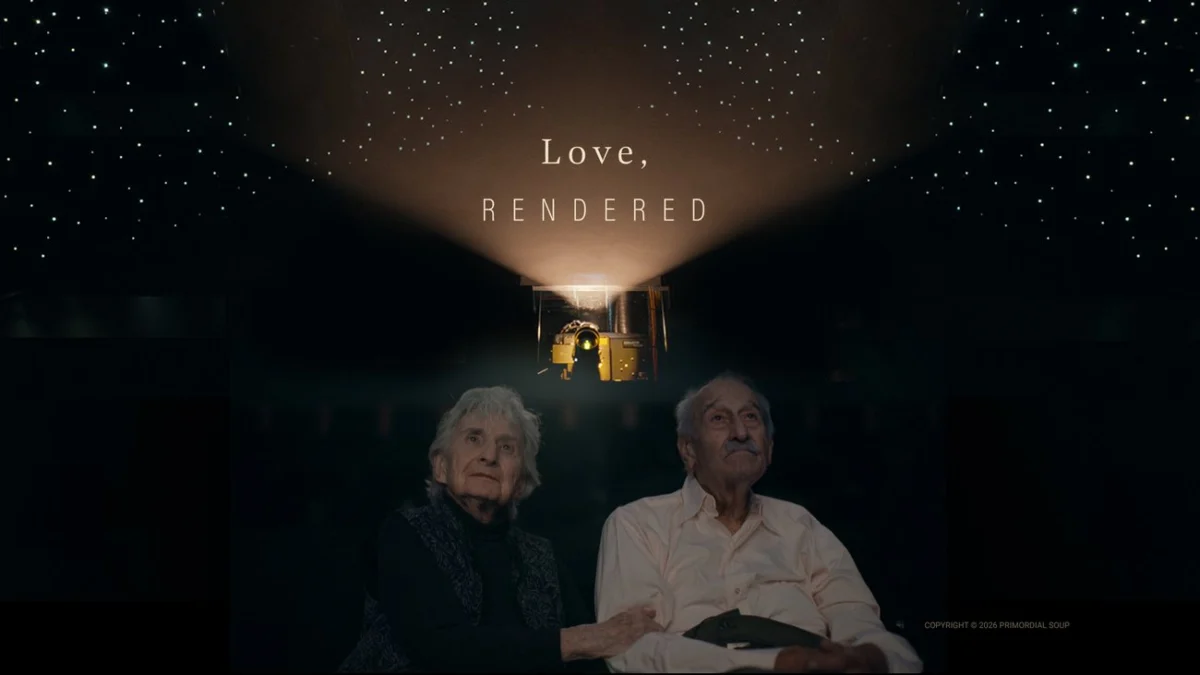
The intersection of generative artificial intelligence and documentary filmmaking has reached a significant milestone with the release of "Love, Rendered," a short film that explores the fragile nature of human memory through the lens of cutting-edge technology. Produced as a collaboration between Google DeepMind and Primordial Soup—the creative venture of Academy Award-nominated filmmaker Darren Aronofsky—the documentary chronicles the lives of Burt and Ethelle Shatz, a couple married for over seven decades. As Burt faces the progressive challenges of cognitive decline, the film utilizes advanced AI models to reconstruct a pivotal, unrecorded moment from their past: the day they first met at a student co-operative in Cleveland.
The project represents a shift in the application of AI, moving beyond mere content generation toward a restorative role in elder care and historical preservation. By synthesizing fragmented recollections into visual narratives, the filmmakers and engineers involved have demonstrated how machine learning can serve as a bridge between fading neural pathways and the tangible world.
The Intersection of Technology and Reminiscence Therapy
The conceptual foundation of "Love, Rendered" is rooted in reminiscence therapy, a clinical practice used primarily for individuals with dementia or Alzheimer’s disease. This therapeutic approach utilizes sensory cues—such as music, photographs, and oral histories—to stimulate brain activity and foster emotional connections. According to the World Health Organization, more than 55 million people worldwide are currently living with dementia, a figure expected to rise to 139 million by 2050. As the global population ages, the demand for innovative cognitive interventions has intensified.
Director Liz Garbus, known for her work on "Coma," noted that the inspiration for the film came from observing the resilience of the human brain. During previous projects, Garbus witnessed fMRI scans of patients in minimally conscious states reacting to the voices of loved ones. Similarly, producer Darren Aronofsky cited the viral footage of a former ballerina with Alzheimer’s who, upon hearing the music of "Swan Lake," began to perform the choreography from her wheelchair. These instances highlight the "islands of memory" that persist even when general cognitive functions fail.

"Love, Rendered" takes this concept a step further by creating "synthetic cues" for memories that were never captured by a camera. For Burt and Ethelle, the day they met existed only as a shared mental image. By using AI to render this scene, the production team provided a visual anchor for a memory that was on the verge of being lost to Burt’s condition.
A Technical Chronology: From Static Photos to Living Memories
The development of "Love, Rendered" followed a rigorous technical and creative timeline, overseen by Google DeepMind engineer Michael Chang. The process began with the collection of archival family materials, which served as the "ground truth" for the AI models.
- Data Collection and Personal Stakes: The project was informed by the personal experiences of the technical team. Chang, who lost his grandfather to a stroke-induced memory loss, used his own family history as a test case. By applying image restoration and video animation to photographs of his parents in their twenties, Chang validated the emotional efficacy of the tools before applying them to the Shatz family’s story.
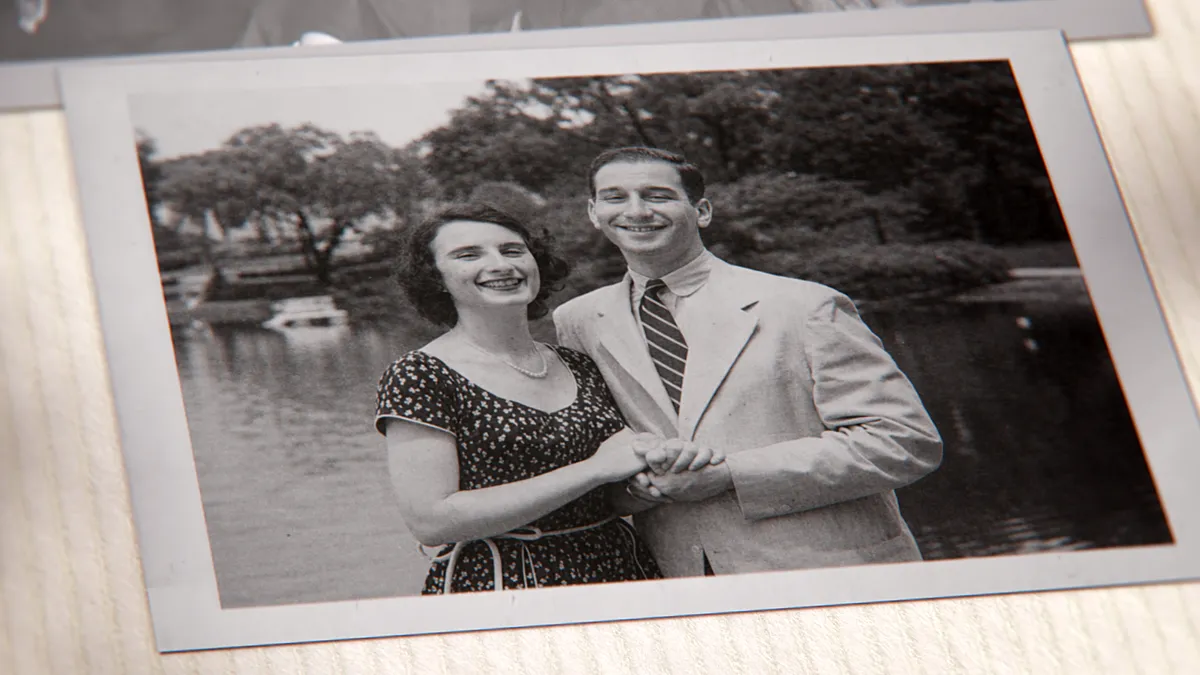
- Image Restoration and Colorization: The first stage of the Shatz project involved taking existing, often degraded, photographs of Burt and Ethelle from the 1950s. AI models were used to enhance resolution, correct lighting, and apply historically accurate colorization while strictly preserving the subjects’ original expressions and physical poses.
- Human-in-the-Loop Co-Creation: A critical component of the workflow was the involvement of Ethelle Shatz as a creative consultant. Because the AI could only guess at the environment of the Cleveland co-op, Ethelle provided real-time feedback. She corrected specific details, such as the architectural curve of a staircase and the specific height of a shoe heel, ensuring the AI-generated environment aligned with her lived experience.
- Animating Micro-Mannerisms: To move from static images to a "rendered memory," the team utilized video generation models. These models were tasked with mapping "micro-mannerisms"—the subtle, idiosyncratic movements that define an individual’s presence. By analyzing contemporary footage of the couple and applying those movement patterns to their younger, AI-reconstructed selves, the team created a version of the past that felt authentic to the subjects.
Supporting Data: The Impact of Visual Stimulation on Cognitive Health
The use of AI in this context is supported by a growing body of research regarding the "reminiscence bump," a phenomenon where older adults have a higher recall for events that occurred during their adolescence and early adulthood. Studies published in the Journal of Alzheimer’s Disease indicate that structured reminiscence therapy can significantly improve the mood, communication, and social engagement of elderly patients.
By providing high-fidelity visual representations of these early memories, AI technology may enhance the efficacy of these therapies. Traditional reminiscence therapy often relies on generic "period-appropriate" props; "Love, Rendered" suggests a future where therapy is hyper-personalized, using AI to recreate the specific streets, rooms, and faces unique to an individual’s life.
Collaborative Responses and Ethical Implications
The collaboration between a major technology firm like Google DeepMind and high-profile filmmakers like Aronofsky and Garbus has sparked discussion within both the tech and film industries. Darren Aronofsky emphasized that the AI served as a "paintbrush" rather than a replacement for human creativity. "A tool does nothing until it’s guided by human hands," Aronofsky stated during production, reinforcing the idea that the emotional core of the film remained a human endeavor.

However, the project also invites a fact-based analysis of the implications of "synthetic memories." As AI becomes more capable of recreating the past, experts in ethics and psychology raise questions about the nature of truth. In the case of "Love, Rendered," the goal was therapeutic and artistic, but the broader application of such technology requires careful consideration of how "restored" memories might alter a person’s actual perception of history.
The film’s technical lead, Michael Chang, addressed this by highlighting the goal of "preserving emotional truth." The intent was not to create a perfect historical record, but to provide a tool for connection between a couple whose shared history was being eroded by illness.
Broader Impact and the Future of Personal Archiving
"Love, Rendered" serves as a proof of concept for the future of personal archiving and the democratization of high-end visual effects. Google has already begun integrating some of these capabilities into consumer-facing products. For instance, the Gemini AI application now allows users to attempt basic photo restoration and colorization through conversational prompts.
The implications for the "digital inheritance" of future generations are profound. As AI tools become more accessible, the ability to "bring to life" the stories of ancestors may become a standard part of genealogical research. This shift could transform family histories from static text and faded prints into immersive, animated experiences.
Furthermore, the project suggests a new genre of documentary filmmaking—one that is not limited by the presence of a camera at the time of an event. By combining testimony with AI-assisted visualization, filmmakers can explore historical events and personal narratives that were previously "unfilmable."
Conclusion: A Frame-by-Frame Legacy
"Love, Rendered" premiered at the Telluride Film Festival, where it was recognized for its sensitive treatment of a complex subject. The film concludes by showing Burt and Ethelle viewing the recreated footage of their meeting. For a couple who has spent 70 years building a life together, the AI-generated "memory" served as a final, digital gift—a way to see one another again as they were when their journey began.
As society continues to navigate the integration of artificial intelligence into daily life, "Love, Rendered" stands as a case study in the technology’s potential to serve the human spirit. It moves the conversation away from the fear of automation and toward the possibility of preservation, suggesting that while the mind may fade, the stories we tell can be rendered permanent, frame by frame.
