


A decade after its groundbreaking introduction, the Atlas of Emotions, a unique framework designed to demystify and map the complex landscape of human feeling, is celebrating its tenth anniversary. Launched in 2016, this ambitious project emerged from a rare and powerful collaboration between renowned psychologist Dr. Paul Ekman, his daughter and fellow researcher Dr. Eve Ekman, and His Holiness the Dalai Lama. The Atlas was conceived with the ambitious goal of creating a scientifically robust yet universally accessible tool for understanding emotions, a mission that has since seen its influence permeate educational institutions, therapeutic practices, academic research, and everyday dialogues across the globe.
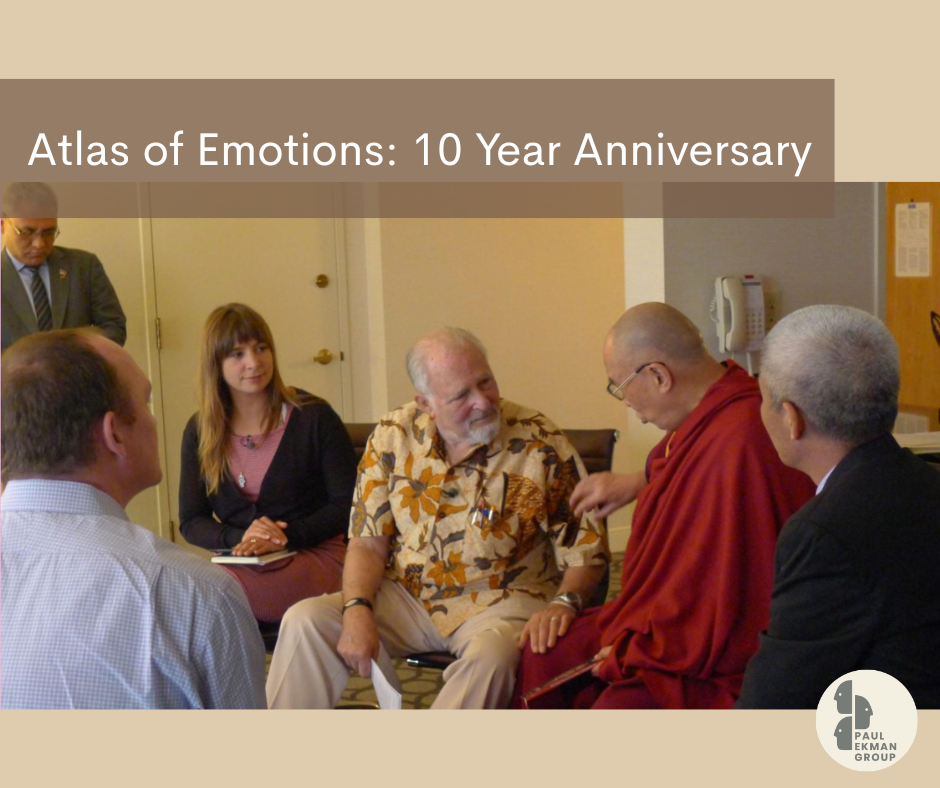
The anniversary is being marked with an unprecedented glimpse into the formative stages of the Atlas. Never-before-seen footage has been released, capturing a pivotal working session between Dr. Paul Ekman, Dr. Eve Ekman, and His Holiness the Dalai Lama as they meticulously reviewed the developing Atlas. This visual testament offers profound insight into the collaborative spirit and intellectual synergy that underpinned the project’s creation.
The Genesis of an Emotional Compass: A Foundation of Consensus
The genesis of the Atlas of Emotions was rooted in Dr. Paul Ekman’s extensive research into universal human emotions. His foundational work, particularly a landmark survey involving nearly 250 leading emotion scientists, revealed a significant degree of consensus regarding the existence and nature of fundamental human emotions. This established scientific bedrock became the cornerstone upon which the Atlas was built. The released footage underscores this commitment to an interdisciplinary approach, illustrating how rigorous psychological inquiry, sophisticated graphic design, and the profound contemplative wisdom of the Dalai Lama converged to forge a cohesive and insightful framework. This synthesis of scientific data and spiritual insight was crucial in creating a tool that could resonate with a broad audience.
The scientific agreement on universal emotions, as detailed in Dr. Ekman’s extensive research, provided a critical starting point. This consensus identified core emotional states that are recognized and experienced across diverse cultures, laying the groundwork for a universally applicable mapping system. The Atlas, therefore, is not merely an abstract theoretical construct but is grounded in decades of empirical study and broad scientific agreement.
From Concept to Global Reach: A Decade of Impact
Upon its public debut in 2016, the Atlas of Emotions garnered immediate international attention. Its innovative approach to visualizing and explaining emotions, making complex psychological concepts accessible to the general public, was notably featured in prestigious publications such as The New York Times. This early recognition served as a catalyst, propelling the Atlas into widespread adoption across various sectors.
Over the past ten years, the Atlas has become an integral tool in numerous fields:
- Education: In classrooms worldwide, educators have utilized the Atlas to foster emotional literacy among students, helping them identify, understand, and articulate their feelings. This has been particularly impactful in early childhood education and adolescent development programs, equipping young individuals with essential skills for emotional regulation and social interaction.
- Mental Health and Therapy: Therapists and counselors have integrated the Atlas into their practice as a powerful aid for clients. It serves as a shared language and visual reference point, enabling individuals to explore their emotional experiences more deeply, identify triggers, and develop healthier coping mechanisms. This has been particularly beneficial in treating conditions such as anxiety, depression, and trauma.
- Research: Academics and researchers have leveraged the Atlas as a framework for studying emotional responses, cross-cultural emotional expression, and the impact of emotional intelligence on various outcomes. Its structured approach facilitates comparative studies and the development of new hypotheses within the field of psychology and neuroscience.
- Personal Development: Beyond professional applications, individuals have embraced the Atlas for personal growth. It offers a practical guide for self-reflection, helping people to navigate their inner emotional worlds with greater clarity and insight, ultimately leading to improved personal relationships and overall well-being.
- Conflict Resolution and Diplomacy: The principles underlying the Atlas, emphasizing understanding and empathy, have found application in areas of conflict resolution and diplomatic training. By fostering a deeper comprehension of emotional drivers, it aims to facilitate more constructive dialogue and bridge divides.
A Decade of Learning: Sharing User Experiences
As the Atlas of Emotions marks this significant milestone, a crucial aspect of its ongoing development involves gathering insights from its extensive user base. The creators are actively soliciting feedback to understand how the framework has been implemented and the tangible impact it has had on individuals and communities.
"We are incredibly proud of the reach and impact the Atlas of Emotions has achieved over the past decade," stated a spokesperson for the Paul Ekman Group. "However, our work is far from over. We are deeply committed to ensuring the Atlas remains a relevant and powerful tool, and that can only happen with continuous learning and adaptation. We are eager to hear from everyone who has used the Atlas – how they’ve applied it, what new understandings it has fostered, and what changes it has inspired in their lives."
Users are invited to share their personal experiences and insights through a dedicated feedback form. This initiative is designed to inform the next phase of the Atlas’s evolution, ensuring its continued utility and expansion. The collected feedback will be instrumental in shaping future iterations and applications of the emotional awareness framework.
Charting the Future: Enhanced Online Platform and New Literary Work
Looking ahead, the Atlas of Emotions is poised for further development and expansion. Significant updates are planned for the interactive online Atlas, promising an even richer and more engaging user experience. These enhancements are expected to incorporate new features, refined navigation, and potentially expanded content, building upon the platform’s established strengths.
Furthermore, Dr. Eve Ekman is currently undertaking the ambitious project of developing an "Atlas of Emotions" book. Scheduled for release in 2027, this forthcoming publication is set to delve deeper into the original Atlas, offering expanded explorations of emotional concepts, updated research findings, and novel perspectives on engaging with the emotional spectrum that profoundly influences human existence. This book represents a significant opportunity to consolidate and advance the understanding of emotions, making the principles of the Atlas accessible to an even wider audience in a comprehensive and in-depth format.
The development of the book is anticipated to build upon the extensive research and practical applications of the online Atlas, providing a more detailed theoretical framework and practical guidance. It is expected to serve as a definitive resource for professionals and individuals alike seeking to cultivate greater emotional intelligence and well-being.
Individuals interested in being among the first to know when the "Atlas of Emotions" book becomes available are encouraged to join the announcement list, ensuring they receive timely updates regarding its release.
The Enduring Significance of Emotional Awareness
The ten-year anniversary of the Atlas of Emotions is more than just a celebration of a successful project; it is a testament to the growing global recognition of the critical importance of emotional intelligence and awareness. In an increasingly complex and interconnected world, the ability to understand, manage, and effectively communicate emotions is paramount for individual well-being, interpersonal relationships, and societal harmony.
The Atlas, born from a unique convergence of scientific rigor, contemplative wisdom, and a commitment to accessibility, has provided a vital tool for navigating this essential aspect of the human experience. As it continues to evolve and expand, its potential to foster greater empathy, understanding, and positive change remains immense. The ongoing engagement with its user community and the forthcoming book promise to further solidify its legacy as a cornerstone resource for emotional literacy worldwide. The journey of the Atlas of Emotions over the past decade underscores a fundamental truth: understanding our emotions is not just an intellectual pursuit, but a pathway to a more fulfilling and connected life.
