

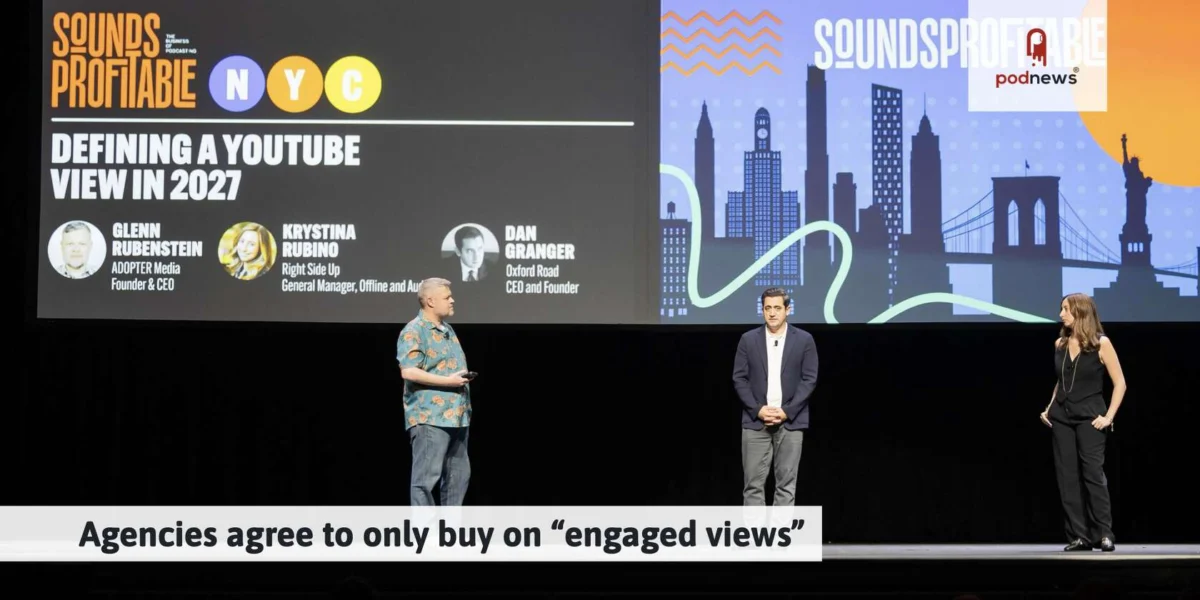
A significant shift is underway in the digital advertising landscape, with a growing consensus among major agencies to prioritize advertising placements based on "engaged views" rather than mere impressions. This move, spearheaded by industry bodies and embraced by leading advertising conglomerates, signals a profound re-evaluation of how advertising effectiveness is measured and purchased. The underlying principle is to move away from vanity metrics that inflate reach without guaranteeing audience attention, towards a model that values genuine viewer interaction. This transition is poised to reshape the dynamics between advertisers, publishers, and technology platforms, potentially leading to a more transparent and accountable advertising ecosystem.

The Genesis of "Engaged Views"
The concept of "engaged views" is not entirely new, but its widespread adoption and formalization represent a critical turning point. Historically, advertising metrics have been dominated by impressions – the number of times an ad is displayed. While impressions provide a sense of reach, they offer little insight into whether an ad was actually seen, let alone considered by the viewer. This ambiguity has often led to concerns about ad fraud, wasted ad spend, and a disconnect between reported reach and actual campaign performance.
The initiative to define and enforce "engaged views" as a purchasing standard has been a multi-faceted effort, involving extensive discussions and collaborations between key industry stakeholders. Organizations such as the Interactive Advertising Bureau (IAB) have been instrumental in developing frameworks and guidelines to define what constitutes an "engaged view." These definitions typically involve criteria such as a minimum duration of viewing time, whether the ad was audible (for video), and in some cases, user interaction with the ad. The core idea is to ensure that advertisers are paying for audiences that are not just exposed to an ad, but are actively processing it.

A Shift in Purchasing Power
The implications of this industry-wide agreement are far-reaching. For advertisers, it promises a more efficient allocation of marketing budgets, with a greater likelihood of achieving tangible campaign objectives. By focusing on engaged views, brands can expect to see improved brand recall, message comprehension, and ultimately, conversion rates. This data-driven approach to ad buying moves beyond broad reach and delves into the quality of audience attention, a crucial factor in today’s increasingly cluttered media environment.
Major advertising holding groups, including those representing a substantial portion of global ad spend, have publicly committed to this new standard. This collective agreement signifies a powerful shift in purchasing power, compelling publishers and platforms to adapt their offerings and reporting mechanisms to align with these demands. The pressure is now on for platforms to provide verifiable data on engaged views, fostering a more transparent and accountable supply chain.

Publisher and Platform Adaptations
For publishers and ad tech platforms, the transition to an "engaged views" model necessitates significant adjustments. This includes the development and implementation of more sophisticated measurement tools and reporting dashboards. The ability to accurately track and report on user engagement with advertisements will become a key differentiator. Platforms that can provide robust and independently verifiable data on engaged views are likely to gain a competitive advantage.
This shift also has implications for content creation. Publishers may be incentivized to produce content that naturally captures and retains audience attention, as this is more likely to lead to engaged ad views. The quality of the viewing experience, including ad load and ad format, will become even more critical. The pressure to demonstrate engagement could also lead to innovations in ad formats that are less intrusive and more interactive, thereby fostering a better user experience.

Addressing Ad Fraud and Transparency Concerns
A significant driver behind the move to "engaged views" is the ongoing battle against ad fraud and the demand for greater transparency in the digital advertising ecosystem. Impression-based metrics have historically been susceptible to fraudulent activity, where bots or other artificial means generate fake impressions that are then billed to advertisers. By focusing on genuine user engagement, the industry aims to make such fraudulent practices more difficult and less profitable.
The focus on "engaged views" also aligns with broader industry efforts to improve supply chain transparency. Advertisers have long sought greater clarity on where their money is going and what they are receiving in return. A standardized approach to measuring and purchasing engaged views can help to demystify the complex digital ad supply chain, providing a clearer picture of ad performance and reducing the potential for hidden fees or opaque transactions.

The Road Ahead: Challenges and Opportunities
While the agreement to prioritize "engaged views" represents a significant step forward, the path to full implementation will not be without its challenges. Standardization across different platforms and measurement methodologies will require ongoing collaboration and agreement. Defining "engagement" itself can be nuanced, and industry bodies will need to ensure that definitions are clear, consistent, and widely accepted.
Furthermore, the technical infrastructure required to accurately measure and report on engaged views at scale will need to be robust and reliable. This may involve investments in new technologies and data analytics capabilities for both publishers and ad tech providers. The transition may also require a period of adjustment for media buyers and sellers as they adapt to new metrics and reporting standards.

However, the opportunities presented by this shift are substantial. A more accountable and transparent advertising market can foster greater trust between all stakeholders. Advertisers can be more confident in the effectiveness of their campaigns, publishers can command higher prices for genuinely engaged audiences, and consumers can potentially experience a more relevant and less intrusive advertising environment. The move towards "engaged views" is not just a technical adjustment; it’s a fundamental reorientation of the digital advertising industry towards value and genuine impact.
Expert Perspectives and Industry Reactions
Industry analysts and thought leaders have largely welcomed this development. Sarah Jones, a senior analyst at Digital Media Insights, commented, "This is a necessary evolution. For too long, the industry has been chasing the illusion of reach, often at the expense of actual impact. Focusing on engaged views is a critical step towards ensuring that advertising spend is delivering real value and driving meaningful results for brands."

The sentiment is echoed by media executives. Mark Thompson, Chief Marketing Officer at Global Brands Inc., stated, "We are fully supportive of this initiative. It aligns with our strategic objective of maximizing the return on our advertising investments. We expect this shift to lead to a more efficient marketplace where quality of attention is paramount."
Publishers, while acknowledging the need for adaptation, also see the potential benefits. "We are committed to providing advertisers with the most valuable audiences," said Emily Carter, Head of Ad Sales at Digital News Network. "This means investing in our ability to measure and report on true engagement, and we believe this will ultimately lead to stronger partnerships and more effective campaigns for our clients."

Impact on the Advertising Ecosystem
The ramifications of this shift extend to the broader advertising technology landscape. Demand for advanced analytics and verification tools is likely to increase. Companies that specialize in measuring viewability, attention, and engagement metrics will be well-positioned to benefit. The emphasis on data integrity and transparent reporting will likely drive further innovation in areas such as identity resolution and audience segmentation, ensuring that engaged views are tied to verifiable individuals.
Moreover, the move could influence the types of advertising formats that gain prominence. Interactive ads, those with clear calls to action, and video content designed to hold viewer attention may see increased investment. Conversely, less engaging formats, such as static banner ads with low completion rates, might see their value diminish in the eyes of advertisers.

A Timeline of Change
While the announcement signifies a broad agreement, the full transition to purchasing based on engaged views will be a phased process. Industry bodies have indicated that the development of standardized measurement frameworks and reporting protocols will be a priority over the next 12-18 months. Early adopters among agencies and platforms are already beginning to pilot these new purchasing models.
Key Milestones:

- Current Stage: Broad industry agreement and commitment from major agencies and holding groups.
- Next 6-12 Months: Development and refinement of standardized definitions and measurement methodologies by industry consortiums. Pilot programs and testing of new reporting systems by leading platforms and agencies.
- 12-24 Months: Wider adoption of "engaged views" as a primary purchasing metric. Increased demand for advanced analytics and verification tools. Potential recalibration of pricing models based on engagement metrics.
- Beyond 24 Months: "Engaged views" becomes the industry norm, with impression-based buying relegated to a secondary or supplementary metric. Continued evolution of engagement metrics and a focus on the quality of the advertising experience.
Conclusion: Towards a More Accountable Future
The industry’s collective decision to prioritize "engaged views" marks a pivotal moment in the evolution of digital advertising. It signifies a maturation of the market, moving beyond superficial metrics to embrace a more meaningful and accountable approach to advertising effectiveness. By focusing on genuine audience attention, this shift promises to deliver greater value for advertisers, foster greater transparency, and ultimately contribute to a healthier and more sustainable digital advertising ecosystem for all participants. The journey ahead involves collaboration, innovation, and a shared commitment to redefining what success looks like in the world of digital media.
