


The discourse surrounding influence, long dominated by frameworks emphasizing lasting and ethical practices, is evolving. A recent exchange on professional networking platform LinkedIn has brought to the forefront a more profound perspective: the concept of "Loving and Eternal" influence as a superior aspiration. This nuanced view, articulated by influence expert Brian Ahearn, challenges conventional thinking by suggesting that genuine impact stems not from what one stops doing, but from a fundamental internal shift in becoming.
The catalyst for this deeper exploration was a question posed by LinkedIn connection Reyes Castillo, who sought practical application of Ahearn’s "Loving and Eternal" approach in coaching scenarios. Castillo inquired, "I’m curious how that shows up in your actual coaching. What’s the first thing someone usually has to stop doing once they start asking what’s best for the other person instead of what’s allowed?" This query probes the actionable steps involved in moving beyond a compliance-based ethical standard to one rooted in genuine care and well-being for the influenced party.
Ahearn’s response, cultivated during a reflective morning walk, reframed the starting point of this transformative process. He posited that the shift doesn’t begin with cessation of negative behaviors, but rather with a proactive cultivation of a different internal state, a process of "becoming." This internal transformation, he argues, is the bedrock upon which truly impactful influence is built.
Influence Rooted in Internal Transformation
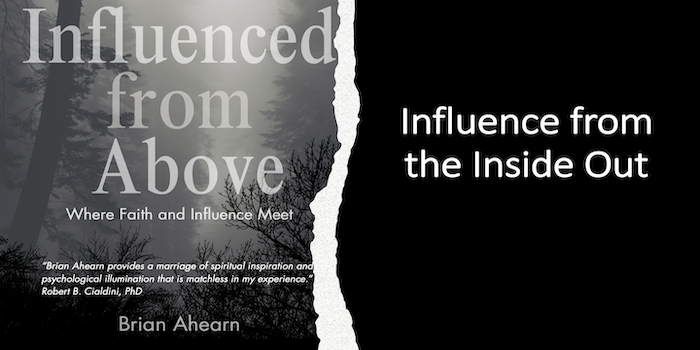
The principle of "influence from the inside out" is central to Ahearn’s philosophy. He draws parallels to foundational teachings, such as the biblical admonition to cleanse the inside of a cup before the outside, and the analogy of a healthy tree bearing good fruit. These illustrations underscore a universal truth: the outward manifestations of our actions are largely a reflection of our internal disposition and character. This perspective suggests that genuine change in how one influences others is not merely a matter of adopting new techniques, but of cultivating a deeper, more authentic inner self.
This internal shift, Ahearn contends, precedes any external behavioral modification. It is a change in attitude that then naturally informs and shapes actions. To illuminate this point, he references Dr. Robert Cialdini’s well-established principles of influence, particularly the principle of Liking. This principle posits that individuals are more predisposed to agree with requests from people they know and like.
However, Ahearn identifies a common misinterpretation of this principle. Many, upon learning about the power of liking, immediately ask, "How can I get people to like me?" He asserts this is a backward approach. Instead, he advocates for a reversal of focus: "Instead of trying to get people to like you, start looking for reasons to genuinely like them."
The Reciprocal Power of Genuine Liking
The psychological underpinnings of this approach are significant. Research in social psychology consistently demonstrates that positive regard is reciprocal. When an individual actively seeks out commonalities or offers sincere compliments, it not only fosters a sense of connection but also reciprocally increases their own positive feelings toward the other person. This is supported by studies on interpersonal attraction, which highlight shared interests and positive evaluations as key drivers of liking. For instance, a 2015 study published in the Journal of Personality and Social Psychology found that individuals who actively sought out similarities with others reported higher levels of personal satisfaction and stronger interpersonal bonds.
Ahearn elaborates on this dynamic: if one probes for similarities, common ground is likely to be discovered. Similarly, by consciously observing and appreciating admirable qualities in another, opportunities for genuine compliments arise. While the outward behaviors – asking questions, offering praise – might appear identical whether the motivation is self-serving (to be liked) or other-centered (to genuinely like), the internal driver is fundamentally different.
The critical transformation, Ahearn explains, occurs within the influencer. Their attention shifts from their own desire for approval to an authentic interest in the other person. This subtle yet profound internal repositioning is often perceptible to the recipient. When individuals sense that they are genuinely liked and valued, trust deepens. This heightened trust is a crucial component of ethical and effective influence, as it leads others to believe that the influencer has their best interests at heart, akin to the implicit trust one places in a friend. This is the essence of "influence from the inside out."
Ethical Versus Loving Influence: A Higher Standard
The distinction between "Lasting and Ethical" influence and "Loving and Eternal" influence is further clarified by examining the underlying questions that guide each approach. Ethical influence, a widely recognized and valuable framework, prompts crucial considerations: "Is what I’m doing honest? Is it appropriate? Am I respecting the other person’s freedom to choose?" These questions are foundational for ensuring that influence is exercised responsibly and without coercion. Decades of research and practice in areas like consumer psychology and negotiation underscore the importance of these ethical guardrails.
However, love, as Ahearn defines it in the context of influence, elevates the standard by introducing a more profound inquiry: "Do I genuinely want what’s best for this person?" This question moves beyond mere compliance and appropriateness to a genuine concern for the well-being and optimal outcome for the individual being influenced. This represents a significantly higher bar for influence, demanding a level of empathy and altruism that transcends transactional interactions.
The challenge, as Ahearn points out, lies in the subtle divergence of internal motivations that can lead to identical outward actions. Two individuals might employ the exact same communication strategies, ask the same questions, and utilize similar influence principles. Yet, their underlying intentions can differ vastly. One might be driven by the singular goal of securing a "yes," a desire to achieve a specific outcome for themselves. The other, however, might be motivated by a genuine wish to guide the individual toward the most beneficial decision for them.
The Implications of Internal Motivation
The implications of this internal divergence are far-reaching. While the external presentation may appear the same, the underlying energy and authenticity of the interaction are profoundly different. In fields ranging from sales and marketing to leadership and public policy, the long-term effectiveness of influence is increasingly tied to the perceived integrity and genuine concern of the influencer. A 2020 report by the Edelman Trust Barometer, for example, highlighted that trust, built on perceived competence and ethical behavior, is a critical factor in consumer and public engagement. When influence is perceived as manipulative or self-serving, it erodes trust and ultimately undermines lasting impact.
Ahearn’s argument suggests that transitioning from ethical influence to loving influence is not about acquiring a new set of persuasive tactics. Instead, it is about undergoing a fundamental shift in character and identity. It is about "becoming a different kind of person." When the internal landscape changes – when genuine care and a desire for the other’s well-being become the primary drivers – then the outward behaviors naturally align with this evolved inner state. This internal congruence is what fosters deeper trust and more sustainable, positive outcomes.
Re-evaluating the Path to Influence
This paradigm shift prompts a re-evaluation of the initial question posed by Reyes Castillo. Rather than focusing on what behaviors to cease, Ahearn suggests a more fundamental inquiry: "Who am I becoming, and what do I genuinely want for the person I’m trying to influence?" This introspective approach encourages individuals to examine their core motivations and their evolving identity as influencers.
The potential impact of this reframing is significant across various professional domains. In leadership, it can foster more empowering and supportive work environments, leading to increased employee engagement and productivity. In sales and customer service, it can build long-term loyalty and advocacy rather than short-term transactions. In personal relationships, it can cultivate deeper connections and mutual respect.
Ahearn’s work, drawing upon the foundational principles of Dr. Cialdini, emphasizes that ethical influence is a necessary, but not sufficient, condition for truly profound and positive impact. The evolution towards "Loving and Eternal" influence represents a call to a higher standard of engagement, one that prioritizes genuine human connection and well-being. As Ahearn actively seeks feedback from those he has coached, the ongoing dialogue about this nuanced approach to influence promises to shape how professionals and individuals alike navigate their interactions, striving for impact that is not only effective but also deeply humane and enduring.
Brian Ahearn, Chief Influence Officer at Influence PEOPLE and a faculty member at the Cialdini Institute, is a globally recognized expert in the science of ethical influence. Personally trained and endorsed by Dr. Robert Cialdini, Ahearn is one of a select few Cialdini Method Certified Trainers worldwide. His published works, including the acclaimed book Influence PEOPLE, have garnered significant recognition, and his online courses and TEDx Talk have reached hundreds of thousands globally, underscoring his commitment to disseminating practical and ethical influence strategies.
