

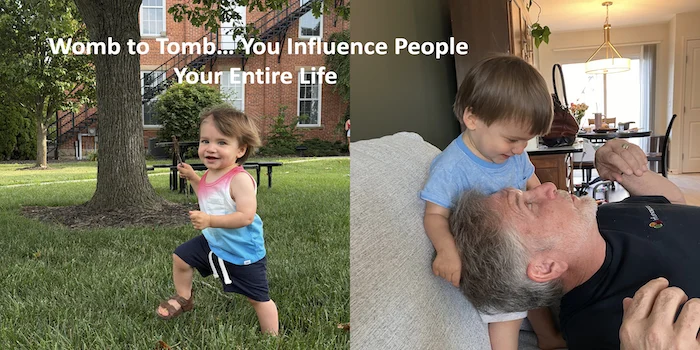
Influence is not a niche skill reserved for sales professionals or seasoned negotiators; it is a fundamental aspect of human interaction, present from the earliest moments of life to its final stages. This pervasive nature of influence was recently highlighted by Brian Ahearn, Chief Influence Officer at Influence PEOPLE, who argues that understanding and ethically wielding this skill is critical for both professional success and personal happiness. Ahearn’s insights, drawn from his extensive work in the science of ethical influence, underscore that a significant portion of our daily lives is dedicated to persuading, convincing, and influencing others.
The Pervasive Reach of Influence
Research cited by Ahearn, notably from Dan Pink’s book To Sell Is Human, indicates that the average American worker spends approximately 40% of their workday attempting to influence others in ways unrelated to direct sales. This figure rises even higher for individuals in sales roles. This statistic suggests that the ability to effectively communicate and persuade is not a peripheral competency but a core requirement across a vast spectrum of professions. "Influence isn’t something a few people do," Ahearn emphasizes. "It’s something all of us do—far more often than we realize."
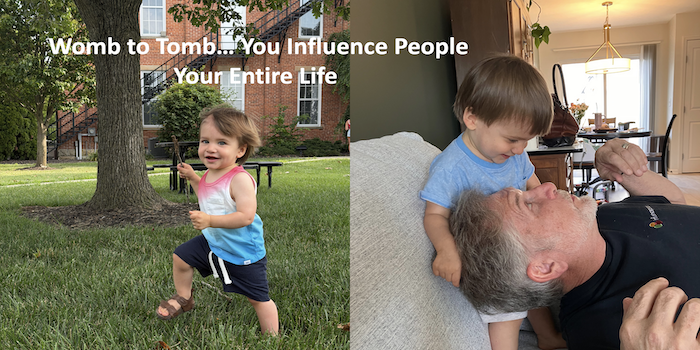
A compelling personal anecdote shared by Ahearn illustrates this point vividly through the experiences of his 17-month-old grandson, Emmett. Even before Emmett possessed the ability to form words, he instinctively employed influence to communicate his needs. His cries, whether for hunger, discomfort, or a desire for affection, compelled his caregivers—parents, grandparents—to decipher his requirements and respond accordingly. This foundational form of influence, devoid of vocabulary or negotiation skills, demonstrates how infants can alter the thoughts, feelings, and behaviors of those around them.
As Emmett has grown, his methods of influence have evolved. His mother, Abigail, an American Sign Language major, began teaching him simple signs. Now, when Emmett is frustrated, he can sign "more" in response to a question about wanting additional food, or "help" when he is struggling with a task. These early forms of communication, facilitated by ASL, allow him to articulate his needs more effectively, making interactions smoother and more productive for all involved. This progression highlights how influence is not merely about achieving one’s own goals but about fostering understanding and enabling informed decision-making by others.
Influence as Communication with Purpose
Ahearn differentiates influence from manipulation, defining it as "communication with purpose." It is about enabling others to understand our needs, values, or beliefs, thereby facilitating their ability to make informed decisions. This process is not confined to childhood; it continues throughout life.
A poignant example of enduring influence comes from the final days of Jane’s father, who passed away shortly before his 99th birthday. Despite his physical frailty and difficulty speaking, he continued to exert influence through his expressions, gestures, presence, and the evident love he shared with his family. This demonstrates that influence can manifest in myriad subtle yet powerful ways, transcending verbal communication.
This lifelong continuum of influence leads Ahearn to pose a critical question to his audiences: "Wouldn’t you agree; much of your professional success and personal happiness depends on hearing ‘yes’?" This rhetorical query underscores the direct correlation between effective influence and achieving desired outcomes, whether in professional endeavors like leading teams or serving customers, or in personal relationships such as raising children or navigating client negotiations.
The Science and Ethics of Influence
Ahearn’s work is deeply rooted in the scientific principles of persuasion, drawing heavily from the research of Dr. Robert Cialdini, a leading figure in social psychology. Cialdini’s work identifies universal principles that govern human behavior and decision-making, providing a framework for understanding why people say "yes." Ahearn, as one of a select group of Cialdini Method Certified Trainers, has been personally trained and endorsed by Cialdini, bringing a rigorous, evidence-based approach to the practice of influence.
The core tenet of ethical influence, as espoused by Ahearn and Cialdini, is not about coercion or manipulation but about fostering mutually beneficial outcomes. "The good news is that ethical influence isn’t about getting your way," Ahearn states. "It’s about understanding people well enough to communicate in ways that benefit everyone involved." This approach emphasizes building trust, fostering understanding, and ensuring that all parties feel respected and valued in the interaction.
Implications for Professional and Personal Development
The implications of mastering ethical influence are far-reaching. In the professional realm, individuals who can effectively persuade and collaborate are more likely to achieve leadership roles, drive innovation, and foster positive work environments. For organizations, cultivating a culture of ethical influence can lead to improved customer satisfaction, stronger client relationships, and enhanced team performance.
The statistics supporting the importance of influence in the workplace are substantial. A report by LinkedIn found that "communication skills" are consistently ranked among the top five most in-demand skills by employers globally. This broad category encompasses persuasion, negotiation, and the ability to articulate ideas clearly and compellingly. Furthermore, research in organizational psychology suggests that leaders who excel at influencing their teams are more effective at motivating employees, managing change, and achieving strategic objectives.
In the context of sales, the direct link between influence and revenue generation is undeniable. Studies have shown that sales professionals who employ ethical persuasion techniques not only close more deals but also build longer-lasting customer relationships. A 2022 study by the Sales Management Association found that companies with highly effective sales enablement programs, which often include training in influence and persuasion, saw an average increase of 15% in sales performance.
Beyond the workplace, the ability to influence plays a crucial role in personal well-being. Effective communication in family relationships, community engagement, and even everyday social interactions contributes to stronger bonds, greater understanding, and a more fulfilling life. The ability to express needs clearly, to be heard, and to reach agreements are fundamental to healthy interpersonal dynamics.
A Call to Action and Continued Engagement
Brian Ahearn’s mission, through his books, LinkedIn Learning courses, articles, keynote presentations, and workshops, is to empower individuals and organizations to harness the power of ethical influence. His first book, Influence PEOPLE, was recognized as one of the 100 Best Influence Books of All Time by Book Authority, underscoring its impact and relevance. His subsequent works, Persuasive Selling and Influenced from Above, have also achieved bestseller status.
Ahearn’s LinkedIn Learning courses have garnered over 850,000 views, demonstrating a widespread interest in developing these critical skills. His TEDx Talk on pre-suasion, a concept related to influencing decisions before they are even made, has surpassed a million views, indicating a significant public appetite for understanding the nuances of influence.
For organizations seeking to enhance their effectiveness and achieve greater success, Ahearn extends an invitation: "If you and your organization could benefit from hearing ‘yes’ more often, let’s start a conversation to see how I can help." This call to action is rooted in the belief that by applying the principles of ethical influence, businesses can foster environments where collaboration thrives, objectives are met, and positive outcomes are consistently achieved.
Ahearn also actively seeks to engage with his audience, posing the question: "When did you first realize that influence wasn’t just something salespeople do, but something we all use every day?" This question encourages reflection and shared learning, reinforcing the idea that influence is an inherent, universal human trait that, when understood and ethically applied, can profoundly enhance our lives and professional journeys. The journey of influence, from the first cry of a newborn to the final whispers of life, is a testament to its fundamental role in the human experience.
