

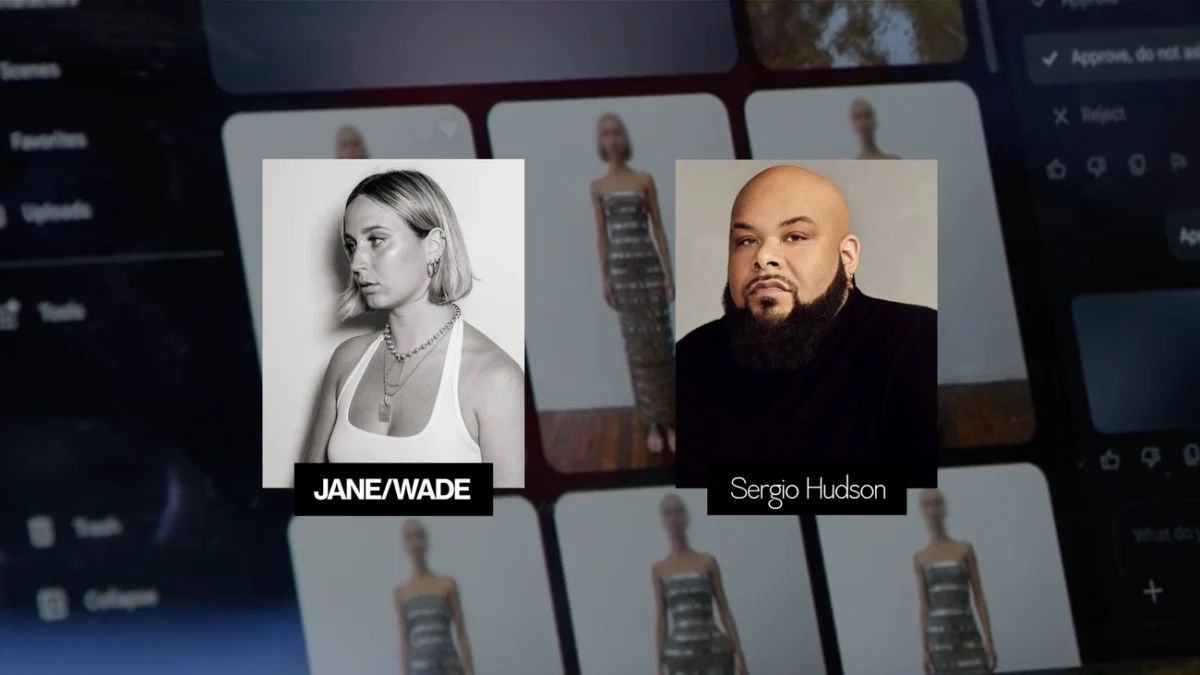
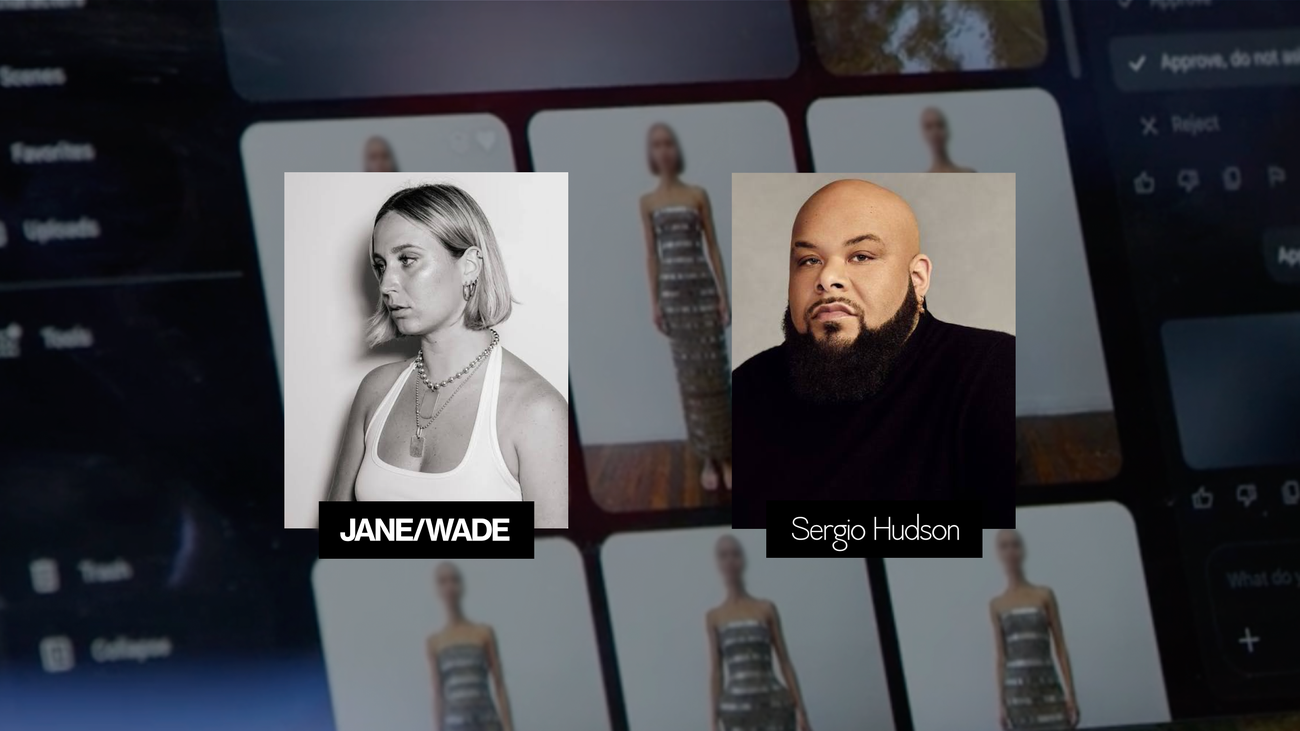
The intersection of high fashion and cutting-edge technology reached a new milestone during the most recent New York Fashion Week (NYFW), as Google’s Envisioning Studio and Google Labs unveiled a collaborative project designed to solve the most persistent logistical hurdles facing modern designers. By leveraging Google Flow, an AI-powered creative studio, independent designers Jane Wade and Sergio Hudson moved beyond traditional design methods to integrate custom-built artificial intelligence tools into their creative workflows. This initiative marks a significant shift in the fashion industry, transitioning AI from a speculative novelty used for generating surreal imagery into a functional utility that streamlines production, reduces costs, and maximizes creative output.
For the modern independent designer, the reality of the industry often clashes with the public perception of the creative process. While the runway represents the pinnacle of artistic expression, the weeks leading up to a show are typically consumed by a mountain of administrative and logistical burdens. According to industry reports, lead designers at independent labels spend as much as 70% of their time managing factory communications, vendor logistics, and administrative paperwork, leaving a mere fraction of their schedule for actual garment construction and aesthetic refinement. The Google collaboration sought to reclaim this lost time, providing Wade and Hudson with bespoke tools that addressed their specific pain points: styling efficiency and runway production budgeting.
The Evolution of Creative Workflows: From Sketch to Simulation
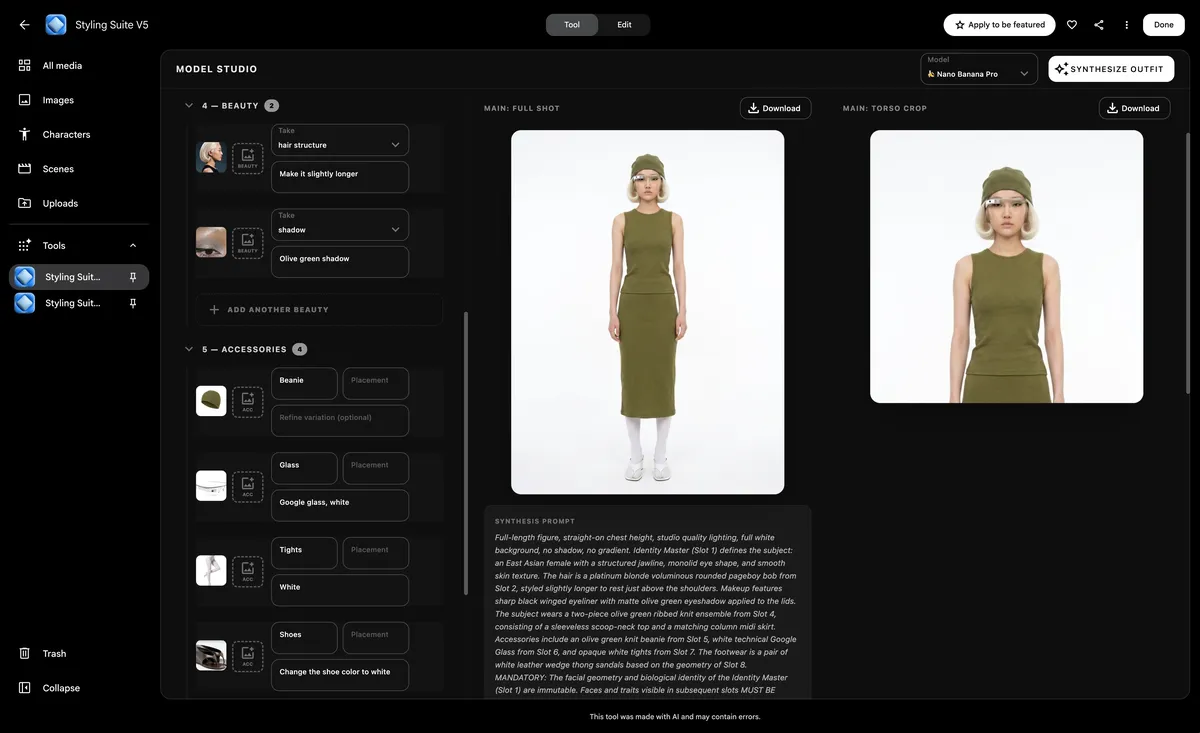
The traditional workflow for a New York Fashion Week collection is notoriously rigid and resource-intensive. Once a collection is designed, it must be physically sampled, cast on live models, and styled through multiple rounds of fittings. This process is not only expensive but also time-consuming, often requiring a full design team to dedicate three to five days solely to "looks" and "fittings." To address this, Google engineers worked alongside Jane Wade to develop the "Styling Suite," a tool within the Google Flow ecosystem.
The Styling Suite allowed Wade’s team to map every facet of her runway looks digitally. By utilizing digital models, the tool enabled the curation of hair, makeup, accessories, and footwear in a virtual environment. The primary innovation of the Styling Suite was its ability to provide a holistic view of the collection before a single piece of fabric was cut for the final samples. This virtual balancing act allowed Wade to identify gaps in her collection—such as a missing accessory or a look that felt disconnected from the seasonal theme—long before the high-pressure environment of the backstage dressing room. By moving the "styling" phase into a digital-first environment, the tool effectively compressed three days of physical labor into a fraction of that time, allowing the team to focus on the craftsmanship of the garments themselves.
Financial Sustainability and the Runway Visualization Tool
While Jane Wade focused on the garments, Sergio Hudson utilized Google Flow to tackle the immense financial and logistical challenges of show production. In the high-stakes environment of NYFW, the cost of a runway show can range from $100,000 to well over $1 million, depending on the venue, lighting, and production complexity. A significant portion of this budget is often lost to "revision friction"—the cost associated with changing a set design, lighting plot, or model path after the initial 3D renderings have been completed.

Traditionally, every time a designer wants to see how a different lighting setup or a new prop might look on stage, a production crew must generate a new, expensive 3D rendering. Hudson’s co-developed tool, "Runway Visualization," eliminated this back-and-forth. By simulating the venue in a real-time AI environment, Hudson was able to adjust lighting, swap props, and reconfigure the model walking paths instantly. This allowed him to experiment with the viewer experience while staying strictly within his studio budget. The tool provided a sandbox where the financial implications of creative choices were visible in real-time, ensuring that the final production was both artistically sound and fiscally responsible.
A Chronology of Collaboration: From Lab to Runway
The development of these tools followed a structured timeline that began months before the first model stepped onto the catwalk. The project was initiated by Google’s Envisioning Studio, a division tasked with exploring how emerging technologies can be applied to real-world creative industries.
- Discovery Phase (6 Months Pre-Show): Google engineers conducted deep-dive interviews with independent designers to identify the "friction points" in the NYFW cycle. The consensus was clear: the administrative burden was stifling creativity.
- Development and Prototyping (4 Months Pre-Show): Using Google Flow, the teams began building tools using natural language processing. Because Google Flow allows users to describe a desired workflow in plain English, the designers could provide feedback directly to the software without needing to understand the underlying code.
- Integration and Testing (2 Months Pre-Show): Wade and Hudson began integrating the Styling Suite and Runway Visualization tools into their actual seasonal planning. This phase was critical for "grounding" the AI in reality, ensuring the digital outputs matched the physical capabilities of their factories and venues.
- Implementation (NYFW Week): The final results were showcased during the September collections in New York, where the efficiency gains allowed for smoother backstage operations and more polished runway presentations.
Supporting Data: The Impact of AI on Fashion Logistics
The implications of this technology extend far beyond the two designers involved. The fashion industry is currently undergoing a digital transformation driven by the need for greater efficiency and sustainability. Data from McKinsey & Company suggests that generative AI could add between $150 billion and $275 billion to the profits of the apparel, fashion, and luxury sectors in the next three to five years.
The Google Flow project highlights several key areas where this value is realized:
- Time Reduction: The transition from three-day physical fittings to virtual styling represents a 60-70% reduction in pre-production time for styling teams.
- Waste Mitigation: By identifying "missing elements" digitally, designers can avoid the production of unnecessary physical samples, which is a major contributor to the industry’s environmental footprint.
- Democratization of Production: Tools like Runway Visualization lower the barrier to entry for independent designers who lack the massive budgets of heritage European fashion houses, allowing them to produce world-class shows with limited resources.
Industry Responses and Expert Analysis
The reaction from the fashion community has been one of cautious optimism. While there is a historical fear that AI might "replace" the designer’s hand, the Google Flow initiative emphasizes "co-creation." Yeawon Choi, a UX Designer at Google’s Envisioning Studio, noted that the goal was never to automate the design itself, but to "streamline the creative workflow process," allowing the human designer to remain firmly in the driver’s seat.
Industry analysts suggest that this project marks the end of the "pilot mode" for AI in fashion. For years, AI has been used to create marketing copy or "concept art" that could never be manufactured. The Wade and Hudson collaboration proves that AI can be a "blue-collar" tool—one that does the heavy lifting of logistics, budgeting, and spatial planning. By handling the "administrative nightmare," AI allows the designer to return to the essence of their craft: the silhouette, the textile, and the story.
Broader Implications for the Future of Design
The success of the Google Flow tools at New York Fashion Week points toward a future where "bespoke software" is as common in a fashion atelier as a sewing machine. The ability to build custom tools using natural language—no coding experience required—means that even the smallest independent labels can now access the kind of logistical power previously reserved for global conglomerates.
Furthermore, this technology addresses the growing demand for "agility" in fashion. As consumer trends move faster than ever, the ability to virtually style and stage a collection in days rather than weeks gives designers the flexibility to react to cultural shifts in real-time. It also opens the door for more diverse voices in fashion; when the cost of entry is lowered through technological efficiency, the industry becomes more accessible to designers from varied socioeconomic backgrounds who might otherwise be priced out of the NYFW circuit.
As the fashion industry looks toward the next season, the focus is shifting from "what can AI draw?" to "what can AI do?" The collaboration between Google, Jane Wade, and Sergio Hudson provides a definitive answer: AI can provide the structural support that allows human creativity to flourish. By eliminating the friction between a designer’s vision and the final runway show, technology is not just changing how clothes are presented; it is changing how they are conceived, styled, and brought to life in a competitive global market. For those looking to follow in these footsteps, Google has made the Flow platform available for creators to build their own bespoke tools, signaling a new era of open-source innovation in the world of high design.
