

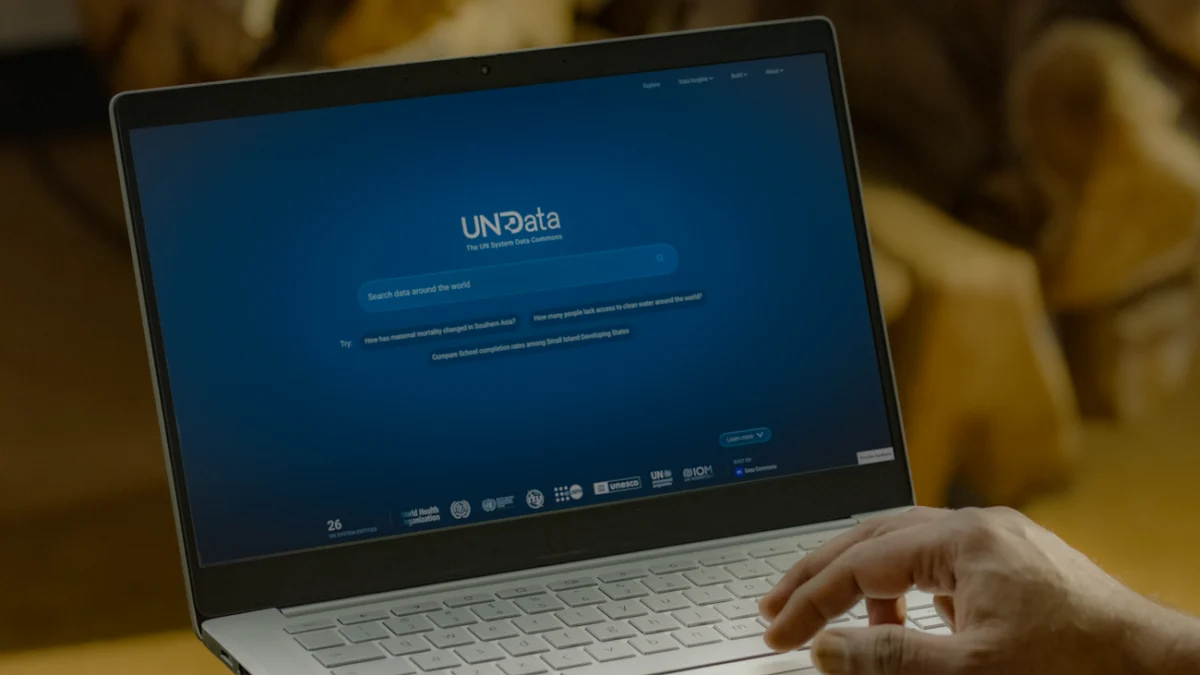
The United Nations system has officially launched the UN System Data Commons, a sophisticated, AI-integrated platform designed to unify the world’s most critical statistical information into a single, searchable digital architecture. Developed in a strategic partnership with Google and supported by the UN Foundation, this open-source initiative represents a paradigm shift in how international organizations manage, share, and analyze the vast quantities of data required to address 21st-century global challenges. By transitioning from fragmented, siloed databases to a cohesive "knowledge graph," the UN aims to provide researchers, policymakers, and the public with a real-time window into global progress across a multitude of sectors, including public health, economic development, and environmental sustainability.
For decades, the United Nations has served as the world’s primary clearinghouse for high-integrity data. Various agencies—ranging from the World Health Organization (WHO) and UNICEF to the World Bank and the International Labour Organization (ILO)—collect exhaustive statistics to monitor everything from maternal mortality rates to carbon emissions and literacy levels. However, these datasets have historically existed in isolation, often formatted in incompatible structures that made cross-agency analysis a grueling, manual process. Data analysts frequently spent months standardizing spreadsheets and reconciling conflicting geographic boundaries before actual analysis could begin. The UN System Data Commons addresses this "data friction" by automating the integration of metrics, timelines, and regional definitions, allowing for immediate cross-domain insights.
A Technological Leap: The AI-Ready Knowledge Graph
At the core of the UN System Data Commons is the concept of a knowledge graph, a technology popularized by Google to map relationships between different entities rather than simply storing data points in a table. In the context of the UN, this means that a single query regarding "child poverty" can automatically pull and connect data from UNICEF regarding nutrition, from the ILO regarding parental employment, and from the WHO regarding health outcomes in specific regions.
This interconnectivity is powered by the Data Commons framework, an open-source project initiated by Google to organize the world’s public data. By utilizing the Model Context Protocol (MCP), the platform ensures that its data is "AI-ready." This allows generative AI models and autonomous AI agents to interact directly with the UN’s authoritative figures. Unlike standard large language models that may "hallucinate" or provide outdated information, AI agents connected to the Data Commons are grounded in verified, official facts. They can autonomously fetch data, generate comparative charts, and even draft comprehensive reports based on the most recent statistics available, significantly reducing the administrative burden on humanitarian and policy researchers.
Chronology of Development and Strategic Support
The roadmap for the UN System Data Commons has been shaped by an increasing urgency to meet the 2030 Agenda for Sustainable Development. The Sustainable Development Goals (SDGs), adopted by all UN Member States in 2015, established 17 interconnected goals requiring precise tracking. However, as the 2030 deadline approaches, many experts have noted a "data gap" that hinders the ability to pivot strategies effectively.
The project began as a collaborative effort to bridge this gap through digital modernization. Google.org provided critical funding and technical expertise to the UN Foundation to facilitate the transition of legacy systems into the modern Data Commons format. Prem Ramaswami, Head of Data Commons, has emphasized that the goal is to "democratize access" to high-quality data, ensuring that a local NGO in a developing nation has the same analytical power as a major international think tank.
In its current launch phase, the platform already hosts a significant portion of the UN’s most vital statistics. The timeline for the project remains ambitious: the UN system intends to continue integrating datasets from dozens of additional entities over the next two years. The stated objective is to have 80% of all UN system statistical datasets fully integrated into the Commons by 2027, creating the most comprehensive and accessible repository of global human activity ever assembled.
Empowering Research through Natural Language and Agentic AI
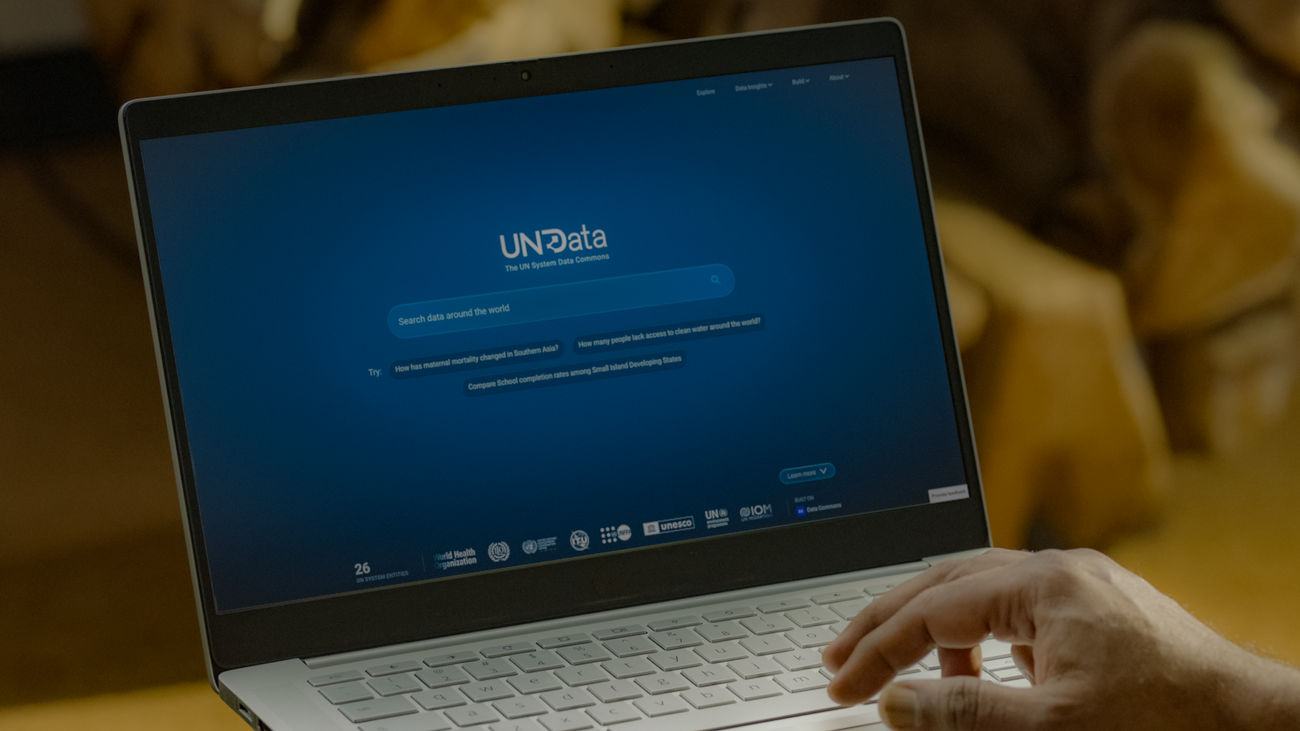
One of the most transformative aspects of the UN System Data Commons is its focus on user accessibility through natural language processing. Traditionally, accessing UN data required a high degree of technical literacy and an understanding of specific database nomenclature. The new platform allows users to query the system in plain language. A journalist might ask, "How has the correlation between female education and infant mortality changed in Sub-Saharan Africa over the last decade?" The system then identifies the relevant variables across different agency datasets, performs the temporal analysis, and provides a visualization of the trend instantly.
Beyond simple queries, the platform introduces "agentic" research capabilities. These are AI-driven assistants capable of executing complex workflows. For instance, a policy analyst tasked with preparing a briefing on the impact of climate change on agricultural yields in Southeast Asia no longer needs to hunt for individual data points. They can prompt an AI assistant to "find the last five years of rainfall data from the FAO, cross-reference it with rice production statistics, and generate a report highlighting the most vulnerable provinces." While the system emphasizes that human review remains essential for citing critical figures, the time saved in the data-gathering phase is expected to be revolutionary for the sector.
Supporting Data and Real-World Applications
The necessity of this platform is underscored by the sheer volume of data the UN manages. Currently, the UN system tracks hundreds of indicators across 193 member states. In the realm of poverty eradication, for example, the Data Commons has already been utilized to highlight "what works." By integrating UNICEF data, the platform’s blog section has released insights into successful interventions in child poverty, demonstrating how specific policy changes in one region might be modeled in another.
Furthermore, the platform addresses the issue of geographic and temporal standardization. Different agencies often use different names for the same region or different start dates for fiscal years. The Data Commons backend resolves these discrepancies automatically, ensuring that when a user compares "health spending" to "life expectancy," the data points are accurately aligned in time and space. This level of precision is vital for evidence-based policymaking, where small statistical errors can lead to significant misallocations of resources.
Institutional Responses and Global Implications
The launch has drawn praise from digital advocates and international policy experts who view it as a necessary step toward "Digital UN," a broader initiative to modernize the organization’s technological infrastructure. Representatives from the UN Foundation have noted that the project is not just about technology, but about fostering a culture of transparency and collaboration. By making the platform open-source, the UN ensures that the technology can be audited, improved upon, and even adopted by individual governments to manage their own national statistics.
The implications for global governance are profound. In an era of "post-truth" politics and misinformation, the UN System Data Commons serves as a centralized "source of truth." By providing a direct, AI-enhanced link to official statistics, the platform makes it more difficult for data to be taken out of context or manipulated. It provides a shared factual foundation for international negotiations, climate summits, and humanitarian responses.
Future Outlook: Toward 2027 and Beyond
As the UN moves toward its 2027 goal of 80% integration, the platform is expected to evolve with new features, including predictive modeling and more robust geospatial mapping. The integration of more granular data—such as satellite imagery for environmental monitoring or high-frequency economic indicators—could further enhance the platform’s utility.
The UN System Data Commons is currently accessible to the public at data.un.org. As more datasets are added, the platform will likely become the primary tool for anyone seeking to understand the state of the world. By lowering the barriers to data exploration, the UN and Google have created a resource that does more than just store numbers; they have built a system that translates raw data into the actionable knowledge required to navigate an increasingly complex global landscape. The success of this initiative will ultimately be measured by the quality of the solutions it helps inspire, as leaders around the world gain the ability to see the "big picture" of global development more clearly than ever before.
