

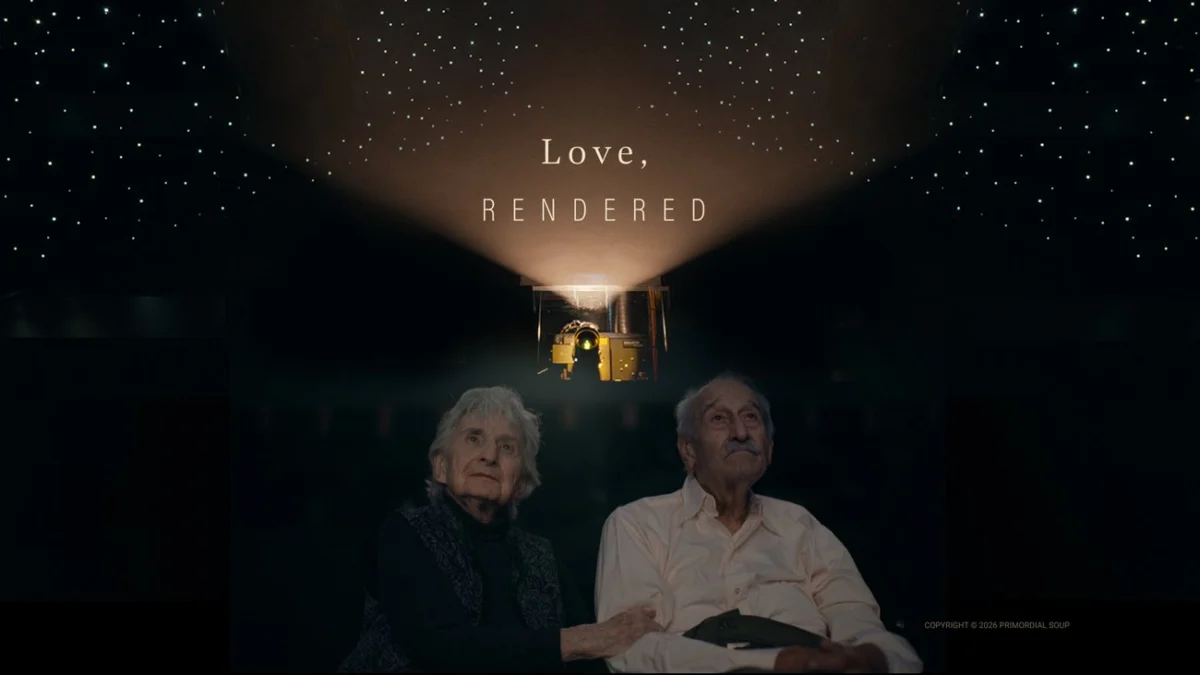
As global populations age and the prevalence of cognitive decline increases, the film arrives at a critical juncture in the conversation regarding the role of digital tools in elder care and legacy preservation. By synthesizing historical accuracy with generative capabilities, the production team has effectively created a new medium for reminiscence therapy, allowing individuals to "re-experience" moments that previously existed only in the fading synapses of the human brain.
The Narrative Core: Reconstructing the Shatz Legacy
At the heart of the documentary are Burt and Ethelle Shatz, whose relationship began more than 70 years ago. The central challenge of the film was the reconstruction of the day they first met at a student co-operative in Cleveland. While the couple’s life together was long and storied, this foundational moment occurred in an era before the ubiquity of personal cameras and digital archives. For Burt, who is currently navigating the complexities of cognitive decline, the memory of that day had begun to lose its sharpness, threatening to disappear entirely.
The filmmakers sought to do more than just tell the story; they aimed to visualize it with a degree of specificity that would resonate as "truth" for the subjects. This required a deep dive into the couple’s personal history, using Ethelle Shatz as a primary consultant and "art director" of her own memories. Throughout the production, Ethelle provided granular feedback on the generated visuals, correcting the architecture of a staircase or the specific style of a shoe heel to ensure the AI-generated imagery aligned with her lived experience.
This collaborative process highlights a significant shift in documentary filmmaking. Rather than relying solely on archival footage or traditional dramatic reenactments, Love, Rendered utilizes AI as a responsive tool that can be iteratively refined by the human participants to achieve a higher degree of emotional and historical authenticity.
The Technical Architecture of Memory Reconstruction
The technical execution of the film was led by Michael Chang, an engineer at Google DeepMind, and a team of specialists who viewed the project as both a technical hurdle and a personal mission. The methodology employed a two-part technical approach designed to preserve what the team calls "human essence" while filling in the blanks of unrecorded history.

First, the team utilized advanced image restoration models. These models were trained to take low-resolution or damaged historical photographs of the Shatz family and enhance them, restoring clarity to facial expressions and environmental details. This step was crucial for establishing a visual baseline of what Burt and Ethelle looked like in their youth.
Second, the team applied sophisticated video synthesis models to animate these restored images. This process involved mapping "micro-mannerisms"—the subtle movements of the eyes, the tilt of a head, or the specific way a person smiles—onto the generated figures. By studying contemporary footage of the couple and older family media, the engineers were able to train the models to replicate the unique physical "language" of the subjects.
The result is a hybrid form of media: a "rendered memory" that sits between a photograph and a dream. The technology does not simply create a generic animation; it attempts to synthesize the specific biological and behavioral traits of the individuals, creating a digital twin of a moment that occurred decades ago.
The Science of Reminiscence and Cognitive Decline
The development of Love, Rendered is grounded in the established clinical practice of reminiscence therapy. This therapeutic approach involves the use of sensory triggers—such as music, scents, or visual aids—to help individuals with dementia or Alzheimer’s disease access long-term memories.
According to the World Health Organization (WHO), more than 55 million people worldwide are living with dementia, a number expected to rise to 139 million by 2050. As the medical community searches for ways to improve the quality of life for these individuals, the role of visual stimuli has become increasingly prominent. Liz Garbus, the film’s director, was inspired by the resilience of the human brain, noting that fMRI scans often show significant neural activity when patients in minimally conscious states are exposed to familiar voices or images.
Similarly, Darren Aronofsky’s interest in the project was piqued by the phenomenon of "muscle memory" and emotional resonance in memory-impaired individuals, such as a former ballerina who could still perform choreography when hearing a specific piece of music. Love, Rendered posits that AI-generated visuals can serve as a powerful new trigger in this therapeutic arsenal. By providing a clear, moving image of a cherished memory, the technology may help anchor an individual’s sense of self and connection to their loved ones, even as other cognitive functions decline.

A Timeline of Collaborative Innovation
The journey of Love, Rendered from concept to its premiere at the Telluride Film Festival followed a rigorous development cycle:
- Conceptualization: The creative team at Primordial Soup, led by Darren Aronofsky and Dan Cogan, began exploring the intersection of AI and human memory, eventually partnering with Google DeepMind to provide the technical infrastructure.
- Subject Selection: The Shatz family was identified as the ideal subjects due to their long history and the specific challenges Burt was facing with memory loss.
- Data Gathering: The technical team collected all available family artifacts, including graining black-and-white photos and oral histories provided by Ethelle.
- Model Training and Iteration: Google DeepMind engineers worked through multiple versions of the AI models, using Ethelle’s real-time feedback to refine the visual output.
- Production and Post-Production: The rendered sequences were integrated into the documentary format, juxtaposing the AI-generated "memories" with contemporary footage of the couple.
- Public Debut: The film premiered at the Telluride Film Festival, sparking a broader discussion about the ethical and creative use of AI in the arts.
Ethical Implications and the Future of the "Digital Archive"
The use of AI to recreate the likenesses of real people—particularly those who may not be able to fully consent due to cognitive impairment—raises significant ethical questions. The producers of Love, Rendered addressed these concerns by involving the family at every stage of the process, ensuring that the project remained a tribute rather than an exploitation.
From a journalistic and archival perspective, the film introduces a new category of historical record. Traditionally, a "fact" in a documentary is something that can be verified through existing footage or documents. When AI is used to fill in the gaps, the line between historical fact and "emotional truth" becomes blurred. However, the filmmakers argue that for the purposes of reminiscence and family legacy, the emotional resonance of the image is just as valuable as its literal accuracy.
The project also suggests a future where personal digital archives are dynamic rather than static. Instead of a box of old photos, future generations may possess "generative legacies"—AI models trained on family history that can answer questions, recreate stories, or provide comfort to those dealing with the loss of a loved one.
Broader Impact on the Creative Industry
The success of Love, Rendered has immediate implications for the film and tech industries. It demonstrates that AI is not merely a tool for automation or the creation of "deepfakes," but a sophisticated medium for artistic expression.
For filmmakers, this technology offers a way to bypass the limitations of archival gaps. Historical documentaries can now visualize scenes for which no footage exists without the jarring shift to traditional animation or high-budget reenactments. For the tech industry, the project serves as a high-profile case study for the "human-in-the-loop" approach to AI development, where the technology is guided and constrained by human emotion and memory.
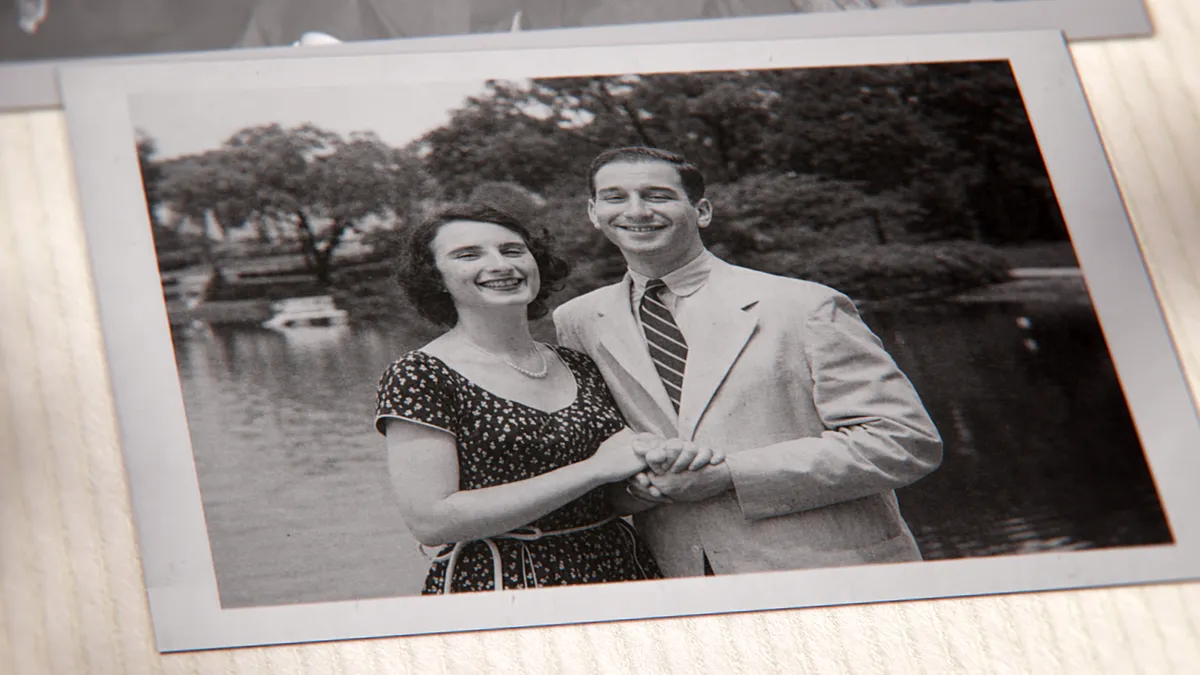
Google has already begun democratizing some of these tools. Features similar to the restoration techniques used in the film are being integrated into consumer-facing products like the Gemini app, allowing everyday users to restore and colorize family photos. This move suggests a shift toward making advanced memory-preservation tools accessible to the general public, potentially changing how families interact with their own histories.
Conclusion: A Tool for Human Connection
Ultimately, Love, Rendered is a testament to the idea that technology is at its most powerful when it serves the most fundamental human needs: the need to remember, to love, and to be known. As Michael Chang noted, the tools used in the film—much like a paintbrush or a hammer—are inert until guided by human hands and hearts.
By recreating the moment Burt and Ethelle Shatz first met, the filmmakers and engineers have done more than produce a technical marvel; they have provided a couple at the end of their lives a way to hold onto the beginning of their story. As the film moves into wider distribution, it stands as a hopeful example of how the digital future might help us preserve the most precious parts of our analog past.
