

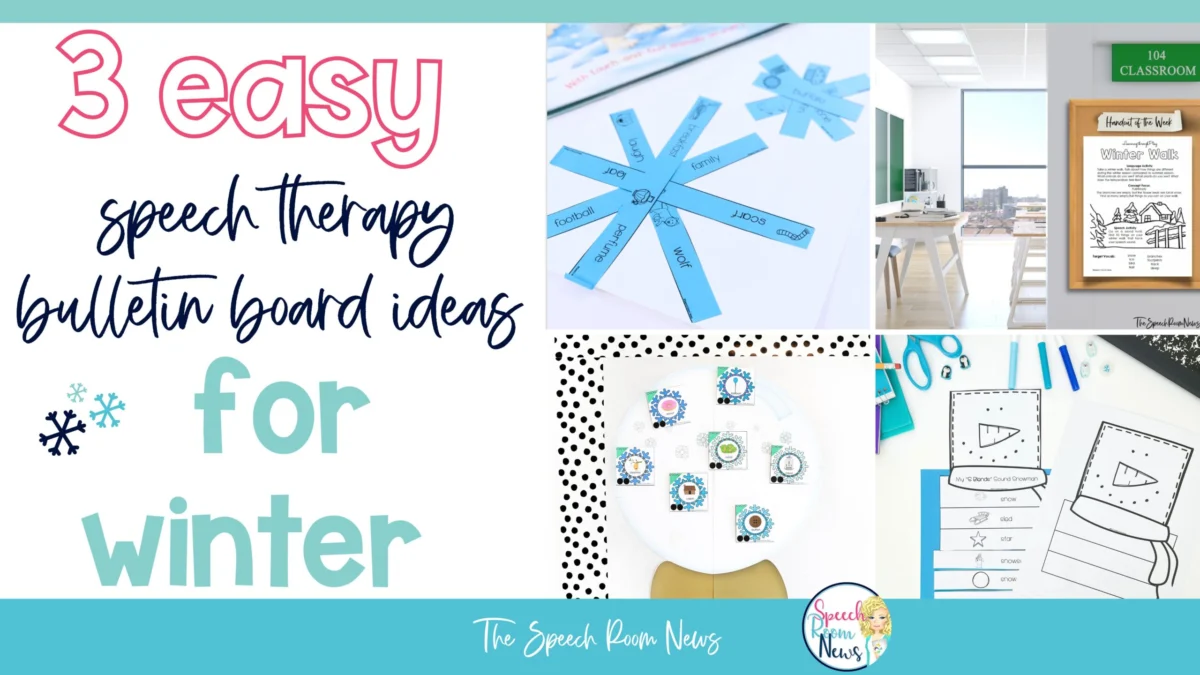
Speech-Language Pathologists (SLPs) are increasingly recognized for their innovative approaches to fostering communication development, often extending beyond traditional clinical settings into dynamic, engaging environments. A growing trend within the field involves the strategic utilization of bulletin boards as multi-faceted therapeutic tools, particularly evident in the deployment of winter-themed displays designed to support a range of speech and language goals. These boards are typically categorized into three distinct types: demonstrative, interactive, and functional, each serving specific pedagogical and therapeutic objectives aimed at maximizing student engagement and facilitating skill acquisition. The application of such visual and tactile resources underscores a commitment to holistic, student-centered therapy that integrates learning into the everyday environment of a therapy room or school hallway.
The broader context of speech-language pathology highlights the critical need for diverse and adaptable intervention strategies. SLPs work with individuals across the lifespan, addressing a spectrum of communication disorders including articulation, phonological processing, language comprehension and expression, fluency, voice, and social communication. In pediatric settings, maintaining student motivation and facilitating the generalization of newly acquired skills are paramount challenges. Research in educational psychology consistently demonstrates that an enriched learning environment, characterized by visual stimuli, opportunities for active participation, and clear connections to real-world applications, significantly enhances learning outcomes. Bulletin boards, when thoughtfully designed, serve as tangible manifestations of these principles, transforming passive spaces into active learning zones. They provide constant visual reminders of therapeutic targets, celebrate progress, and offer avenues for spontaneous practice, thereby extending the therapeutic impact beyond direct therapy sessions.

The strategic planning and implementation of these thematic bulletin boards often follow a cyclical pattern, aligning with academic calendars and seasonal changes. Many SLPs engage in annual or seasonal planning to ensure a fresh and relevant therapeutic environment. For instance, the beginning of the school year or new semesters frequently sees the introduction of interactive or functional bulletin boards. This approach serves a dual purpose: it familiarizes new students and their families with the scope and nature of speech therapy, demystifying the process and fostering an immediate sense of engagement. By making therapy concepts accessible and exciting, these initial boards help to establish a positive rapport and lay the groundwork for effective intervention. As the year progresses and specific therapeutic goals become more established, demonstrative boards often take prominence, showcasing student achievements and reinforcing learned concepts. This methodical rotation ensures sustained interest and adapts the environment to evolving therapeutic needs.
The Role of Demonstrative Bulletin Boards in Skill Reinforcement
Demonstrative bulletin boards are designed primarily to display student work, celebrating their achievements and providing a visual record of progress. These boards are particularly effective in fostering a sense of pride and ownership among students, encouraging continued effort and reinforcing positive self-perception. The creation of crafts for these boards is not merely an artistic endeavor but an integral part of the therapeutic process, where each step, from cutting to gluing, is paired with speech and language practice.
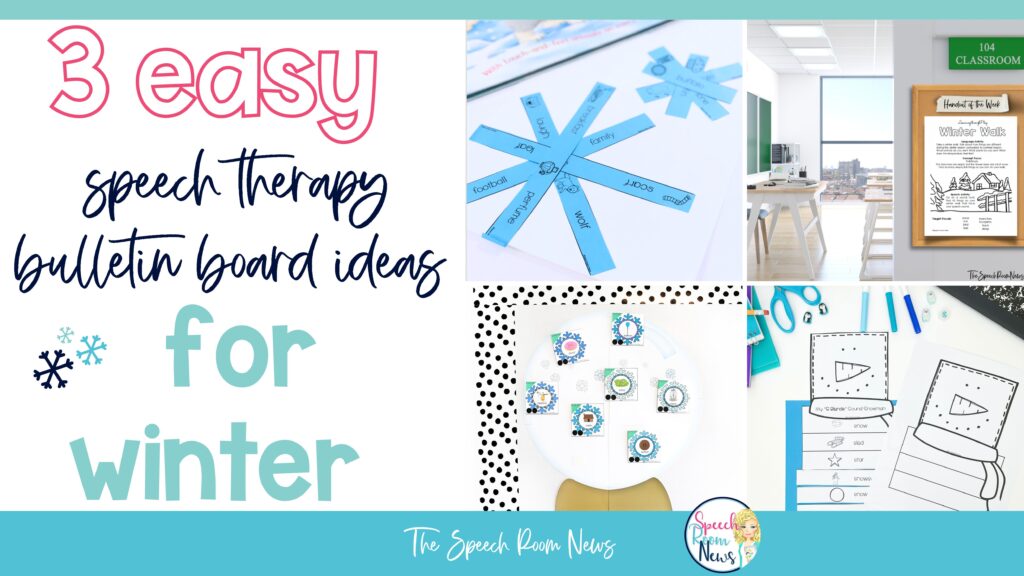
One exemplary winter craft is the "Snowflake Paper Strip Craft." This activity, often described as "fake crafting" due to its simplicity and low-prep requirements, involves students manipulating pre-cut paper strips to form snowflake shapes. The therapeutic benefit lies in the repetitive practice of target words or phrases while performing the fine motor tasks of arranging and gluing the strips. For students working on articulation, each strip placement can be accompanied by the production of a target sound in isolation, syllables, words, or sentences. For language goals, the activity can be used to practice descriptive vocabulary (e.g., "blue strip," "long strip"), sequencing (e.g., "first I glue this, then I glue that"), or following multi-step directions. The use of colored computer paper or, for students with fine motor challenges, cardstock for increased resistance, exemplifies an adaptive approach to ensure accessibility for diverse learners. Once completed, these personalized snowflakes contribute to a vibrant display that showcases collective and individual accomplishments.
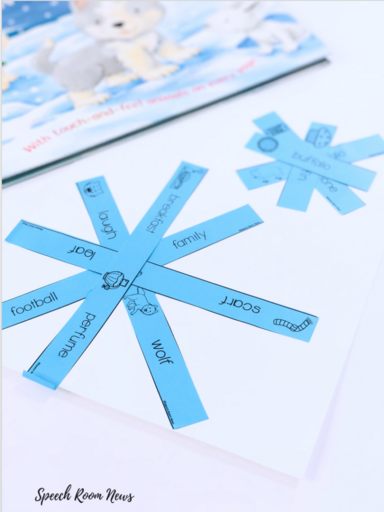
Similarly, the "Snowman Articulation Chop" craft offers another straightforward yet effective demonstrative activity. Students are given two pages relevant to their speech goals, which they then "chop" into strips while practicing target words. These strips are subsequently assembled to form a snowman figure. This activity integrates articulation drill with fine motor skill development (cutting) and sequencing. The act of physically constructing the snowman provides a tangible outcome for their speech practice, enhancing motivation. Adding elements like coloring a carrot nose or creating a construction paper hat further allows for creative expression and additional opportunities for descriptive language. These crafts, while simple in execution, serve as powerful visual anchors for the learned skills, transforming abstract speech sounds into concrete, displayable achievements.
Interactive Bulletin Boards: Engaging Students Beyond the Therapy Room

Interactive bulletin boards transform passive displays into dynamic learning stations, inviting students to physically engage with therapeutic materials. This approach is particularly valuable for reinforcing concepts, providing multisensory input, and encouraging spontaneous practice outside of structured therapy sessions. The kinesthetic engagement inherent in interactive boards supports diverse learning styles and can significantly enhance skill retention and generalization.
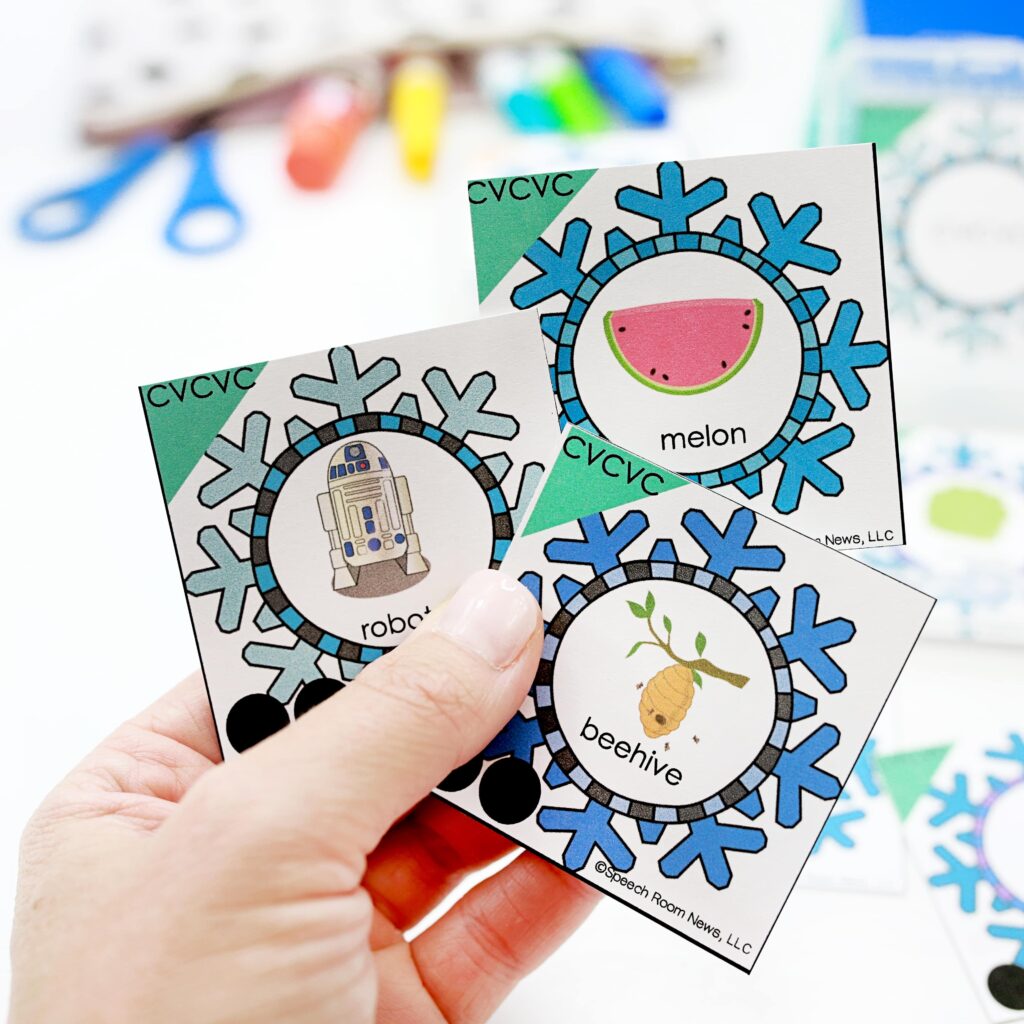
The "Falling Flakes: Apraxia Snowflakes" set is a prime example of an interactive board designed for specific therapeutic needs. Each snowflake card within this set features an image and a corresponding word, along with a crucial black dot in the bottom left corner. These dots serve as visual and tactile cues, representing the number of syllables in the word. Students are encouraged to touch these dots as they produce the sound or word, emphasizing multisensory practice which is vital for children with apraxia of speech. Apraxia involves difficulties with motor planning for speech, and multisensory cues (visual, auditory, tactile, kinesthetic) can significantly aid in establishing consistent motor patterns. The cards are also color and syllable-pattern coded for ease of organization by the SLP. The interactive component involves a large snow globe poster affixed to the bulletin board, equipped with velcro dots. Students attach and remove the snowflake cards from the globe, providing repetitive practice in a playful, engaging manner. This setup not only reinforces target sounds but also encourages motor planning and sequencing in a fun, accessible format.
A complementary resource, "Falling Flakes: Phonology Activities," targets phonological disorders using minimal pairs. Phonological disorders involve patterns of sound errors, and minimal pairs therapy focuses on contrasting words that differ by only one phonological feature (e.g., "pat" vs. "bat") to highlight the communicative impact of sound errors. Similar to the apraxia set, each snowflake card features an image and word, color and pattern coded for organization. The interactive element involves a poster-sized globe with velcro dots, allowing students to add or remove snowflake cards as they practice minimal pairs. This tactile interaction reinforces the auditory discrimination necessary for phonological remediation. By engaging with these boards in hallways or waiting areas, students receive additional, low-pressure practice opportunities, fostering automaticity and transfer of skills to different environments. The inclusion of various winter-themed posters allows for seasonal variety, maintaining student interest throughout the colder months.
Functional Bulletin Boards: Bridging Therapy and Home Environments
Functional bulletin boards serve a crucial role in extending the impact of speech therapy beyond the clinical setting by empowering parents and caregivers with practical strategies for fostering communication skills at home. These boards typically feature educational handouts that translate therapeutic principles into easily implementable activities using common household routines and play scenarios. The underlying philosophy is that consistent, naturalistic practice in familiar environments is paramount for the generalization and maintenance of speech and language skills.
The "Winter Speech and Language Packet: Learning Through Play" exemplifies this functional approach. This resource provides parents with a collection of handouts that outline how to leverage everyday winter activities to enhance communication skills. Rather than prescribing formal drills, these handouts offer creative suggestions for integrating language stimulation into play. For example, during a "Snowball Fight," parents can prompt for vocabulary related to size (big, small), quantity (many, few), actions (throw, duck), and spatial concepts (over, under). Building a "Snowman" can become an opportunity for sequencing (first, next, last), describing attributes (round, white, cold), and practicing requesting. Activities like "Hot Chocolate" can target following directions, sequencing events, and discussing preferences, while "Ice Skating" or a "Winter Walk" can be used to expand vocabulary, practice descriptive language, and engage in conversational turn-taking.
The value of these functional handouts is multifaceted. Firstly, they demystify the therapeutic process, showing parents that supporting their child’s communication development does not require specialized equipment or extensive training but can be seamlessly woven into daily life. Secondly, they promote active parental involvement, which numerous studies have shown to be a significant predictor of positive therapy outcomes. When parents are equipped with practical strategies, they become integral co-therapists, reinforcing skills in natural, motivating contexts. Thirdly, the availability of a "Spanish Winter Speech and Language Packet: Learning Through Play" underscores a commitment to cultural competence and accessibility. Providing resources in a family’s native language removes barriers to understanding and engagement, ensuring that all caregivers, regardless of linguistic background, can effectively support their child’s communication journey. This inclusive approach reinforces the profession’s dedication to serving diverse populations and ensuring equitable access to therapeutic support.
Broader Implications and Professional Ingenuity
The strategic use of demonstrative, interactive, and functional bulletin boards by Speech-Language Pathologists represents more than just decorative additions to therapy spaces; it reflects a sophisticated understanding of pedagogical principles, child development, and the critical role of environmental enrichment in therapeutic success. This approach aligns with evidence-based practices that emphasize multisensory learning, active engagement, and family-centered care.
The implications of these methods extend beyond individual student progress. They contribute to creating a welcoming and stimulating learning community within schools and clinics, fostering a positive perception of speech therapy among students, parents, and even other educational staff. By publicly celebrating student achievements, these boards build self-esteem and encourage peer recognition. By offering interactive elements, they provide informal learning opportunities that can spark curiosity and motivation. By empowering parents with functional strategies, they strengthen the home-school connection and promote carryover of skills into real-world contexts, which is often the most challenging aspect of therapy.
Moreover, the ingenuity displayed by SLPs in developing and adapting these resources highlights the profession’s commitment to resourcefulness and innovation. In environments where budgets or time may be constrained, simple materials like paper strips and velcro can be transformed into powerful therapeutic tools. This adaptability ensures that high-quality, engaging therapy remains accessible and effective. As the field of speech-language pathology continues to evolve, the integration of such creative, low-tech, high-impact strategies will remain a cornerstone of effective intervention, continuously enriching the therapeutic landscape and ultimately enhancing communication outcomes for countless individuals. The dedicated efforts of SLPs in crafting these purposeful displays serve as a testament to their unwavering commitment to their students’ success.
