

Google has officially announced the launch of its Fairwind Program, a strategic initiative designed to grant governments, critical infrastructure providers, and trusted cybersecurity partners early access to advanced artificial intelligence tools specifically optimized for digital defense. This new program represents a significant pivot in the ongoing battle against cyber threats, moving the industry away from reactive posture and toward a model of autonomous, proactive remediation. Led by Four Flynn, Google’s Vice President of Security and Privacy, the Fairwind Program aims to resolve a long-standing "defender’s dilemma" by providing a middle ground between massive, unwieldy frontier AI models and smaller, less capable open-weight systems. At the heart of this launch is the deployment of Gemini 3.8 Flash Cyber, a specialized large language model (LLM) designed to operate in tandem with Google Cloud’s CodeMender harness to identify and repair software vulnerabilities at "agentic scale."
Addressing the Modern Defender’s Dilemma
For years, cybersecurity professionals have faced a difficult choice when attempting to integrate artificial intelligence into their defensive stacks. On one hand, enormous frontier models offer high-level reasoning and sophisticated coding capabilities, but they are often prohibitively expensive to deploy at scale and difficult to integrate securely within a sensitive enterprise codebase. On the other hand, smaller open-weight models are more cost-effective and easier to control, but they frequently lack the specialized reasoning required to handle complex vulnerability remediation. This gap has often forced security teams to build their own infrastructure and tooling from the ground up, a process that is both time-consuming and prone to error.
The Fairwind Program is positioned as the solution to this technical impasse. By offering Gemini 3.8 Flash Cyber—a model specifically tuned for security-related tasks—Google provides defenders with a tool that possesses the reasoning capabilities of a frontier model but operates with the speed and efficiency of a "flash" architecture. When integrated with the CodeMender harness, this system allows defenders to not only find weaknesses but to verify them and generate deployment-ready patches autonomously. This shift from awareness to remediation is critical; while traditional scanners can identify thousands of flaws, the human labor required to fix them often lags weeks or months behind, leaving a "window of exposure" that attackers are eager to exploit.
Technical Architecture: Gemini 3.8 Flash Cyber and CodeMender
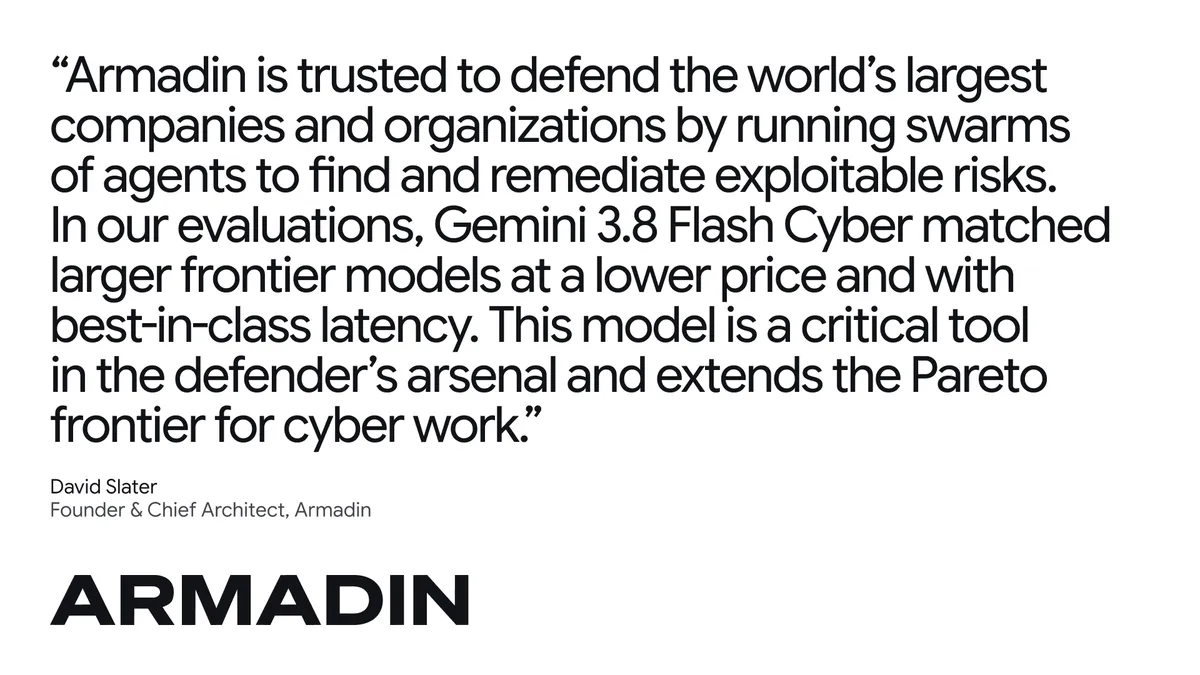
The technical backbone of the Fairwind Program consists of two primary components: the Gemini 3.8 Flash Cyber model and the CodeMender harness. Gemini 3.8 Flash Cyber is a variant of Google’s Gemini family that has been fine-tuned on vast repositories of security data, including vulnerability reports, patch histories, and exploit code. This specialization allows the model to understand the nuances of software vulnerabilities better than a general-purpose AI.
CodeMender acts as the operational environment for this AI. It provides a secure "harness" within a customer’s Google Cloud environment where the AI can analyze code, suggest fixes, and—crucially—validate those fixes through automated testing. By generating verified patches in minutes rather than weeks, the Fairwind Program enables an "agentic" approach to security. This means the AI can act as an autonomous agent, handling the tedious and complex work of software maintenance while human security analysts focus on high-level strategy and incident response. The result is a dramatic reduction in the operating cost of maintaining a secure software development lifecycle (SDLC).

Chronology and the Evolution of Google’s Security Strategy
The launch of the Fairwind Program is the latest milestone in a multi-decade effort by Google to harden the global digital ecosystem. This journey began in earnest with the development of the "Zero Trust" architecture, popularized as BeyondCorp, which shifted security from the network perimeter to individual users and devices. Over the last five years, as AI technology matured, Google began integrating machine learning into its consumer-facing products, using AI to protect billions of Gmail, Search, and Android users from phishing and malware.
The Fairwind Program marks the transition of these internal capabilities into the hands of external partners. In 2023, Google began testing the precursors to Gemini 3.8 Flash Cyber in closed environments. By early 2024, the focus shifted toward "agentic" security—the idea that AI should not just flag problems but solve them. The formal unveiling of Fairwind today represents the culmination of these efforts, providing a structured pathway for governments and enterprises to adopt these tools under a framework of strict operational standards.
Strategic Partnerships and Global Scale
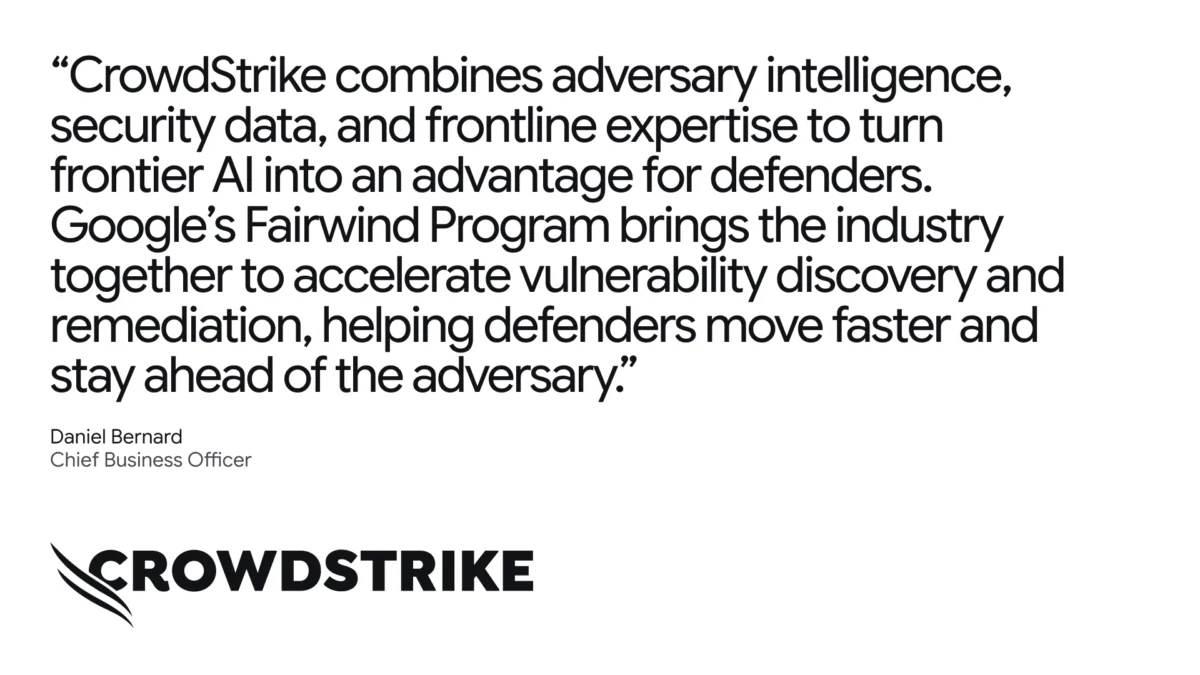
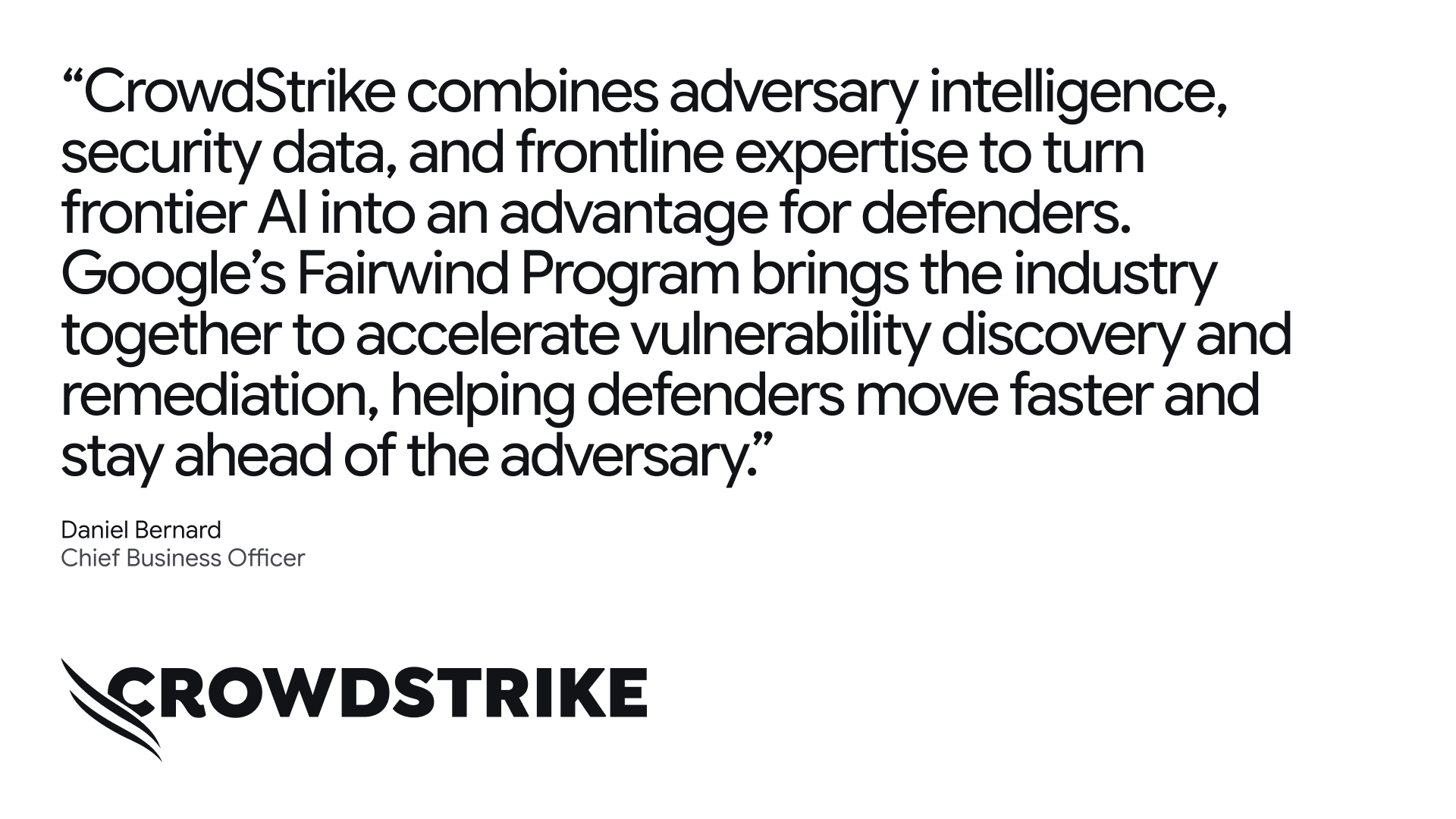
Google’s Fairwind Program is not a solo endeavor; it involves a global ecosystem of more than 650 participating partners. These include some of the most prominent names in the cybersecurity industry, such as CrowdStrike, Palo Alto Networks, Wiz, and Snowflake. These partners are already integrating Gemini 3.8 Flash Cyber into their own platforms, creating a force-multiplier effect that extends Google’s defensive capabilities across various cloud environments and security stacks.
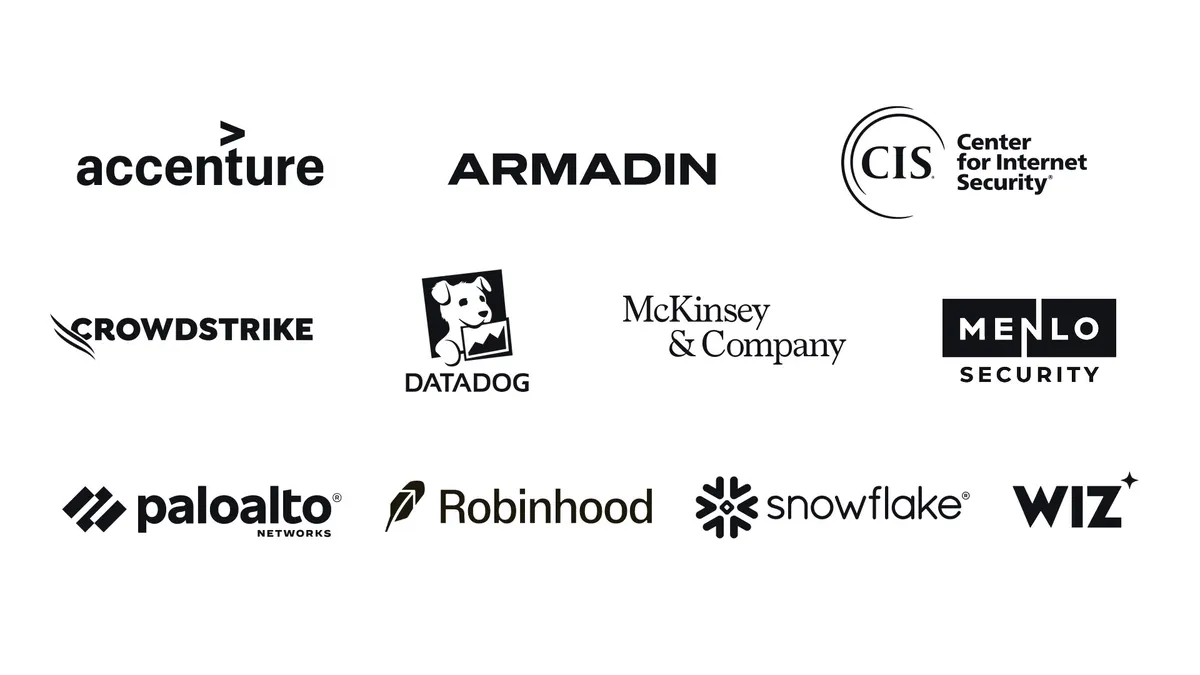
For example, CrowdStrike and Palo Alto Networks are utilizing these models to enhance their threat detection and response capabilities, while Wiz and Snowflake are focusing on securing cloud infrastructure and data warehouses. The involvement of these industry leaders ensures that the benefits of the Fairwind Program are not confined to Google Cloud users alone but are felt across the broader digital landscape.
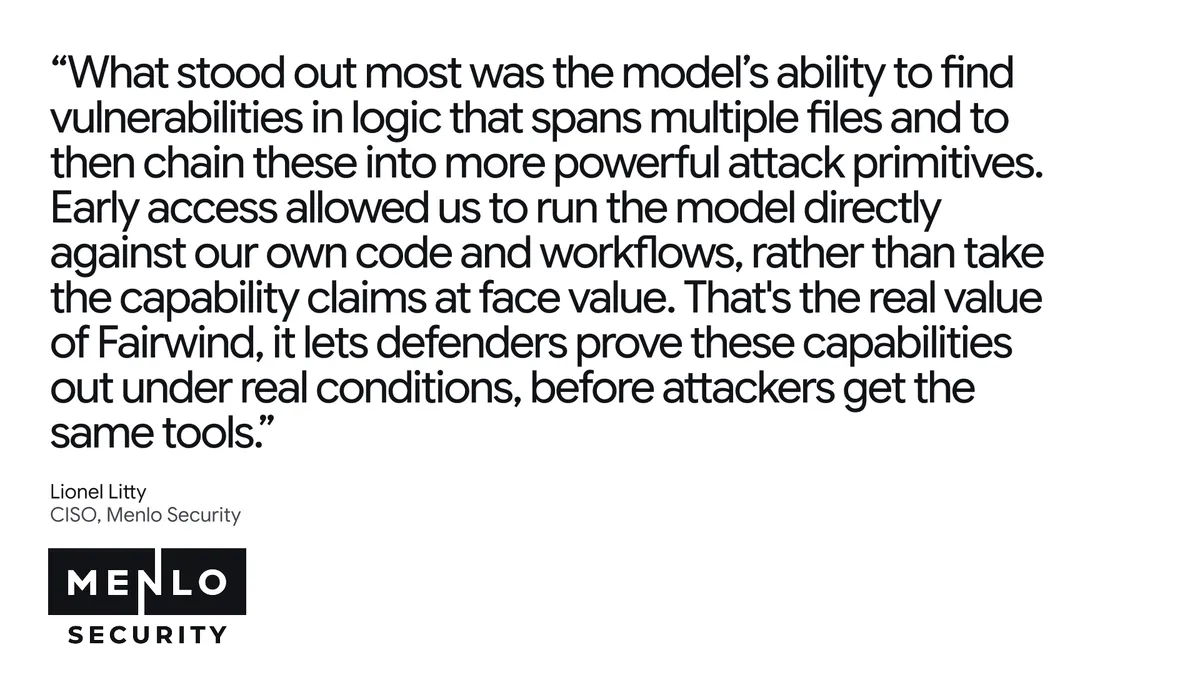
Furthermore, the program is specifically targeting government agencies and organizations responsible for society’s most critical infrastructure. This includes public services, national security organizations, and municipal utilities. By staging initial access for these high-stakes entities, Google aims to provide a "vital adaptation window," allowing defenders to harden their systems before malicious actors can weaponize similar AI capabilities for offensive purposes.
Security Standards and Responsible AI Deployment
Recognizing the power of the tools being released, Google has implemented strict operational standards for all Fairwind Program participants. These safeguards are designed to prevent the misuse of advanced cyber models and ensure they remain in the hands of authorized "trusted defenders."
Participating organizations must agree to:
- Limit access to the models to specific internal teams, such as cybersecurity, incident response, or penetration testing units.
- Deploy robust security protections, including multi-factor authentication (MFA) and strict identity and access management (IAM) controls.
- Operate within a secure cloud environment to ensure that sensitive codebase data is never exposed to the public internet or used to train general-purpose models without consent.
These measures are part of Google’s broader commitment to "Responsible AI," ensuring that the move toward autonomous defense does not inadvertently create new risks.
Social Impact: Google.org and Cybersecurity Clinics
The Fairwind Program is complemented by a significant philanthropic effort through Google.org. Google has announced that its total commitment to global cybersecurity funding has now surpassed $100 million. A major pillar of this commitment is the support of cybersecurity clinics, which provide free, hands-on security support to under-resourced organizations.
According to the newly released 2026 Google.org US Cybersecurity Impact Report, the company has provided $36 million in funding to 35 cyber clinics to date. these clinics have served over 1,250 hospitals, public school districts, and municipal utilities across the United States. By funding these grassroots efforts, Google is addressing the "security gap" that often leaves public sector organizations vulnerable to ransomware and other disruptive attacks. These clinics not only provide immediate security improvements but also help train the next generation of cybersecurity professionals, addressing the global talent shortage in the field.
Analysis of Implications: The Future of Autonomous Defense
The launch of the Fairwind Program signals a fundamental change in the economics of cybersecurity. Historically, the advantage has resided with the attacker; it is far cheaper and easier to find a single flaw than it is to defend an entire enterprise. By introducing autonomous, AI-driven patching, Google is attempting to flip this script.
If vulnerabilities can be found and fixed in minutes at a fraction of current costs, the "window of opportunity" for attackers shrinks significantly. This "agentic-speed" defense is the only logical response to "agentic-speed" threats, where attackers use AI to automate the discovery and exploitation of zero-day vulnerabilities.
However, the move toward autonomous defense also raises questions about the future of the cybersecurity workforce. As AI takes over the "toil" of patching and vulnerability management, the role of the human defender will shift toward higher-level oversight, policy definition, and the management of complex, multi-vector incidents. The Fairwind Program represents an early look at this future—a world where the primary role of the security professional is to direct and audit a fleet of autonomous AI agents.
Conclusion and Future Outlook
The Fairwind Program is expected to evolve as Google gathers feedback from its initial cohort of government and enterprise users. The company has stated that it will continue to adapt its product offerings and expand partner access, seeking a balance between open access for the community and the need for robust security. While Gemini 3.8 Flash Cyber is currently the flagship of the program, Google Cloud customers can already access similar capabilities through the Gemini Enterprise Agent Platform and AI Threat Defense solutions.
As the digital landscape becomes increasingly complex and the threats more sophisticated, the Fairwind Program provides a blueprint for how large technology providers can leverage their scale and expertise to protect global infrastructure. By shrinking the time between detection and remediation, Google is not just offering a new tool; it is attempting to build a more resilient and self-healing internet.
