

In the crucial realm of early intervention speech therapy, picture books have emerged as indispensable tools, profoundly impacting language acquisition and communication skills in young children. These carefully selected literary resources are not merely entertainment but strategically deployed instruments designed to address specific speech and language developmental goals, providing speech-language pathologists (SLPs) with a versatile and engaging medium to facilitate learning. The integration of picture books into therapeutic frameworks underscores a comprehensive approach to language development, fostering an interactive and stimulating environment for children navigating early communication challenges.
Understanding Early Intervention Speech Therapy

Early intervention (EI) in speech therapy represents a proactive and critical approach to addressing speech and language difficulties identified in children during their foundational developmental stages. This specialized therapy typically targets infants and toddlers from birth up to approximately three years of age, a period characterized by rapid cognitive and linguistic growth. During these formative years, the brain exhibits remarkable plasticity, making early identification and intervention profoundly effective in shaping a child’s communication trajectory. The primary objective of EI is to mitigate developmental delays or disorders as early as possible, thereby maximizing a child’s potential for robust communication skills and overall developmental success.
Speech-language pathologists collaborate closely with families and caregivers in this process, recognizing them as integral partners in the therapeutic journey. Individualized treatment plans are meticulously crafted, often designed to seamlessly integrate into a child’s daily routines, which significantly amplifies the consistency and effectiveness of intervention strategies. This family-centered model empowers parents with techniques and knowledge to support their child’s language development beyond the therapy session, reinforcing learned skills in natural contexts.
According to data from the Centers for Disease Control and Prevention (CDC), approximately 1 in 6 children aged 3–17 years in the United States have one or more developmental disabilities, with speech or language problems being among the most common. Research consistently demonstrates that children who receive early intervention for communication disorders show significant improvements in language abilities, often reducing the need for more intensive support later in life. A study published in the Journal of Early Intervention highlighted that timely intervention can lead to better academic outcomes, improved social interactions, and enhanced emotional well-being for affected children.
The Foundational Benefits of Books in Speech Therapy
Books serve as powerful conduits for learning, offering a myriad of benefits that extend beyond simple literacy. For children undergoing speech and language intervention, picture books are particularly potent due to their multimodal nature, combining visual cues with auditory input and opportunities for tactile engagement. This multi-sensory experience is critical for young learners, especially those with developmental delays.
Promoting Language and Vocabulary Development: Picture books systematically expose children to an expansive array of words within meaningful contexts. Through read-aloud sessions and guided discussions, SLPs can introduce new vocabulary, reinforce conceptual understanding, and actively encourage expressive language skills. The repetitive nature of many early childhood books further aids in word recognition and retention. For instance, a book about farm animals not only introduces terms like "cow" and "pig" but also the sounds they make, actions they perform, and their characteristics, building semantic networks crucial for language comprehension.
Enhancing Storytelling and Narrative Skills: Engaging with narrative structures in books is fundamental to developing storytelling abilities. As children follow plots, identify characters, and trace sequences of events, they implicitly learn about story structure, cause-and-effect relationships, and temporal sequencing. These narrative competencies are not merely academic; they are essential for effective communication in everyday life, enabling children to recount experiences, share information, and engage in coherent conversations. SLPs use books to prompt children to predict what happens next, recall details, and describe character emotions, all of which strengthen narrative foundations.
Stimulating Imagination and Creativity: Books transport children into imaginative worlds, fostering creativity, abstract thinking, and problem-solving skills. They encourage children to visualize and describe scenes, characters, and events, thereby promoting rich expressive language and descriptive abilities. This imaginative play, often sparked by storybooks, is a crucial component of cognitive development, allowing children to experiment with language in a low-stakes, engaging manner. Furthermore, books can introduce children to diverse perspectives and experiences, broadening their understanding of the world.
A Chronology of Engagement: How Books Support Development
The application of picture books in early intervention follows a developmental chronology, adapting to the child’s evolving needs and capabilities. Initially, intervention might focus on pre-linguistic skills and early vocabulary, progressing to more complex syntax, narrative development, and social communication.
- Birth to 12 Months (Pre-linguistic and Early Communication): At this stage, books are used to promote joint attention, eye contact, turn-taking, and sound imitation. Interactive elements like peek-a-boo pages or textured components encourage sensory exploration and responsiveness. SLPs focus on pointing to pictures, naming objects, and modeling simple sounds or words.
- 12 to 24 Months (First Words and Simple Phrases): As children begin to acquire their first words, books become invaluable for vocabulary expansion. Repetitive texts, clear illustrations, and opportunities to label familiar objects are prioritized. SLPs use books to target single words, two-word combinations, and early grammatical structures like "big dog" or "more juice."
- 24 to 36 Months (Sentence Expansion and Early Narratives): In this phase, books with slightly more complex plots and characters help children develop longer sentences and rudimentary narrative skills. SLPs prompt children to describe actions, explain simple problems, and recall sequences of events. Books featuring social-emotional themes can also be used to discuss feelings and social cues.
Categories of Picture Books for Early Intervention
The selection of picture books for early intervention is highly intentional, focusing on specific characteristics that align with therapeutic goals. The following categories represent effective choices for SLPs:
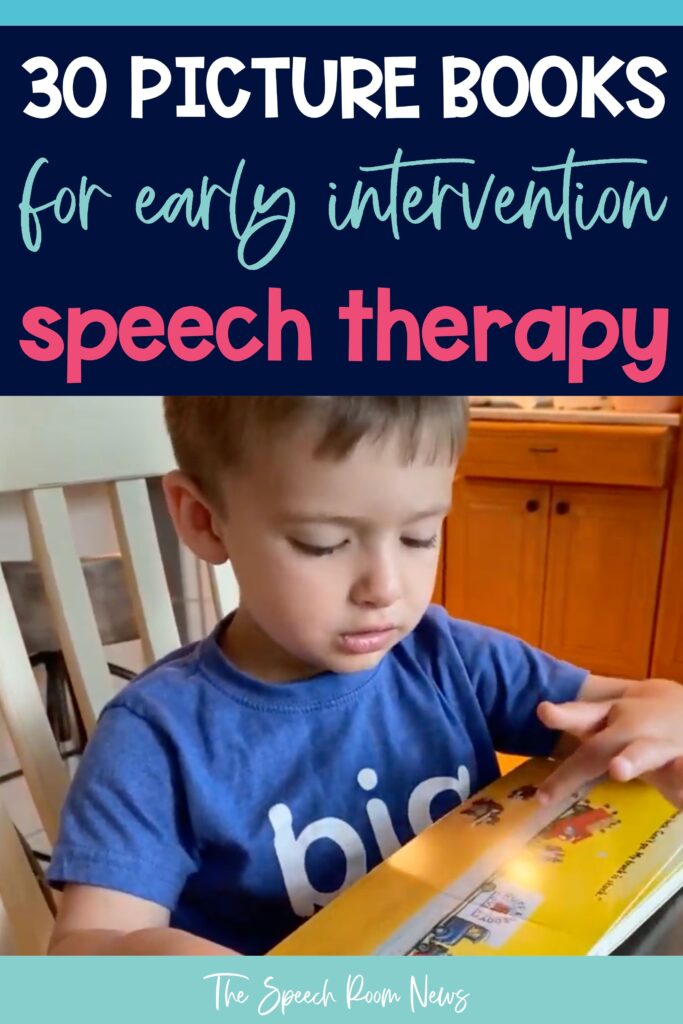
Interactive Books: These books are designed to encourage active participation from the child, increasing attention spans, promoting vocabulary development, and engaging multiple senses. They often feature elements that invite touch, manipulation, or direct response.
- Lift-the-Flap Books: These books engage children in prediction and discovery, providing opportunities to practice object naming and simple questions ("What’s under here?"). The act of lifting the flap can also be used to target fine motor skills and following simple instructions.
- Touch-and-Feel Books: Incorporating various textures, these books stimulate tactile exploration and can be used to introduce descriptive vocabulary (e.g., "soft," "bumpy," "smooth"). They are excellent for children who benefit from sensory input to maintain engagement.
- Sound Books: Books with embedded sound buttons or features allow children to associate sounds with objects or actions, promoting auditory discrimination and sound imitation. They are particularly useful for targeting animal sounds, vehicle sounds, or environmental noises.
- Pop-Up Books: These dynamic books surprise and delight children, fostering excitement and encouraging expressive reactions. They can be used to target exclamations, verbs of action, and spatial concepts.
Durable Books: Built to withstand the rigorous handling of young children, durable books are essential for early intervention settings where materials need to be robust. Their sturdy construction ensures longevity and allows for repeated use without damage.
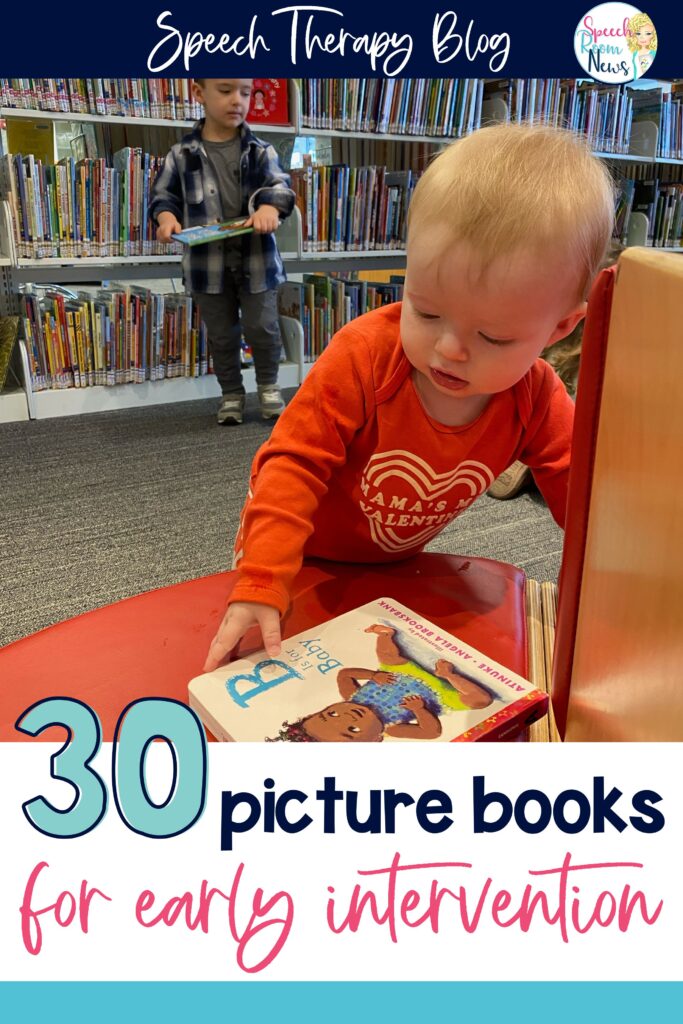
- Board Books: Characterized by thick cardboard pages, board books are virtually indestructible. They are ideal for infants and toddlers who are still developing fine motor skills and may chew or pull at pages. Their durability means SLPs can use them repeatedly without concern for wear and tear, making them cost-effective resources.
- Cloth Books: Made from soft, washable fabric, cloth books are perfect for the youngest learners. They are safe for mouthing and provide a different sensory experience. They often feature crinkly pages or attached teething elements, enhancing engagement.
- Vinyl or Bath Books: Designed to be waterproof, these books are excellent for integrating language activities into bath time or other water-play scenarios. They demonstrate that books can be enjoyed in various environments, expanding learning opportunities.
Board Books with Specific Features: Beyond their durability, many board books incorporate features that are specifically beneficial for language development.
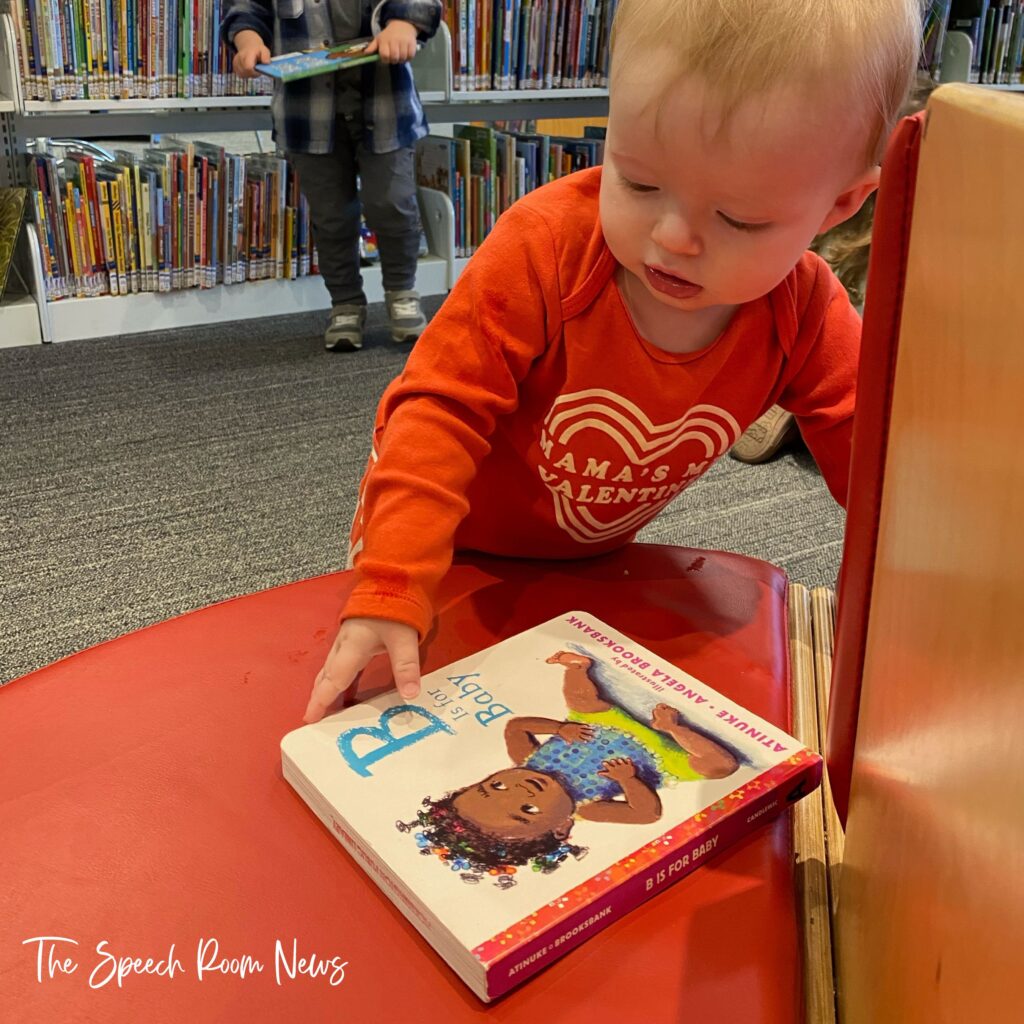
- Repetitive Text and Rhyme: Books with predictable, repetitive phrases or rhyming schemes aid in auditory processing, phonological awareness, and memory recall. Children learn to anticipate words and phrases, building confidence in their emerging language skills. This predictability also makes it easier for parents to engage in shared reading.
- Engaging Pictures: Clear, colorful, and uncluttered illustrations are paramount in board books for early intervention. They help children focus on key objects and actions, facilitating object identification and vocabulary acquisition. Pictures can also serve as visual prompts for storytelling and description.
- Potential for Incorporating Songs: Many board books are adaptations of traditional songs or nursery rhymes, allowing for the integration of music into therapy. Singing engages multiple brain regions, enhances memory, and can make language learning more enjoyable and accessible, particularly for children with limited verbal output.
- Concept Books: These books focus on single concepts such as colors, shapes, numbers, or opposites. They provide structured opportunities to learn and generalize basic concepts, laying the groundwork for more complex cognitive understanding.
- Social-Emotional Books: Simple board books addressing emotions (happy, sad, angry) or social interactions (sharing, saying "please") help young children develop emotional literacy and social communication skills. These are vital for peer interactions and understanding one’s own feelings.
The Role of the Speech-Language Pathologist and Parental Involvement
The effectiveness of picture books in early intervention is profoundly influenced by the expertise of the SLP and the active participation of parents. SLPs act as guides, modeling interactive reading strategies such as pausing to encourage child vocalizations, asking open-ended questions, expanding on child utterances, and connecting book content to real-world experiences. They demonstrate how to use books to elicit specific sounds, words, or grammatical structures relevant to the child’s individualized goals.
Parents and caregivers are then encouraged to replicate these strategies at home, transforming shared reading into a daily opportunity for language enrichment. This collaborative approach ensures that therapeutic gains are generalized across environments and become ingrained in the child’s routine. Organizations like the American Speech-Language-Hearing Association (ASHA) consistently advocate for parent involvement, emphasizing that a child’s home environment is the most powerful learning space. They provide resources and guidelines for parents to integrate literacy activities into daily routines, reinforcing the lessons learned in therapy.
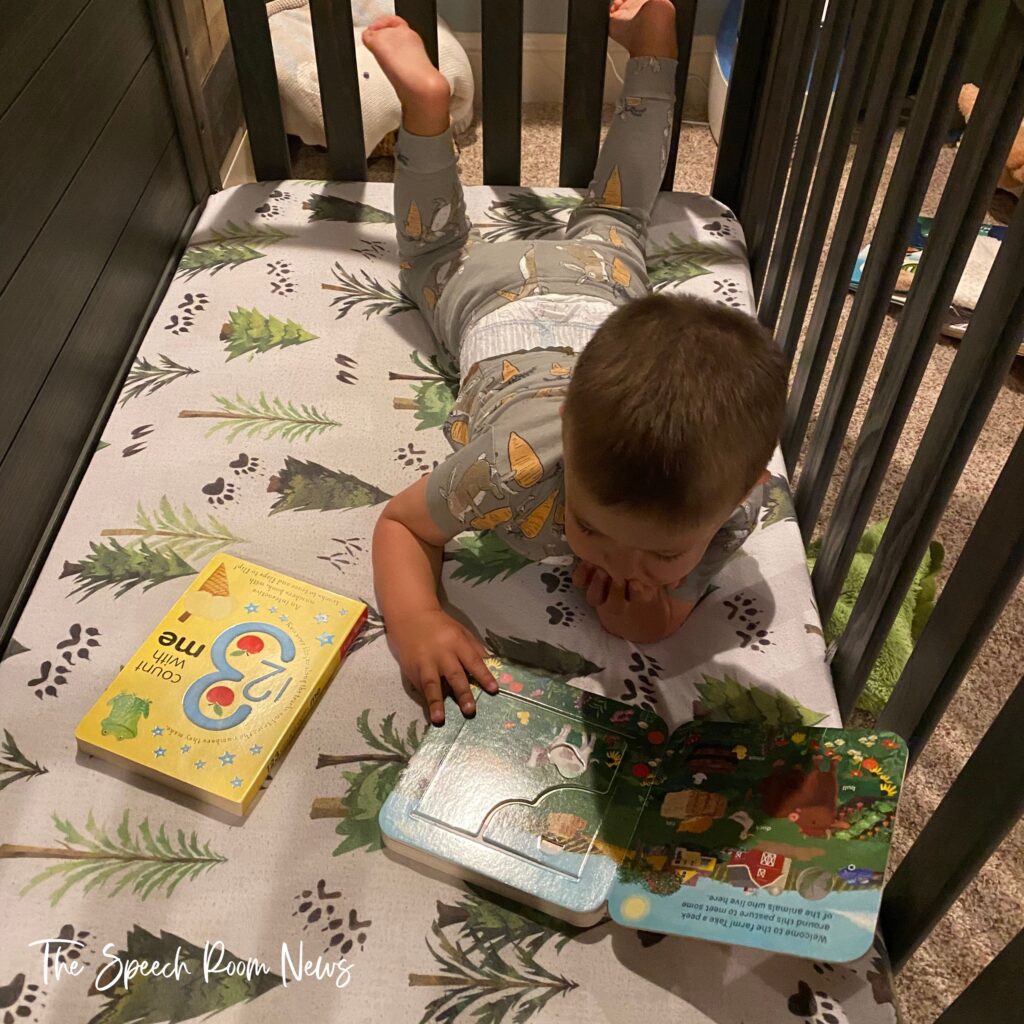
Broader Impact and Implications
The integration of picture books into early intervention speech therapy extends far beyond immediate language gains. It establishes a foundational love for reading, which is a significant predictor of future academic success. Children who are exposed to books early develop stronger pre-literacy skills, including phonological awareness, print awareness, and narrative comprehension, which are critical for learning to read and write.
Furthermore, successful early intervention through engaging mediums like picture books has profound long-term implications for a child’s overall development. Improved communication skills empower children to express their needs, build relationships, and navigate social environments more effectively. This fosters greater self-confidence and reduces potential frustrations associated with communication breakdowns. From a societal perspective, investing in early intervention leads to healthier, more engaged individuals who are better equipped to participate fully in education and community life, potentially reducing the need for more costly remedial services later on.
In conclusion, picture books are far more than simple playthings in early intervention speech therapy; they are meticulously chosen educational instruments. By leveraging their capacity to promote language and vocabulary development, enhance storytelling abilities, and stimulate imagination, speech-language pathologists, in partnership with families, can lay a robust foundation for lifelong communication and learning. This strategic deployment of literacy resources is a testament to the innovative and child-centered approaches driving progress in early childhood development.
