

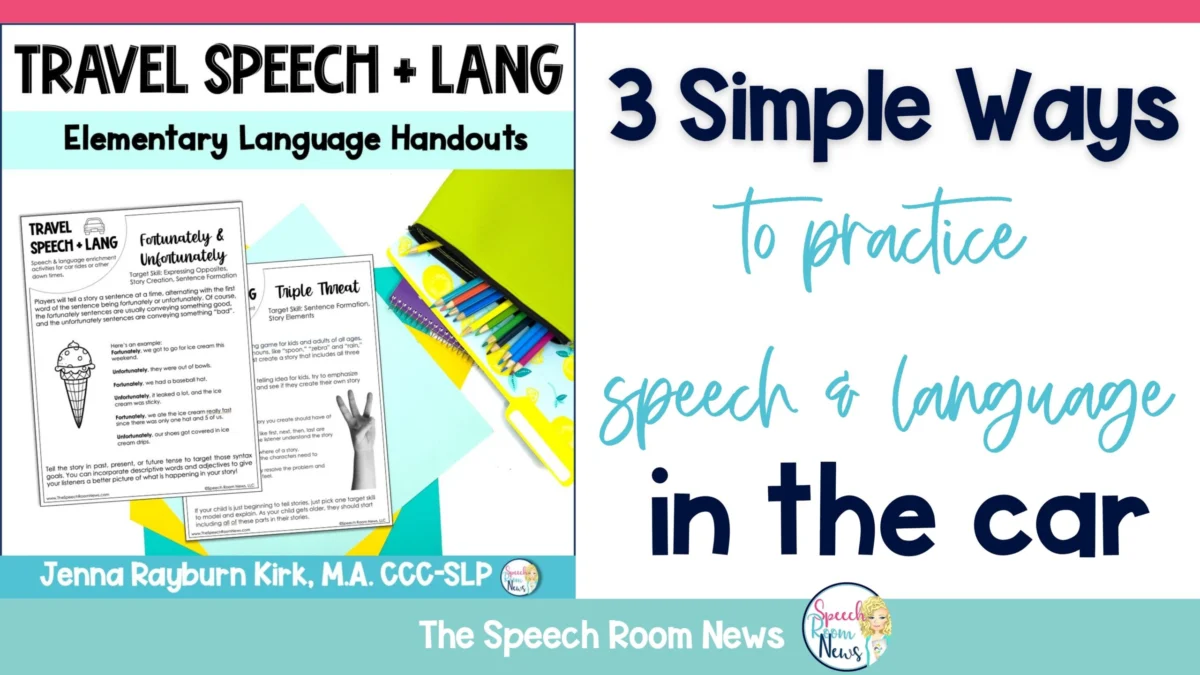
In an era where time is a premium for modern families, the seemingly mundane daily commute is being redefined as a valuable, untapped resource for fostering crucial speech and language skills in children. This innovative approach, gaining traction among speech-language pathologists (SLPs) and child development experts, offers a practical solution to integrate essential therapeutic practice into busy schedules, transforming routine car rides into dynamic learning environments. By strategically engaging children in targeted activities during travel, parents can significantly contribute to their child’s linguistic and communicative progress, addressing developmental delays and enriching overall verbal proficiency.
The Growing Imperative for Early Speech and Language Intervention
Speech and language development is a cornerstone of cognitive, social, and academic success. According to data from the Centers for Disease Control and Prevention (CDC), approximately 1 in 12 children aged 3-17 years in the United States has had a disorder related to voice, speech, language, or swallowing in the past 12 months. These statistics underscore a significant public health challenge, highlighting the critical need for timely and consistent intervention. Early identification and intervention are paramount, as the brain’s plasticity during foundational years presents a crucial window for language acquisition. Delays in these areas can have profound, long-lasting impacts, affecting literacy, social interactions, emotional regulation, and academic performance.
Historically, speech and language therapy has often been perceived as a formal, clinic-based endeavor, requiring dedicated appointments that can strain parental logistics and finances. However, the contemporary understanding of child development emphasizes the power of naturalistic intervention – integrating learning opportunities into everyday routines and environments. This paradigm shift acknowledges that consistent, context-rich practice in familiar settings can be as, if not more, effective than isolated clinical sessions, particularly for maintaining generalization of skills. The daily car ride, often characterized by enforced proximity and reduced external stimuli, presents an ideal, albeit unconventional, setting for such integrated learning.
The Unconventional Classroom: Benefits of the Automotive Environment
The car’s interior, far from being a mere transit space, possesses unique characteristics that make it conducive to focused speech and language practice. Foremost among these is the distraction-reduced environment. Unlike a home filled with toys, screens, and competing activities, the car limits visual and auditory clutter, allowing for sustained attention on verbal interaction. This focused engagement is vital for children, especially those with attention challenges or sensory sensitivities. The rhythmic hum of the road can create a calming backdrop, further facilitating concentration on auditory input and verbal output.
Furthermore, car rides inherently provide a natural context for vocabulary expansion and narrative development. As children observe passing scenery, road signs, and other vehicles, parents can spontaneously introduce new words, describe actions, and engage in descriptive language. This real-world exposure enriches semantic understanding far more effectively than rote memorization. The dynamic nature of travel offers endless conversational prompts, fostering a natural back-and-forth rhythm of communication that mirrors authentic dialogue. This interactive exchange is crucial for developing pragmatic language skills, such as turn-taking, maintaining topics, and asking clarifying questions.
Beyond the direct therapeutic benefits, leveraging commute time for these activities also addresses a common parental concern: mitigating boredom. Instead of resorting to passive entertainment like tablets or smartphones, which can sometimes hinder verbal interaction, engaging games transform travel into an active, enriching experience. This not only promotes language development but also strengthens parent-child bonding through shared, enjoyable activities, reinforcing the positive emotional associations with communication.
Expert Endorsement and Pedagogical Foundations
Speech-language pathologists widely advocate for parental involvement in therapy, recognizing parents as primary facilitators of their child’s communication development. Dr. Eleanor Vance, a leading SLP specializing in pediatric communication disorders, states, "The integration of speech and language practice into daily routines like car rides is not merely convenient; it’s pedagogically sound. It fosters generalization of skills, promotes consistent exposure, and empowers parents to become active participants in their child’s therapeutic journey. We often find that skills practiced in naturalistic settings are more readily retained and applied in various contexts."
This approach aligns with several key pedagogical principles:
- Naturalistic Intervention: Learning occurs within meaningful, everyday contexts, making the skills more relevant and transferable.
- Play-Based Learning: Activities are framed as games, reducing pressure and increasing intrinsic motivation.
- Auditory Bombardment: Repeated exposure to target sounds and language structures, often modeled by the adult, helps children develop phonological awareness and internalize correct patterns.
- Scaffolding: Parents can adjust the complexity of activities to match their child’s current skill level, gradually increasing demands as proficiency grows.
The shift towards these integrated, home-based strategies marks a progression in therapeutic practice, moving beyond isolated drills to a more holistic model that acknowledges the continuous learning environment of a child’s life.
Practical Strategies for On-the-Go Linguistic Enrichment
Harnessing the potential of car rides requires simple yet effective strategies that target specific speech and language goals. Here are three exemplary activities that exemplify this approach, adaptable for various ages and skill levels:
1. The "Grocery Game": Cultivating Question Formation and Semantic Skills
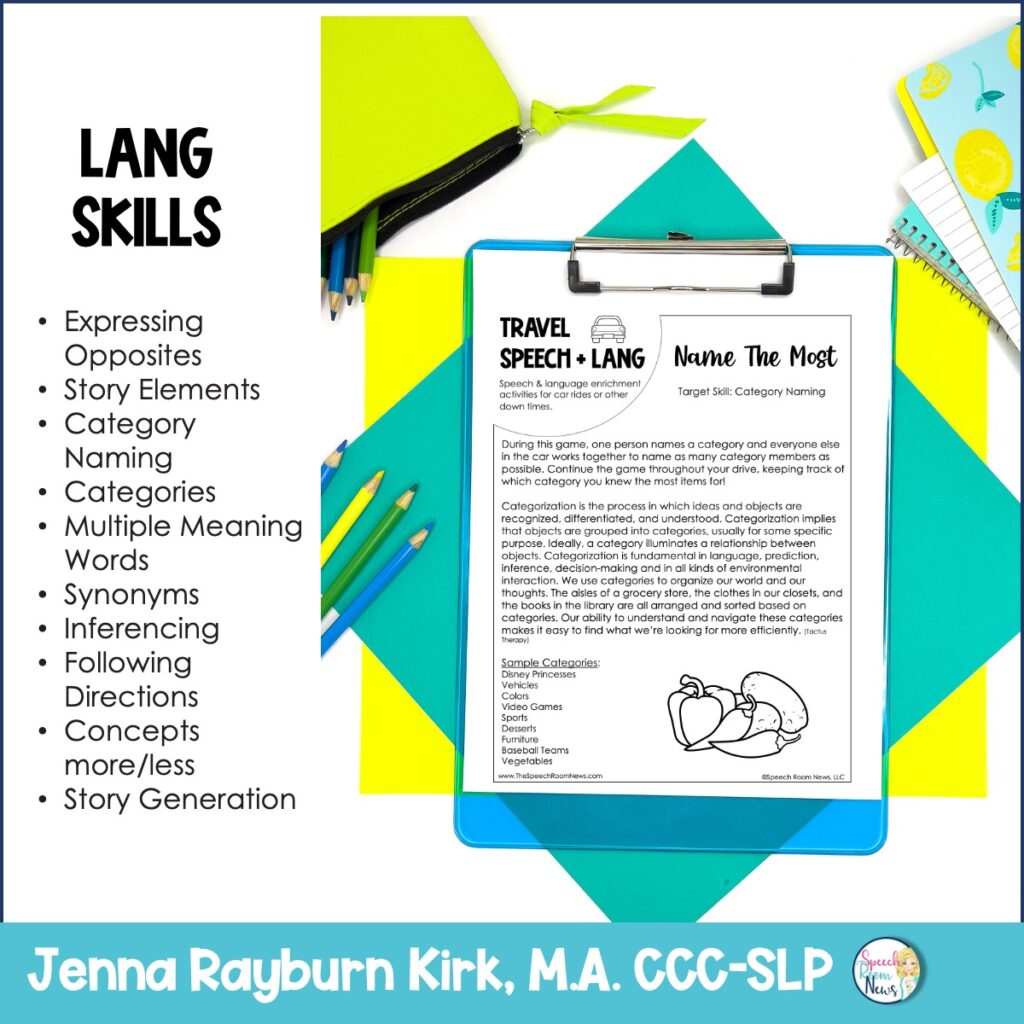
The "Grocery Game" is an interactive activity designed to enhance a child’s ability to formulate questions, develop logical reasoning, and expand semantic networks. One player, typically the parent initially, thinks of an item found in a grocery store without revealing it. The other players, including the child, take turns asking yes/no questions to deduce the item.
- Mechanism: This game directly targets the grammatical structure of question formation (e.g., "Is it in the freezer aisle?", "Do you drink it?"). Children must learn to invert subject-verb order, use auxiliary verbs, and employ interrogative pronouns effectively.
- Targeted Language Skills:
- Functions: Encourages thinking about an item’s purpose or use (e.g., "Does it melt?", "Do you eat it for breakfast?").
- Actions: Promotes verb usage related to the item (e.g., "Do you slice it?", "Do you peel it?").
- Categories: Develops classification skills by grouping items (e.g., "Is it a fruit?", "Is it a dairy product?").
- Associations: Fosters connections between items (e.g., "Is it something that goes on bread?", "Does it come in a can?").
- Enrichment: Parents can model increasingly complex questions, provide cues, and gently correct grammatical errors, offering immediate feedback within a natural conversational flow. For younger children, categories can be simplified (e.g., "Is it big or small?"), while older children can be challenged with more abstract items or by asking "how" and "why" questions. The game also implicitly works on active listening and memory skills, as players must recall previous questions and answers.
2. "Red Light Race": Refining Articulation and Phonological Awareness
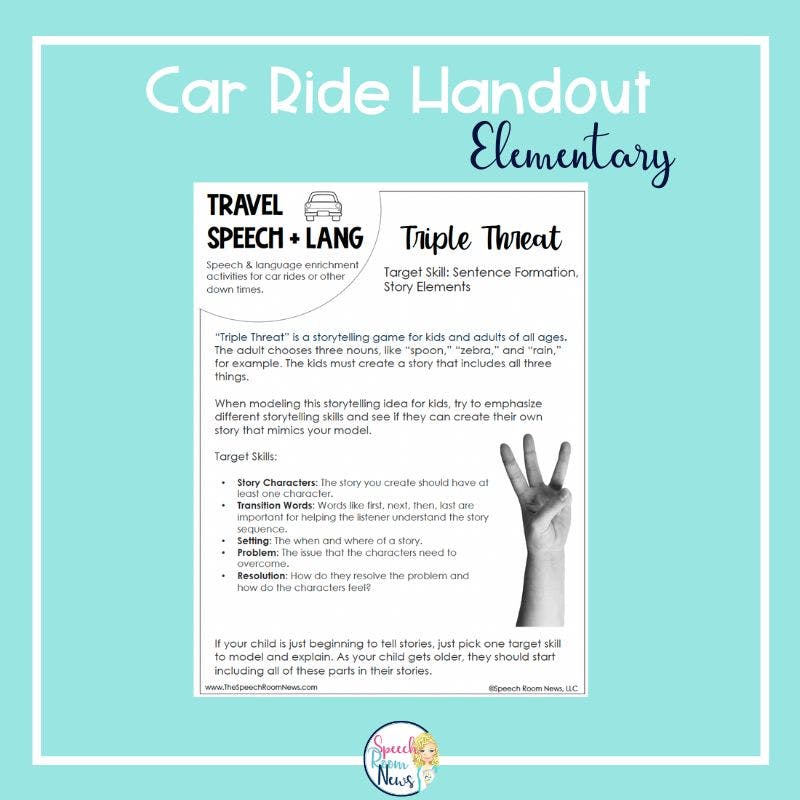
"Red Light Race" is an engaging activity specifically designed to practice articulation of target speech sounds and enhance phonological awareness. The premise is simple: when the car stops at a red light, players take turns naming as many items as possible within a chosen category that contain a specific target sound.
- Mechanism: The core therapeutic principle here is auditory bombardment, where the child is repeatedly exposed to the target sound in various lexical contexts. The adult’s modeling of the target sound is crucial for the child to internalize its correct production. The finite duration of a red light adds an element of playful challenge and encourages rapid retrieval of vocabulary.
- Targeted Speech Skills:
- Articulation: Direct practice of specific phonemes in initial, medial, and final positions of words.
- Phonological Awareness: Helps children tune into the sounds within words, an essential precursor to literacy.
- Vocabulary Retrieval: Encourages quick thinking and accessing words from their lexicon.
- Sustained Attention: Requires focus on the task for the duration of the red light.
- Enrichment:
- Categories: Start with broad categories like "Animals," "Foods," "Things you wear" for younger children, then progress to more specific or abstract categories for older children.
- Target Sounds: The SLP typically identifies specific sounds the child needs to practice (e.g., /s/, /r/, /th/). The parent then selects words containing that sound. For example, if the target is /s/, categories could be "Things you see at the store" (soda, soup, sausage, scales).
- Modeling: The adult should clearly and correctly produce the target sound, even exaggerating it slightly, to provide a strong auditory model. Counting the named items adds a quantitative element and allows for tracking progress.
3. "Triple Threat": Boosting Sentence Formation and Narrative Skills
"Triple Threat" is a creative language game that encourages children to construct grammatically correct sentences and develop coherent narratives, fostering imaginative thinking and expressive language. The adult presents the child with three unrelated nouns (e.g., "dog," "milk," and "bike"), and the child’s task is to create a short story that incorporates all three items.
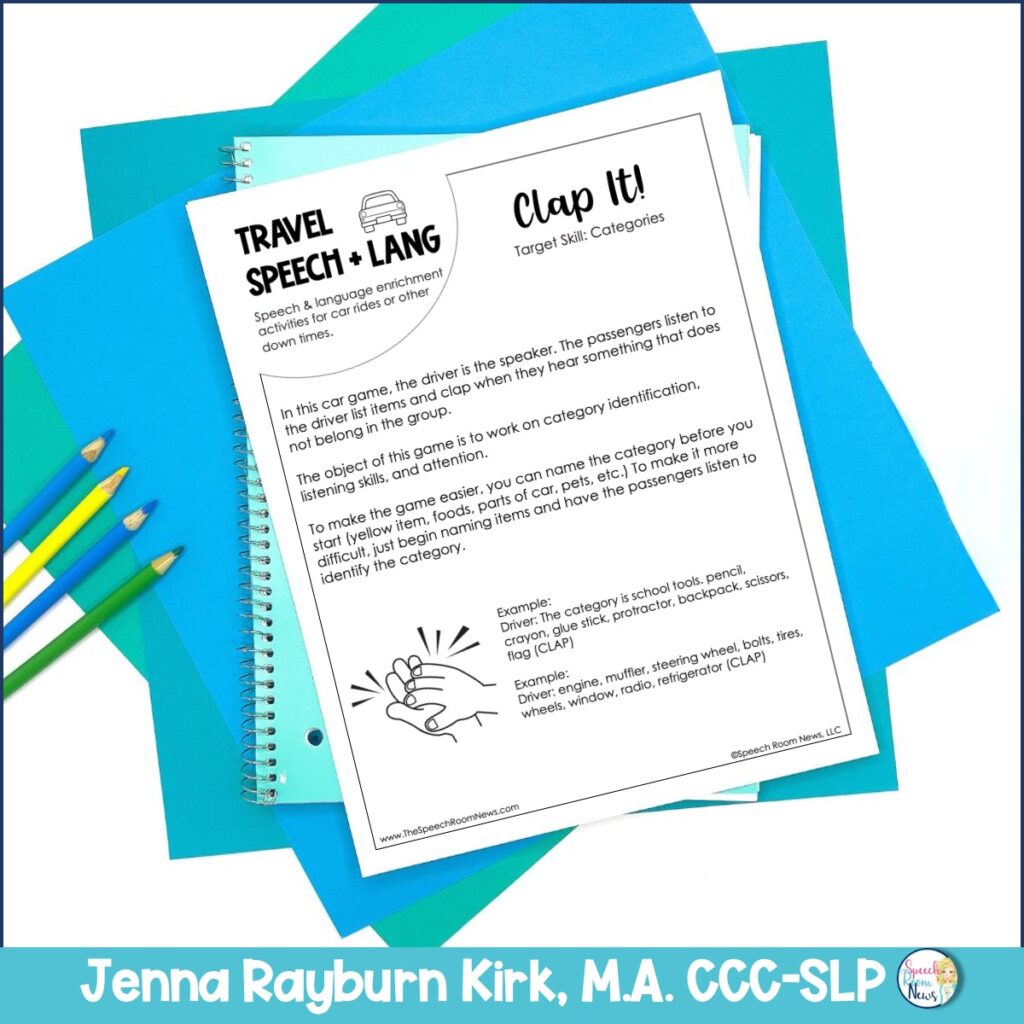
- Mechanism: This activity challenges children to go beyond simple word association, requiring them to weave disparate elements into a logical or comically illogical narrative. It implicitly encourages the use of conjunctions, prepositions, and a variety of sentence structures to connect the nouns.
- Targeted Language Skills:
- Sentence Formation: Promotes the construction of complex and varied sentence structures.
- Story Retell/Generation: Develops narrative skills, including sequencing events, character development (even if minimal), and plot creation.
- Vocabulary Integration: Encourages flexible use of existing vocabulary and the potential introduction of new words to link the nouns.
- Creativity and Imagination: Stimulates divergent thinking and problem-solving to create a cohesive story.
- Grammar and Syntax: Provides opportunities to practice correct verb tenses, subject-verb agreement, and pronoun usage within a narrative context.
- Enrichment:
- Complexity: Start with concrete, easily connectable nouns, then progress to more abstract or disparate items to challenge narrative ingenuity.
- Prompts: If a child struggles, the parent can offer prompts (e.g., "What happened first?", "Where did the dog go?", "Why was the milk there?").
- Collaborative Storytelling: The parent and child can take turns adding sentences to the story, fostering joint attention and shared narrative construction.
- Focus on Specific Elements: Parents can guide the child to focus on descriptive language, emotional expression, or cause-and-effect within the story.
Broader Implications and Parental Empowerment
The widespread adoption of these simple, integrated strategies carries significant implications for child development, parental engagement, and the broader educational system. By empowering parents with practical tools, these methods can bridge the gap between formal therapy sessions and everyday life, ensuring consistent practice that is crucial for sustained progress. This approach not only alleviates the burden of scheduling additional appointments but also transforms parental roles from passive observers to active co-therapists, strengthening family bonds through shared developmental journeys.
From a public health perspective, normalizing and promoting such accessible interventions could potentially reduce the strain on specialized therapeutic services by fostering earlier, more consistent home-based support. Educational institutions could also benefit from children entering school with stronger foundational communication skills, potentially reducing the need for intensive remedial support later on.
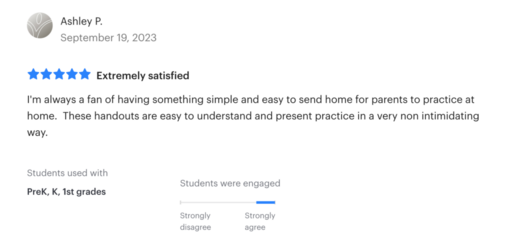
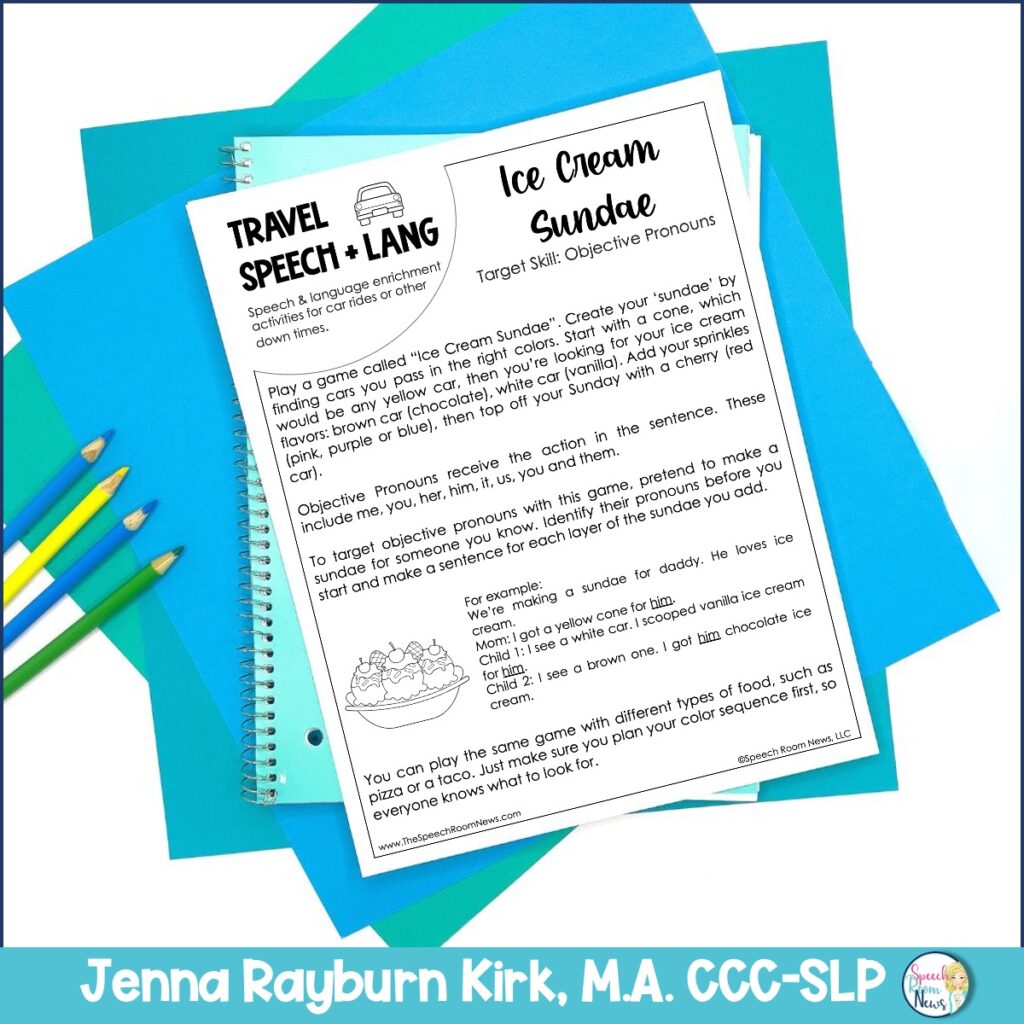
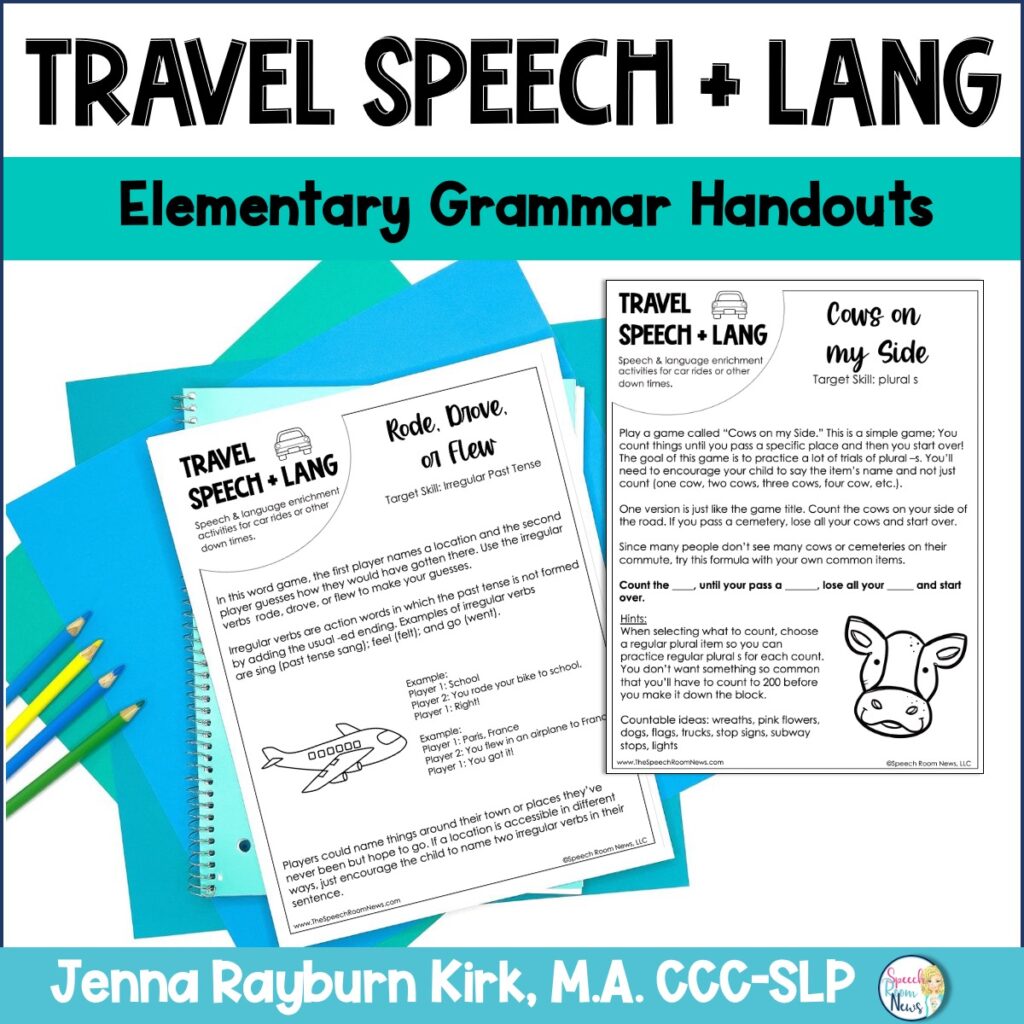
To further support these initiatives, resources like the "Travel Speech and Language Bundle," which compiles numerous parent handouts with practical explanations and examples of such games, become invaluable. These structured materials provide clear guidance, ensuring that parents feel confident and equipped to implement these strategies effectively. The availability of free samples further democratizes access to these beneficial techniques, encouraging broad participation.
Conclusion: Transforming Commutes into Pathways to Communication
The transformation of daily car commutes into purposeful speech and language practice sessions represents a forward-thinking approach to pediatric development. By capitalizing on otherwise passive time, parents can actively contribute to their children’s linguistic proficiency, fostering critical communication skills, enhancing parent-child interaction, and laying a robust foundation for future academic and social success. This movement towards embedded, naturalistic intervention underscores the profound impact of intentional engagement in everyday moments, proving that even the shortest journey can become a significant step in a child’s developmental odyssey.
