

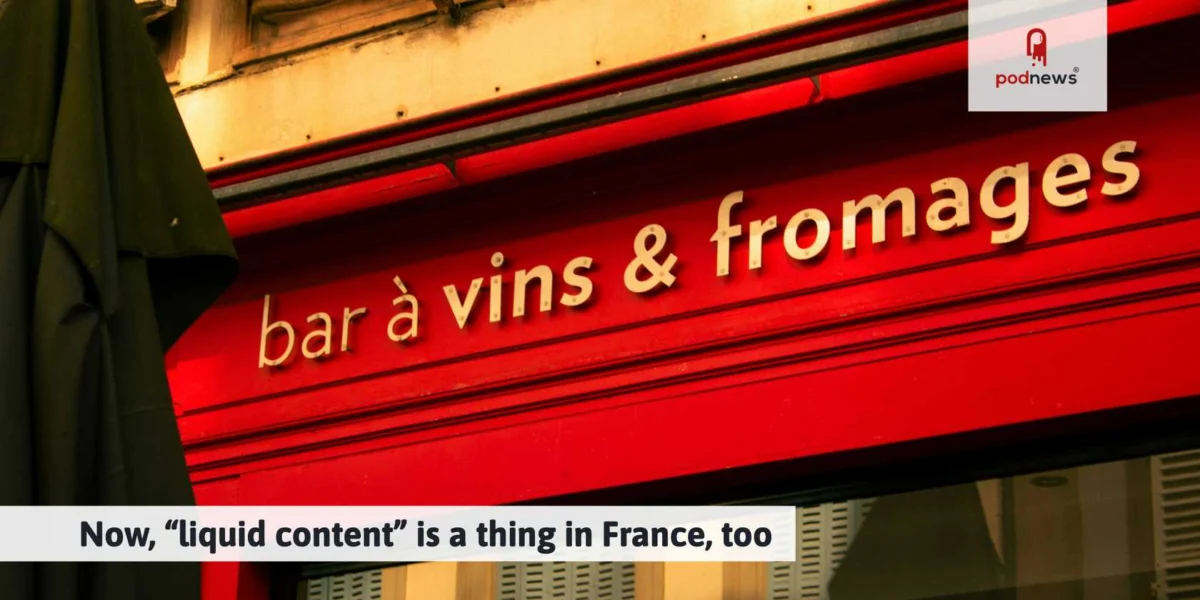
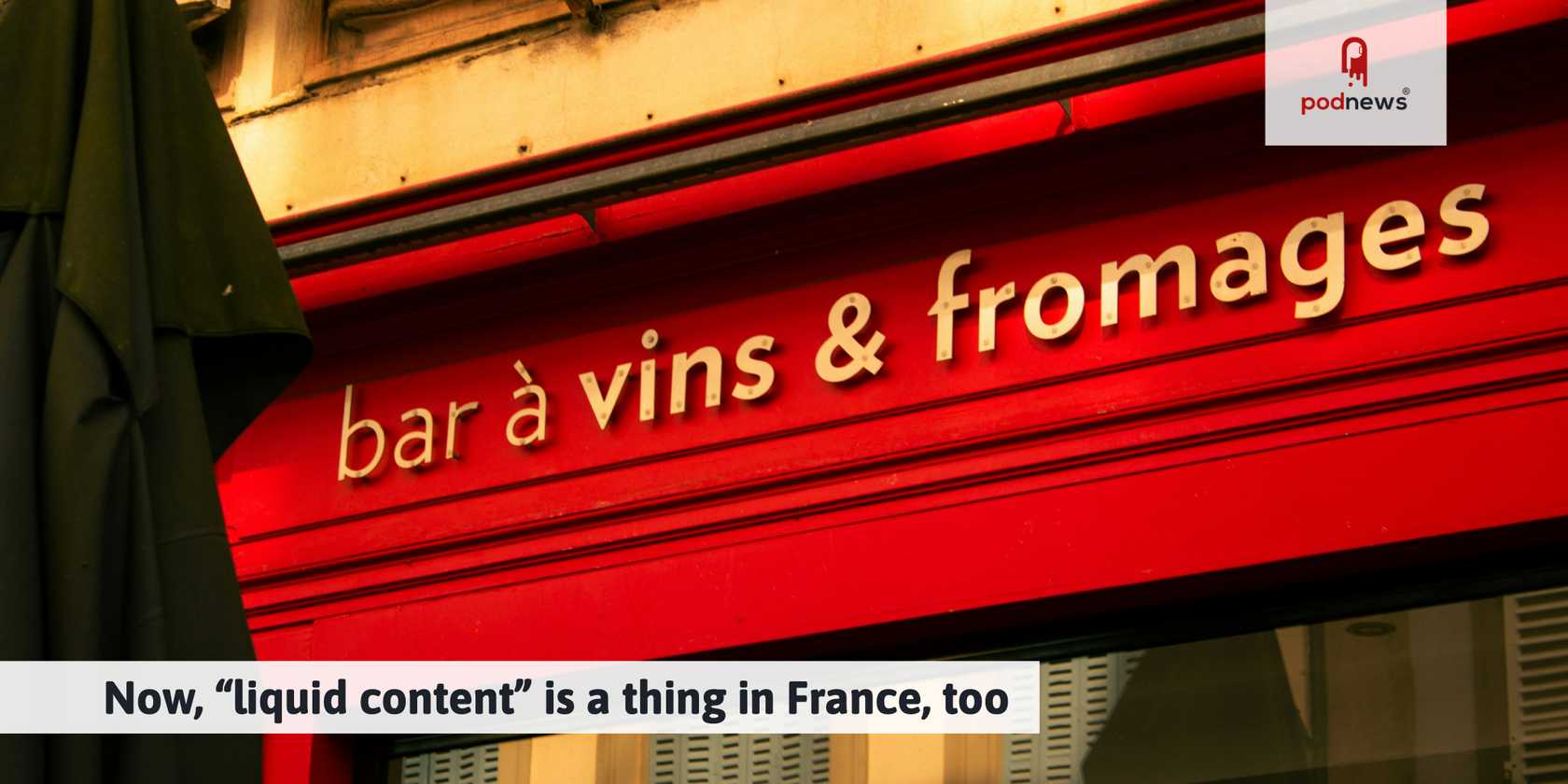
The image accompanying this report, depicting a charming Parisian establishment specializing in wine and cheese, serves as a visual anchor for a broader discussion about the cultural significance and economic realities of such businesses in France, particularly in the context of evolving consumer habits and the global appeal of French gastronomy. While the image itself is a static representation, it evokes a rich tapestry of French culinary tradition, inviting exploration into the intricate world of wine and cheese pairings, the ambiance of a classic French bar à vins, and the enduring appeal of artisanal products.
The Enduring Allure of French Gastronomy
France has long been a global epicenter of culinary excellence, with its wine and cheese traditions being cornerstones of its cultural identity. The image of a bar à vins with an abundant display of cheeses and carefully selected bottles of wine conjures a specific, often romanticized, experience. These establishments are more than just places to eat and drink; they are often community hubs, offering a sophisticated yet approachable way to appreciate the fruits of French viticulture and fromagerie. The art of pairing wine and cheese is a nuanced discipline, with centuries of practice informing the ideal combinations. A crisp Sancerre might be perfectly complemented by a creamy goat cheese, while a robust Bordeaux could stand up to the intensity of a mature Comté. The sheer diversity of French wines, from the sparkling crémants of Alsace to the full-bodied reds of Bordeaux and Burgundy, and the equally vast array of cheeses, from the pungent Roquefort to the delicate Brie de Meaux, provides an almost inexhaustible palette for exploration.
Economic Landscape of Artisanal Food Establishments
Beyond the aesthetic and gustatory appeal, businesses like the one pictured operate within a dynamic economic environment. The artisanal food sector in France, including wine bars and cheese shops, faces both opportunities and challenges. On one hand, there is a growing global appreciation for high-quality, authentic products, a trend that benefits businesses focused on traditional craftsmanship. Consumers, increasingly discerning and often willing to pay a premium for quality, are seeking experiences that go beyond mass-produced goods. This demand fuels the market for small-batch wines, handcrafted cheeses, and establishments that can expertly curate and present these offerings. The image of the Parisian bar suggests a successful venture that has tapped into this demand, creating an inviting space that appeals to both locals and tourists alike.

However, these businesses also contend with significant overheads, including rent in prime urban locations, the cost of sourcing high-quality ingredients, and the labor-intensive nature of artisanal production and service. The rise of online retail and direct-to-consumer sales models also presents both competition and potential collaboration avenues. For a physical establishment to thrive, it must offer an experience that cannot be replicated online – an ambiance, expert guidance, and the tangible pleasure of sensory engagement. The photograph, by showcasing a well-appointed interior, hints at such an effort to create a memorable customer experience.
The Role of the Bar à Vins in Contemporary French Society
The bar à vins has evolved from its historical roots as a simple place to sample local wines to a more sophisticated culinary destination. Today, these establishments often function as extensions of the home, providing a relaxed setting for social gatherings, business meetings, or simply a moment of personal indulgence. They play a crucial role in educating consumers about wine and cheese, with knowledgeable staff often acting as informal sommeliers and cheesemongers. This educational aspect is vital in maintaining and growing appreciation for these traditional products.

Furthermore, bars à vins contribute to the preservation of French culinary heritage. By championing local producers and artisanal methods, they help to ensure that traditional techniques and regional specialties are not lost to the relentless march of globalization and industrialization. The photograph’s implied setting in Paris, a global nexus of culture and tourism, suggests that such establishments are not only catering to domestic appreciation but are also key ambassadors of French culture to an international audience.
Evolving Consumer Preferences and Market Trends
In recent years, consumer preferences have shifted towards more conscious consumption. This includes a greater emphasis on sustainability, ethical sourcing, and the provenance of food and drink. For wine and cheese businesses, this translates into an increased demand for organic and biodynamic wines, cheeses made from milk sourced from pasture-raised animals, and transparent supply chains. Establishing and communicating these values can be a significant differentiator.

The image, while not providing explicit details on sourcing, evokes a sense of authenticity and quality that aligns with these evolving consumer expectations. The careful display of products suggests a pride in origin and a commitment to presenting the best of what is available. This focus on quality and authenticity is a key factor in the long-term success of artisanal food businesses.
Supporting Data and Industry Insights
While specific data for the depicted establishment is unavailable, broader industry trends offer context. The French wine market, though mature, continues to see innovation, with a growing interest in less conventional grape varietals and regions, alongside a sustained demand for established appellations. Similarly, the cheese sector is characterized by a strong demand for PDO (Protected Designation of Origin) products, which guarantee authenticity and quality, and a growing niche for innovative, small-scale producers.

According to a report by Business France, the French food and beverage sector remains a significant contributor to the national economy, with exports playing a crucial role. Wine and spirits, in particular, are among France’s leading export goods. While the exact economic impact of individual bars à vins is difficult to quantify on a national scale, collectively, they form a vital part of the gastronomic ecosystem, supporting numerous producers and agricultural jobs. The sector’s resilience is often attributed to its ability to adapt to changing consumer tastes while maintaining its core values of quality and tradition.
Potential Challenges and Future Outlook
The future of bars à vins and artisanal cheese shops will likely depend on their ability to navigate several key challenges. These include adapting to digital trends, such as online ordering and delivery services, without compromising the in-person experience. Maintaining a balance between tradition and innovation will be crucial, as will be the ongoing effort to educate consumers and foster a deeper appreciation for the complexities of wine and cheese.

Furthermore, economic factors such as inflation, energy costs, and labor shortages can significantly impact the profitability of these businesses. Governmental support and industry initiatives aimed at promoting artisanal food and beverage sectors can play a vital role in ensuring their continued viability. The image, therefore, represents not just a snapshot of a business, but a symbol of an industry that is constantly adapting to remain relevant and cherished in the modern world. The success of establishments like the one pictured hinges on their ability to offer an authentic, high-quality, and memorable experience that celebrates the rich heritage of French wine and cheese.
Broader Impact and Cultural Significance
The cultural significance of a bar à vins extends beyond its economic function. These establishments are custodians of a culinary heritage that is deeply intertwined with French identity. They provide spaces for social connection, fostering a sense of community and shared appreciation for fine food and drink. In a world that often prioritizes speed and convenience, the deliberate pace and sensory engagement offered by such venues provide a valuable counterpoint.

The image of the French bar, with its implied offerings of wine and cheese, speaks to a lifestyle that values quality, craftsmanship, and the simple pleasures of life. It is a reminder that in an increasingly globalized and homogenized world, the preservation and celebration of unique cultural traditions, such as those embodied by French gastronomy, remain profoundly important. The enduring appeal of these establishments lies not just in the products they sell, but in the experiences they cultivate and the heritage they uphold. They are living embodiments of France’s rich culinary narrative, inviting patrons to partake in a tradition that has been refined over centuries and continues to captivate palates worldwide. The continued existence and success of such businesses are a testament to the deep-seated human desire for authentic experiences and the timeless allure of well-crafted food and drink.
