

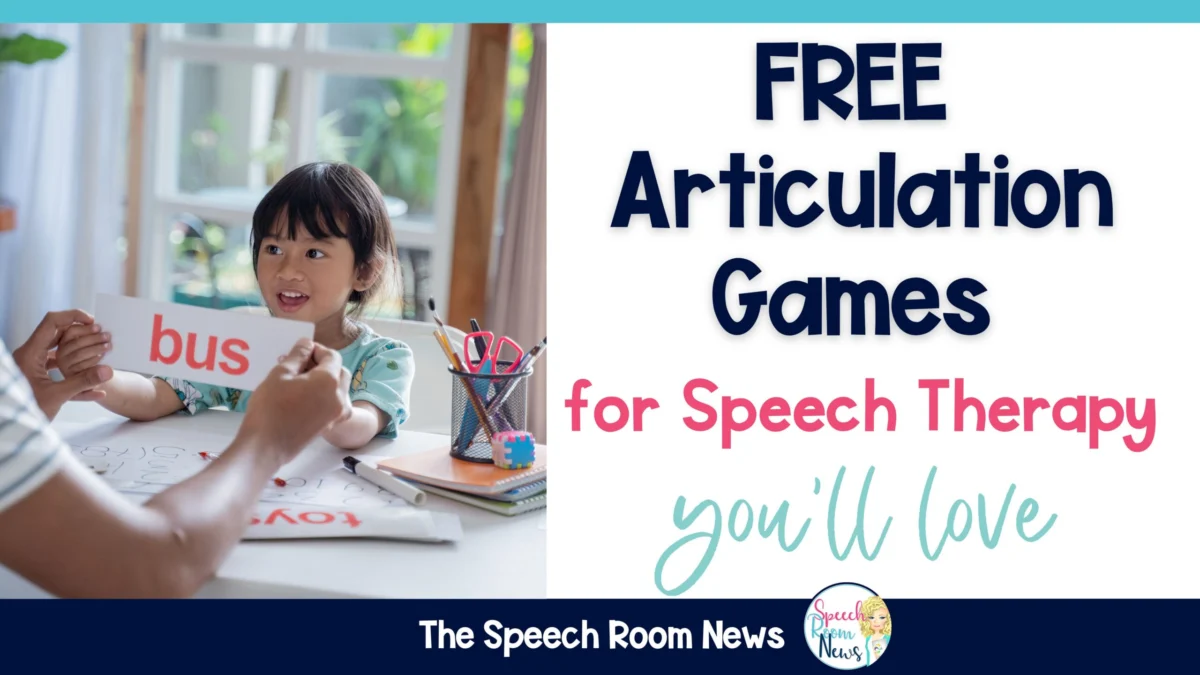
The landscape of speech-language pathology is continually evolving, with a growing emphasis on dynamic and accessible therapeutic interventions. At the forefront of this shift is the integration of play-based learning, particularly through free articulation games, which are proving instrumental in enhancing student engagement, boosting therapeutic efficacy, and facilitating the generalization of speech sounds into everyday communication. These cost-free resources, encompassing online platforms, printable materials, and even no-materials-needed activities, offer invaluable tools for speech-language pathologists (SLPs), educators, and parents navigating the complexities of speech sound disorders (SSDs). The economic accessibility of these tools marks a significant development in democratizing quality speech therapy support across various settings, from traditional clinics to virtual classrooms and home environments.
Understanding Articulation Disorders: The Foundation of Speech Therapy
Speech sound disorders, often characterized by difficulties in perceiving, motorically producing, and/or phonologically representing speech sounds, affect a significant portion of the pediatric population. According to the American Speech-Language-Hearing Association (ASHA), approximately 8% to 9% of young children have a speech sound disorder. These disorders can manifest in various ways, from simple sound substitutions (e.g., saying "wabbit" for "rabbit") to more complex phonological patterns affecting entire sound classes. Untreated SSDs can have profound impacts on a child’s communication, literacy development, academic performance, and social-emotional well-being. Early identification and consistent, targeted intervention by qualified SLPs are paramount to mitigate these long-term effects. The primary goal of articulation therapy is to help individuals learn to produce target sounds correctly and integrate them into spontaneous speech.
The Pedagogical Power of Play: Why Games Work in Therapy
The effectiveness of play-based therapy for articulation disorders is rooted in established pedagogical and psychological principles. Children, especially younger learners, naturally learn and process information through play. When therapy sessions are designed around engaging games, several critical benefits emerge:
- Increased Engagement and Motivation: Games transform what might otherwise be repetitive drills into enjoyable activities, significantly boosting a child’s willingness to participate and sustain attention. This heightened motivation directly correlates with improved therapeutic outcomes.
- Reduced Anxiety and Stress: A playful environment can alleviate the pressure and self-consciousness often associated with speech difficulties, making children more receptive to learning and experimentation with new sounds.
- Enhanced Memory and Learning: The novel and interactive nature of games helps consolidate learning. When children are actively involved and emotionally invested, information is processed more deeply and retained more effectively.
- Facilitating Generalization: Games provide natural contexts for practicing speech sounds, moving beyond isolated word drills to more spontaneous speech. This is crucial for the generalization phase, where children apply newly acquired skills in various communication settings.
- Opportunities for Social Interaction: Many games, especially printable or material-free ones, can be adapted for group settings, fostering social communication skills alongside articulation practice.
Neuroscientific research supports the efficacy of play, demonstrating that engaging in enjoyable activities stimulates the release of neurotransmitters like dopamine, which are vital for learning, memory, and motivation. Therefore, incorporating play is not merely a "fun" addition but a strategically sound therapeutic approach.
A New Era of Accessibility: The Rise of Free Resources in Speech Therapy

The evolution of speech therapy tools reflects broader technological and educational shifts. Historically, articulation therapy relied heavily on physical flashcards, workbooks, and highly structured drill exercises. The late 20th and early 21st centuries saw the proliferation of commercial therapy materials, offering more varied and engaging options, albeit often at a significant cost to therapists, schools, or families.
The digital revolution, particularly in the last two decades, has profoundly reshaped this landscape. The advent of personal computers, then tablets and smartphones, paved the way for interactive software and mobile applications. This technological integration accelerated rapidly in the wake of the global pandemic, which necessitated a rapid pivot to telepractice and hybrid therapy models. SLPs, parents, and educators sought innovative, accessible, and often free solutions to continue vital therapeutic interventions remotely.
This period saw an explosion in community-driven content platforms like Teachers Pay Teachers and Boom Learning, where educators could share and monetize their creations, but also offer a wealth of free resources. This "democratization" of therapy tools has been a game-changer, enabling SLPs to access high-quality, varied materials without prohibitive costs, and empowering parents to support their children’s practice at home more effectively. It has particularly benefited underserved communities and families with limited financial resources, bridging gaps in access to supplemental therapy tools.
Digital Frontiers: Engaging Online Articulation Games
Interactive online games have become an indispensable component of modern speech therapy, offering dynamic and engaging ways to practice articulation skills. Their appeal lies in their interactivity, immediate feedback mechanisms, and accessibility across various devices, making them suitable for virtual, in-person, and hybrid therapy sessions.
-
ABCya’s "Alphabet BINGO": This platform is particularly effective for younger students. While primarily focused on letter recognition and initial letter sounds, it provides a foundational opportunity to practice early phonemic awareness and sound production. The familiar BINGO format makes learning feel like a game, fostering sustained engagement crucial for early learners. SLPs can adapt it to target specific initial sounds by prompting children to articulate the sound before identifying the letter or picture.
-
Articulation Station App (Lite Version): Often cited as a gold standard in articulation apps, the free "Lite" version of Articulation Station provides a robust introduction to its capabilities. It typically offers a selection of target sounds (e.g., /p/, /b/, /m/) across various word positions (initial, medial, final) and levels of complexity (words, phrases, sentences). Its interactive features, such as recording and playback, allow students to hear their own productions and self-monitor, a critical skill in articulation remediation. Its mobile accessibility makes it ideal for therapy on the go or for home practice.
-
Language Playroom: This dedicated website is a treasure trove for SLPs seeking free online games. With an expanding collection of over 20 articulation games, and new additions continually incorporating fluency, language, and social communication activities, Language Playroom offers diversity. Its focus on a range of speech targets makes it a versatile resource for comprehensive therapy planning, allowing therapists to easily switch between different phonemes or linguistic goals within a single session.

-
Phoneme Pop: This engaging online game, found on platforms like Topmarks, leverages a simple, intuitive mechanic: popping bubbles that contain words featuring target sounds. The visual and auditory feedback makes it highly appealing to children, reinforcing correct sound identification and production in a fun, gamified context. The immediate gratification of popping a bubble after correctly identifying or producing a target word helps maintain high levels of motivation.
-
Boom Cards: These interactive, self-grading digital task cards have revolutionized how many SLPs deliver therapy. Available through platforms like Teachers Pay Teachers and Boom Learning, a vast array of free Boom Card decks exists for nearly every articulation sound and linguistic target. Boom Cards offer a highly customizable and engaging experience, often featuring drag-and-drop activities, multiple-choice questions, and sound files. Their self-correcting nature means students receive immediate feedback, reducing the need for constant therapist intervention and allowing for higher trial counts. Many SLPs contribute free decks, fostering a rich, collaborative community resource. While some advanced features or larger bundles may be paid, the free options provide substantial value.
Tangible Tools: The Enduring Value of Printable Articulation Games
Despite the rise of digital resources, printable games maintain a vital role in articulation therapy. They offer a hands-on, tactile experience, are excellent for environments with limited technology, and are easily sent home for consistent practice, ensuring carryover of skills beyond the therapy room.
-
"Whack-a-Sound /S/ Self-Checking Articulation Freebie": Ideal for preschool through second grade, this game provides a playful way for children to identify the position (initial, medial, or final) of a target sound within a word. This phonological awareness skill is foundational for accurate articulation. The self-checking element empowers children to take ownership of their learning, fostering independence and critical listening skills. Its thematic appeal often incorporates engaging visuals, making it more than just a drill.
-
Articulation Worksheets from Super Duper Publications: Super Duper Publications is a renowned name in speech therapy materials. While many of their resources are commercial, they often provide a selection of free printable worksheets. These can range from simple coloring pages that integrate target words to more structured fill-in-the-blank activities or word searches. These worksheets are valuable for quick articulation drills, homework assignments, or supplementary activities during therapy sessions, offering a reliable, no-prep option for busy SLPs.
-
"Hot Chocolate Articulation Board Game": Themed games, like this winter-focused board game, significantly boost engagement. Therapists can prepare flashcards with target words for various sounds. When a child correctly articulates a word, they roll a die and advance on the board. This format encourages repetition in a motivating context, making the practice feel less like work and more like play. The flexibility of board games allows for adaptation to any target sound and can be easily used in individual or group therapy settings.
-
100 Trial Challenges by Peachie Speechie: High-repetition practice is a cornerstone of articulation therapy. Peachie Speechie’s "100 Trial Challenges" are a highly effective way to achieve this. These sheets typically feature engaging themes or holidays, motivating students to complete a high number of repetitions of their target sounds by coloring, stamping, or marking off items. The thematic integration makes therapy relevant and fun, while the visual progress tracker helps students understand their effort and achievements. These challenges are invaluable for maximizing practice opportunities within a session and for encouraging home practice.

-
"Color & Play Ocean Articulation Bingo": Bingo is a classic game that adapts perfectly to articulation practice. These printable cards feature target words, allowing for both individual and group therapy. As words are called out, students mark them on their cards, practicing their articulation each time. The "Color & Play" aspect adds another layer of engagement, allowing children to personalize their cards and take ownership of the activity. The ocean theme adds a fun, imaginative element, making the repetitive practice more enjoyable.
Beyond the Screen and Paper: Material-Free Articulation Practice
Articulation practice doesn’t require elaborate materials or screens. Many effective and engaging games can be played anywhere, anytime, fostering spontaneous speech and generalization in natural environments, such as during car rides or waiting times.
-
"I Spy": This classic observation game is easily modified for articulation goals. Instead of just "I spy with my little eye something green," an SLP or parent can say, "I spy with my little eye something that starts with the /s/ sound" or "something that has the /r/ sound in the middle." This adaptation encourages children to actively listen for and produce target sounds in a conversational context, promoting phonological awareness and articulation simultaneously. It’s excellent for practicing sounds in various word positions and for expanding vocabulary.
-
"20 Questions": This deductive reasoning game is superb for encouraging descriptive language and structured questioning, all while targeting articulation goals. The child or therapist thinks of an object, and the other party asks up to 20 yes/no questions to guess it. The questions themselves, and the answers, provide numerous opportunities to practice target sounds within meaningful sentences. For instance, if the target sound is /k/, questions like "Is it cold?" or "Is it a cat?" provide natural practice.
-
"Rhyme Time": This simple yet powerful game helps develop both phonological awareness and articulation. Players take turns saying words that rhyme with a given target word, focusing on the correct articulation of each word. For example, if the target is "cat," responses like "hat," "mat," "fat" provide repetitive practice of the /at/ phoneme sequence. This activity strengthens auditory discrimination and the motor planning required for sound production.
-
"The Alphabet Game": Ideal for road trips, this game involves going through the alphabet and having the child say a word that starts with each letter. SLPs can adapt this by specifying that the words chosen must also contain a particular target sound, or by focusing on the clear articulation of the initial sound of each word. This systematic approach ensures practice across a wide range of words and provides a structured way to practice specific phonemes in the initial position.
Statements from the Field and Broader Implications

The integration of free articulation games into speech therapy is lauded by professionals and families alike. "These free resources are invaluable to our practice," states an unnamed spokesperson for a national SLP association (reflecting common sentiment). "They democratize access to quality therapy tools, allowing SLPs to individualize treatment plans without being constrained by budget. This is particularly crucial for smaller clinics, schools in underserved areas, and families who want to support their children’s progress at home."
Parents frequently report increased cooperation and enthusiasm from their children when games are incorporated into home practice. "My child used to dread practicing his /r/ sounds," shares a parent in a hypothetical but representative scenario, "but now with the online games and printable challenges, he actually asks to do his ‘speech homework.’ It’s made a huge difference in his motivation."
Developers of educational platforms and free resources often express a commitment to supporting the broader educational and therapeutic communities. "Our mission is to make learning accessible and engaging," says an inferred representative from a platform offering free games. "We believe that high-quality educational tools shouldn’t be a luxury, especially for foundational skills like speech development."
The implications of this growing trend are far-reaching:
- Enhanced Outcomes: Increased engagement and consistent practice, both in therapy and at home, lead to more effective and efficient acquisition of articulation skills.
- Greater Equity: Free resources help level the playing field for children from diverse socioeconomic backgrounds, ensuring that financial constraints do not impede access to essential therapeutic support materials.
- Reduced Burden on SLPs: Having a readily available library of free, engaging resources reduces the time and financial strain on SLPs to create or purchase materials, allowing them to focus more on direct therapy and individualized planning.
- Empowerment of Families: Parents are equipped with accessible tools to actively participate in their child’s therapy journey, fostering a stronger home-school connection and reinforcing therapeutic gains.
- Innovation and Collaboration: The vibrant community of SLPs sharing and adapting these free resources drives continuous innovation in therapeutic approaches and fosters a collaborative professional environment.
While the proliferation of free resources is overwhelmingly positive, SLPs maintain the critical role of evaluating the quality and appropriateness of these materials for each individual child’s needs. Considerations such as age-appropriateness, target sound accuracy, and alignment with therapeutic goals remain paramount.
In conclusion, the strategic incorporation of free articulation games represents a significant advancement in speech therapy. By leveraging the inherent power of play and the widespread availability of digital and printable resources, SLPs are creating more dynamic, engaging, and ultimately more effective learning environments. This evolving landscape ensures that children with speech sound disorders have unprecedented access to the tools they need to achieve clear, confident communication, fostering not just articulation skills, but also a lifelong love of learning and connection. Happy playing indeed, as the journey to articulation success becomes an enjoyable adventure for all involved.
