

The practice of "debreathing" in voice-over recordings, a seemingly simple audio editing technique, is a subject often shrouded in misconception. This article delves into the critical distinctions surrounding when and why breaths are removed from vocal performances, a decision that can significantly impact the authenticity and effectiveness of audio content across various media. While the technical process is straightforward, its application demands a nuanced understanding of the intended purpose of the voice-over, moving beyond a one-size-fits-all approach.
Understanding the Mechanics of Debreathing
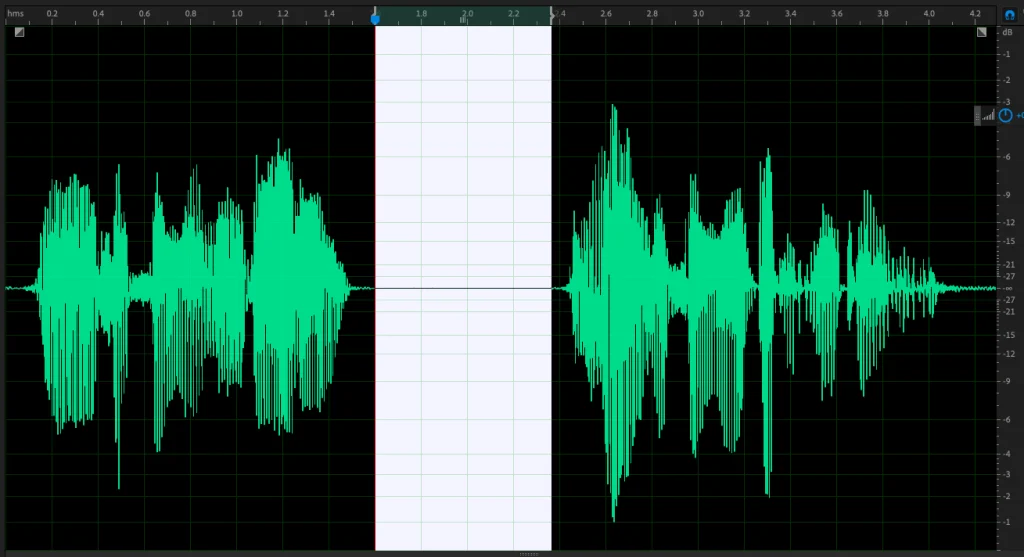
At its core, debreathing involves the meticulous selection and removal of audible breaths from a recorded vocal track. This process is typically executed within digital audio workstations (DAWs) such as Adobe Audition. The visual representation of a soundwave in these programs allows editors to identify the distinct peaks and troughs that correspond to a speaker’s inhalation.
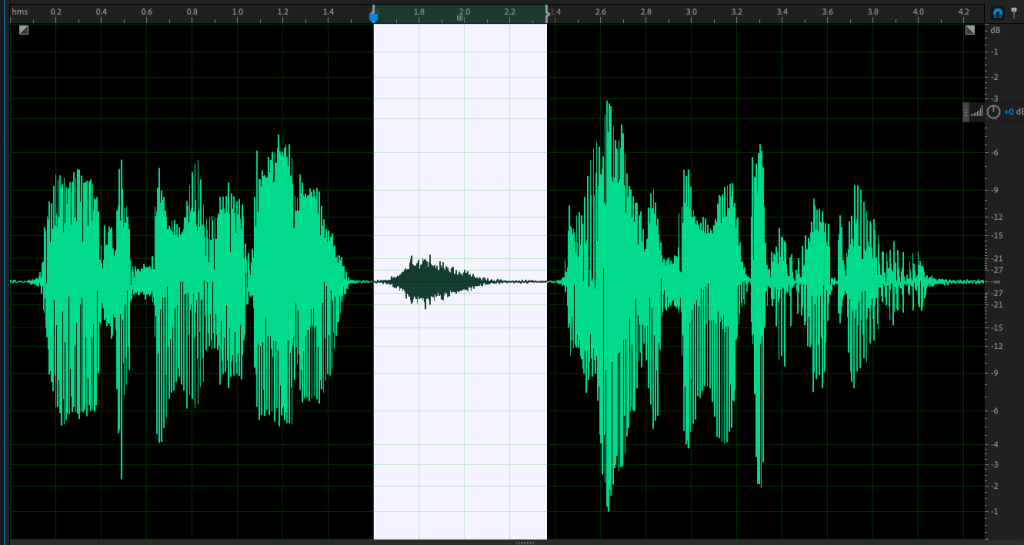
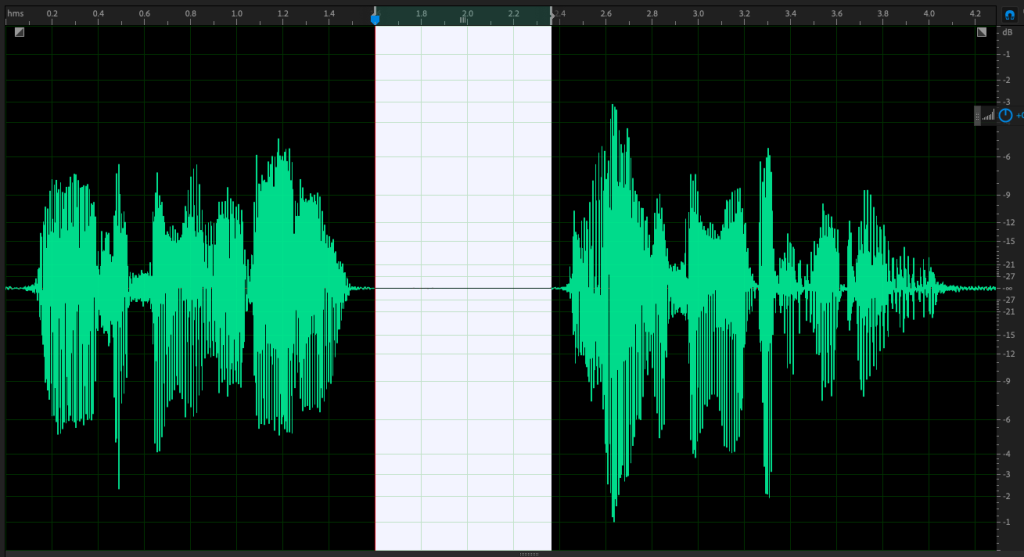
The key distinction lies between silencing a breath and outright deleting it. Silencing involves reducing the amplitude of the breath sound to near imperceptibility, preserving the natural pacing and flow of the speech. Deleting, on the other hand, removes the breath sound entirely and also eliminates the temporal space it occupied, potentially creating abrupt silences that can feel unnatural. Demonstrations in audio editing software typically showcase the breath as a visible waveform. Once identified, this waveform can be manipulated. The "silenced" breath, while no longer audibly disruptive, still occupies its original position within the audio timeline. Conversely, a "removed" breath leaves a noticeable gap, altering the rhythm and cadence of the spoken word.
The Traditional Application: Commercial Advertising
Historically, the primary domain for debreathing has been commercial voice-overs, particularly those intended for advertisements. The rationale behind this practice is rooted in the fundamental objective of advertising: to convey a message with maximum impact and minimal distraction. In this context, breaths are often perceived as interruptions to the advertiser’s carefully crafted narrative.
The prevailing belief is that commercial voice-overs must prioritize the clarity and persuasiveness of the message above all else. Any element that could potentially divert the listener’s attention, even subconsciously, is considered detrimental. This includes audible breaths, which, in the fast-paced and often layered soundscapes of advertisements—featuring music, sound effects, and multiple vocal tracks—can detract from the intended impact. The goal is to create a seamless and compelling auditory experience that drives consumer engagement.
The Evolving Definition of "Commercial" and its Implications
However, the term "commercial voice-over" itself can be subject to interpretation, leading to potential misapplication of the debreathing technique. Two primary definitions emerge:
- Voice-over used by a company for its own purposes: This encompasses a broad spectrum of corporate communications, internal training videos, presentations, and brand messaging that may not be directly advertising a product or service to the general public.
- Voice-over used in actual advertisements: This refers to audio content specifically designed to promote a product, service, or brand through paid media channels such as television, radio, cinema, and online platforms.
While voice-over artists traditionally debreath both interpretations of "commercial" work, a critical distinction is now being emphasized: breaths should primarily be silenced only in the second category—actual advertisements. The underlying principle remains the same: to ensure the advertisement’s message is delivered without any potential for listener distraction. However, applying this to the broader category of corporate audio can inadvertently strip the performance of its natural human quality.
The Case Against Debreathing in Non-Advertising Contexts
The argument for retaining breaths in voice-over recordings outside of direct advertising is multifaceted and grounded in principles of naturalism, listener engagement, and the evolving landscape of audio production.
1. The Naturalness of Human Speech:
Human beings are inherently accustomed to hearing breaths as an integral part of spoken language. Our auditory system is wired to perceive breathing as a natural component of conversation. When breaths are meticulously removed from a recording, particularly in contexts where the voice is presented in relative isolation, the absence can create an unsettling sensation for the listener. This can lead to an unconscious feeling of unease or stress, as the listener anticipates a breath that never comes, creating an unnatural cadence that feels alien.
This observation aligns with the evolution of text-to-speech (TTS) technologies. Early iterations of sophisticated TTS systems, such as those powering virtual assistants like Siri and Google Assistant, often lacked audible breathing. While technically impressive, these synthetic voices could sometimes sound detached or robotic. More recent advancements have seen the incorporation of subtle breathing cues, acknowledging that the inclusion of such natural elements enhances the human-like quality and relatability of the synthesized voice. This trend underscores the importance of breath as a signifier of genuine human communication.
2. Facilitating Listener Comprehension and Reflection:
Breaths, far from being mere biological necessities, serve a crucial communicative function. They act as natural pauses, providing listeners with opportunities to process information, reflect on what has been said, and formulate their thoughts. In extended spoken passages, such as those found in documentaries, audiobooks, corporate narratives, or dramatic performances, these pauses are essential for comprehension.
When breaths are removed, and consequently the natural pauses they create, the flow of information can become overwhelming. This can lead to a situation where listeners struggle to absorb the content, ultimately failing to retain the key messages. The intended communication is then compromised, not by a lack of clarity, but by an excess of uninterrupted delivery. This phenomenon has been observed in some American radio commercials where aggressive debreathing, coupled with fast-paced delivery, can result in an audience retaining very little of the conveyed information.
3. The Trend Towards Natural Delivery:
In contemporary voice-over trends, naturalness and authenticity are highly valued. Clients across various industries are increasingly seeking voice performances that sound genuine and relatable, mirroring the nuances of everyday human interaction. Removing breaths, a fundamental aspect of natural speech, directly counteracts this trend. It can transform a performance that was intended to be organic and human into something that feels artificial and processed. This can diminish the emotional connection between the speaker and the listener, a critical element in engaging storytelling and impactful communication.
Accidental Removal: The Pitfalls of Noise Reduction Tools
A significant concern within the voice-over community is the accidental removal of breaths through the misuse of audio processing tools, particularly noise gates and expanders. These tools are designed to reduce or eliminate unwanted background noise by attenuating audio signals below a certain threshold. While effective in cleaning up recordings from less-than-ideal environments, they can inadvertently silence or remove natural breaths if not carefully calibrated.
This practice, often employed as a shortcut to mask poor recording conditions, carries the same negative implications as intentional debreathing. The pursuit of a cleaner soundscape at the expense of natural vocal elements can ultimately compromise the integrity of the performance. Industry professionals often advocate for addressing recording environment issues directly rather than relying on post-production tools that can degrade the quality of the vocal performance itself. The sentiment expressed is that "fixing" the recording environment is the professional approach, whereas "fudging" it with aggressive noise reduction is characteristic of an amateur.
Conclusion: Embracing Humanity in Vocal Performance
In conclusion, the practice of debreathing voice-over recordings requires careful consideration and a clear understanding of the project’s objectives. Unless the recording is specifically intended for commercial advertising, where the sole focus is on delivering a message without distraction, breaths should generally be retained.
In an era where artificial intelligence is increasingly capable of generating human-like speech, the inherent humanity of a vocal performance becomes a significant advantage. The subtle nuances of breath, the natural pauses, and the organic rhythm of speech are all elements that distinguish human vocalists from their AI counterparts. Embracing these human characteristics not only enhances the authenticity of the performance but also strengthens the connection with the listener.
Therefore, the prevailing advice is to leave breaths in unless explicitly instructed otherwise. This approach not only respects the natural cadence of human speech but also plays to the unique strengths of human vocal artists in a competitive audio landscape. However, it is crucial to acknowledge that in specific professional contexts, such as corporate narration or other non-advertising genres, clients may have particular stylistic requirements. In such cases, the directive of the client or hirer should always take precedence, as they are ultimately commissioning and compensating for the service. The principle remains: understand the purpose, and then apply the technique judiciously, always prioritizing the integrity and impact of the vocal performance.
