

Selecting the right microphone is a pivotal decision for any aspiring or established voiceover artist, directly impacting the quality and marketability of their work. This comprehensive guide delves into the nuances of voiceover microphone technology, catering to a spectrum of budgets and experience levels, from absolute beginners to seasoned professionals. Understanding the fundamental components of audio capture, the types of microphones available, and key technical specifications is essential for making an informed choice that will elevate your voiceover career.
Essential Voiceover Recording Equipment: Building Your Foundation
To embark on a voiceover journey, a foundational understanding of the necessary equipment is crucial. This not only helps in setting realistic budgets but also ensures a solid starting point for producing professional-grade demo reels and participating in auditions. Beyond the microphone itself, consider that a reliable audio interface or mixer, quality headphones, and potentially acoustic treatment for your recording space are vital components of a functional home studio. Before investing in hardware, aspiring voice actors are strongly encouraged to first assess their vocal suitability for the industry, as even the most sophisticated equipment cannot compensate for a voice that doesn’t align with industry demands.
Understanding Microphone Technology: The Core of Sound Capture
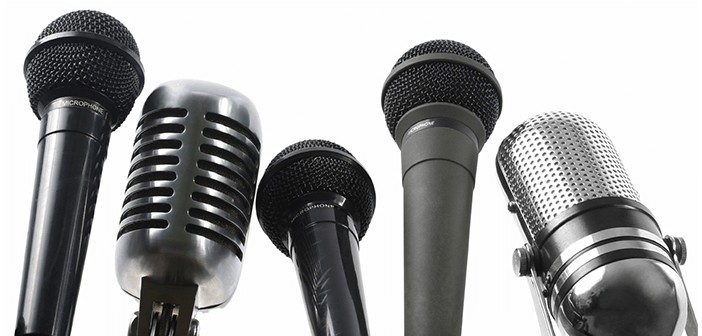
The heart of any recording setup lies in its microphone. Different types of microphones employ distinct mechanisms to convert sound waves into electrical signals, each with its own characteristics that make it suitable for particular applications.
The Importance of Phantom Power
Certain microphones, particularly condenser microphones, require an external power source to operate. This supplementary electrical current, known as "phantom power," is typically supplied by an audio interface or mixer via the microphone’s cable. It’s a standard feature in professional audio equipment and should not be a cause for intimidation; rather, it’s a necessary component for specific microphone types. Phantom power enables the internal electronics of the condenser microphone to process the subtle audio signals it captures, transforming them into a usable output for your recording devices.
USB Microphones: Convenience for the Entry Level
USB microphones have gained popularity for their plug-and-play simplicity, making them an attractive option for beginners.
Advantages of USB Microphones:
- Ease of Use: They connect directly to a computer via USB, eliminating the need for separate audio interfaces or preamplifiers for basic recording.
- Portability: Their compact design and direct computer connectivity make them ideal for on-the-go recording or small home studios.
- Cost-Effectiveness: Generally, USB microphones offer a more budget-friendly entry point into audio recording.
Disadvantages of USB Microphones:
- Limited Upgrade Path: While convenient, they often offer less flexibility and a less robust upgrade path compared to traditional XLR microphones.
- Potential for Latency: Depending on the computer and software, USB microphones can sometimes introduce latency, impacting real-time monitoring.
- Sound Quality Limitations: While improving, many USB microphones may not achieve the same level of sonic fidelity and detail as higher-end XLR condenser microphones.
Dynamic Microphones: Robust and Reliable
Dynamic microphones are known for their durability and their ability to handle high sound pressure levels without distortion. They work by using a diaphragm attached to a coil of wire that moves within a magnetic field, generating an electrical current.
Dynamic Microphone Pros:
- Durability: They are exceptionally robust and can withstand rough handling, making them suitable for live performance and demanding environments.
- High SPL Handling: They excel at capturing loud sources like drums or guitar amplifiers without clipping.
- No External Power Required: Unlike condenser mics, dynamic microphones do not require phantom power.
- Less Sensitive to Room Acoustics: Their less sensitive nature makes them more forgiving in untreated rooms.
Dynamic Broadcast Voiceover Mic Cons:
- Lower Sensitivity: They generally produce a weaker signal than condenser microphones, often requiring a preamplifier with significant gain.
- Less Detail in Nuance: They may not capture the subtle nuances and high-frequency detail as effectively as condenser microphones.
- Limited Frequency Response: Some dynamic mics have a more colored or less flat frequency response compared to condensers.
Large Diaphragm Condenser Microphones: The Standard for Vocal Clarity
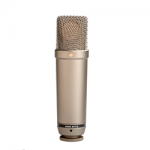
Large diaphragm condenser (LDC) microphones are the industry standard for capturing vocals, including voiceover work, due to their sensitivity and ability to reproduce sound with exceptional detail and clarity.
Large Diaphragm Condenser Pros:
- Superior Detail and Nuance: They excel at capturing the subtle textures and nuances of the human voice.
- Extended Frequency Response: LDCs typically offer a wider and flatter frequency response, providing a more accurate representation of the original sound.
- Higher Sensitivity: They produce a stronger signal than dynamic microphones, requiring less gain from preamplifiers.
- Rich and Warm Tone: Many LDCs are prized for their ability to impart a pleasing warmth and richness to vocal recordings.
Large Diaphragm Condenser Cons:
- Requires Phantom Power: They necessitate an external power source, typically 48V phantom power.
- More Fragile: Condenser capsules can be more sensitive to physical shock and environmental factors like humidity.
- Picks Up More Room Noise: Their high sensitivity means they are more prone to capturing unwanted background noise and room reflections, requiring a treated recording space.
- Higher Cost: Generally, LDCs tend to be more expensive than dynamic microphones.
Understanding Polar Patterns: Directing the Microphone’s Focus
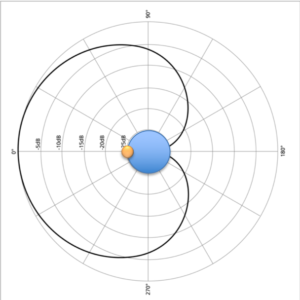
A microphone’s polar pattern dictates its directional sensitivity – where it picks up sound most effectively. This is a critical factor in isolating your voice and minimizing unwanted background noise.
- Cardioid: The most common pattern for voiceover work. It picks up sound primarily from the front, with significant rejection from the sides and rear. This pattern is ideal for isolating a single sound source.
- Supercardioid/Hypercardioid: These patterns offer tighter front pickup than cardioid and greater side rejection, but they also pick up a small amount of sound directly from the rear. This can be useful in noisy environments but requires precise positioning.
- Omnidirectional: Picks up sound equally from all directions. While it offers a very natural sound, it’s generally not suitable for voiceover work in untreated spaces due to its susceptibility to room acoustics and background noise.
- Bidirectional (Figure-8): Picks up sound equally from the front and rear, with maximum rejection from the sides. This pattern is often used for interviews with two people sitting opposite each other or for specific acoustic effects.
For voice actors, the cardioid pattern is paramount. The diagram illustrating a cardioid polar pattern (a top-down view) shows sound being captured most effectively at the 0-degree axis (directly in front of the microphone). Ideally, at approximately 20 degrees off-axis, plosive sounds (like ‘p’ and ‘b’) are minimized while dialogue clarity is maintained. High-end microphones like the Neumann U87 offer switchable polar patterns, providing versatility, but ensuring at least a cardioid pattern is essential for voiceover applications.
Technical Features to Consider: Pads and Connectors
Understanding Microphone Pads
Microphone pads are attenuators, essentially switches that reduce the level of the incoming sound signal. While useful for extremely loud sound sources like amplified instruments, they are generally not a primary concern for voice artists unless working with exceptionally loud vocal performances or in specific acoustic scenarios. Some microphones feature built-in pad switches, while others do not.
The Difference Between Jack and XLR Connectors
The type of connector a microphone uses is directly related to its power requirements and signal integrity.
- XLR Cables: These are the standard for professional microphones, especially those requiring phantom power. The 3-pin XLR connector not only facilitates the transmission of phantom power but also supports balanced audio signals. Balanced cables utilize a system that effectively cancels out noise picked up along the cable’s length, resulting in a cleaner and higher-quality audio signal. It is always recommended to use balanced cables whenever possible within your audio chain.
- Jack Cables (TRS/TS): These are more common in consumer audio equipment. While some microphones may utilize jack connectors, professional voiceover microphones that require phantom power will almost exclusively use XLR connections. If a microphone intended for voiceover work only offers a jack connection, it is advisable to continue searching for a more suitable professional option.
Key Considerations When Choosing the Best Microphone for Voice Acting
The "best" microphone for voice acting is ultimately the one that integrates seamlessly into your workflow with minimal technical issues, while capturing the highest possible sound quality that complements your unique vocal characteristics and the specific type of voice work you intend to pursue.
It’s important to recognize that not all microphones are created equal. Their internal design and frequency response can significantly alter the original sound. A microphone with a non-flat frequency response will impart its own sonic signature. For instance, some microphones, not specifically designed for voiceover, might have an artificial boost in the high frequencies, which can lead to excessive sibilance (harsh ‘s’ sounds) in certain voices, particularly female voices. The most expensive microphone on the market is not necessarily the best choice for your voice. Establishing a clear budget and selecting the optimal microphone within that financial framework is a pragmatic approach.
A Spectrum of Voiceover Microphones: Options Across Budgets
The following list presents a curated selection of microphones recognized for their quality and suitability for voiceover work, categorized loosely by price point and performance.
Mid-Range Powerhouses (Approximately $250 – $500)
-
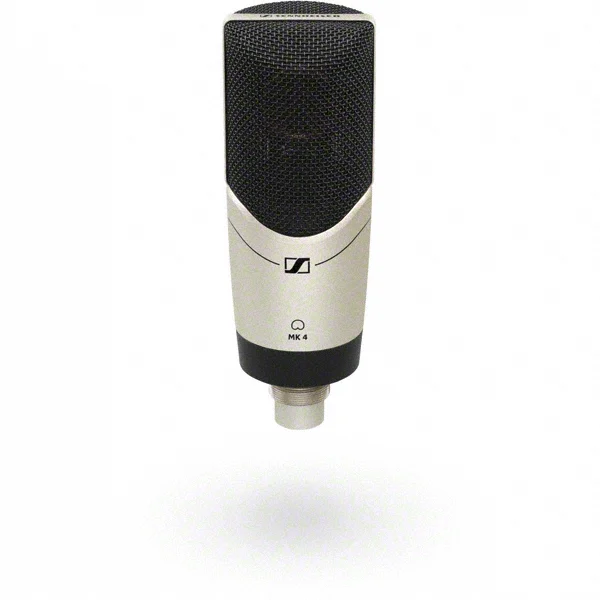
Sennheiser MK4 (~$350/£300): Often hailed as a top recommendation for working voice artists, the MK4 shares its diaphragm capsule design with the esteemed Neumann U87, developed by the same engineering team. This cardioid-only microphone offers exceptional sound quality for both male and female voices, boasting robust build quality and reliability. Its performance and value proposition make it a standout option in its price category, often sold directly by reputable voiceover resources.
-
Rode NT1/NT2 (~$249/£200): The Rode NT1 and NT2 series are excellent entry-level microphones for voiceover artists. They provide good resonance and a frequency response comparable to more expensive options. Known for their low self-noise and neutral sound, they deliver high-quality recordings with a wide dynamic range. While a trained ear might detect the distinct "Rode sound" which differs from the transparency of some premium mics, they represent a solid and accessible choice for newcomers.
-
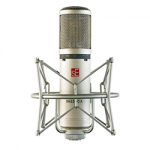
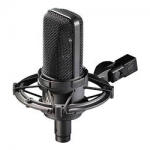
sE Electronics sE2200a II C ($299): This versatile condenser microphone delivers an upfront, high-quality sound, making it an ideal choice for novice voice actors. Features such as a high-pass filter and a 10dB pad offer valuable sound-shaping capabilities, complemented by its low self-noise.
-
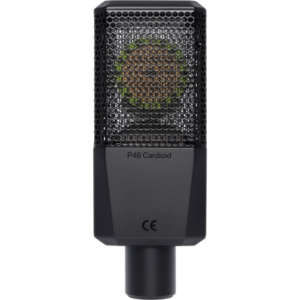
Lewitt LCT 440 Pure (£245): A more recent entrant to the voiceover market, the LCT 440 Pure is a large-diaphragm cardioid condenser microphone featuring an innovative open-front design with an integrated magnetic pop filter and a shock mount. Its 1-inch condenser capsule produces a clear and crisp sound, offering excellent value for its cost.
-
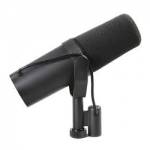
Shure SM7B ($349): A legendary dynamic microphone, the SM7B is a staple in radio and sound studios worldwide. It offers an exceptionally clear sound with retained presence and warmth. Its broad frequency response can be adjusted, with a high-frequency boost option for added presence. The SM7B is particularly well-suited for home studios due to its robust construction and integrated swing-mount for precise positioning. While more common in radio, its vocal qualities make it a strong contender for voiceover.
-
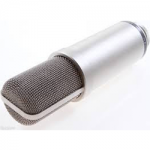
Audio-Technica AT4033 ($399): This cardioid condenser microphone is recognized for its excellent transient response and clean output signals. It features an 80Hz high-pass filter that can be switched between a flat frequency response and a low-end roll-off, effectively diminishing ambient noise and mitigating popping sounds in close-up vocals.
-
Blue Yeti Pro ($249.00): For those starting their voiceover journey on a budget, the Blue Yeti Pro offers a compelling USB option. It provides higher bit recording and the flexibility of XLR output, distinguishing it from the standard Yeti. While USB microphones are not always the primary recommendation, the Yeti Pro stands out as one of the better performing options in this category.
Advanced and Professional Tier (Approximately $500+)
-
Rode NTK ($529): Another strong contender from Rode, the NTK is a ruggedly built microphone that delivers a warm and clear sound profile, making it a good choice for voiceover artists seeking a classic tone.
-
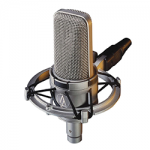
Audio Technica 4047 ($699): Designed with sonic characteristics reminiscent of early FET studio microphones, the AT4047 features a transformer-coupled output and a specially tuned element. It boasts low self-noise, a wide dynamic range, and high SPL capability, with a precision-machined brass acoustic element for enhanced stability and sensitivity.
-
Miktek C7 ($899): The Miktek C7 is a large-diaphragm FET condenser microphone celebrated for its pleasing sonic qualities. Its versatility is enhanced by three selectable pickup patterns: cardioid, omnidirectional, and bidirectional. The bidirectional pattern is particularly useful for capturing two sound sources simultaneously, making it ideal for interviews and collaborative voiceover projects.
-
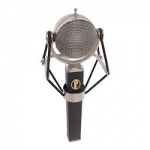
Blue Dragonfly: This microphone from Blue offers an affordable entry into a sweet, vintage-inspired sound akin to classic Neumann and AKG microphones. Its unique capsule positioning flexibility opens up a wide range of sonic possibilities for voiceover artists.
-
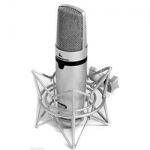
Neumann TLM 103 ($1,099): While the TLM series (Transistorless Microphone) was not initially designed for voiceover, the TLM 103 is widely recommended by voice actors. Its transformerless circuit design ensures low self-noise and a broad dynamic range. The cardioid capsule is finely tuned for acoustic balance and phase cancellation. A potential drawback is its high-frequency lift, which can sometimes result in sibilance with higher female voices.
-
AKG 414 ($1100): The AKG 414 is a professional-grade microphone offering exceptional pickup range and a desirable flat frequency response. It’s a robust and versatile option for any working voice artist, featuring switchable polar patterns and a pad setting.
-
Neumann U87 ($3180/£2500): Often considered the benchmark in professional recording studios worldwide, the U87 has a long-standing reputation as one of the finest vocal recording microphones. Its build quality, performance, and price reflect its premium status. It features switchable polar patterns, a pad, and a flat response, making it suitable for a wide range of voices. While a significant investment, the Sennheiser MK4 offers a comparable performance for a fraction of the cost.
-
Sennheiser MKH 416 (Circa $700/£550): The MKH 416 is a hypercardioid microphone, distinct from standard cardioid patterns, requiring precise on-axis positioning. While not originally designed for voiceover, its unique characteristics, when used correctly (close-miking), deliver a powerful, punchy commercial sound. Its ruggedness and durability make it an excellent travel microphone. Many professional voiceover artists possess both a 416 for its specific sonic qualities and a large-diaphragm condenser for broader applications.
Summary: Navigating Your Microphone Choice
The selection of the best microphone for voice acting begins with a clear understanding of your budget and the desired range of microphone performance. The microphones listed above are industry-recognized for their quality and reliability. For those seeking to further refine their home recording setup and gain deeper insights into microphone technology, specialized courses and resources are available.
[Article Version 1.6 Updated on 6th Jan 2026]
