

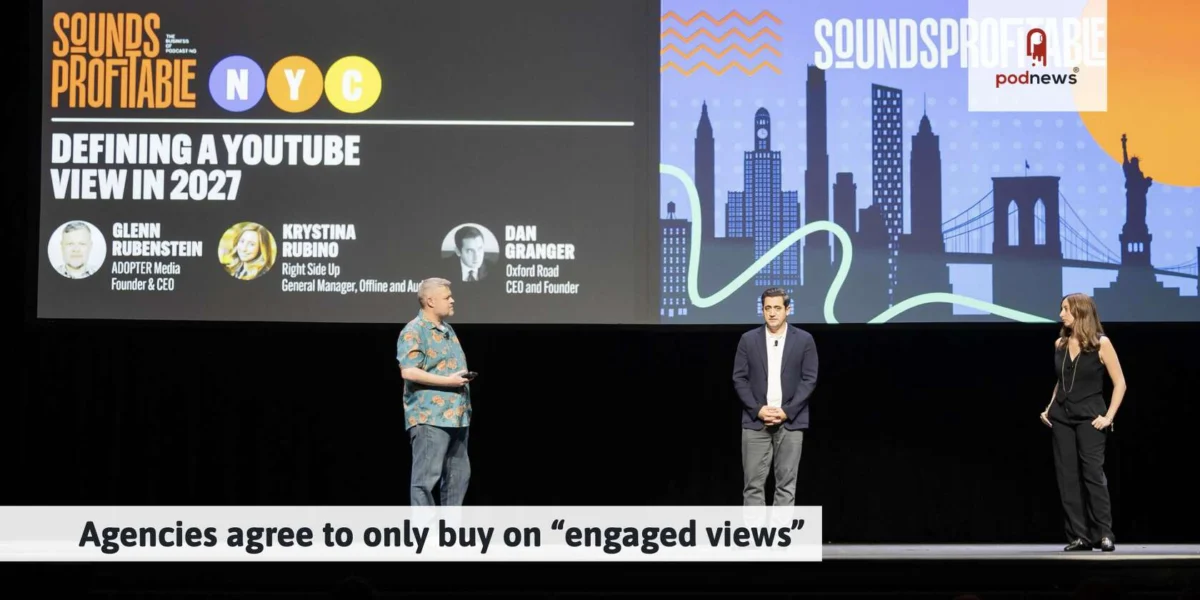
The advertising industry, a complex ecosystem where impressions and engagement are the lifeblood of campaigns, has taken a significant step towards greater transparency and accountability. A consortium of major agencies has announced a unified agreement to prioritize purchasing advertising inventory based on "engaged views," a metric that moves beyond mere visibility to measure actual audience interaction. This landmark decision, spearheaded by industry leaders and supported by various stakeholders, signals a potential paradigm shift in how digital advertising is valued and transacted, with profound implications for publishers, advertisers, and consumers alike. The agreement, which emerged from extensive discussions and industry-wide consultations, aims to address long-standing concerns about ad fraud, viewability, and the true effectiveness of digital ad spend.

The Genesis of "Engaged Views"
The concept of "engaged views" is not entirely new, but its formal adoption as a purchasing standard represents a critical evolution. Traditionally, advertisers have relied on metrics like impressions (the number of times an ad is displayed) and basic viewability standards (often defined as an ad being 50% visible for one second). However, the digital landscape has evolved, and with it, the sophistication of ad delivery and the potential for manipulation. "Engaged views" are designed to capture a more meaningful interaction. While the precise definition can vary slightly depending on the platform and the specific agreement, it generally encompasses instances where an ad is not only viewable but also actively interacted with by a user, or at least held on screen for a significant duration that suggests genuine attention. This could include metrics such as:
- Active viewing time: The ad remains on screen for a predetermined minimum duration, indicating sustained attention.
- User interaction: The user clicks on the ad, scrolls over it, or otherwise engages with it in a way that suggests active interest.
- Completion of video ads: For video advertising, this means a certain percentage of the ad has been viewed.
- Absence of bot traffic: Robust verification mechanisms are in place to ensure the engagement is from a real human user and not an automated bot.
This shift is a direct response to the growing frustration among advertisers and agencies regarding the efficacy of their digital ad spend. Reports of ad fraud, where advertisers pay for impressions or clicks generated by non-human traffic, have plagued the industry for years, leading to billions of dollars in wasted expenditure. Furthermore, the increasing prevalence of "banner blindness" and ad-blocking software means that simply displaying an ad does not guarantee it will be seen or registered by the intended audience. The "engaged views" standard aims to cut through this noise, ensuring that advertisers are paying for genuine audience attention and not just digital real estate.

Industry Consensus and Implementation
The agreement has been met with widespread support from key players within the advertising ecosystem. Leading advertising agencies, often acting as intermediaries between brands and media platforms, have been instrumental in driving this initiative. Their collective commitment to shifting their media buying strategies signals a powerful market force. This unified stance is crucial, as it creates a consistent demand for platforms that can deliver and accurately report on engaged views.
The implementation of this new standard is expected to be a phased process. Initially, agencies will likely focus on integrating "engaged views" into their existing campaign metrics and reporting frameworks. This will involve working closely with demand-side platforms (DSPs), supply-side platforms (SSPs), and publishers to ensure compatibility and accurate measurement. Over time, the definition of an "engaged view" may be refined and standardized across the industry, potentially through the establishment of independent verification bodies or industry-specific guidelines.

Key stakeholders involved in the agreement include:
- Major Advertising Holding Companies: Groups like WPP, Omnicom, Publicis Groupe, Interpublic Group (IPG), and Dentsu Aegis Network have been central to the discussions. Their commitment to reallocating budgets towards engaged views will significantly influence the market.
- Industry Bodies: Organizations such as the IAB (Interactive Advertising Bureau) and the Media Rating Council (MRC) are expected to play a vital role in developing and overseeing the standards for "engaged views."
- Technology Providers: DSPs, SSPs, and ad verification companies will need to adapt their platforms and services to support the new metrics and reporting requirements.
- Publishers: Content creators and media owners will be incentivized to focus on creating engaging content and user experiences that naturally lead to higher levels of audience interaction.
Supporting Data and Market Trends
The push for "engaged views" is not an isolated development but is supported by a growing body of data and market trends. Research consistently highlights the shortcomings of traditional metrics in reflecting true advertising effectiveness. For instance, studies have shown that a significant percentage of digital ad impressions are never actually seen by human eyes, due to factors like bots, above-the-fold placement that is immediately scrolled past, or ads served on pages that users quickly abandon.

Furthermore, the rise of attention-based metrics in other marketing disciplines, such as the focus on audience retention and engagement in content marketing and social media, underscores the industry’s move towards valuing quality of attention over quantity of exposure. The shift also aligns with the increasing sophistication of AI and machine learning in advertising, which can be leveraged to better identify and target engaged users.
Supporting data points include:

- Ad Fraud Statistics: Industry estimates for the annual cost of ad fraud vary, but consistently run into billions of dollars globally, highlighting the need for more robust verification.
- Viewability Rates: While viewability standards have improved, a substantial portion of ads still fail to meet even basic visibility criteria, let alone active engagement.
- Consumer Behavior: Data on time spent on websites and apps, as well as interaction rates with digital content, provides a baseline for what constitutes genuine engagement.
- Effectiveness Studies: Campaigns that prioritize engaged audiences often report higher conversion rates, brand recall, and return on ad spend (ROAS).
Broader Impact and Implications
The widespread adoption of "engaged views" as a purchasing standard will have far-reaching consequences across the digital advertising landscape.
For Advertisers:
Advertisers can expect to see a more efficient allocation of their marketing budgets. By paying for demonstrable audience attention, they can reduce waste from fraudulent impressions and low-impact placements. This should lead to improved campaign performance, higher conversion rates, and a clearer understanding of the true value of their ad spend. The focus will shift from simply buying impressions to investing in quality audience engagement.

For Publishers:
Publishers will be incentivized to create higher-quality content and user experiences that capture and retain audience attention. Those who can demonstrate a track record of delivering engaged audiences will likely see increased demand and potentially higher CPMs (cost per mille, or cost per thousand impressions). Conversely, publishers relying on low-quality traffic or manipulative practices may struggle to attract investment. This could lead to a more discerning and quality-focused publishing ecosystem.
For Technology Providers:
Ad tech companies, including DSPs, SSPs, and ad verification platforms, will need to innovate and adapt their offerings to meet the new demand for "engaged views" measurement and reporting. Companies that can provide accurate, transparent, and verifiable data on user engagement will be well-positioned for growth. This could spur further development in areas like AI-driven audience analysis and fraud detection.

For the Consumer:
While the primary beneficiaries are advertisers and publishers, consumers may also indirectly benefit. A more accountable advertising system could lead to fewer intrusive and irrelevant ads. As platforms focus on delivering value to advertisers through genuine engagement, the ad experience for consumers might become less disruptive and more aligned with their interests. However, concerns about data privacy and the potential for new forms of engagement tracking will need to be carefully managed.
Potential Challenges and Future Developments
Despite the widespread support, the transition to an "engaged views" standard will not be without its challenges. Defining and measuring "engagement" consistently across diverse platforms and ad formats is a complex undertaking. There will be a period of calibration and potential disputes as the industry works towards a universally accepted framework.

Key challenges include:
- Standardization: Developing a clear, consistent, and measurable definition of "engaged views" that is applicable across all digital channels (display, video, social, native, etc.).
- Measurement Accuracy: Ensuring the accuracy and reliability of measurement tools, particularly in combating sophisticated fraud techniques.
- Platform Integration: Seamless integration of new measurement protocols into existing ad tech infrastructure, which can be a complex and time-consuming process.
- Cost Implications: The initial investment in new technologies and processes for measurement and reporting may be a barrier for some smaller players.
Looking ahead, the move towards "engaged views" is likely to be a catalyst for further innovation in audience measurement and ad verification. We may see the development of more sophisticated metrics that go beyond simple interaction, such as measuring the impact of an ad on brand perception or purchase intent. The industry’s commitment to this principle underscores a growing maturity and a recognition that the future of digital advertising lies in delivering genuine value and demonstrable results, rather than simply occupying digital space. This agreement represents a significant step towards a more transparent, accountable, and effective digital advertising ecosystem.
