

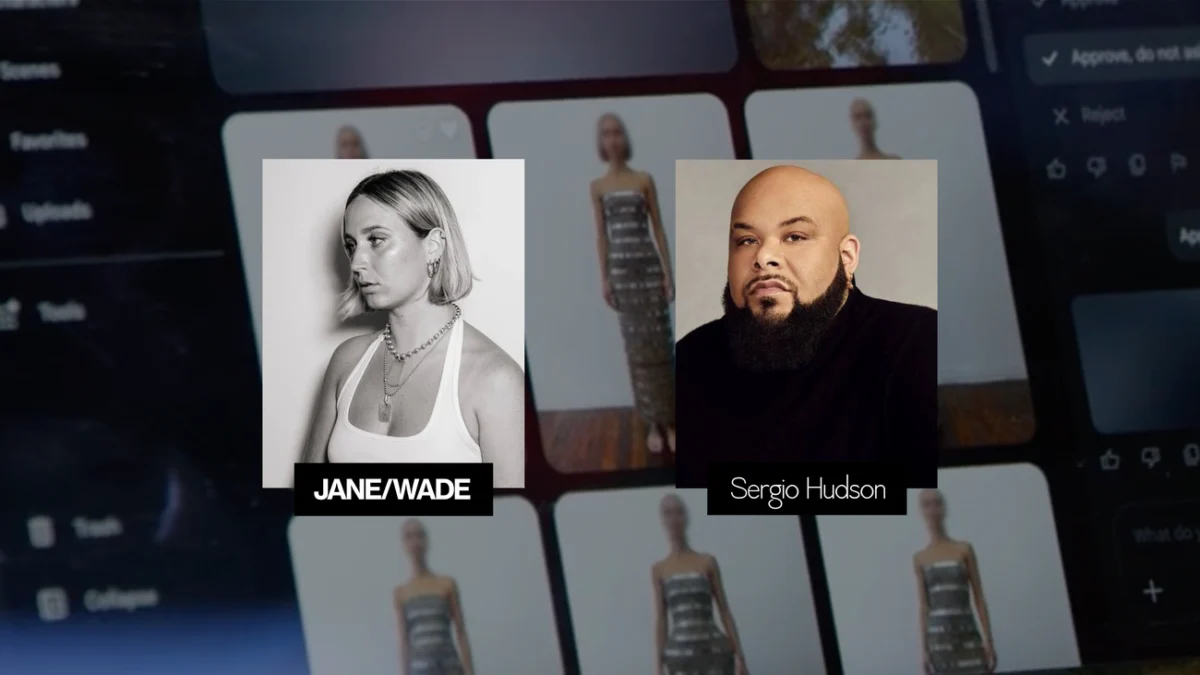
As New York Fashion Week (NYFW) continues to serve as the global epicenter for sartorial innovation, the intersection of high fashion and generative artificial intelligence has moved beyond experimental curiosity into the realm of essential infrastructure. In a landmark collaboration ahead of the Spring/Summer runway season, Google’s Envisioning Studio, supported by Google Labs, partnered with acclaimed independent designers Jane Wade and Sergio Hudson to develop bespoke AI tools designed to alleviate the logistical and financial burdens that often stifle creative expression. By utilizing Google Flow, a no-code AI creative studio, these designers have pioneered a new workflow that prioritizes design over administration, offering a blueprint for the future of the multibillion-dollar fashion industry.
The fashion industry has long grappled with a stark dichotomy: while the public sees the glamour of the runway, the reality for independent designers is a grueling cycle of administrative tasks, vendor management, and complex logistics. Market research suggests that lead designers at independent labels spend as little as 20% of their time on actual garment design, with the remainder consumed by the "business of fashion." This collaboration sought to invert that ratio, providing Wade and Hudson with custom-built tools—the Styling Suite and Runway Visualization—to streamline the most resource-intensive aspects of show preparation.
The Evolution of the Creative Workflow: A Chronological Overview
The development of these tools began months before the first model stepped onto the NYFW runway. The process initiated with a series of deep-dive consultations between Google engineers and the design teams to identify specific "friction points" in the traditional fashion cycle. For Jane Wade, known for her utilitarian yet avant-garde approach to workwear, the bottleneck was the "fitting and casting" phase. Traditionally, this process requires a minimum of three full days, involving a rotating cast of models, stylists, and seamstresses to finalize head-to-toe looks.
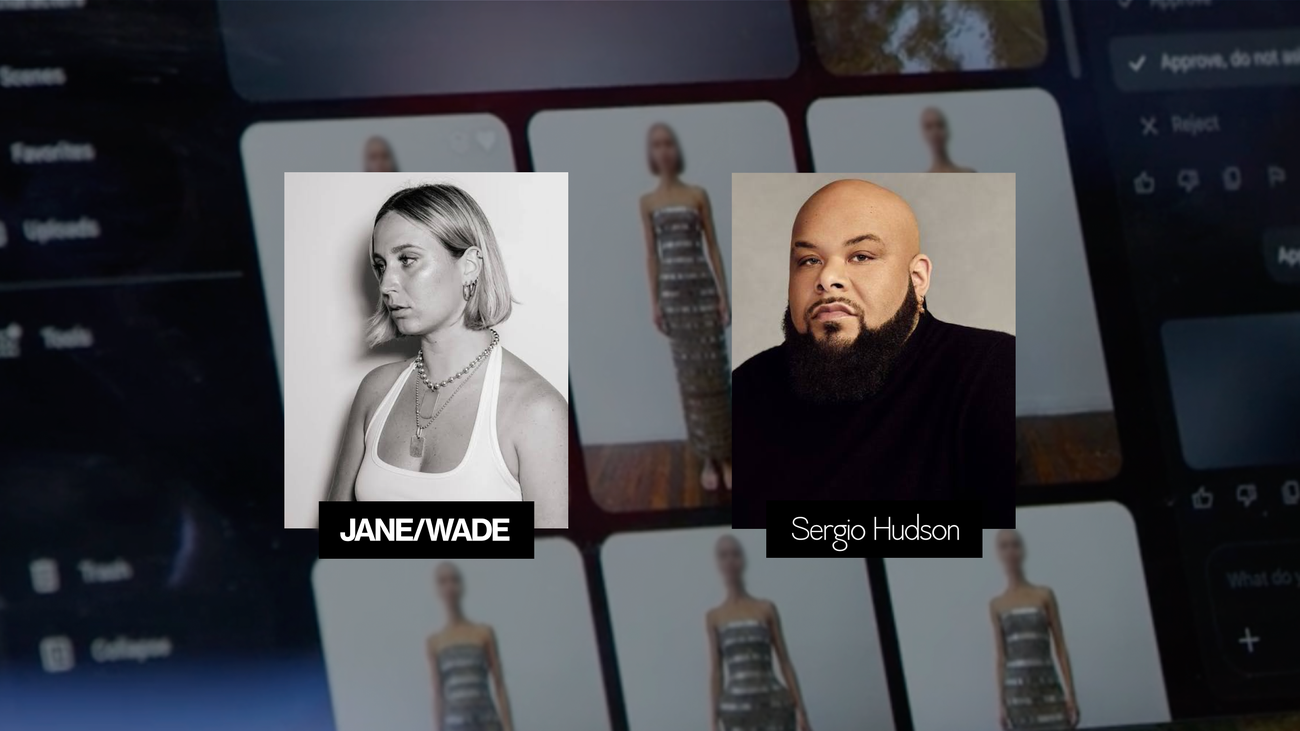
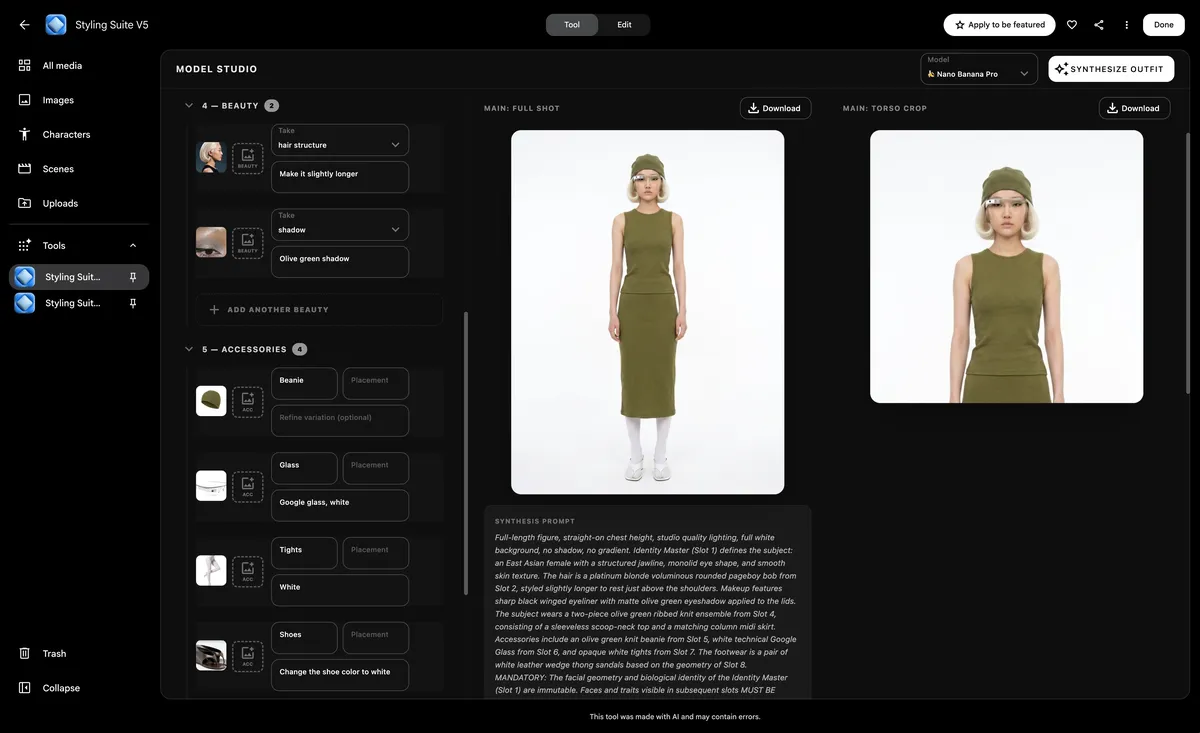
By mid-summer, the teams began prototyping the Styling Suite within Google Flow. Unlike generic AI image generators, this tool was engineered to recognize the specific textures, silhouettes, and color palettes of Wade’s upcoming collection. Simultaneously, Sergio Hudson, a designer celebrated for his high-glamour aesthetic and precision tailoring, worked with Google to address the prohibitive costs of runway production. Hudson’s challenge was spatial and financial; the cost of 3D renderings for stage design can range from thousands to tens of thousands of dollars per iteration.
As NYFW approached in September, these tools were integrated into the designers’ daily operations. The chronology of the project culminated in the live shows, where the digital preparations were manifested in physical reality. The transition from AI-assisted visualization to physical execution was seamless, marking a significant milestone in the practical application of generative technology.
Jane Wade and the Digital Styling Suite: Efficiency in Design
The "Styling Suite" co-created with Jane Wade represents a paradigm shift in how collections are curated. In the traditional model, a designer must wait for physical samples to be manufactured before they can truly "see" the balance of a look. If a specific accessory or garment doesn’t harmonize with the rest of the outfit, the designer must often restart the production process, leading to material waste and lost time.
Wade’s custom Google Flow tool allowed her to map every facet of her runway looks onto digital models. By inputting natural language descriptions and uploading preliminary sketches, she could virtually experiment with hair, makeup, shoes, and accessories. This digital sandbox enabled her to identify "missing links" in the collection—such as the need for a specific mid-layer or a different hemline—before a single yard of fabric was cut.

Industry data highlights the importance of this efficiency: the average independent designer produces 30 to 50 looks for a NYFW show. By reducing the in-person fitting time from three days to a series of digital sessions, Wade’s team saved an estimated 70 hours of labor, allowing that energy to be redirected toward the artisanal craftsmanship of the garments themselves. Furthermore, the tool acted as a bridge between the creative and production teams, providing a clear visual reference that reduced the likelihood of errors during the final manufacturing stage.
Sergio Hudson and Runway Visualization: Democratizing Set Design
While Wade focused on the garments, Sergio Hudson utilized Google Flow to solve the "runway problem." The cost of producing a New York Fashion Week show has skyrocketed, with venue rentals, lighting, and set design often exceeding $100,000 for a 15-minute presentation. For independent designers, these costs are often the primary barrier to entry for large-scale storytelling.
Hudson’s "Runway Visualization" tool provided a high-fidelity simulation of his venue. Traditionally, any change to a set—such as moving a lighting rig or changing the color of a backdrop—required a professional 3D renderer to update their models, a process that is both slow and expensive. With the Google Flow tool, Hudson could adjust lighting, swap props, and even simulate the path models would walk in real-time.
This capability allowed Hudson to "ground his design in a real budget." By visualizing the impact of different lighting configurations, he could make informed decisions that maximized visual impact without incurring additional vendor fees for "re-rendering." The tool also allowed him to optimize the viewer experience, ensuring that the garments were illuminated correctly for both the live audience and the high-resolution photography that fuels post-show sales.
Supporting Data: The Economic and Environmental Case for AI in Fashion
The implications of the Google-Wade-Hudson collaboration extend far beyond the runways of Manhattan. The global market for AI in the fashion industry was valued at approximately $1.5 billion in 2023 and is projected to reach $16 billion by 2030, representing a compound annual growth rate (CAGR) of over 40%. This growth is driven by three primary factors: cost reduction, speed to market, and sustainability.
- Waste Reduction: The fashion industry is responsible for nearly 10% of global carbon emissions. Virtual styling and sampling, as demonstrated by Jane Wade, can reduce the number of physical prototypes required by up to 40%, significantly cutting down on textile waste.
- Operational Savings: For a small to mid-sized fashion house, the administrative overhead can account for 30% of the total operating budget. AI tools that automate scheduling, logistics, and visualization can reduce this overhead by an estimated 15-20%.
- Accessibility: By utilizing no-code platforms like Google Flow, the barrier to entry for advanced technology is lowered. Designers no longer need to hire dedicated software engineers or expensive consulting firms to build custom solutions; they can simply describe their needs in natural language.
Industry Reactions and the Shift Toward Practical AI
The response from the fashion community has been one of cautious optimism. While there is a persistent fear that AI might replace the "human touch" in design, the Google collaboration demonstrates that the technology is most effective when it acts as a "co-pilot" rather than a replacement.
"AI is moving out of ‘pilot mode’ and into the studio," noted a spokesperson from Google’s Envisioning Studio. "The goal isn’t to design the clothes for the designer; it’s to remove the friction that prevents them from designing the clothes themselves. We are building tools that put the designer firmly in the driver’s seat."
Independent fashion analysts suggest that this "bespoke tool" approach is the key to AI adoption. Unlike broad, consumer-facing AI that generates generic images, the tools built in Google Flow are highly specialized. They respect the designer’s unique intellectual property and aesthetic "DNA," ensuring that the output is always a reflection of the human creator.

Broader Implications: A New Era of Fashion Technology
As New York Fashion Week concludes, the success of Jane Wade and Sergio Hudson’s digital integration marks a turning point. We are entering an era where the competitive advantage of a fashion house will be determined not just by its creative vision, but by its "technological agility."
The democratization of these tools via no-code platforms like Google Flow means that the next generation of designers—many of whom lack the massive corporate backing of legacy luxury brands—can compete on a global stage. They can visualize their shows, style their collections, and manage their budgets with the same sophistication as a multi-billion dollar conglomerate.
Furthermore, this collaboration signals a shift in the tech industry’s approach to fashion. Rather than imposing technology on the industry, Google’s strategy of "co-creation" ensures that the tools are fit for purpose. By working side-by-side with designers in the high-pressure environment of NYFW, tech companies can refine their algorithms to meet the nuanced, tactile needs of the garment industry.
In conclusion, the future of fashion is being rewritten not in code, but in the collaboration between human intuition and machine efficiency. As Jane Wade and Sergio Hudson have demonstrated, when designers are freed from the weight of administrative logistics, the result is a more vibrant, balanced, and sustainable creative output. The "future of fashion" is no longer a distant concept; it is a functional, AI-enhanced reality that is currently walking the runways of the world.
