


A decade ago, the world was introduced to a groundbreaking initiative aimed at demystifying the complex landscape of human emotion: the Atlas of Emotions. Launched in 2016, this ambitious project emerged from a unique and profound collaboration between renowned psychologist Dr. Paul Ekman, his daughter Dr. Eve Ekman, and His Holiness the Dalai Lama. The Atlas was conceived with a dual purpose: to provide a scientifically rigorous framework for understanding emotions and to make this knowledge accessible to a global audience. Today, the Atlas of Emotions stands as a testament to the enduring power of interdisciplinary collaboration, its influence having permeated educational institutions, therapeutic practices, academic research, and everyday conversations across the globe.
The genesis of the Atlas of Emotions can be traced back to Dr. Paul Ekman’s lifelong pursuit of understanding the universality of human emotional expression. His seminal research, including a comprehensive survey of nearly 250 emotion scientists, established a strong consensus on the existence and nature of universal emotions. This foundational agreement provided the bedrock upon which the Atlas was built, aiming to map the intricate nuances of emotional experience in a way that resonated with both scientific inquiry and contemplative wisdom.
A Glimpse Behind the Scenes: The Collaborative Journey
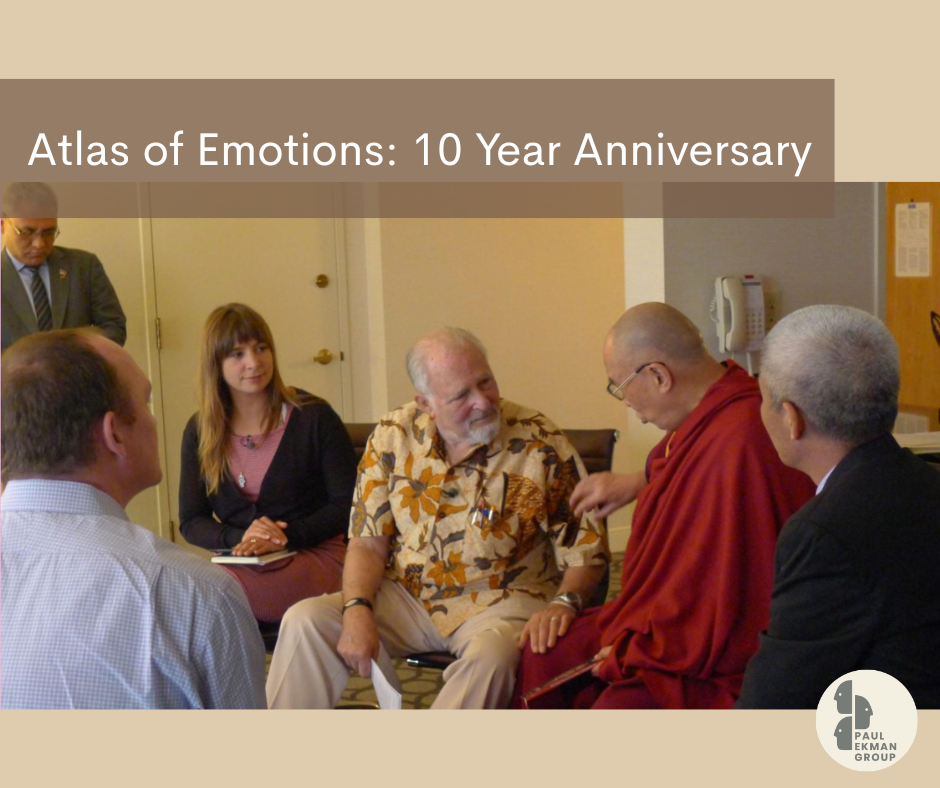
To commemorate this significant ten-year milestone, never-before-seen footage has been released, offering an intimate look into a working meeting between Dr. Paul Ekman, Dr. Eve Ekman, and His Holiness the Dalai Lama as they meticulously reviewed the Atlas in its developmental stages. This unearthed material captures the very essence of the project’s ambitious scope – an interdisciplinary endeavor that seamlessly integrated cutting-edge psychological research, sophisticated graphic design, and the profound contemplative insights of the Dalai Lama. The footage underscores the collaborative spirit that defined the project, highlighting the shared commitment to creating a tool that could foster greater emotional literacy worldwide. This commitment was not merely aspirational; it was built upon years of rigorous scientific investigation and dialogue, aiming to bridge the gap between objective scientific findings and the subjective experience of human emotion.
From Conception to Global Reach: The Atlas’s Decade of Impact
The Atlas of Emotions’ launch in 2016 garnered immediate international attention. Prestigious media outlets, including The New York Times, recognized its innovative approach to charting the emotional terrain and its success in translating complex psychological concepts into accessible public understanding. The article in The New York Times, published in May 2016, specifically highlighted the collaboration with the Dalai Lama and the website’s objective to make emotions understandable for everyone. This early recognition served as a powerful catalyst, propelling the Atlas into widespread adoption across diverse sectors.
Over the past decade, the Atlas has found application in a multitude of settings:
- Education: It has been integrated into curricula at various educational levels, from primary schools to university courses, equipping students with the language and frameworks to understand their own emotions and those of others. This has contributed to fostering environments that are more emotionally intelligent and supportive.
- Mental Health and Therapy: Therapists and counselors have utilized the Atlas as a therapeutic tool, helping clients to identify, articulate, and process their emotional experiences. Its visual and conceptual clarity aids in building emotional resilience and developing healthier coping mechanisms. Studies in clinical psychology have indicated that tools facilitating emotional granularity—the ability to distinguish between different emotions—are associated with improved psychological well-being and reduced emotional distress.
- Research: The Atlas has served as a valuable resource for researchers in psychology, neuroscience, and sociology, providing a standardized framework for studying emotional responses, cross-cultural emotional expression, and the impact of emotions on behavior. Its accessibility has facilitated larger-scale studies and cross-disciplinary collaborations.
- Personal Development: Individuals have leveraged the Atlas for self-awareness and personal growth, using it as a guide to navigate their inner emotional worlds, improve relationships, and make more informed decisions. The increased self-awareness fostered by such tools is often linked to better conflict resolution and enhanced interpersonal effectiveness.
- Organizational Development: In professional settings, the Atlas has been employed to enhance team dynamics, improve communication, and foster more empathetic leadership. Organizations that prioritize emotional intelligence often report higher employee engagement and productivity.
A Call for Engagement: Shaping the Future of the Atlas
As the Atlas of Emotions celebrates this significant ten-year anniversary, the creators are not only reflecting on past achievements but are also actively looking towards the future. To ensure its continued relevance and impact, they are inviting users to share their experiences and insights. A dedicated feedback form has been established, encouraging individuals to detail how they have utilized the Atlas, what it has helped them to perceive, comprehend, or transform in their lives. This direct engagement with the user community is crucial for informing the next evolutionary phase of the Atlas. The feedback collected will be instrumental in identifying areas for enhancement, understanding novel applications, and ensuring that the Atlas continues to meet the evolving needs of its diverse user base. This participatory approach underscores a commitment to user-centric development, ensuring that the Atlas remains a vital and responsive resource.
Charting the Path Forward: Innovations and New Releases
The celebration of the Atlas’s tenth anniversary is accompanied by exciting announcements regarding its future development. Significant updates are in the pipeline for the online, interactive Atlas of Emotions, promising enhanced features and a more dynamic user experience. Furthermore, Dr. Eve Ekman is currently authoring a comprehensive Atlas of Emotions book, slated for release in 2027. This forthcoming publication is anticipated to delve deeper into the foundational concepts of the Atlas, offering expanded insights, updated research findings, and innovative methodologies for engaging with the intricate spectrum of human emotion. The book aims to serve as a definitive resource, building upon the original framework and providing new perspectives for understanding how emotions shape our lives and interactions. Interested individuals are encouraged to join an announcement list to be among the first to be notified upon the book’s release, ensuring they do not miss this significant contribution to the field of emotional intelligence.
The Atlas of Emotions represents a landmark achievement in the scientific and public understanding of human emotions. Its decade-long journey from conception to global impact, fueled by collaboration and a commitment to accessibility, has laid a robust foundation for its continued evolution. As it embarks on its next chapter, the Atlas remains poised to empower individuals and communities with the knowledge and tools necessary to navigate the complexities of their emotional lives, fostering greater empathy, understanding, and well-being across the world. The ongoing development and the forthcoming book signify a commitment to deepening this vital work, ensuring that the Atlas of Emotions continues to be a beacon of insight for years to come.
