

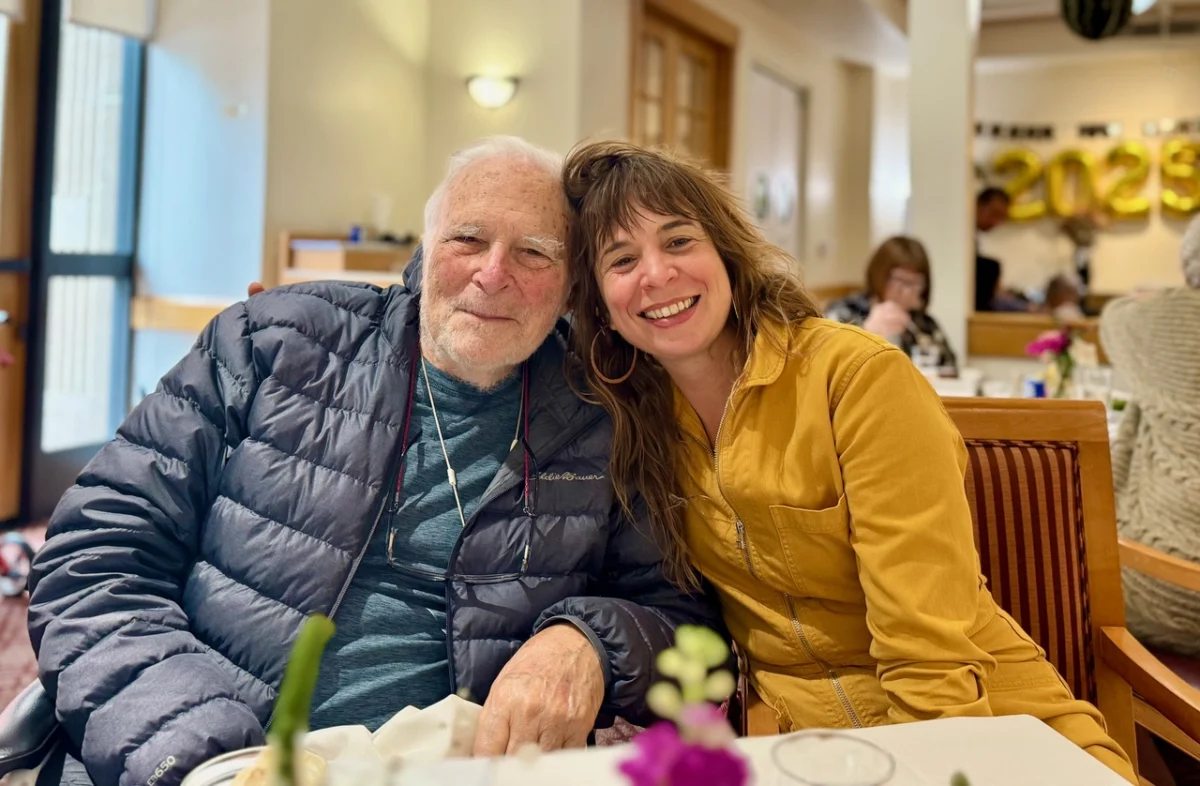
The passing of Dr. Paul Ekman, a towering figure in the field of emotion research and a pioneer in the study of facial expressions, has prompted a wave of reflections on his profound impact on science, psychology, and the human quest for emotional understanding. While tributes have poured in from colleagues, former students, and admirers worldwide, his daughter, Eve Ekman, has offered a deeply personal and nuanced perspective, aiming to present a more comprehensive portrait of her father beyond the scientific accolades and, at times, the controversies that have marked his illustrious career. This comprehensive account seeks to contextualize Dr. Ekman’s life’s work, detailing his foundational contributions, his transformative journey with contemplative traditions, and the enduring legacy of his commitment to reducing human suffering through enhanced emotional intelligence.
From Childhood Trauma to Global Recognition: The Genesis of a Groundbreaking Career
Paul Ekman’s journey into the intricacies of human emotion was deeply rooted in his personal history. Born in Washington, D.C., in 1934, Ekman experienced significant childhood trauma and loss. These formative experiences, as highlighted by his daughter, profoundly shaped his lifelong pursuit of understanding the roots of human emotion, particularly the expression and management of anger and other negative affects. This personal crucible fueled a dedication to becoming the kind of supportive and present parent he had not had, a commitment that permeated his familial relationships and informed his approach to his work.
His academic career began with a focus on psychoanalysis before shifting to the burgeoning field of psychology. Ekman earned his Ph.D. from Adelphi University in 1958. His early research laid the groundwork for what would become his most famous contribution: the universality of facial expressions of emotion. Working with Wallace Friesen, Ekman conducted cross-cultural studies that provided compelling evidence that certain facial expressions—such as happiness, sadness, anger, fear, surprise, disgust, and contempt—are recognized and expressed in similar ways across diverse cultures, including those with limited contact with the outside world. This research challenged prevailing anthropological theories that suggested emotions and their expressions were purely culturally constructed.
The Science of Universal Emotions: Foundational Research and Lasting Impact
Dr. Ekman’s groundbreaking research on the universality of facial expressions began in the 1960s and continued for decades. His collaborations with Friesen, notably the 1967 study involving the Fore people of New Guinea, provided critical evidence. The study showed that even individuals with no exposure to Western media or culture could accurately associate specific facial expressions with depicted emotions. This research, published in seminal papers such as "Constants Across Cultures in the Face and Emotion" (1969), established Dr. Ekman as a leading authority in the field and significantly influenced the development of psychology, neuroscience, and even fields as diverse as national security and animation.
The implications of this research were vast. It suggested a biological basis for core human emotions, providing a common ground for understanding emotional communication across the globe. This understanding has been crucial in various applications, from the development of lie detection technologies to the creation of more empathetic and realistic animated characters in film. The extensive body of peer-reviewed research that built upon Ekman’s foundational findings has replicated, expanded, and refined the field, demonstrating the robustness of his initial discoveries. Hundreds of studies and dozens of laboratories worldwide have since contributed to this growing understanding of human emotion, underscoring the breadth and depth of his scientific legacy.
A Paradigm Shift: The Dharamsala Meeting and the Path to Compassion
A pivotal moment in Dr. Ekman’s life and career occurred in 2000 with a historic meeting in Dharamsala, India. This gathering brought together Dr. Ekman, His Holiness the Dalai Lama, and a distinguished group of scientists and contemplative scholars to explore the nature of "Destructive Emotions." This experience, as described by his daughter, was transformative, fundamentally altering his understanding of himself and the world.
For many years, Dr. Ekman had openly acknowledged his own struggles with anger. The Dharamsala meeting, however, offered him a profound, almost embodied insight into the possibility of living with less reactivity and anger. He often spoke of this moment, describing it as an ineffable experience that profoundly shifted his perspective. This encounter with Buddhist philosophy and contemplative practices marked a significant evolution in his work, moving beyond the identification of emotions to exploring their management and the cultivation of positive emotional states.
His Holiness the Dalai Lama’s core message—that the tools of Buddhist practice could help reduce suffering by fostering emotional understanding, cultivating a calm mind, and promoting kindness—deeply resonated with Dr. Ekman. He embraced this philosophy with the same scientific rigor and insatiable curiosity that had defined his entire career. This fusion of rigorous scientific inquiry with ancient contemplative wisdom became a hallmark of his later work.
Cultivating Emotional Balance and the Atlas of Emotions: Practical Applications of Transformed Understanding
The synergy between Dr. Ekman’s scientific expertise and his newfound appreciation for contemplative traditions led to the development of impactful initiatives aimed at helping individuals understand and manage their emotions. Collaborating with Alan Wallace, a renowned scholar of Buddhism and meditation, he co-created "Cultivating Emotional Balance" (CEB). This evidence-based training program, grounded in both scientific research and contemplative practices, has been offered globally, empowering individuals with practical tools for emotional regulation and compassion. Eve Ekman, with her background as a clinical social worker in a level-one trauma center, played a crucial role in supporting and teaching CEB, ensuring its practical application and accessibility.
Another significant outcome of this period was the creation of the "Atlas of Emotions." Commissioned by the Dalai Lama in 2016, this free online tool was designed to provide a comprehensive vocabulary for understanding and describing the complexities of our emotional lives. The Atlas, soon to be relaunched for its ten-year anniversary, reflects Dr. Ekman’s deep-seated desire to equip people with the knowledge and language to better navigate their internal landscapes, thereby reducing suffering for themselves and others. Both CEB and the Atlas of Emotions stand as testaments to his evolving vision, emphasizing the practical application of emotional understanding for the betterment of human well-being.
Addressing Scientific Discourse: Nuance Beyond Controversy
In the wake of his passing, some media portrayals have focused on perceived controversies surrounding Dr. Ekman’s work, particularly a selective critique that, in Eve Ekman’s view, misrepresented the extensive body of peer-reviewed research supporting his contributions. Disagreement is an inherent and welcome part of the scientific process, and Dr. Ekman himself embraced intellectual debate. However, his daughter argues that framing his life’s work primarily through a single critique, rather than acknowledging the hundreds of studies and dozens of labs that have built upon his foundational findings, distorts both his scientific impact and the broader field of emotion research.
Dr. Ekman’s research has undeniably advanced global understanding of human emotion across disciplines such as psychology, neuroscience, medicine, anthropology, national security, and even the creative arts. His ability to bridge the gap between rigorous scientific inquiry and practical application, coupled with his personal journey of transformation, offers a more complete narrative of his life’s work.
A Life of Purpose: Science in Service of Humanity
Paul Ekman dedicated his life to science in the service of reducing human suffering. This commitment was not solely confined to meticulous laboratory research; it was also deeply embedded in his sincere desire to help people understand themselves better. He achieved this by openly sharing his own vulnerabilities, by actively working to repair relationships, and by evolving into a man characterized by his joy, open-heartedness, and generosity. His ability to forge deep and meaningful connections continued until the final months of his life, a testament to his enduring humanity.
His story is one of a scientist of immense influence, yes, but also of a father who transformed himself from painful beginnings. It is the story of a man who underwent profound and visible personal change, a collaborator who masterfully integrated ancient wisdom with modern science, and a human being who dedicated his final decades to embodying a life marked by less anger and more compassion.
While acknowledging that he was, like all individuals, complicated and imperfect, his daughter emphasizes his kindness, bravery, humor, boundless curiosity, and an unwavering commitment to making the world a better place. This fuller narrative, encompassing both his scientific breakthroughs and his deeply personal transformation, is the legacy Dr. Ekman leaves behind. It is a legacy that highlights not only his significant scientific contributions but also his profound personal journey of understanding emotion and expanding compassion, a lifelong endeavor to learn how to love well. The outpouring of well wishes from around the globe serves as a powerful affirmation of the far-reaching impact of his work and the profound influence he has had on countless lives.
