


In a recent discourse on the nuances of interpersonal influence, a prominent figure in the field, Brian Ahearn, Chief Influence Officer at Influence PEOPLE, articulated a compelling evolution of thought. Building upon his previous assertion that a "Loving and Eternal" approach to influence transcends a mere "Lasting and Ethical" framework, Ahearn engaged with a pertinent question posed by LinkedIn connection Reyes Castillo. Castillo’s inquiry delved into the practical application of this philosophy in coaching: "What’s the first thing someone usually has to stop doing once they start asking what’s best for the other person instead of what’s allowed?" Ahearn’s response, however, pivoted from behavioral cessation to internal transformation, suggesting that true influence begins not with stopping an action, but with cultivating a new way of being.
The Genesis of a Deeper Influence
The dialogue emerged from Ahearn’s ongoing exploration of influence principles, a field he has dedicated his career to, underscored by his role as a faculty member at the Cialdini Institute and personal endorsement by Robert Cialdini, Ph.D., the renowned social psychologist. Castillo’s question, posed during a period of professional reflection for Ahearn, aimed to bridge the theoretical advocacy for a "Loving and Eternal" influence with its tangible manifestation in coaching practice. This exchange, initiated through professional networking on LinkedIn, a platform facilitating global professional dialogue, highlights the dynamic nature of developing and applying sophisticated influence strategies.
Ahearn’s contemplative response, forged during a morning walk, eschewed the direct answer of a behavior to cease. Instead, he proposed that the foundational shift required is not a subtraction of actions, but an addition to one’s internal state. "I don’t think it starts with something we need to stop doing," Ahearn stated. "I think it starts with something we need to do, so we can become." This perspective frames influence not as a set of external tactics, but as an internal disposition that radiates outward.
Influence From the Inside Out: A Paradigm Shift
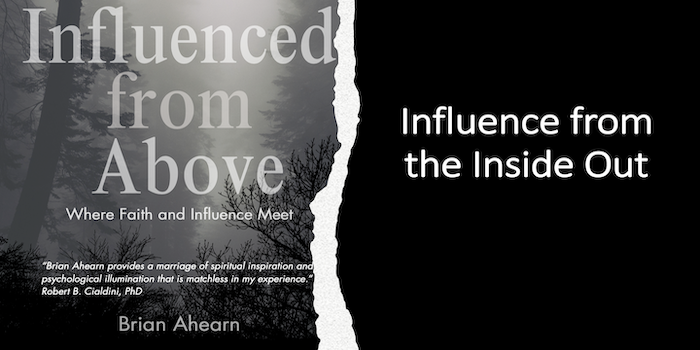
The core of Ahearn’s argument rests on the principle of "influence from the inside out," a concept he likens to the biblical parables of cleaning the inside of a cup before the outside, and a good tree yielding good fruit. These timeless illustrations underscore that outward manifestations are intrinsically linked to internal conditions. In the context of influence, this means that the effectiveness and ethicality of one’s actions are deeply rooted in their internal state of being and their fundamental motivations.
This internal transformation, Ahearn posits, is not merely about adopting new techniques but about cultivating a different kind of person. This internal shift, he argues, precedes and informs external behavior. It is a call to prioritize genuine personal development as the bedrock of effective and ethical influence. This philosophical stance aligns with broader psychological theories that emphasize the impact of mindset and internal motivation on interpersonal interactions and outcomes. Research in organizational psychology, for instance, frequently highlights how leaders’ authentic commitment to employee well-being and growth translates into more positive and productive work environments.
The Liking Principle: A Foundation for Genuine Connection
Ahearn then elaborates on how this internal shift manifests, drawing upon Dr. Cialdini’s well-established principle of Liking. This principle posits that individuals are more predisposed to agree to requests from people they know and like. While the common reaction to this principle is to seek ways to be liked, Ahearn proposes a counterintuitive yet profound reorientation: instead of actively trying to be liked, one should focus on genuinely liking others.
This subtle yet significant shift in focus, from self-centered pursuit of likability to other-centered appreciation, is where the "inside out" approach truly takes hold. Ahearn explains that the very actions one might take to appear likable—such as seeking common ground or offering genuine compliments—become powerful tools for building connection when motivated by a sincere desire to appreciate the other person. This involves actively looking for similarities and observing admirable qualities, leading to discoveries that foster mutual liking.
The critical distinction lies in the internal driver. When the goal is to be liked, the actions are performed with an expectation of return. When the goal is to genuinely like another, the actions are expressions of authentic appreciation. This internal re-calibration, Ahearn notes, shifts attention from the self to the other, a difference that is often palpable and can foster trust and openness. When individuals perceive that they are genuinely liked, they are more inclined to believe that the influencer has their best interests at heart, a cornerstone of enduring influence.
Ethical Versus Loving Influence: A Higher Standard
Returning to the dichotomy of "Lasting and Ethical" versus "Loving and Eternal" influence, Ahearn articulates the elevated standard that love introduces. Ethical influence, while crucial, primarily concerns itself with the permissibility and appropriateness of actions: Is it honest? Is it respectful of autonomy? Does it uphold fairness? These are critical questions that have long been central to ethical conduct and professional practice.
Love, however, introduces a deeper, more aspirational query: "Do I genuinely want what’s best for this person?" This question moves beyond the realm of compliance and into the domain of altruistic concern. It demands a proactive and empathetic engagement with the other’s well-being, not just their immediate agreement or satisfaction. This higher bar, Ahearn acknowledges, presents a significant challenge.
The practical implication is profound. Two individuals employing the exact same influence techniques, asking the same questions, and presenting similar information might be operating with vastly different internal motivations. One might be driven by a desire to secure a "yes," focusing on persuasion for personal or organizational gain. The other, guided by a principle of love, would be driven by a desire to facilitate the other person’s optimal decision-making and well-being. While their outward actions may appear identical, the internal landscape—the driving intention—is fundamentally different. This difference, Ahearn suggests, can be perceived by the recipient, impacting the long-term relationship and the ultimate outcome.
Implications for Professional Practice and Personal Growth
The implications of this "inside out" approach to influence are far-reaching, particularly in professional contexts such as sales, leadership, and coaching. In sales, for instance, shifting from a "what’s allowed" mentality (e.g., adhering to regulations and ethical guidelines) to a "what’s best" mentality means prioritizing the customer’s needs and long-term satisfaction over a quick transaction. This aligns with contemporary customer-centric business models that emphasize building lasting relationships and fostering loyalty through genuine value creation. Data from customer relationship management (CRM) studies consistently show that businesses prioritizing customer well-being and long-term satisfaction experience higher retention rates and greater lifetime customer value.
In leadership, this philosophy translates to a style of servant leadership, where leaders prioritize the growth and development of their teams, fostering an environment of trust and psychological safety. Research published in the Journal of Applied Psychology has repeatedly demonstrated the positive correlation between servant leadership and employee engagement, innovation, and overall organizational performance.
For coaches, the distinction is paramount. A coach operating under the "ethical" framework might ensure that their advice adheres to professional standards and does not unduly pressure the client. A coach operating under the "loving" framework, however, would deeply invest in understanding the client’s true aspirations and challenges, guiding them towards decisions that genuinely serve their long-term flourishing, even if those decisions are more complex or require significant personal effort. This deeper level of engagement can lead to more profound and sustainable client transformation, a key indicator of coaching effectiveness.
The Path Forward: Becoming, Not Just Doing
Ahearn concludes by reframing the initial question from "What should I stop doing?" to a more introspective inquiry: "Who am I becoming and what do I genuinely want for the person I’m trying to influence?" This shifts the locus of change from external behavior to internal identity and intention. It suggests that the pursuit of "Loving and Eternal" influence is not a matter of mastering new techniques but of embarking on a journey of personal growth and self-awareness.
This introspective approach is echoed in various developmental psychology and self-help frameworks that emphasize the importance of values alignment, mindfulness, and cultivating empathy. For instance, studies on emotional intelligence consistently highlight that individuals with higher EQ, characterized by self-awareness and strong social skills, are more effective in their personal and professional relationships.
Ahearn extends an invitation to his network, particularly those he has coached, to share their perspectives on how this shift in thinking impacts their understanding and application of influence principles. This call for dialogue underscores the collaborative nature of developing and refining complex human interaction strategies. The edited nature of the original text, with a note indicating it was "Edited by ChatGPT," also points to the increasing role of AI in refining and disseminating complex ideas, while acknowledging the human authorship and intellectual property.
The author, Brian Ahearn, is a recognized expert in ethical influence, drawing upon his extensive experience as Chief Influence Officer at Influence PEOPLE and his training under Dr. Cialdini. His published works, including "Influence PEOPLE," "Persuasive Selling," and "Influenced from Above," have garnered critical acclaim and bestseller status, further solidifying his position as a thought leader in the field. His popular LinkedIn Learning courses and TEDx Talk on pre-suasion have reached hundreds of thousands globally, demonstrating a broad impact and a consistent message advocating for principled and effective influence. The ongoing discourse initiated by Ahearn suggests a continued evolution in the understanding of influence, moving beyond mere persuasion to a more profound engagement rooted in genuine care and a commitment to the well-being of others.
