

In the intricate journey of a child’s development, the emergence of speech and language stands as a cornerstone for cognitive growth, social interaction, and academic success. For parents and professionals alike, recognizing and addressing early communication challenges through timely intervention is not merely beneficial but often critical. This approach, known as early intervention speech therapy, focuses on identifying and treating speech and language delays in young children, typically from birth to age three, aiming to mitigate potential long-term developmental impacts. The effectiveness of such programs hinges on a multi-faceted approach that combines professional expertise with active parental involvement, leveraging daily routines and targeted strategies to foster communication skills.
Understanding Early Intervention: A Foundation for Communication
Early intervention refers to a system of services designed to help infants and toddlers with developmental delays or disabilities. In the context of speech and language, it addresses issues ranging from articulation difficulties and phonological disorders to expressive and receptive language delays. The fundamental premise is that the brain’s plasticity is highest in early childhood, making it the optimal period for addressing developmental challenges. Research consistently demonstrates that children who receive early intervention for speech and language delays show significantly better outcomes compared to those whose difficulties are addressed later. For instance, studies indicate that children identified and treated before age three often catch up to their peers, whereas delays left unaddressed can lead to persistent academic struggles, social-emotional difficulties, and even behavioral issues.
The process typically begins with an initial referral, often from a pediatrician or concerned parent, followed by a comprehensive evaluation by a qualified speech-language pathologist (SLP). This evaluation assesses various aspects of communication, including babbling patterns, vocabulary size, sentence structure, comprehension, and pragmatic (social) language skills. Based on the findings, an individualized family service plan (IFSP) is developed, outlining specific goals and the types of services required. These services are often provided in natural environments, such as the child’s home or daycare, to integrate therapy seamlessly into daily life and empower caregivers to become primary facilitators of language development.
Developmental Milestones and Red Flags: When to Seek Professional Guidance
Navigating the spectrum of child development can be challenging for parents, as each child progresses at their own pace. However, established developmental milestones serve as crucial guideposts for tracking speech and language acquisition. Awareness of these benchmarks is paramount for identifying potential delays.
- Birth to 6 Months: Infants typically react to sounds, turn towards voices, make cooing noises, and begin to babble with different sounds.
- 7 to 12 Months: Babbling becomes more complex, often incorporating consonant-vowel combinations (e.g., "mama," "dada"). Children respond to their names, understand simple commands like "no," and use gestures such as waving "bye-bye." They may utter their first true words around 12 months.
- 13 to 18 Months: Vocabulary expands to 10-20 words, primarily nouns. Children can point to familiar objects and body parts, follow one-step directions, and imitate words and sounds.
- 19 to 24 Months: A significant "language explosion" often occurs, with vocabulary growing to 50 or more words. Children begin combining two words (e.g., "more juice," "daddy go") and can follow two-step commands.
- 2 to 3 Years: Vocabulary rapidly increases to hundreds of words. Children use three-word sentences, ask "what" and "where" questions, understand most of what is said to them, and are generally understood by familiar listeners.
When a child consistently misses several milestones for their age group, or exhibits concerning patterns such as a lack of babbling by 9-12 months, no single words by 16 months, or no two-word phrases by 24 months, it constitutes a "red flag" signaling the need for professional evaluation. Other indicators include a regression in speech skills, difficulty imitating sounds, or limited use of gestures to communicate. The term "late talker" applies to toddlers aged 18-30 months who have a good understanding of language, typically developing play skills, social skills, and motor skills, but have a limited expressive vocabulary (fewer than 50 words and no word combinations by 24 months). While some late talkers may catch up on their own, a significant percentage (estimated at 40-50%) may continue to experience language difficulties without intervention.
The Power of Data Tracking: A Strategic Tool for Parents and Professionals
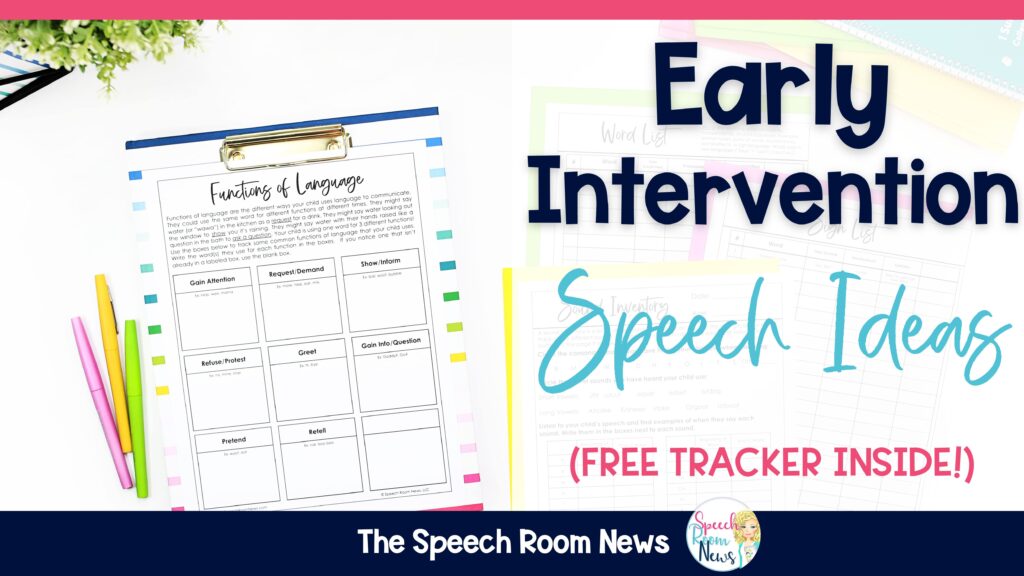
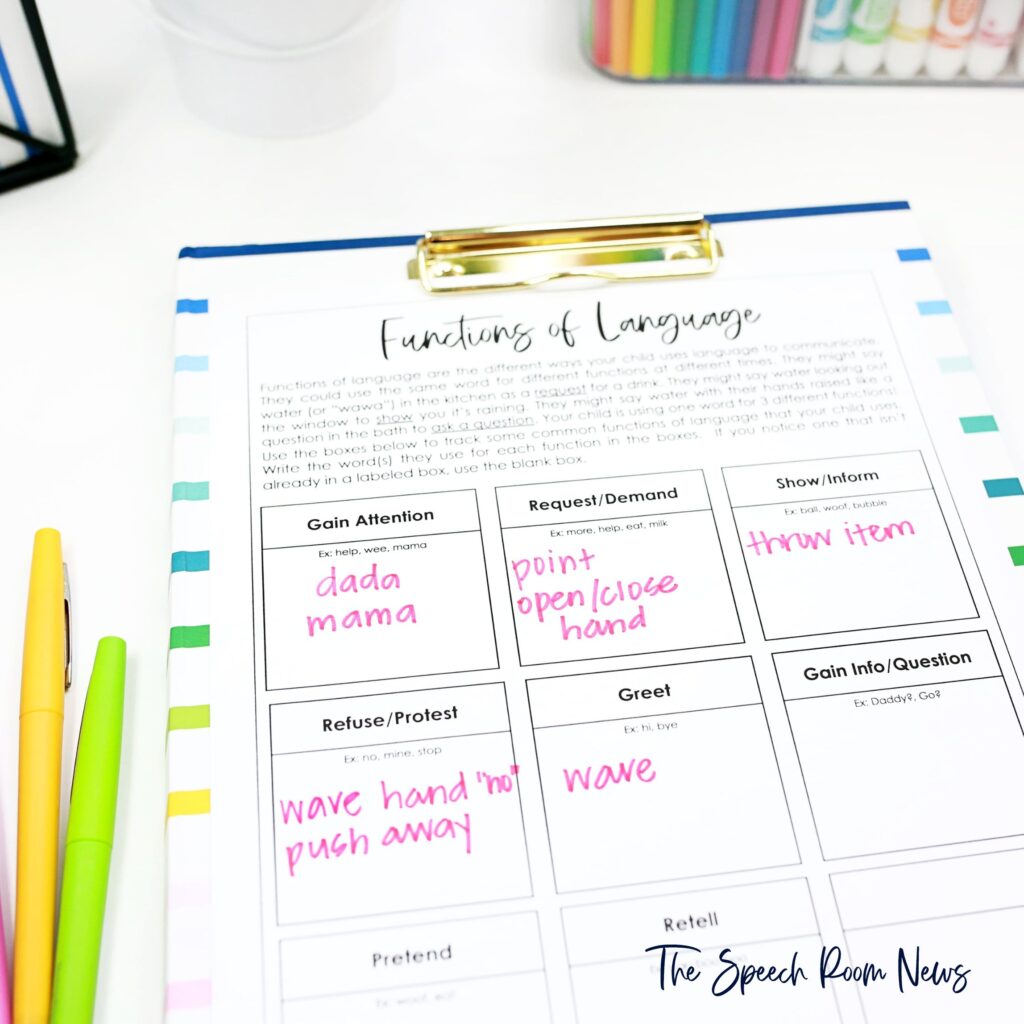
A cornerstone of effective early intervention is systematic data collection, particularly the tracking of a child’s emerging sounds and words. This practice, often overlooked by parents, provides invaluable insights for both families and therapists. For parents, it transforms the often-overwhelming experience of a child’s speech delay into a manageable, data-driven process. The simple act of documenting early sounds, word approximations, and new vocabulary items creates a tangible record of progress, alleviating guesswork and enhancing recall during therapy sessions.
Tracking allows parents to observe subtle changes in speech patterns over time. For example, noting the development of syllable shapes – from consonant-vowel (CV) words like "go" to vowel-consonant (VC) like "up," then CVCV like "mama" or "dada," and eventually consonant-vowel-consonant (CVC) like "ball" – offers critical diagnostic information. This detailed data helps SLPs tailor interventions more precisely, monitor the efficacy of specific strategies, and make informed adjustments to the child’s individualized plan. It also empowers parents by giving them concrete information to share with their child’s therapist during coaching sessions, fostering a collaborative and informed approach to therapy. Tools such as "First Words Trackers" are widely used by SLPs and families to systematically record this crucial information, often revealing a greater number of communicative attempts than parents initially perceive.
Integrating Therapy into Daily Life: Practical Activities for Language Growth
Early intervention speech therapy extends beyond clinical sessions; its true impact is realized when therapeutic strategies are seamlessly woven into the fabric of a child’s daily life. This approach capitalizes on the predictability and repetition inherent in daily routines, creating consistent opportunities for language learning. When activities are performed regularly, children gain repeated exposure to specific vocabulary, social expectations, and action sequences, which significantly boosts language acquisition.

-
Snack Time as a Communication Catalyst: Simple routines like eating a snack offer rich communication temptations. Instead of immediately providing a desired snack, parents can model words, create anticipation, and encourage imitation. For example, pouring the snack into a bowl while narrating, "Look, I’m pouring some crackers into the bowl. Yum! I love crackers! Do you want crackers?" then pausing expectantly, encourages the child to gesture, vocalize, or approximate the word. The focus is on abundant modeling and celebrating any communicative attempt, whether it’s a sound, a gesture, or a word.
-
Brushing Teeth: Mirroring Language and Interaction: Time spent in front of a mirror, such as during teeth brushing, provides an excellent opportunity for establishing back-and-forth social routines and building language. Parents can engage their child by describing actions, using expressive sounds, and encouraging imitation of movements or sounds. "It’s time to brush your teeth! We brush and clean our teeth so they stay healthy. Let’s get your green toothbrush. Can you find the toothpaste? Squeeze just a little bit out. Now what do we do? Yes! Let’s brush the front! Now what? Yes, time to brush the back!" Explaining the "what" and "why" behind actions helps children connect words to meaning, while using positional words like "up/down" and "front/back" enriches vocabulary.
-
Child-Led Play: Engaging in play where the child takes the lead is profoundly effective. Instead of directing the play, parents can observe their child’s interests, join in their imaginative world, and then subtly introduce language. This involves commenting on the child’s actions, labeling objects they interact with, and expanding on their vocalizations or gestures. For instance, if a child pushes a car and makes a "vroom" sound, a parent might say, "Vroom! The car goes fast! Big car!" This responsive approach fosters intrinsic motivation for communication.
Broader Impact and Implications of Early Intervention
The implications of effective early intervention extend far beyond simply helping a child "catch up" in speech. Early language proficiency is a strong predictor of future academic success, literacy development, and social-emotional well-being. Children with strong communication skills are better equipped to express their needs, understand instructions, form friendships, and regulate their emotions. Conversely, unaddressed speech and language delays can contribute to difficulties in reading and writing, frustration, social isolation, and a higher risk of behavioral problems.
From a societal perspective, early intervention programs represent a sound investment. The cost of providing intensive support for communication disorders in later school years, or addressing secondary issues like learning disabilities and mental health challenges, far outweighs the investment in early identification and treatment. By intervening early, society can help children reach their full potential, reducing the need for more extensive and costly services down the line.
Challenges remain, however, particularly in ensuring equitable access to early intervention services. Socioeconomic disparities, lack of awareness among some healthcare providers, and geographical barriers can impede timely identification and referral. Advocacy efforts continue to emphasize the importance of universal screening, robust public health campaigns, and increased funding for early intervention programs to ensure every child has the opportunity to develop strong foundational communication skills.
In conclusion, the journey of a child’s speech development is a dynamic and critical phase. The role of early intervention speech therapy, supported by diligent parental tracking and integrated daily activities, is undeniably paramount. By fostering a collaborative environment between speech-language pathologists, pediatricians, and families, and by recognizing the profound, long-term impact of early communication skills, we can collectively ensure that every child is given the best possible start on their path to effective communication and a fulfilling life.
