


The nuanced landscape of human social interaction, often navigated with an almost subconscious ease by many, can present significant challenges for neurodivergent individuals and those experiencing social anxiety. For a substantial portion of the population, deciphering the subtle currents of emotion conveyed through facial expressions is an automatic, intuitive process. A fleeting frown, a widening of the eyes, or a slight upturn of the lips can instantly communicate joy, sadness, surprise, or fear, guiding social exchanges without conscious effort. However, for individuals on the autism spectrum, or those grappling with social anxiety, this fundamental aspect of communication can feel like deciphering a foreign language without a Rosetta Stone. The resulting uncertainty can lead to profound feelings of confusion, social isolation, exhaustion, and a pervasive sense of self-doubt.
The legacy of Dr. Paul Ekman, a pioneering psychologist renowned for his extensive research into universal facial expressions and emotions, has provided a vital framework for understanding these complexities. Following his passing, messages shared on the Paul Ekman memorial page have illuminated the profound and deeply personal impact of his work on individuals who have historically struggled with emotional recognition. These testimonies highlight how Ekman’s research has not only offered practical tools but also a crucial sense of validation and understanding for those navigating the often-opaque world of social cues.
One poignant message, representative of many others, articulated this sentiment with striking clarity: "I honestly think Paul Ekman’s research on emotions should be shared with every autistic person. I found his work years ago, at a moment when I was trying to understand why recognizing other people’s emotions felt so hard for me. Discovering his work was like someone finally turning on the lights." This powerful analogy underscores the transformative effect of gaining a scientific and structured understanding of something that others take for granted.
Further elaboration within this message revealed the tangible benefits experienced after receiving a late autism diagnosis. The individual explained that while Ekman’s research didn’t offer a magical cure, it fundamentally altered their perception and engagement with the world. "It didn’t magically fix everything, but it changed how I move through the world," they wrote. "I’m more in tune with my own emotions, and I understand others in a way I didn’t think was possible for me before." This sentiment speaks to the empowering nature of gaining insight into one’s own internal emotional landscape and developing a more accurate understanding of the emotional states of those around them.
Another deeply moving testimonial further emphasized the profound difference Ekman’s work has made: "Without [Dr. Ekman], I would still be a lost boy in a world of emotions which are alien to me. Having studied his work, however, I am even more adept at spotting, and recognizing emotions than most of the neurotypical folks in my life!" This statement is particularly significant as it suggests that with the right tools and understanding, individuals who initially struggled with emotional recognition can not only catch up but potentially surpass their neurotypical peers in this specific skill. It reframes the narrative from one of deficit to one of learned mastery.
These powerful reflections collectively underscore a crucial insight: emotional awareness is not an immutable trait. Rather, like many essential communication skills, emotional intelligence can be cultivated and significantly enhanced through dedicated learning, systematic observation, and intentional practice. This perspective offers hope and a clear pathway for individuals who have found social interaction to be a persistent challenge.
The Evolving Scientific Landscape of Emotion Recognition
The scientific community’s understanding of autism and emotional recognition has continued to evolve, moving beyond simplistic generalizations to acknowledge the inherent complexity and individuality of social communication differences. While some autistic individuals may indeed experience difficulties in identifying or interpreting facial expressions, research increasingly recognizes that others may develop highly sophisticated observational skills, becoming exceptionally attuned to subtle behavioral patterns and expressions over time. Similarly, the impact of social anxiety on emotional perception is understood to be multifaceted, with heightened fear of judgment often leading to a narrowing of attention, making accurate interpretation of emotional cues even more challenging.
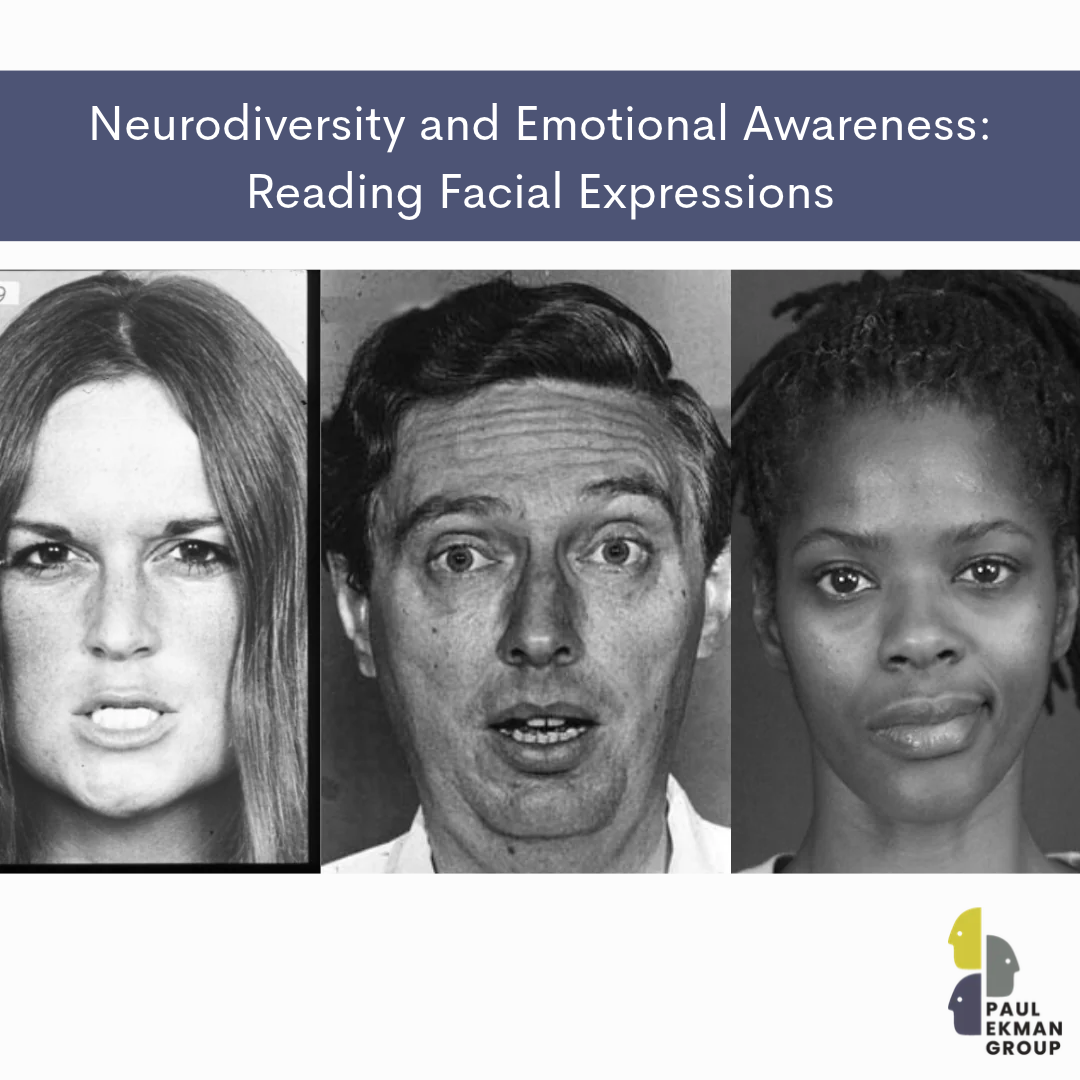
A comprehensive meta-analysis published in 2022, which meticulously examined 148 individual studies, provided statistical grounding for these observations. The analysis revealed that, on average, autistic individuals demonstrated greater difficulty in recognizing basic facial expressions of emotion when compared to their non-autistic counterparts. However, it is critically important to emphasize that these findings represent group averages and do not define the capabilities of any single individual. The spectrum of abilities within the autistic population is vast, and individual experiences can vary dramatically.
Encouragingly, a growing body of research points towards the efficacy of targeted training programs in improving facial emotion recognition skills. A 2025 meta-analysis, for instance, reported significant enhancements in facial emotion recognition among autistic children who participated in structured training initiatives. While these findings are highly promising, further research is warranted to fully elucidate how these improvements translate into the dynamic and often unpredictable context of everyday social interactions. Understanding the generalization of these learned skills in real-world scenarios remains a key area for future investigation.
Crucially, the scientific literature consistently emphasizes that a struggle to interpret emotional signals does not inherently equate to a lack of empathy, compassion, or emotional depth. Many individuals who experience social communication challenges possess a profound capacity for care and a deep desire for meaningful connection. The absence, in these cases, is often not of empathy itself, but rather a lack of confidence, clarity in interpreting cues, or the availability of shared communication frameworks that facilitate mutual understanding.
Bridging Science and Lived Experience: Applying Emotion Science to Daily Life
Dr. Paul Ekman dedicated his illustrious career to demystifying the subtle language of emotions, making emotional signals more accessible and understandable to a wider audience. His groundbreaking research into universal facial expressions, the fleeting nature of micro-expressions, and the broader spectrum of nonverbal communication provided a critical vocabulary and a structured framework for observing and interpreting emotions that might otherwise remain bewildering or out of reach. For many individuals who have historically felt "out of sync" with social norms, this scientific approach has proven to be not merely informative, but truly transformative.
Beyond the deeply personal testimonials shared directly with his organization, Dr. Ekman’s training tools have garnered recognition as valuable educational resources specifically for autistic individuals. A 2013 article published in Autism Spectrum News by psychologist Dr. Lynda Geller explored effective intervention strategies for students on the autism spectrum. In her comprehensive review, Dr. Geller highlighted Dr. Ekman’s Micro Expression Training Tool (METT) and Subtle Expression Training Tool (SETT) as particularly effective resources for developing the ability to recognize emotional signals embedded within facial expressions.
The Paul Ekman Group actively welcomes opportunities to collaborate and learn more about how Dr. Ekman’s meticulously developed training tools are being utilized in research and educational settings. The organization encourages researchers, academics, educators, and clinicians who have conducted studies employing these tools, are aware of relevant ongoing research, or are interested in exploring future research collaborations to connect with them directly at [email protected]. This open invitation underscores a commitment to advancing the understanding and application of emotion science in practical contexts.
It is important to contextualize the role of these educational resources. While emotional skills training is not intended to serve as a substitute for professional therapy, ongoing support, or individualized care plans, many individuals have reported significant benefits from learning about emotions. This learning has demonstrably reduced uncertainty in social interactions and fostered a greater sense of confidence. Furthermore, it cultivates a deeper level of self-awareness, enabling individuals to not only better understand what others may be experiencing but also to gain clarity on their own internal emotional states in real-time.
The educational legacy of Dr. Paul Ekman continues to thrive through the resources meticulously developed by him and further expanded by his daughter, Dr. Eve Ekman, and the dedicated team at the Paul Ekman Group. Innovative tools such as the online Micro Expressions Training Tools and The Feelings Field Guide have been specifically designed to assist individuals in building their emotional awareness in practical, accessible, and highly engaging ways. These resources represent a significant step forward in empowering individuals with the knowledge and skills to navigate the complexities of human emotion with greater understanding and confidence. The ongoing development and dissemination of such tools promise to further illuminate the path toward more inclusive and empathetic social interactions for all.
