

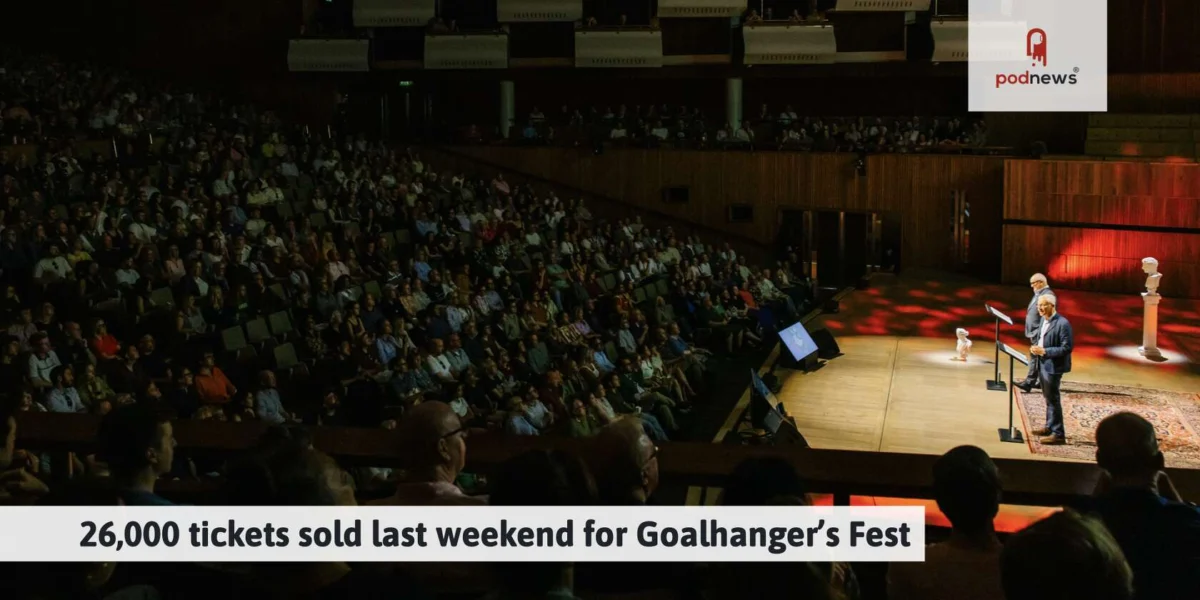
The podcasting landscape is constantly evolving, with creators pushing the boundaries of content delivery and audience engagement. Among the most prominent and successful in the history genre is "The Rest is History," a podcast that has captivated listeners with its in-depth explorations of historical events and figures. Recently, the show has taken a significant leap forward by venturing onto the live stage, offering fans an immersive and interactive experience that transcends the traditional audio format. This expansion into live performance marks a new chapter for the podcast, underscoring its growing influence and the enduring appeal of historical narratives.

From Audio to Arena: The Rise of "The Rest is History" Live
"The Rest is History," hosted by Tom Holland and Dominic Sandbrook, has built a substantial following by bringing historical events to life with engaging storytelling, rigorous research, and a healthy dose of wit. Their approach demystifies complex historical periods, making them accessible and fascinating to a broad audience. The decision to translate this success to a live stage format is a natural progression, reflecting a broader trend in the podcasting industry where popular shows are increasingly seeking direct engagement with their communities.

The live shows, often held in large theaters and auditoriums, allow Holland and Sandbrook to connect with their audience on a more personal level. These events are not merely spoken-word performances; they are meticulously crafted experiences that often feature visual aids, audience Q&A sessions, and themed segments that delve deeper into specific historical eras or personalities. The image provided, depicting the hosts on stage, signifies the grandeur and scale of these live events, transforming a primarily audio-based medium into a visual spectacle. This shift allows for a more dynamic presentation, catering to both long-time fans eager for deeper dives and new listeners drawn in by the podcast’s reputation.

The Genesis of a Podcast Phenomenon
"The Rest is History" began its journey in 2015, aiming to provide a platform for accessible yet authoritative discussions on history. Tom Holland, a respected historian and author known for his works on ancient Rome and early Christianity, and Dominic Sandbrook, a historian and journalist specializing in modern British and American history, formed a formidable duo. Their contrasting yet complementary perspectives on history create a dynamic conversation that is both informative and entertaining.

The podcast’s format typically involves discussing a specific historical topic in each episode, ranging from the fall of the Roman Empire and the intricacies of the Tudor dynasty to the life of Alexander the Great and the complexities of the Cold War. Their ability to weave together factual accounts with compelling narrative structures has been a key factor in their widespread appeal. Over the years, "The Rest is History" has consistently ranked high in podcast charts, particularly within the history and education categories. Data from podcast analytics platforms often shows it among the top-performing shows, indicating a robust and dedicated listenership.

Expanding the Narrative: Live Performances and Audience Engagement
The transition to live performances represents a strategic move to deepen audience engagement and explore new revenue streams. Live shows offer several advantages:

- Direct Audience Interaction: Live Q&A sessions allow listeners to pose questions directly to the hosts, fostering a sense of community and providing opportunities to address specific curiosities or historical debates.
- Enhanced Storytelling: The visual element of a live stage, combined with the energy of a live audience, can elevate the storytelling experience. Visual aids, such as maps, images, and timelines, can be projected, making historical events more tangible.
- Community Building: Live events serve as a gathering point for fans, strengthening the podcast’s community and creating a shared experience. This can lead to increased brand loyalty and word-of-mouth promotion.
- New Content Opportunities: Live recordings can be released as special episodes, offering exclusive content to listeners who may not have been able to attend in person.
The image of the hosts on stage, often accompanied by a backdrop that evokes historical settings, suggests a theatrical approach to their live shows. This visual aspect is crucial in transforming an audio experience into a multi-sensory event. The success of these live shows is evident in the widespread availability of tickets and the consistent demand for additional performances, often leading to sold-out venues across the UK and beyond.

Behind the Scenes: The Technical and Logistical Aspects
Producing a live podcast event involves significant logistical planning and technical expertise. Beyond securing suitable venues, which can range from intimate theaters to large concert halls, careful attention must be paid to sound quality, lighting, and stage design. The production team works to ensure that the audio captured for potential release is of high quality, comparable to studio recordings.

The inclusion of elements like the "The Tech Stuff – with RSS.com" and "Tips and Tricks – with Podcast Movement NYC" sections in the original article snippet suggests that the podcast’s creators are also actively involved in the broader podcasting ecosystem. They likely leverage their platform to share insights on podcasting technology and industry best practices, further cementing their role as thought leaders in the space. Sponsorships from companies like Airwave, RSS.com, and Podcast Movement indicate a well-established and commercially viable podcasting operation.

A Glimpse into Featured Podcasts
The provided article snippet also offers a window into other podcasts that are gaining traction or celebrating milestones. These highlights serve to contextualize "The Rest is History" within the wider podcasting universe and showcase the diversity of content available.

- "The 1000 Hours Outside Podcast": This podcast focuses on the developmental benefits of nature time for children, aiming to counter the impact of excessive screen time. Its mission aligns with growing concerns about childhood development in the digital age.
- "L’Herméneutique Taylor Swift": A French-language podcast that delves into the lyrical intricacies and thematic depth of Taylor Swift’s music. This exemplifies the niche and specialized content that is thriving in the podcasting world, catering to dedicated fan bases. The release of its third season, focusing on the album "Evermore," indicates a consistent output and ongoing audience engagement.
- "Uncharted: Crime and Mayhem in the Music Industry": This title suggests a deep dive into the darker, often untold stories of the music business, appealing to true crime and music history enthusiasts.
- "Lamplighter Kids Stories": Likely a podcast for children, offering engaging and educational stories.
- "The World and Everything In It": Celebrating its 15th anniversary and surpassing 100 million downloads, this faith-based podcast provides a weekly overview of Supreme Court cases, biblical cultural analysis, and international news. Its longevity and download figures underscore the sustained demand for its unique blend of content.
- "You Might Be Right": A special tribute episode honoring Dolly Parton, featuring former Tennessee governors, highlights the power of celebrity endorsements and personal connections in podcasting. The focus on Parton’s Imagination Library program emphasizes the potential for podcasts to promote social causes.
- "Not Just the Tudors": This podcast explores the transformation of Henry VIII from a charismatic prince to an authoritarian ruler, promising an in-depth historical analysis of a pivotal figure.
- "After Dark: Myths, Misdeeds & the Paranormal": This podcast kicks off its "Spooky Season" with explorations of medieval werewolf trials, haunted houses, and the Bridget Cleary fairy accusations. It taps into the enduring fascination with the paranormal and historical mysteries.
- "Unquiet Realities": A cinematic nonfiction series set in the Driftless Region, focusing on hauntings, UFO encounters, and folklore. Its multi-part documentary structure suggests a high level of production value and immersive storytelling.
- "Jew-ish | Jew curious? Questions and answers for the Jews, non-Jews, and all the Jew-curious out there": This podcast aims to foster community and provide accessible information about Jewish culture and identity, welcoming a broad audience with curiosity.
Data and Rankings: The Podcast Landscape
The article also provides crucial data points about podcast popularity and reach. The mentions of "#1 in Apple Podcasts (United States)" for "Crime Junkie," and "#1 in Spotify (United States)" for "The Joe Rogan Experience," illustrate the dominant players and platforms in the podcasting sphere. These rankings are dynamic and reflect vast listenership numbers, often in the tens or hundreds of millions of downloads.

Furthermore, the inclusion of "Biggest Gain: #3 Management (Ireland)" for "I Hate It Here" and "Highest New Entry: #2 Christianity (Ireland)" for "Little Christs" demonstrates the regional variations in podcast popularity and the emergence of new content. The fact that "The Mel Robbins Podcast" is "#1 Self-Improvement (Australia)" highlights the global reach of certain podcasts and their ability to resonate with diverse audiences. "Begin Again with Davina McCall" topping the "#1 Education (United Kingdom)" chart further emphasizes the international appeal of educational and self-improvement content.

These data points are not merely statistics; they represent the immense scale and diverse nature of the podcasting industry. They underscore the significant audience "The Rest is History" commands, both in its audio format and now on its live stage.

The Future of Historical Podcasting
The success of "The Rest is History" on stage is indicative of a larger trend: the increasing professionalization and diversification of podcasting. As technology advances and audiences become more sophisticated, podcasters are finding innovative ways to engage their listeners. Live performances offer a tangible way to monetize content, build community, and expand the reach of their message.

For historical podcasts specifically, the live format allows for a more visceral connection to the past. By bringing history out of the headphones and onto the stage, creators like Tom Holland and Dominic Sandbrook are not just informing audiences; they are creating memorable experiences that reinforce the power and relevance of historical inquiry. As "The Rest is History" continues to expand its live presence, it solidifies its position as a leader in the historical podcasting genre and a pioneer in adapting audio content for dynamic live entertainment. The journey from spoken word to sold-out theaters signifies a remarkable achievement and a promising future for the podcast and the medium as a whole.
