


The ongoing discourse surrounding effective influence strategies has recently been amplified by a thoughtful exchange between a prominent voice in the field and a curious professional. The discussion, which began with an assertion that a "Loving and Eternal" approach to influence represents a higher calling than a merely "Lasting and Ethical" one, has evolved into a deeper exploration of the internal shifts required for truly impactful influence. This evolving perspective challenges conventional wisdom, suggesting that genuine influence stems not from external techniques but from a fundamental transformation of the influencer’s internal state.
The Genesis of the Discussion: A Question of Practical Application
The conversation gained momentum following a LinkedIn post by Brian Ahearn, Chief Influence Officer at Influence PEOPLE and a faculty member at the Cialdini Institute. In his previous writing, Ahearn articulated his belief in a more profound form of influence, one rooted in love and enduring connection, contrasting it with strategies that prioritize longevity and adherence to ethical guidelines. This distinction prompted a pertinent follow-up question from Reyes Castillo, a LinkedIn connection, who sought to understand the practical implications of this philosophy in coaching scenarios. Castillo’s inquiry, "I’m curious how that shows up in your actual coaching. What’s the first thing someone usually has to stop doing once they start asking what’s best for the other person instead of what’s allowed?" illuminated a common challenge: bridging the gap between theoretical understanding and practical application.
The Core of the Argument: Influence from the Inside Out
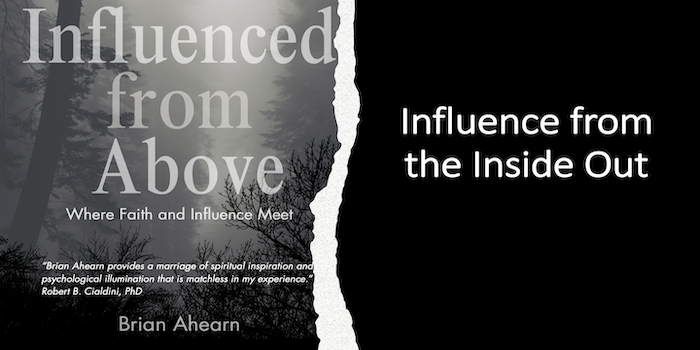
Ahearn’s response, developed during a reflective morning walk, reframed the question from a focus on what to stop doing to what one needs to start doing to become. This pivotal shift underscores the article’s central thesis: that authentic influence is an inside-out phenomenon. It is not primarily about the actions taken, but about the internal evolution of the influencer. Drawing parallels from spiritual teachings, the analogy of cleaning the inside of a cup before the outside, and the concept of a good tree yielding good fruit, powerfully illustrates this principle. These examples highlight that outward manifestations are largely dictated by internal states. This internal orientation, Ahearn argues, is the bedrock upon which genuine influence is built.
Leveraging the Principle of Liking for Deeper Connection
The discussion then delves into a well-established principle of influence: Liking. As outlined by Dr. Robert Cialdini, individuals are more predisposed to agree to requests from people they know and like. However, the common inclination is to ask, "How can I get people to like me?" Ahearn proposes a counter-intuitive yet powerful reorientation: instead of actively seeking to be liked, the influencer should actively seek reasons to genuinely like the other person. This subtle yet profound shift in intention can lead to transformative outcomes.
Data from psychological studies supports the efficacy of this approach. Research consistently shows that individuals respond more favorably when they perceive genuine interest and appreciation from others. The act of discovering commonalities and offering sincere compliments are two primary drivers that foster liking. Interestingly, when an influencer actively seeks these elements in another person, both parties experience an increase in liking. The influencer, by posing questions aimed at finding similarities or by observing admirable qualities, naturally cultivates these positive connections.
The critical transformation occurs within the influencer. Their focus shifts from self-concern—how they are perceived—to genuine engagement with the other person. This outward-facing attention, this demonstrable interest, can often be sensed by the recipient. When individuals feel genuinely liked and valued, they are more likely to extend trust. This trust is foundational, as it leads them to believe that the influencer has their best interests at heart, mirroring the trust one places in a friend. This exemplifies influence emanating from an authentic internal disposition.
Ethical Versus Loving Influence: A Higher Standard
The conversation circles back to the initial dichotomy: "Lasting and Ethical" versus "Loving and Eternal." Ethical influence, Ahearn acknowledges, is crucial. It involves asking vital questions such as: Is my action honest? Is it appropriate? Am I respecting the other person’s autonomy and freedom of choice? These are the cornerstones of responsible interaction and have been integral to ethical influence frameworks for decades.
However, Ahearn posits that love introduces an additional, more profound question: "Do I genuinely want what’s best for this person?" This question elevates the standard of influence significantly. The challenge lies in the fact that two individuals can employ identical words, ask the same questions, and utilize the same influence principles, yet their underlying intentions can be vastly different. One might be driven by the desire to secure a "yes," while the other is motivated by a genuine wish to help the other person make the optimal decision for themselves.
The Implications for Professional Practice and Personal Growth
The distinction between these internal motivations, though outwardly imperceptible, creates a significant chasm in the nature and impact of the influence exerted. Consequently, transitioning from merely ethical influence to truly loving influence is not about acquiring a new technique or tactic. Instead, it necessitates a profound internal metamorphosis—becoming a different kind of person. This internal change inevitably, over time, leads to a corresponding evolution in outward behavior.
This perspective suggests that the initial question, "What should I stop doing?" may be less productive than the more introspective inquiry: "Who am I becoming, and what do I genuinely want for the person I am seeking to influence?" This reframing has significant implications for professional development in fields such as sales, leadership, coaching, and negotiation, where influence is a core competency.
Expert Analysis and Broader Impact
The emphasis on internal transformation aligns with emerging trends in positive psychology and leadership development, which increasingly highlight the importance of self-awareness, empathy, and intrinsic motivation. Research from organizations like the Center for Creative Leadership has consistently shown that leaders who exhibit higher levels of emotional intelligence—a key component of internal disposition—tend to be more effective and inspiring. A 2022 report by Deloitte, for instance, identified "human-centered leadership" as a critical capability for organizations navigating complex global challenges, underscoring the value of influence rooted in genuine care and understanding.
The implications of this "inside-out" approach to influence extend beyond individual interactions. Organizations that foster a culture where influence is understood and practiced through a lens of genuine care are likely to experience higher levels of employee engagement, customer loyalty, and overall organizational health. A study published in the Journal of Applied Psychology found a strong correlation between perceived leader integrity and employee commitment, suggesting that when leaders demonstrate a genuine desire for their team’s well-being, it cultivates a more positive and productive work environment.
Looking Ahead: A Call for Deeper Engagement
Brian Ahearn’s insights invite a broader conversation, particularly among those who have engaged with his work and methodologies. He specifically appeals to those he has coached and consulted with over the years to share their perspectives on how this shift in thinking impacts their application of influence principles. This collaborative approach to understanding and refining influence strategies is crucial for advancing the field beyond mere transactional exchanges towards more meaningful and enduring relationships.
The fundamental premise—that authentic influence is a byproduct of internal integrity and a genuine desire for the well-being of others—offers a powerful framework for personal and professional growth. By shifting the focus from external manipulation to internal cultivation, individuals and organizations can aspire to a higher standard of influence, one that is not only effective and ethical but also deeply loving and eternally impactful.
Brian Ahearn’s expertise is rooted in his extensive experience as Chief Influence Officer at Influence PEOPLE and his role as a faculty member at the Cialdini Institute. He is a globally recognized author, TEDx presenter, international speaker, coach, and consultant, dedicated to empowering clients to leverage influence effectively in their daily lives. As one of a select group of Cialdini Method Certified Trainers, personally trained and endorsed by Dr. Robert Cialdini, Ahearn brings a deep understanding of the science of ethical influence. His acclaimed book, Influence PEOPLE, has been recognized among the top 100 influence books of all time by Book Authority. His subsequent works, Persuasive Selling and Influenced from Above, achieved bestseller status on Amazon. Ahearn’s reach extends to hundreds of thousands of professionals worldwide through his LinkedIn Learning courses on persuasive selling and coaching. His impactful TEDx Talk on pre-suasion has garnered over a million views, further cementing his position as a leading authority in the field of influence.
