


In an increasingly competitive corporate landscape, the ability to secure critical budget approval has transcended mere financial projections, evolving into a sophisticated exercise in strategic communication and compelling storytelling. For decades, the boardroom axiom held that numbers alone would speak for themselves, with detailed dashboards and exhaustive spreadsheets serving as the primary currency of persuasion. However, a significant paradigm shift is underway, recognizing that while financial rigor remains non-negotiable, it is the narrative framework — the art of explaining why an idea merits investment and what future it unlocks — that ultimately paves the way for innovation, market expansion, and robust internal systems. This transition underscores a fundamental truth: securing resources is not just about presenting data, but about painting a vivid picture of potential, transforming abstract figures into tangible outcomes.
The Evolving Landscape of Corporate Funding Decisions
Historically, budget conversations were often characterized by a stark focus on the immediate fiscal impact. Decision-makers, burdened with fiduciary responsibility and the immense pressure of project accountability, prioritized tangible returns on investment (ROI) and risk mitigation above all else. Their world, in essence, boiled down to the quantifiable, with success or failure measured primarily through financial metrics. This approach, while necessary for sound financial governance, frequently overlooked the broader strategic, cultural, and innovative dividends that projects could yield. Consequently, many promising initiatives, particularly those with long-term or less direct financial benefits, struggled to gain traction, often perceived as too abstract or too risky in a purely numerical context.
The modern corporate environment, however, demands a more holistic approach. As organizations grapple with rapid technological advancements, shifting market dynamics, and the imperative for continuous innovation, the ability to articulate a project’s full spectrum of value becomes paramount. A 2023 study by the Project Management Institute (PMI) indicated that projects with clearly articulated strategic alignment and stakeholder engagement are 2.5 times more likely to succeed. This highlights that simply presenting expenses and projected revenue is no longer sufficient; budget seekers must empower decision-makers to envision the full, technicolor implications of their approval, much like Dorothy stepping into the vibrant world of Oz from the monochrome reality of Kansas. This requires a narrative that transcends the immediate dollar amount, connecting the investment to the company’s overarching vision and purpose.
Beyond the Bottom Line: Why Numbers Alone Fall Short

While dashboards and spreadsheets are indispensable for financial transparency and accountability, they often fail to capture the imaginative leap required for truly transformative projects. The human brain processes information in complex ways, and while analytical data engages logic, it is often emotional resonance and a clear vision of the future that drive conviction. Research in cognitive psychology suggests that decisions are rarely purely rational; emotions play a significant, often subconscious, role. For budget approvers, who are ultimately responsible for the health of the company, this translates into a need to feel confident not just in the numbers, but in the story behind them—the conviction that the proposed investment aligns with their strategic objectives and will lead to a desirable future.
According to a survey conducted by Harvard Business Review, executives report that approximately 70% of presentations fail to inspire action, largely due to a lack of compelling narrative and an over-reliance on data without context. This suggests a significant gap between the information presented and the impact desired. Budget-approvers are not merely auditors; they are strategic investors looking for opportunities to grow the business, enhance reputation, and foster innovation. Their concerns extend beyond immediate financial outlays to encompass long-term competitive advantage, market positioning, and the cultivation of a resilient organizational culture. Therefore, a successful budget proposal must bridge this gap, translating raw data into a persuasive story that resonates on both analytical and emotional levels.
Crafting the Vision: Making Approvers the Heroes of ROI
A critical narrative technique involves positioning budget-approvers not as gatekeepers of funds, but as the heroes who enable future success and realize significant returns on investment. It’s insufficient to simply show where money will be spent; leaders need to understand how it will reappear—and multiply—in various forms of ROI. While predicting the future with absolute certainty is impossible, a well-constructed narrative helps align expectations by painting a credible picture of the "final cut." Just as film producers review scripts and storyboards before bankrolling a motion picture, decision-makers require a clear vision of the project’s ultimate manifestation and its projected impact.
Consider the cinematic analogy: Before Christopher Nolan could envision epic projects like a reimagined The Odyssey with a colossal budget, he first garnered trust and demonstrated his narrative prowess with more contained successes like The Prestige. This 2006 film, adapted from Christopher Priest’s novel, depicted a rivalry between two magicians in Victorian London. It opens with Michael Caine’s character describing the three acts of a magic trick: the Pledge (showing something ordinary), the Turn (making it do something extraordinary), and the Prestige (making it reappear transformed). This three-act structure, advocated by communication experts like Duarte, offers a powerful framework for budget proposals.
- The Pledge: Clearly outline the current situation, the problem being addressed, or the opportunity at hand. This sets the stage and establishes the "ordinary" context.
- The Turn: Introduce the project as the transformative element, explaining how it will address the problem or seize the opportunity. This is where the budget details are presented, but framed as the means to an extraordinary end.
- The Prestige: Vividly describe the desired future state, the "reappearance" of value. This includes not only financial ROI but also strategic advantages, market impact, and organizational benefits.
For instance, a purely data-driven proposal might state: "With a $40 million budget, the film is projected to gross over $100 million at the box office, achieve a 130-minute runtime, and secure a 76% Rotten Tomatoes rating from 208 reviews." While precise, this lacks the spark of potential.
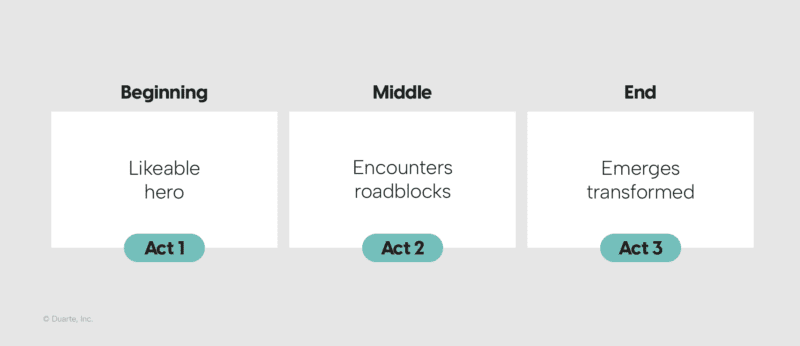
A narrative-driven approach, utilizing the three-act structure, would transform this: "With your crucial approval of our $40 million budget, this project will bring to life a stunning cinematic reimagining of Christopher Priest’s award-winning novel. Featuring an ensemble cast including Hugh Jackman, Christian Bale, Scarlett Johansson, Michael Caine, and a captivating performance by David Bowie reminiscent of his iconic role in Labyrinth, the film will command meticulous craft. Its cross-genre appeal, spanning fantasy and science fiction, combined with the undeniable star-power of its cast, is poised to attract diverse global audiences. We project this ambitious endeavor will not only delight and puzzle generations of viewers and earn critical accolades, but also achieve an ROI exceeding 200% at the box office and through ancillary markets, cementing a significant cultural and financial legacy for our studio."
The difference is stark. The second example actively engages the approver as the enabler of this vision, acknowledging the effort involved while transforming a dollar amount into a fully formed, aspirational outcome. It elevates the pitch beyond mere metrics to encompass legacy and cultural capital, demonstrating a broader understanding of value. This approach is supported by the findings of a 2022 Gartner report, which noted that executive buy-in for strategic initiatives often hinges on the clarity of the vision presented and the perceived alignment with long-term organizational goals, not just short-term financial gains.
The Art of the "Called Shot": Building Confidence and Credibility
Beyond crafting a compelling vision, budget seekers must project the confidence and competence of a seasoned professional. This is not about making unsubstantiated claims, akin to the infamous Fyre Festival debacle, but about demonstrating a profound understanding of capabilities and an unwavering commitment to overcoming challenges. Decision-makers need to be convinced not just that an idea is good, but that the team presenting it possesses the executive presence and skills to execute it flawlessly. This requires a blend of strategic foresight and the ability to articulate future success with conviction.
The legendary "called shot" by Babe Ruth in Game 3 of the 1932 World Series serves as a powerful metaphor. Facing a hostile Chicago Cubs crowd and two strikes from pitcher Charlie Root, Ruth reportedly pointed to the center field stands before hitting a monumental home run on the next pitch. While the exact details of the gesture remain debated, the legend endures, encapsulated by reporter Joe Williams’ iconic headline: "RUTH CALLS SHOT AS HE PUTS HOME RUN NO. 2 IN SIDE POCKET." This moment, whether fully factual or embellished, became a S.T.A.R. moment – "Something They’ll Always Remember."
In corporate communication, S.T.A.R. moments are deliberate, impactful elements designed to capture attention and leave a lasting impression. These can take various forms:
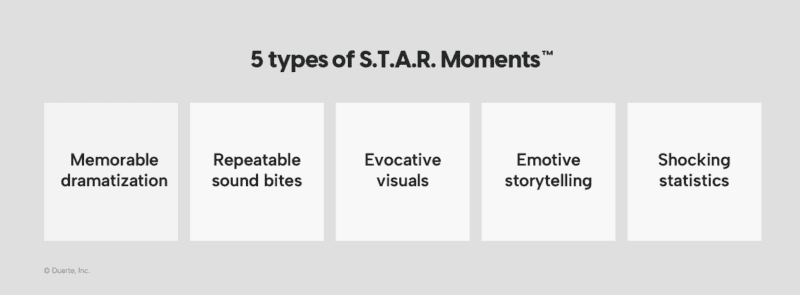
- Memorable Dramatization: A live demonstration, a vivid analogy, or a short, impactful video.
- Repeatable Sound Bites: Concise, powerful phrases that encapsulate the core message and are easily shared.
- Evocative Visuals: Striking images, infographics, or a well-designed presentation slide that communicates complex ideas simply.
- Emotive Storytelling: Personal anecdotes or compelling narratives that connect on a human level.
- Shocking Statistics: A surprising data point that underscores the urgency or scale of an opportunity.
For budget seekers, a "called shot" translates into presenting a proposal with a high degree of confidence, backed by meticulous preparation and a track record of success. It means articulating not just what will be achieved, but how the team is uniquely positioned to achieve it. This is where confidence built on deep thinking, rigorous practice, and thorough preparation becomes invaluable. Ruth’s .341 batting average and 41 home runs in 1932 provided the foundation for his audacious gesture; similarly, a budget seeker’s credibility stems from a solid understanding of the project, market analysis, and a proven ability to deliver.
Crucially, this confidence should not overshadow the approver’s role. Instead of focusing solely on "Here’s what I can do," the narrative should shift to "With your help, here’s what we can do." This subtle but significant reframing invites decision-makers to become active participants and co-owners of the project’s success, moving them beyond a mere transactional approval to a deeper, more personal commitment. A 2021 study on leadership communication from McKinsey & Company emphasized that leaders who foster a sense of shared ownership and vision are significantly more effective in driving organizational change and securing resource allocation.
Cultivating Belief: Connecting with Emotional and Strategic Imperatives
Beyond financial figures and confident projections, the most successful budget proposals resonate on an emotional level, forging a deep connection between the project and the decision-makers. This involves crafting a message infused with empathy, leveraging human elements that transcend mere details and plot points. It’s what allows audiences to see something larger in cultural events and explains why certain commercials can evoke tears.
One powerful technique is to balance the financial aspects of a budget request with the "new bliss" it promises. At Duarte, this concept refers to the desirable future state that audiences stand to gain after navigating the "messy middle" of working towards a goal or implementing change. For budget seekers, illustrating the tension between "what is" and "what could be" can guide approvers to crave the "new bliss" outlined in the proposal. This means understanding the inner lives of the budget approvers, their personal aspirations, and the broader organizational anxieties or ambitions.
For example, a CFO might seek rigorous financial reassurances but also privately lament missing family events due to an inefficient workflow. Or perhaps leadership is anxious about the company’s competitive standing and seeks a breakthrough product that is not only profitable but also genuinely helps people or addresses a pressing societal need. A proposal centered solely on maximizing profit might miss these deeper motivators. However, a budget story that highlights how a proposed innovation could streamline operations, thereby granting the CFO more family time, or how it could reinvigorate public interest in the brand by addressing a clear customer pain point, taps into more profound drivers.
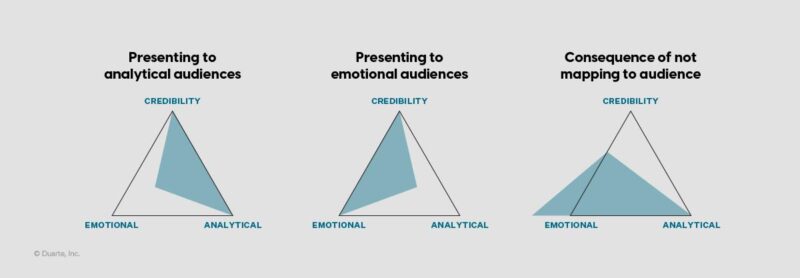
This approach requires "audience-first empathy," structuring the narrative to include sound financial reasoning while weaving in details that register on an emotional level. This balance can transform mere buy-in into genuine belief and personal commitment. The ability to calibrate analytical appeals with emotional resonance is crucial for securing organizational backing, which, alongside time and money, is a primary indicator of project success. A project that gains not just financial approval but also the enthusiastic advocacy of key stakeholders is far more likely to overcome challenges and achieve its objectives.
Broader Impact and Implications for Organizational Success
The strategic use of narrative in budget approval processes carries significant broader implications for an organization’s overall health and future trajectory. When projects are funded based on compelling visions and shared belief, rather than just raw numbers, several positive outcomes tend to materialize:
- Enhanced Innovation: A culture that encourages storytelling around new ideas fosters bolder, more creative proposals. It allows for the exploration of ventures with longer-term payoffs or less direct financial metrics, driving true innovation rather than incremental improvements.
- Stronger Organizational Alignment: When the "why" behind an investment is clearly articulated and emotionally resonant, it fosters a deeper understanding and alignment across different departments. Employees at all levels are more likely to rally behind initiatives they understand and believe in, boosting morale and engagement.
- Improved Leadership Development: Leaders who can effectively articulate complex ideas through narrative become more influential communicators. This skill is critical not just for securing budgets but for inspiring teams, managing change, and representing the organization externally.
- Greater Resilience and Adaptability: Projects approved with a strong narrative foundation are often more resilient to unforeseen challenges. The shared belief and commitment established during the approval phase provide a buffer against setbacks, as stakeholders are invested in the vision, not just the initial projections.
- Competitive Advantage: Organizations that master the art of persuasive communication can more effectively differentiate themselves in the market, attract top talent, and secure essential partnerships, ultimately gaining a significant competitive edge.
The journey from a patch of dirt to a flourishing garden requires not only resources but also a gardener with a clear vision and the ability to inspire others to see that potential. In the corporate world, securing budget approval is the crucial first step in cultivating that garden of possibilities. By delivering budget stories that are structured, empathetic, and punctuated by memorable "S.T.A.R. moments," organizations can transcend purely transactional negotiations, transforming budget approvers into passionate champions who pave the way for a future brimming with innovation and sustained success. The shift from data-centric pitches to narrative-driven proposals is not merely a communication trend; it is a strategic imperative for navigating the complexities of modern business and unlocking true organizational potential.
