


For many, the intricate dance of human interaction unfolds with an almost unconscious fluency. The subtle shift in a brow, the fleeting shadow of concern across a face, the instantaneous spark of joy – these nonverbal cues are the bedrock of social connection, guiding our understanding of others without requiring conscious decoding. However, for a significant portion of the population, particularly neurodivergent individuals and those navigating social anxiety, this intuitive grasp of emotional expression can be profoundly challenging. This article delves into the profound impact of Dr. Paul Ekman’s groundbreaking research on facial expressions and emotional awareness, highlighting how his work has provided vital tools and a sense of validation for those who often find navigating social landscapes an exhausting, bewildering experience.
The challenges faced by neurodivergent individuals, including those on the autism spectrum, in interpreting social cues are well-documented. They often describe social interactions as akin to attempting to decipher an alien language without a Rosetta Stone. This difficulty is not a reflection of a lack of empathy or desire for connection, but rather a difference in how emotional information is processed. Similarly, individuals experiencing social anxiety may find their attentional focus narrowing inward, overwhelmed by self-consciousness and the fear of judgment, making it exceedingly difficult to accurately perceive the emotional states of those around them. The resulting uncertainty can lead to profound feelings of isolation, self-doubt, and a tendency to withdraw from social engagement.
The legacy of Dr. Paul Ekman, a pioneering psychologist renowned for his extensive research on emotions and their universal expressions, has offered a beacon of hope and practical guidance for many grappling with these challenges. Following his passing, messages shared on the dedicated memorial page on the Paul Ekman Group website poignantly illustrate the deep and personal impact of his work. These testimonials offer a powerful testament to the transformative potential of understanding the science of emotional expression.
One particularly moving account from a contributor on the memorial page encapsulates the profound realization many have experienced: "I honestly think Paul Ekman’s research on emotions should be shared with every autistic person. I found his work years ago, at a moment when I was trying to understand why recognizing other people’s emotions felt so hard for me. Discovering his work was like someone finally turning on the lights." This sentiment underscores the critical need for accessible and understandable frameworks for emotional literacy, particularly for individuals whose neurological wiring leads to different processing styles.
The contributor further elaborated on how learning about facial expressions and emotions significantly altered their perception of the world, especially after receiving a late autism diagnosis. "It didn’t magically fix everything, but it changed how I move through the world. I’m more in tune with my own emotions, and I understand others in a way I didn’t think was possible for me before." This highlights a crucial aspect of Ekman’s contribution: it not only provided tools for understanding others but also fostered greater self-awareness and emotional regulation.
Another individual shared a similarly transformative experience: "Without [Dr. Ekman], I would still be a lost boy in a world of emotions which are alien to me. Having studied his work, however, I am even more adept at spotting, and recognizing emotions than most of the neurotypical folks in my life!" This remarkable testimonial demonstrates that with the right knowledge and tools, individuals who initially struggled with emotional recognition can develop exceptional observational skills, sometimes even surpassing those who have historically taken such abilities for granted. These powerful reflections collectively emphasize a vital truth: emotional awareness is not a static, innate trait but a skill that can be cultivated, strengthened, and honed through dedicated learning, structured observation, and intentional practice.
The Scientific Foundation: Unpacking Emotion Recognition
The scientific inquiry into autism and emotional recognition has steadily revealed the multifaceted nature of social communication differences. While some autistic individuals may indeed find interpreting facial expressions a significant challenge, others develop remarkable abilities to observe and analyze behavioral patterns and expressions over time. The impact of social anxiety on emotional perception is also a critical area of study. The heightened vigilance and fear of negative evaluation inherent in social anxiety can significantly impair the ability to process nuanced emotional signals, often leading to misinterpretations or an inability to register them altogether.
A comprehensive 2022 meta-analysis, which synthesized findings from 148 studies, provided robust empirical evidence for these observed differences. The analysis indicated that, on average, autistic individuals demonstrated greater difficulty in recognizing basic facial expressions of emotion when compared to their non-autistic counterparts. It is crucial, however, to emphasize that these findings represent group averages. Individual experiences and capabilities within both neurotypical and neurodivergent populations exhibit considerable variability, underscoring the importance of personalized approaches to understanding and support.
Encouragingly, the research landscape also offers a hopeful outlook regarding the malleability of facial emotion recognition skills. A meta-analysis published in 2025 examined studies focusing on targeted training programs for autistic children. The findings revealed significant improvements in facial emotion recognition abilities among participants who engaged in these structured interventions. While this research suggests a promising avenue for skill development, further investigation is deemed necessary to fully understand how these learned improvements translate into enhanced social functioning in real-world, everyday interactions.
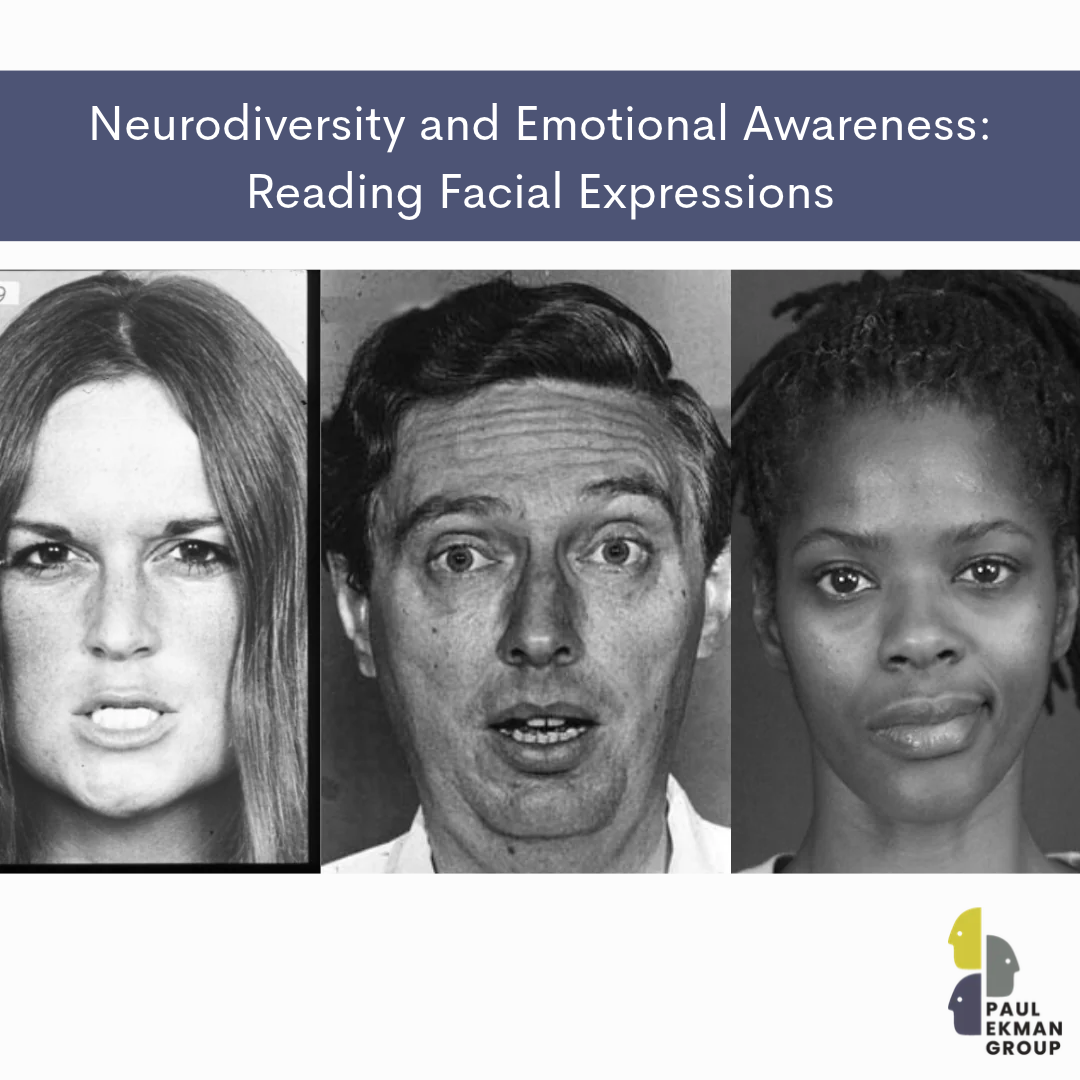
It is imperative to clarify a common misconception: a struggle to interpret emotional signals does not equate to a deficit in empathy, compassion, or emotional depth. Many individuals who experience challenges in social communication are deeply invested in forming meaningful connections and fostering understanding. The absence, in such cases, is not of care or concern, but often a lack of confidence, clarity, or access to shared frameworks for interpreting and expressing emotions.
Bridging the Gap: Applying Emotion Science to Daily Life
Dr. Paul Ekman dedicated his career to making the subtle language of human emotions more visible and comprehensible. His seminal research on universal facial expressions, the fleeting nature of micro-expressions, and the broader spectrum of nonverbal communication provided a critical vocabulary and a structured framework for observing emotions that might otherwise remain elusive and confusing. For individuals who have historically felt a sense of being "out of sync" with social norms, this scientific approach has proven to be profoundly transformative.
Beyond the deeply personal testimonials shared with the Paul Ekman Group, Dr. Ekman’s innovative training tools have also been recognized as valuable educational resources for autistic individuals. In a 2013 article featured in Autism Spectrum News, psychologist Dr. Lynda Geller explored effective interventions for students on the autism spectrum. Dr. Geller specifically highlighted Dr. Ekman’s Micro Expression Training Tool (METT) and Subtle Expression Training Tool (SETT) as instrumental resources for developing the ability to recognize emotional signals embedded within facial expressions. These tools offer a systematic way to learn and practice the identification of subtle emotional cues, breaking down complex expressions into manageable components.
The Paul Ekman Group actively seeks to foster further collaboration and understanding regarding the application of these tools. They encourage researchers, academics, educators, and clinicians who have utilized these resources in their studies, are aware of pertinent research, or are interested in exploring future research avenues to connect with them. Such engagement is vital for advancing the field and ensuring that these scientifically validated tools reach those who can benefit most.
While acknowledging that emotional skills training is not a replacement for professional therapy, comprehensive support systems, or individualized care, the impact of learning about emotions is undeniable. For many, it serves as a powerful catalyst for reducing uncertainty, bolstering confidence in social interactions, and cultivating a deeper sense of self-awareness. The ability to not only recognize what others may be feeling but also to gain clarity on one’s own internal emotional landscape, moment by moment, is a significant step towards greater well-being and more fulfilling social engagement.
The educational resources meticulously developed by Dr. Paul Ekman, and further expanded by Dr. Eve Ekman and the broader Paul Ekman Group, continue to make these vital lessons accessible. Tools such as the online Micro Expressions Training Tools and The Feelings Field Guide are designed to empower individuals to build their emotional awareness in practical, approachable, and effective ways, ensuring that Dr. Ekman’s legacy continues to illuminate the path towards greater emotional understanding and connection for all.
Broader Implications and Future Directions
The ongoing research into neurodiversity and emotional processing, coupled with the accessibility of Dr. Ekman’s foundational work, points towards a future where emotional literacy is increasingly recognized as a fundamental skill for all individuals, regardless of their neurological profile. The implications extend beyond individual well-being, impacting educational practices, workplace dynamics, and societal inclusivity.
As more data emerges from meta-analyses and individual studies, a clearer picture of effective interventions for improving emotion recognition skills will undoubtedly develop. The 2025 meta-analysis, for instance, signals a strong trend towards the efficacy of targeted training, suggesting that with structured programs, significant gains can be achieved. The critical next step involves translating these learned skills into tangible improvements in everyday social interactions, ensuring that the benefits of such training are not confined to laboratory settings but are integrated into the fabric of daily life.
The role of technology in this domain is also becoming increasingly significant. Online training platforms and interactive tools offer scalable solutions that can reach a global audience, democratizing access to emotional intelligence education. The Paul Ekman Group’s commitment to developing and disseminating such resources reflects an understanding of this evolving landscape.
Furthermore, a greater societal awareness of neurodiversity and the varied ways in which individuals process information is crucial. By destigmatizing differences in social communication and providing accessible tools for understanding, we can foster environments where all individuals feel seen, understood, and valued. Dr. Ekman’s work, by providing a scientific and practical framework for deciphering the complex world of human emotions, serves as a powerful catalyst in this ongoing endeavor to build a more empathetic and inclusive society. The continuation of his legacy through educational resources and ongoing research promises to empower countless individuals to navigate the intricacies of human connection with greater confidence and clarity.
