

The intersection of generative artificial intelligence and digital commerce has fundamentally altered how consumers approach interior design, transforming Google Search from a simple directory into a sophisticated suite of design and procurement tools. As homeowners increasingly seek personalized living spaces, the demand for digital assistance has reached unprecedented levels, with Google reporting that searches for "home decor inspo" have surged by 300% within the past month alone. This shift reflects a broader trend in consumer behavior where the barrier between digital inspiration—often found on social media platforms—and physical implementation is being systematically dismantled by multimodal search technologies.
The Evolution of Digital Discovery in Home Design
The current landscape of home decor is defined by a move away from minimalist "sad beige" aesthetics toward more expressive, vibrant choices. According to recent search data, "bathroom inspo" and "living room inspo" have emerged as breakout search terms, signaling a renewed interest in room-specific renovations. Furthermore, color palettes are shifting; trending paint searches for the current year are dominated by bold hues such as teal and magenta. However, the transition from a conceptual "mood board" to a finished room remains a significant pain point for consumers. To address this, Google has integrated several high-tech features into its search ecosystem, ranging from augmented reality (AR) to real-time video assistance.
1. Generative AI and Spatial Visualization
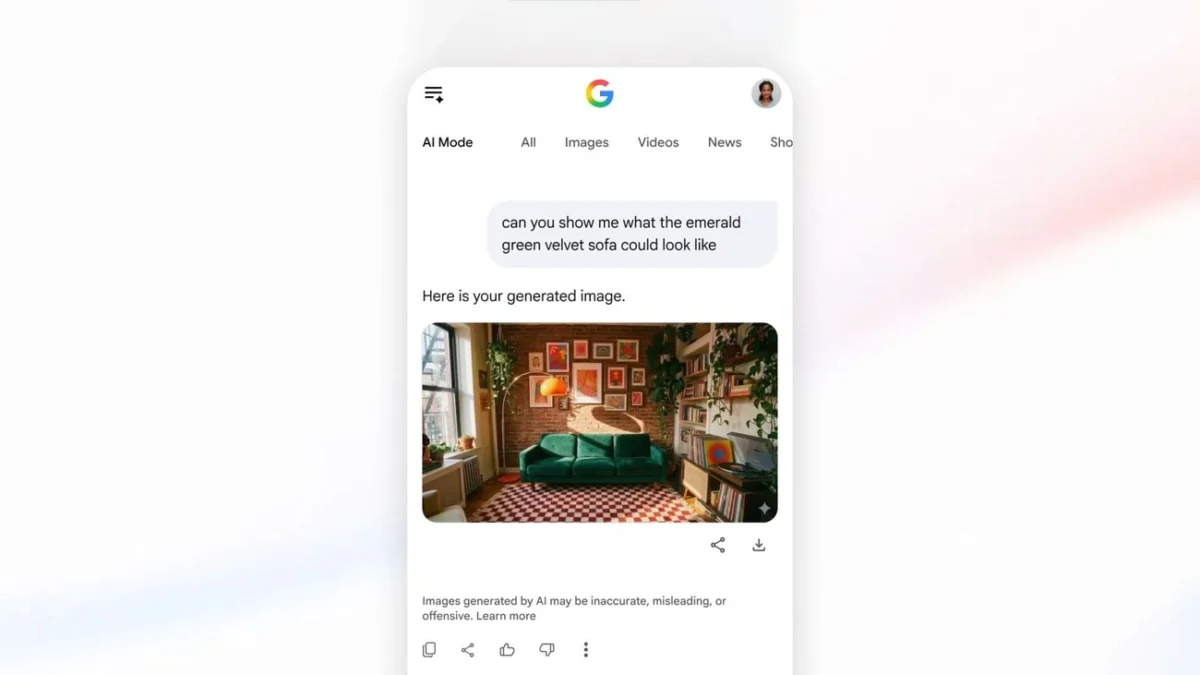
One of the most significant hurdles in furniture acquisition is the "spatial gap"—the difficulty of imagining how a specific piece will look and fit within an existing environment. Google’s AI Mode in Search addresses this by utilizing generative AI to place virtual items into real-world contexts. By uploading a photograph of a room, users can interact with Search as a digital interior designer.
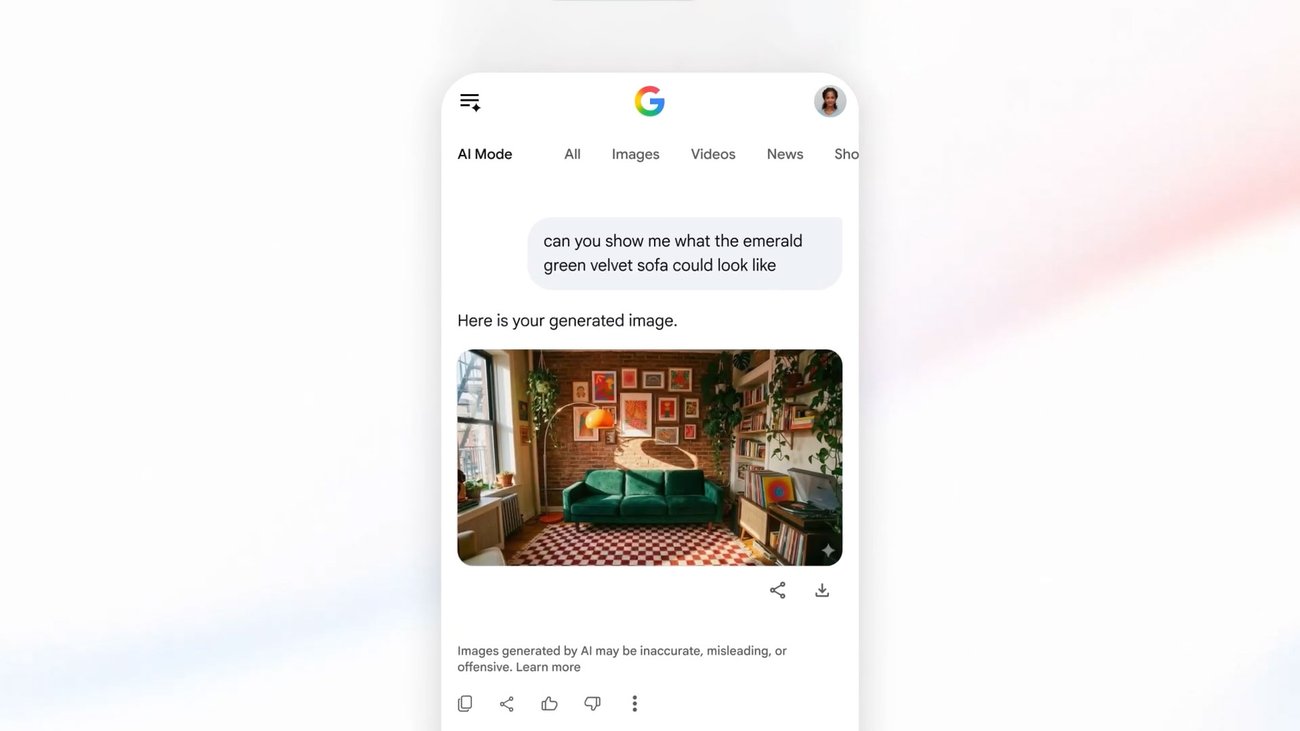
The technology allows for complex, natural language queries. For instance, a user can specify the dimensions of a wall—such as an 84-inch span—and ask the AI to recommend a couch that fits both the physical constraints and the aesthetic vibe of the room. The system generates visual mockups, allowing users to experiment with different textures and colors, such as an emerald green velvet sofa, without the need for professional rendering software. This capability marks a shift from 2D image results to interactive, personalized content creation, reducing the likelihood of "buyer’s remorse" in high-ticket furniture purchases.
2. Multimodal Identification through Google Lens
The rise of the "circular economy" and the prioritization of sustainability have made vintage shopping a dominant trend in 2024. Search data indicates that "vintage braided rugs" and "vintage wood coffee tables" are among the top-trending home furnishing items. However, identifying the origin or price point of a unique, one-of-a-kind find in a thrift store or flea market has historically been difficult.
Google Lens utilizes computer vision to bridge this gap. By capturing an image of an object through a smartphone camera, users can instantly access information regarding its style, era, and manufacturer. The tool also scans the web for similar items, providing a range of price points and purchasing options. This democratizes the "sourcing" process, which was once the exclusive domain of professional interior decorators with deep industry knowledge.
3. Circle to Search: Seamless Integration with Social Media
As social media platforms like Instagram and TikTok become primary sources of design inspiration, the friction of switching between apps to find a specific product has become a deterrent to conversion. The "Circle to Search" feature, currently available on the latest Pixel and Samsung Galaxy S26 devices, allows users to identify objects within any app without exiting their current screen.
For example, if a user encounters a specific pattern of fish wallpaper—a search term that has seen a 140% increase in interest recently—they can simply long-press the home button and circle the pattern. The AI identifies the product or similar alternatives and provides immediate shopping links. This feature capitalizes on the "impulse discovery" nature of modern browsing, ensuring that inspiration can be acted upon the moment it is encountered.
4. Search Live and the Democratization of DIY
The "Do-It-Yourself" (DIY) movement continues to grow as consumers look to save on labor costs while personalizing their homes. Floating shelves have emerged as a top-trending item this year, particularly for residents of smaller apartments seeking to maximize vertical space. While purchasing these items is straightforward, the technical execution of installation often requires guidance.
"Search Live" represents the next iteration of the instructional video. Rather than scrolling through long-form YouTube tutorials to find a specific answer, users can use the Google app’s Live icon to initiate a two-way visual dialogue. By sharing a live video feed of their workspace, users can ask questions such as "How do I find the stud in this specific wall?" or "Which drill bit should I use for this anchor?" The AI provides real-time, context-aware instructions, acting as a virtual consultant for home improvement projects.
5. Price Transparency and Economic Strategic Shopping
In an era of fluctuating inflation and varying retail markups, price sensitivity remains a primary concern for the average decorator. Recent breakout searches for "funky lamps" and "harlequin wallpaper" suggest a move toward niche, often expensive, statement pieces. To navigate this, Google has enhanced its price-tracking and comparison tools.
When a user selects a product listing, Search now provides a comprehensive price history, allowing the consumer to determine if the current price is a genuine deal or a seasonal peak. The "Track Price" feature sends automated alerts when a specific item drops in cost, enabling a more strategic approach to home renovation. This level of transparency shifts the power dynamic from the retailer to the consumer, fostering a more competitive digital marketplace.
Chronology of Technological Integration
The current suite of tools is the result of nearly a decade of development in machine learning and augmented reality:
- 2017: Google Lens is launched, introducing the public to the concept of "searching what you see."
- 2019: Google introduces AR in Search, allowing users to view 3D models of products in their space.
- 2022: Multisearch is introduced, allowing users to search with images and text simultaneously (e.g., a photo of a chair + the word "green").
- 2023: The integration of Generative AI (SGE) begins to provide synthesized advice rather than just links.
- 2024: Circle to Search and Search Live are deployed, moving toward a "frictionless" and "real-time" search experience.
Industry Impact and Market Reactions
Market analysts suggest that these advancements are a direct response to the growing influence of visual-first platforms like Pinterest and Amazon’s "View in Your Room" feature. By integrating these tools directly into the search engine, Google aims to remain the primary entry point for the "shopping journey."
Retailers have generally responded positively to these developments. Increased visualization tools tend to lead to higher conversion rates and lower return rates—a major cost-saving factor in the furniture industry where shipping bulky items is expensive. Interior designers, meanwhile, are increasingly using these AI tools to provide rapid mockups for clients, though some professionals caution that AI-generated designs lack the nuanced understanding of structural integrity and long-term ergonomics that a human expert provides.
Broader Implications for the Future of Retail
The enrichment of Search with AI and AR signifies a broader shift toward "Intent-Based Commerce." Consumers are no longer just looking for products; they are looking for solutions to spatial and aesthetic problems. As Google continues to refine these tools, the distinction between "searching," "designing," and "buying" will likely continue to blur.
For the consumer, this means a more empowered and less intimidating path to home improvement. The ability to visualize a magenta wall or a vintage coffee table before spending a single dollar reduces the financial risk associated with bold design choices. As these technologies become more deeply embedded in daily life, the "vision board" is evolving from a static collection of images into a dynamic, actionable blueprint for the modern home.
