


The fundamental principle of reciprocity, widely understood as the obligation to repay kindness or favors, often centers on the expected return from the recipient. When someone extends a hand, we feel a compelling urge to extend one back. This powerful social dynamic, a cornerstone of influence, operates on the premise that a thoughtful, personalized, and unexpected act of giving can significantly increase the likelihood of receiving assistance in return. However, a less explored, yet profoundly impactful, facet of this principle lies not in what the recipient gives back, but in how the act of giving transforms the giver. This phenomenon, rooted in psychological and sociological research, reveals a reciprocal loop that benefits the giver as much, if not more, than the receiver.
This dual nature of reciprocity was vividly illustrated in a personal account shared by Brian Ahearn, Chief Influence Officer at Influence PEOPLE and a faculty member at the Cialdini Institute. Ahearn recounted a unique birthday celebration for his wife, Jane, when she turned 52. Instead of a single grand gesture, he embarked on a year-long project: presenting her with 52 distinct gifts, one each week for her 52nd birthday. While Jane undoubtedly cherished the consistent stream of thoughtful presents, the initiative yielded an unexpected and profound outcome for Ahearn himself.
“I started paying more attention to my wife,” Ahearn noted, highlighting a fundamental shift in his perception and engagement. The necessity of sourcing 52 individual gifts compelled him to move beyond superficial observation. He found himself actively listening to casual remarks, identifying subtle interests, and contemplating what might elicit surprise, joy, or simply convey his ongoing affection. This deliberate act of focusing outward fostered a deeper connection, illustrating how the very process of giving necessitates a heightened awareness of the other person’s needs, desires, and inner world.
The logistical demands of the project also involved his daughter, Abigail, further broadening the circle of engagement and shared experience. This familial involvement underscores how acts of generosity, even those initiated with a singular recipient in mind, can ripple outward, strengthening bonds and fostering collaborative spirit. Ahearn’s initial focus was on what he could give Jane, but the unintended consequence was a significant personal enrichment derived from the process of giving.
The Reciprocal Currents of Generosity
The conventional understanding of reciprocity primarily emphasizes the outward flow of benefits – from giver to receiver, with an anticipated return. This perspective, while accurate in its recognition of reciprocal obligation, often overlooks the intrinsic rewards reaped by the giver. Research in behavioral economics and social psychology consistently demonstrates that altruistic behaviors are linked to increased happiness, well-being, and even improved health outcomes for the donor.
Studies have shown that acts of generosity can activate pleasure centers in the brain, similar to how receiving a gift or experiencing a positive event might. This "helper’s high" is a recognized phenomenon, suggesting a biological basis for the rewarding nature of giving. For instance, a 2015 study published in Nature Communications utilized fMRI scans to observe brain activity during charitable giving, revealing activation in regions associated with reward and pleasure. This biological response reinforces the idea that giving is not merely a social transaction but a deeply ingrained human inclination that offers intrinsic benefits.
Furthermore, the act of giving often necessitates a shift in focus away from the self. When we engage in a generous act, our attention is drawn to the needs and circumstances of another. This outward orientation can be particularly potent in combating feelings of stress, anxiety, and self-absorption. By concentrating on how to best help or delight someone else, individuals can experience a temporary reprieve from their own concerns, leading to a sense of perspective and emotional resilience.
However, the efficacy of this outward shift hinges critically on the underlying motive. As Ahearn points out, "our motive matters." Generosity devoid of genuine altruism, driven instead by a calculated expectation of immediate return, transforms the act into a mere transaction. This is not true giving but a form of delayed gratification or an investment with the expectation of interest. The most profound benefits of giving are often realized when the act is performed without scorekeeping, where the intention is purely to benefit the other person, often leading to unexpected and greater returns, both tangible and intangible.
Cultivating Empathy Through Action
The process of giving inherently fosters empathy and deeper understanding. Consider the simple act of writing a thoughtful note of encouragement. This requires the giver to reflect on the recipient’s strengths, appreciate their efforts, and articulate sentiments that might otherwise remain unexpressed. This reflective process cultivates a more nuanced understanding of the recipient and strengthens the emotional connection between giver and receiver.
Similarly, assisting a colleague with a challenging task demands an awareness of their struggles and an ability to identify areas where support is needed. This observational and empathetic engagement not only benefits the colleague but also enhances the giver’s problem-solving skills and their understanding of team dynamics. When we offer our undivided attention to another person, the cognitive effort required to silence our internal monologue and truly listen fosters a profound sense of presence and connection. This act of mindful listening, a form of giving our time and focus, not only validates the speaker but also enhances the listener’s ability to comprehend different perspectives and build stronger relationships.
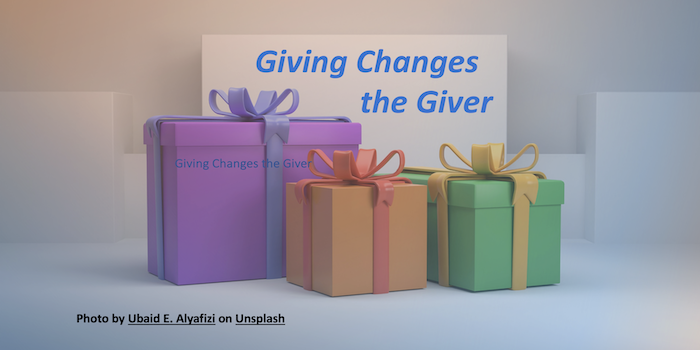
This dual benefit – the positive impact on the recipient and the personal growth of the giver – is a hallmark of genuine generosity. It suggests that the principle of reciprocity is not a one-way street but a dynamic interplay where both parties experience enrichment.
The Unseen Dividends of Generosity
The adage that "it is better to give than to receive" often resonates differently at various stages of life. While a child anticipating holiday gifts might not fully grasp its meaning, the adult understanding deepens with experience. Receiving is inherently dependent on another’s willingness to give. However, the capacity to give, in its myriad forms, is almost always within our reach.
This accessibility of giving is a crucial aspect of its transformative power. Encouraging someone with words of affirmation, facilitating a valuable introduction, sharing pertinent information, allowing another driver to merge into traffic, covering the cost of a meal, crediting a colleague for their contribution, or simply putting down a phone to engage in conversation – these are all acts of generosity that require minimal resources but yield significant impact. They do not necessitate meticulous record-keeping or a tally of who owes whom.
When generosity becomes an ingrained aspect of one’s character rather than a strategic tactic, profound shifts occur. Individuals who consistently practice generosity often report a greater sense of purpose and meaning in their lives. This alignment of actions with values can lead to increased self-esteem and a more positive self-perception. Moreover, the act of giving can foster resilience, enabling individuals to navigate challenges with greater fortitude, knowing they have the capacity to contribute positively to the world around them.
The ripple effect of kindness is another significant, often unforeseen, consequence of generosity. When individuals experience the warmth and support of a generous act, they are frequently inspired to extend that kindness to others. This phenomenon, known as the "pay it forward" effect, can create powerful cycles of positive social interaction, transforming communities and workplaces. A study by the University of California, Berkeley, found that witnessing acts of altruism can increase helping behavior by up to 10-fold. This amplification of goodwill demonstrates how individual acts of generosity can contribute to a broader culture of compassion and cooperation.
Therefore, while the traditional understanding of reciprocity correctly identifies the inclination for recipients to reciprocate, the most profound return from giving often originates from within the giver. The personal growth, enhanced well-being, deeper connections, and strengthened sense of purpose are the invaluable, often unexpected, dividends of embracing generosity. In essence, when we give, the recipient may not be the only one who truly receives a gift.
Brian Ahearn: Architect of Influence
Brian Ahearn, the author whose personal reflection illuminates this dual aspect of reciprocity, is a recognized authority in the field of ethical influence. As the Chief Influence Officer at Influence PEOPLE and a faculty member at the Cialdini Institute, Ahearn dedicates his career to helping individuals and organizations understand and apply the science of persuasion ethically. His work is deeply rooted in the principles established by Dr. Robert Cialdini, the renowned social psychologist and author of the seminal work, "Influence: The Psychology of Persuasion."
Ahearn’s journey into influence began with a deep dive into Cialdini’s research. He is one of a select group of individuals worldwide personally trained and endorsed by Dr. Cialdini to teach his methods. This rigorous training ensures that Ahearn’s approach to influence is not only effective but also grounded in ethical considerations, emphasizing long-term relationship building and mutual benefit over manipulative tactics.
His expertise has been disseminated through various channels, including his bestselling books. "Influence PEOPLE" was notably recognized by Book Authority as one of the 100 Best Influence Books of All Time. His other works, "Persuasive Selling" and "Influenced from Above," have also achieved bestseller status on Amazon, reflecting a strong market demand for practical, science-backed strategies in influence and persuasion.
Beyond his written contributions, Ahearn is a sought-after international speaker and coach. His TEDx Talk on "pre-suasion" – the art of arranging for a message to be received favorably before it is even delivered – has garnered over a million views, underscoring the broad appeal and relevance of his insights. Furthermore, his LinkedIn Learning courses on persuasive selling and coaching have reached an audience of over 850,000 individuals globally, solidifying his position as a leading educator in the application of psychological principles to professional and personal success. Ahearn’s work consistently underscores that true influence is built on a foundation of understanding, empathy, and ethical giving, demonstrating that the most powerful influence often stems from genuine generosity.
