

The landscape of pediatric speech-language pathology is continually evolving, with a growing emphasis on innovative, play-based therapeutic approaches designed to enhance engagement and efficacy in young children. Among the array of educational tools gaining prominence, magnetic tiles have emerged as a surprisingly versatile resource, being effectively integrated into therapy sessions to address a wide spectrum of speech and language goals, from foundational communication skills to complex cognitive functions. This shift underscores a broader movement within the field towards dynamic, interactive methods that resonate with children’s natural inclination for exploration and discovery, proving beneficial for children as young as one year old and extending through various developmental stages.
Speech-language pathologists (SLPs) play a critical role in diagnosing and treating communication disorders, which can affect a child’s ability to understand (receptive language) or express (expressive language) thoughts, ideas, and feelings. According to the National Institute on Deafness and Other Communication Disorders (NIDCD), approximately 8 to 12 percent of preschool-aged children experience some form of speech or language disorder. Traditional therapy often involves structured drills and explicit instruction. However, contemporary research and clinical practice increasingly advocate for child-led, play-based interventions, recognizing that children learn best when they are actively engaged and motivated. This paradigm allows therapists to embed learning opportunities within enjoyable activities, making the therapeutic process feel less like work and more like play. Magnetic tiles, with their vibrant colors, varied shapes, and inherent constructive nature, fit seamlessly into this philosophy.
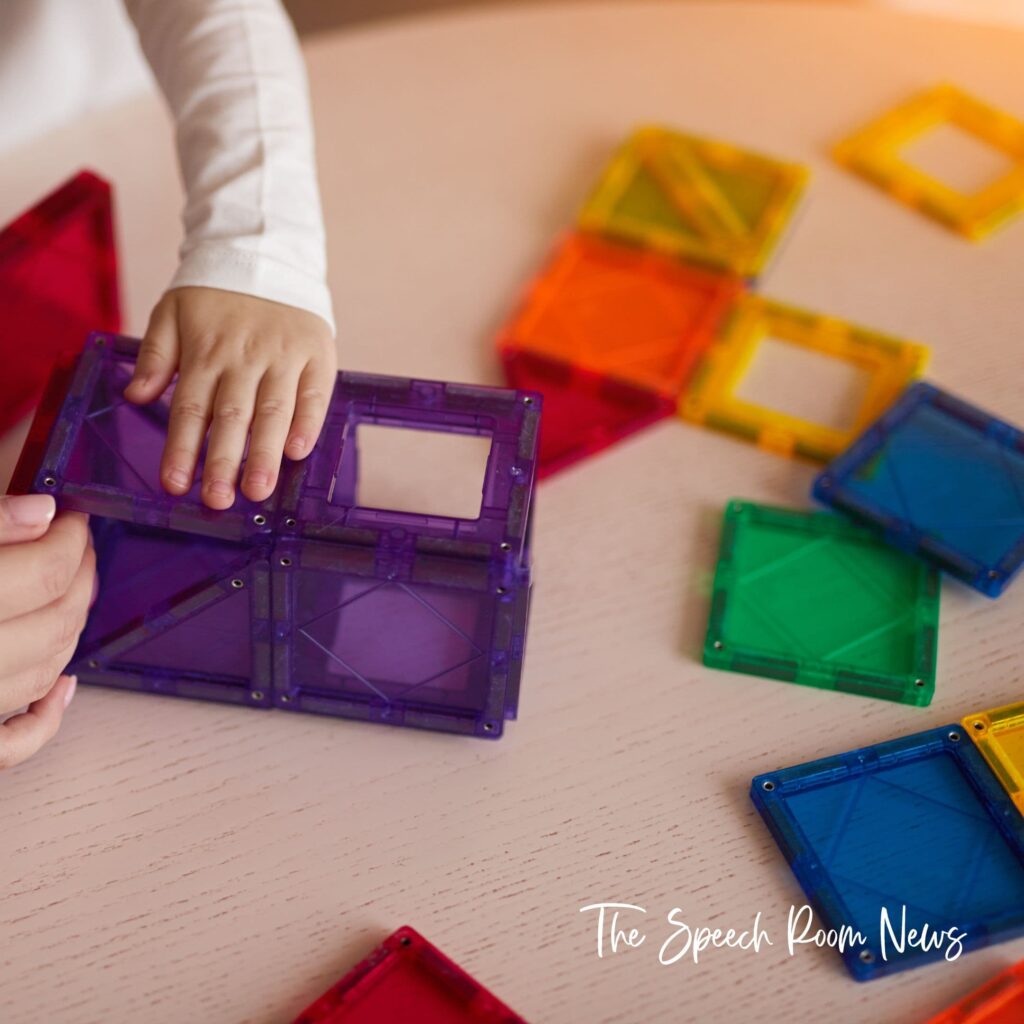
The appeal of magnetic tiles extends beyond their entertainment value. Their open-ended design fosters creativity and problem-solving, making them a staple in early childhood education settings. In a therapeutic context, these attributes are leveraged to create a rich environment for language stimulation and skill development. While the initial investment for a comprehensive set of magnetic tiles can be substantial, clinicians and parents often highlight their durability and the expansive range of activities they facilitate, presenting them as a cost-effective, long-term resource. Grant applications, school wish lists, and even holiday gift registries are frequently utilized by therapists to acquire these valuable tools, reflecting their recognized utility.
Key Therapeutic Applications of Magnetic Tiles
The adaptability of magnetic tiles allows SLPs to target specific speech and language objectives within a natural, engaging play context. Here are ten distinct ways these dynamic construction toys are being utilized:
-
Fostering Social Cooperative Work: Magnetic tiles are exceptional for cultivating social interaction and collaborative communication among students. During group therapy sessions, children are encouraged to work together to construct elaborate designs or simple structures. This process naturally elicits back-and-forth dialogue as they plan their creations, assign roles (e.g., "You build the wall, I’ll make the roof"), negotiate ideas, and share materials. This activity not only promotes verbal exchange but also nurtures essential social skills such such as turn-taking, problem-solving, active listening, and conflict resolution, vital components for effective communication in real-world scenarios.
-
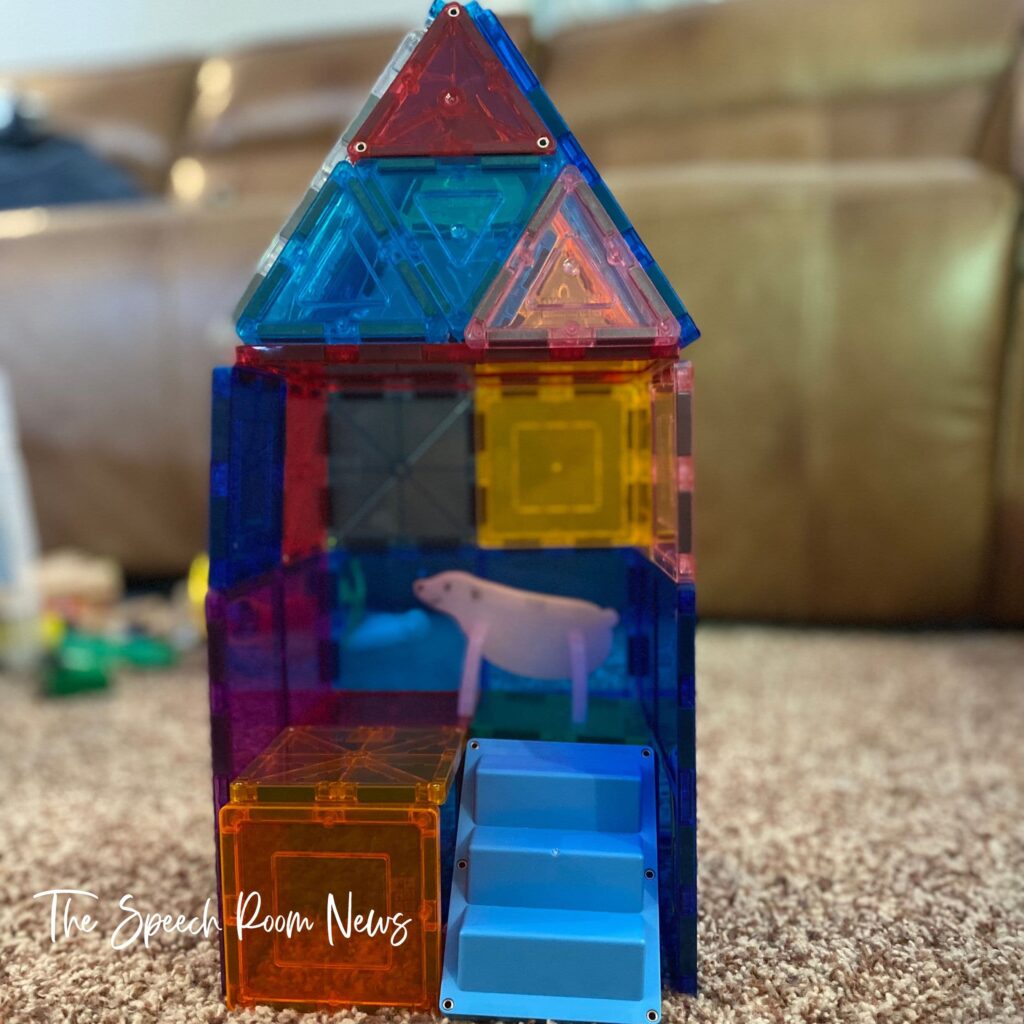
Teaching Prepositions and Spatial Concepts: Abstract spatial concepts like "on," "under," "beside," "between," "inside," and "outside" can be challenging for young learners. Magnetic tiles provide a concrete, hands-on medium to make these concepts tangible. Therapists can instruct students to place a tile "on" another, hide a small toy "under" a magnetic roof, or build a tower "between" two other structures. This physical manipulation reinforces the meaning of prepositions, allowing children to experience and describe spatial relationships directly, thereby deepening their comprehension and expressive use of these crucial linguistic elements.
-
Sorting and Categorization by Shape/Color: Magnetic tiles, available in various shapes (squares, triangles, rectangles) and colors, offer an engaging platform for developing categorization and differentiation skills. SLPs can prompt students to group tiles by specific attributes, such as "all the red ones" or "all the triangles." This activity not only enhances descriptive language as children articulate their sorting criteria but also sharpens cognitive skills related to identifying similarities and differences. An extension involves building magnetic "bins" or "boxes" with the tiles themselves, then using these as containers for sorting other objects, further integrating the therapeutic tool into the activity.
-
Targeting Articulation Goals: Integrating specific speech sounds into magnetic tile activities transforms articulation practice into an enjoyable game. For instance, if a child’s target sound is /k/, the therapist might encourage them to build a "castle," a "cage," or a "car" garage, prompting them to repeatedly produce words containing the /k/ sound in a functional context. The act of building provides a tangible reward and a naturalistic setting for sound production, making the repetition less rote and more meaningful, ultimately improving phonological awareness and motor planning for speech.
-
Practicing Irregular Verbs: Magnetic tiles present a dynamic opportunity to work on irregular verbs, which do not follow standard past tense rules (e.g., "build" becomes "built," not "builded"). Students can narrate stories or sequences of events using their tile constructions, incorporating these challenging verbs. For example, a child might describe, "I built a tall tower, but then it fell down, and a piece hit the floor." Building scenes or scenarios with the tiles and verbalizing the associated actions provides contextualized practice, aiding in the correct acquisition and generalization of irregular verb forms.
-
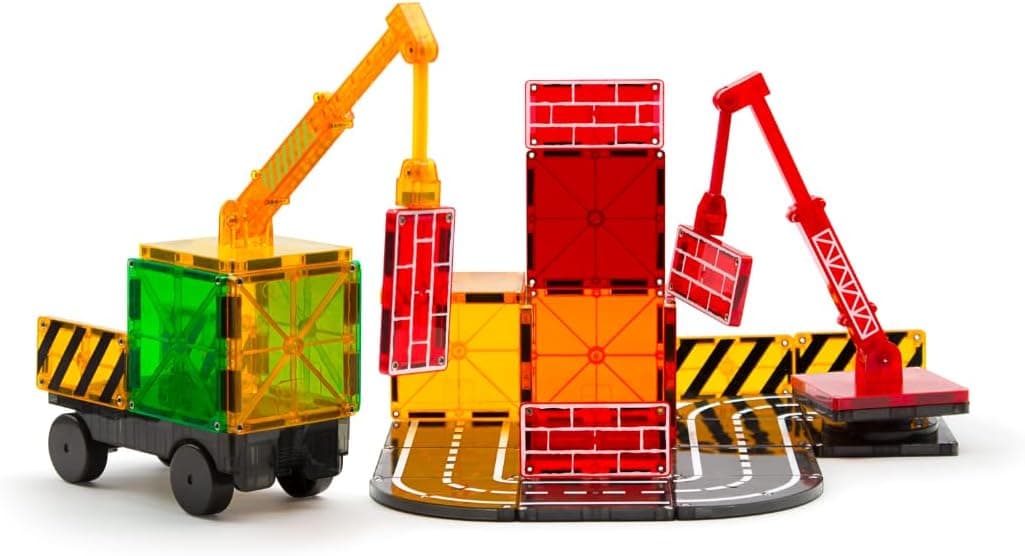
Enhancing Executive Functioning Skills: Executive functions, including planning, organization, working memory, and impulse control, are critical for academic success and daily living. Tasks involving magnetic tiles can be structured to specifically target these skills. For instance, a therapist might challenge a student to build a specific structure within a time limit, requiring them to plan their steps, select appropriate tiles, manage their time efficiently, and adapt to unexpected challenges. These activities foster strategic thinking, problem-solving, and self-regulation, while also providing opportunities for verbalizing their thought processes.
-
Reinforcing Regular Plurals: Engaging students in constructing patterns or structures using multiple magnetic tiles naturally facilitates practice with regular plurals (e.g., "square" to "squares," "triangle" to "triangles"). As children describe their creations, therapists can prompt them to use plural forms: "I have three squares and two triangles for the roof." This encourages the correct morphological development of language and helps children understand the concept of quantity in relation to object names, promoting both grammatical accuracy and quantitative reasoning.
-
Developing WH Questions: Magnetic tiles serve as an excellent catalyst for practicing WH questions ("who," "what," "where," "when," "why"). Therapists can pose questions related to the construction process or the finished product: "Where does this tile go?" "Who built the tallest tower?" "What are you going to build next?" "When will the structure be finished?" This encourages students to formulate appropriate responses, enhancing both their comprehension and expressive language skills by prompting them to retrieve and communicate specific pieces of information.
-
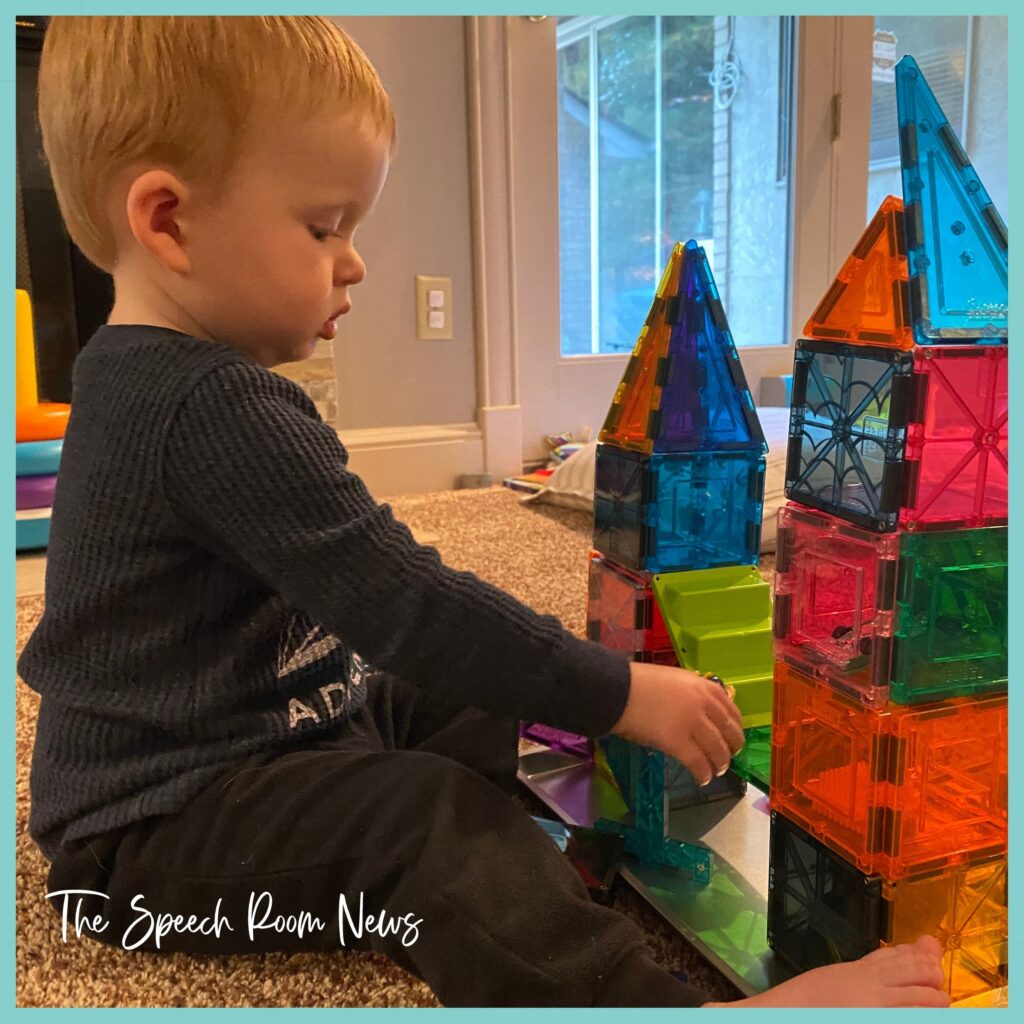
Mastering the Pronoun "I": For many young children, particularly those with language delays, correctly using personal pronouns like "I" can be a persistent challenge. Magnetic tile activities offer a natural context for targeted practice. Therapists can encourage students to describe their actions and choices using "I" statements: "I am putting the blue square here," "I want another triangle," or "I have a red tile for the top." This repeated, self-referential language use within an engaging activity helps solidify the correct application of the pronoun "I" in various sentence structures.
-
Supporting AAC Core Words: For children utilizing Augmentative and Alternative Communication (AAC) systems, magnetic tiles can be a powerful tool for reinforcing core words – the high-frequency words that make up the majority of daily communication. Therapists can model and prompt the use of core words like "more," "on," "off," "up," "down," "help," "want," "that," and "this" during tile play. For example, a child might use their AAC device to request "more" tiles, indicate "on" where a tile should go, or ask for "help" with a complex structure. This provides practical exposure to core words in meaningful, functional contexts, fostering greater communication independence.
The integration of magnetic tiles into speech-language therapy sessions exemplifies a growing trend towards dynamic, child-centered interventions. Experts in child development and speech-language pathology widely endorse the benefits of play-based learning, noting that it reduces anxiety, increases motivation, and promotes deeper learning by allowing children to construct knowledge actively. The tactile and visual nature of magnetic tiles caters to diverse learning styles, making complex linguistic concepts more accessible.
Furthermore, the adaptability of these tools means that therapy can easily transition from a clinical setting to the home environment, facilitating carryover of skills. Parents, armed with simple magnetic tile sets, can continue to reinforce therapeutic goals through play, bridging the gap between formal sessions and everyday communication opportunities. This consistent exposure is crucial for the generalization and retention of newly acquired speech and language skills.
In conclusion, magnetic tiles represent more than just a popular toy; they are emerging as an invaluable asset in the therapeutic arsenal of speech-language pathologists. Their ability to engage children, coupled with their versatility in addressing a wide range of communication objectives, positions them as a leading example of how innovative educational tools can significantly enhance the efficacy and enjoyment of pediatric speech therapy. As the field continues to seek out evidence-based, child-friendly approaches, the role of interactive materials like magnetic tiles is poised to grow, contributing to more effective outcomes for children with speech and language disorders.
