

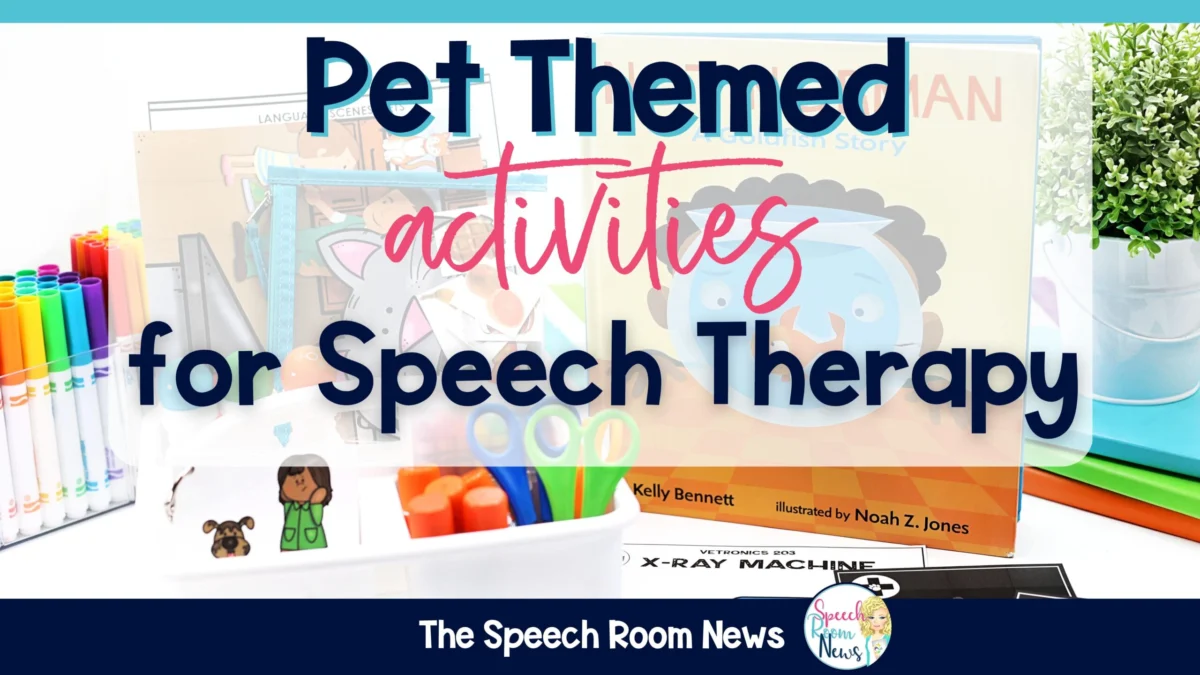
The landscape of pediatric speech and language therapy is undergoing a significant transformation, driven by the increasing adoption of thematic learning approaches. Among these, pet-themed lessons have emerged as a particularly effective and engaging strategy, revolutionizing how speech-language pathologists (SLPs) address a wide range of communication disorders in young children. This methodology, rooted in pedagogical principles of engagement and multi-sensory learning, offers substantial benefits in terms of student motivation, therapeutic efficacy, and resource versatility for practitioners.
The Strategic Shift Towards Thematic Learning in Speech-Language Pathology
Historically, speech and language therapy often relied on more rigid, drill-based exercises focused on isolated linguistic targets. While effective for some aspects, this traditional approach sometimes struggled with maintaining sustained engagement, particularly among preschool and early elementary students. Recognizing these challenges, the field has increasingly embraced child-centered, play-based methodologies that integrate therapeutic goals within meaningful and enjoyable contexts. Thematic units, which organize a variety of activities around a central subject, have proven to be an invaluable tool in this evolution.

The core advantage of thematic learning lies in its ability to create a cohesive and immersive learning environment. By focusing on a single theme, such as "pets," SLPs can introduce and reinforce vocabulary, grammatical structures, articulation targets, and social communication skills across diverse activities. This contextualized learning aids in generalization, allowing children to apply newly acquired skills in varied scenarios, which is crucial for long-term therapeutic success. Moreover, pre-prepared thematic materials significantly reduce preparation time for busy clinicians, enabling them to allocate more energy to direct therapy and individualized student needs. The economic benefit is also notable: non-holiday specific themes, like pets, can be reused multiple times throughout the year, offering a better return on investment compared to seasonal materials.
The Universal Appeal of Pets: A Cornerstone for Engagement
The choice of "pets" as a recurring theme is far from arbitrary; it taps into a universal interest and often a deep emotional connection for children. The presence of animals, whether real or represented through stories and toys, has long been recognized for its therapeutic potential, extending beyond speech therapy into areas like emotional regulation and social development. For children, pets represent companionship, responsibility, and often, a source of comfort and joy. This inherent appeal makes pet-themed activities inherently motivating, transforming therapy sessions from potentially daunting tasks into eagerly anticipated playtimes.
Research consistently indicates that engagement is a critical predictor of therapeutic outcomes in pediatric populations. When children are actively interested and invested in an activity, their attention spans increase, their cognitive processing improves, and their willingness to participate in challenging tasks grows. A pet theme naturally facilitates this. Children are often keen to talk about their own pets, describe animals they know, or engage in imaginative play centered around caring for animals. This organic enthusiasm provides abundant opportunities for SLPs to target communication goals in a naturalistic and meaningful way, enhancing both the quantity and quality of communicative interactions.

Comprehensive Pet-Themed Tools for Diverse Therapeutic Goals
The effective implementation of a pet theme relies on a rich array of multi-modal resources designed to address various speech and language objectives. These resources span literature, music, interactive games, imaginative play, arts and crafts, and sensory experiences, ensuring that diverse learning styles and therapeutic needs are met.
Literary Explorations: Books that Bark, Meow, and Chirp
Storytelling is a fundamental component of language development, offering exposure to new vocabulary, narrative structures, and character perspectives. Pet-themed books are particularly effective due to their relatable characters and often humorous or heartwarming plots.
- "Not Norman" by Kelly Bennett: This humorous tale about a boy who initially disdains his goldfish, Norman, before realizing his unique qualities, is excellent for targeting emotions, descriptive language, problem-solving, and perspective-taking. Children can discuss the boy’s feelings, compare different types of pets, and explore the concept of unexpected joy.
- "Some Pets" by Angela DiTerlizzi: With its vibrant illustrations and diverse portrayal of children and their animal companions, this book is ideal for expanding vocabulary related to animal names, actions (e.g., wagging, purring, flying), and responsibilities of pet ownership. It also lends itself well to discussions about diversity and empathy.
- "Lola Gets a Cat" by Anna McQuinn: This story, which explores Lola’s dreams of owning a cat versus the realities of pet care, is perfect for teaching concepts of responsibility, cause and effect, and sequencing. It can also be used to practice verbs associated with caregiving and to discuss expectations versus reality.
- Interactive Vocabulary Books: Specialized interactive books, such as those focusing on pet vocabulary, are crucial for early learners. These often feature lift-the-flaps, textures, or movable parts to engage children while teaching names of animals, their sounds, body parts, and associated objects (e.g., leash, food bowl). These resources are particularly valuable when paired with hands-on activities like a toy vet clinic, creating a seamless link between literacy and play.
Musical Melodies: Singing for Speech Development
Songs are powerful tools for language acquisition, leveraging rhythm, repetition, and melody to facilitate memorization and articulation practice. Pet-themed songs are particularly effective for young learners due to their simple, repetitive lyrics and opportunities to mimic animal sounds and actions.

- "I Have a Pet" and "Do You Have a Pet?": These songs are excellent for introducing basic vocabulary related to pets, practicing "yes/no" questions, and encouraging children to share personal experiences. The repetitive nature helps with auditory processing and word recall.
- "I Love Dogs": Focusing on a specific animal allows for deeper vocabulary exploration (e.g., breeds, characteristics) and the practice of descriptive adjectives.
- "Wag Your Tail": This action-oriented song promotes gross motor skills, following directions, and the understanding of action verbs, all while celebrating the joyful movements of pets. These songs can be used to target articulation sounds within a fun, rhythmic context, making practice less daunting.
Engaging Games: Play with Purpose
Games provide structured opportunities for skill development within an enjoyable framework, often incorporating turn-taking, problem-solving, and strategic thinking—all vital for social communication.
- "Color and Play Pets Bingo": This game is highly adaptable for various speech and language goals. It can target articulation by having students produce target sounds before marking a square, vocabulary by identifying pet-related images, and following directions (e.g., "Find the cat with the red collar"). Its visual nature also supports children with diverse learning needs.
- "Feed the Dog Articulation Boom Cards": Digital interactive games, like "Boom Cards," have become indispensable in modern SLP practice. This particular game capitalizes on the appeal of feeding a hungry dog to motivate articulation practice. The interactive element, complete with a "crunch" sound effect, makes phoneme production engaging and reinforcing. It allows SLPs to customize targets for individual students, addressing a wide range of articulation sounds with immediate feedback.
Imaginative Play: Building Worlds with Pet Toys
Play is often referred to as the "work of children," and imaginative play with pet-themed toys is a rich environment for developing language, social skills, and cognitive flexibility.
- Critter Clinic Toy Vet Set: This toy is a perennial favorite, offering endless opportunities for role-playing. With its lockable doors, stuffed animals, and veterinary tools, it naturally encourages narrative development, problem-solving (e.g., "What’s wrong with the puppy?"), and the use of complex sentence structures. SLPs can target:
- Vocabulary: Names of animals, body parts, veterinary tools (stethoscope, thermometer), medical actions (examine, bandage).
- Verbs: Open, close, lock, unlock, care for, feed, heal.
- Prepositions: In, out, on, under.
- Social Scripts: Role-playing vet-patient interactions, practicing polite requests, asking and answering questions.
- Sequencing: Describing the steps involved in a vet visit.
- Hape Family Pet Houses: These miniature sets with small pieces are excellent for stimulating imaginative play and targeting a multitude of language goals. Children can arrange the houses, care for the tiny pets, and create stories around their daily lives. This set is particularly useful for:
- Spatial Concepts: In, on, under, beside, behind.
- Descriptive Language: Size, color, type of animal.
- Narrative Skills: Developing simple stories, character dialogue, problem/solution scenarios.
- Social Interaction: Cooperative play, sharing, negotiating roles.
Creative Crafts: Hands-On Articulation and Language
Crafts offer a tangible outcome for therapy sessions, providing a sense of accomplishment and a visual reminder of the learned concepts. They also engage fine motor skills and following directions.
- Paper Plate Clifford Craft: Inspired by the beloved "Clifford the Big Red Dog" series, this craft allows children to create their own iconic pet. It can be paired with reading Clifford books, discussing characteristics of dogs, and practicing articulation sounds found in words like "big," "red," and "dog." The crafting process itself provides opportunities for:
- Following Multi-Step Directions: "First, cut the plate. Then, glue the ears."
- Vocabulary: Colors, shapes, animal body parts, craft materials (glue, scissors).
- Sequencing: Describing the steps taken to complete the craft.
Sensory Play: Tactile Exploration for Language Enrichment
Sensory bins, which involve exploring various textures and objects, are highly engaging for children, particularly those who benefit from tactile input.

- Pet-Themed Sensory Bin: Creating a bin with shredded paper, small plastic pets, scoops, and bowls offers a multi-sensory experience. The primary goal is often descriptive language and inferencing.
- Materials: Shredded paper (representing bedding/hay), small plastic animal figures, small scoops, miniature food bowls.
- Activity: Bury the plastic pets in the shredded paper. Have students use describing words to identify parts sticking out (e.g., "I see a pointy black ear," "I see a furry brown tail") to guess which pet is hidden.
- Targeted Skills: Describing attributes (color, shape, texture), inferencing, requesting, using complete sentences, prepositions (in, under).
The "Pets Themed SLP Kit": A Model of Comprehensive Thematic Planning
For speech-language pathologists seeking a streamlined yet comprehensive approach, pre-designed kits like the "Pet Themed Speech Therapy Kit" exemplify the utility of thematic planning. Such kits typically offer a full month’s worth of lessons and activities, encompassing therapy printables, interactive play resources, structured circle time lessons, parent handouts for home practice, book companions, and craft templates. This all-in-one solution significantly reduces planning burden, allowing therapists to focus on delivering high-quality, individualized intervention. The availability of such resources underscores a broader trend in educational material development: providing practitioners with robust, evidence-informed tools that maximize both efficiency and therapeutic impact.
Broader Implications for Education and Child Development
The success of pet-themed therapy extends beyond individual communication goals, offering broader implications for child development and educational practices. By fostering a positive and engaging learning environment, thematic units contribute to a child’s overall well-being, enhancing self-esteem and a love for learning. The natural integration of social skills, such as turn-taking during games or empathy during role-play, prepares children for successful interactions in school and beyond.

Furthermore, the adaptability of non-holiday themes like pets ensures inclusivity across diverse cultural and religious backgrounds, making therapy universally accessible and relevant. As educational systems increasingly recognize the importance of differentiated instruction and engaging content, the thematic approach pioneered in speech therapy could serve as a model for broader curriculum design, particularly in early childhood education. The ability to revisit themes multiple times throughout the year allows for spiraling curriculum development, where concepts are reinforced and expanded upon with increasing complexity, ensuring deeper learning and retention.
Conclusion: A Paw-sitive Step Forward in Pediatric Therapy
The integration of pet-themed lessons into speech and language therapy represents a significant advancement in pediatric communication intervention. By capitalizing on children’s natural affinity for animals, these thematic units create highly engaging, motivating, and effective therapeutic environments. From fostering vocabulary acquisition through captivating stories and songs to developing complex social scripts through imaginative play, pet-themed activities offer a holistic approach to addressing speech and language challenges. The increasing availability of comprehensive kits and resources further empowers SLPs, allowing them to deliver impactful, year-round therapy with greater efficiency and creativity. This shift towards context-rich, child-centered learning is not merely a trend but a testament to the evolving understanding of how best to support children on their journey to confident and effective communication, proving that sometimes, the simplest themes yield the most profound results.
