

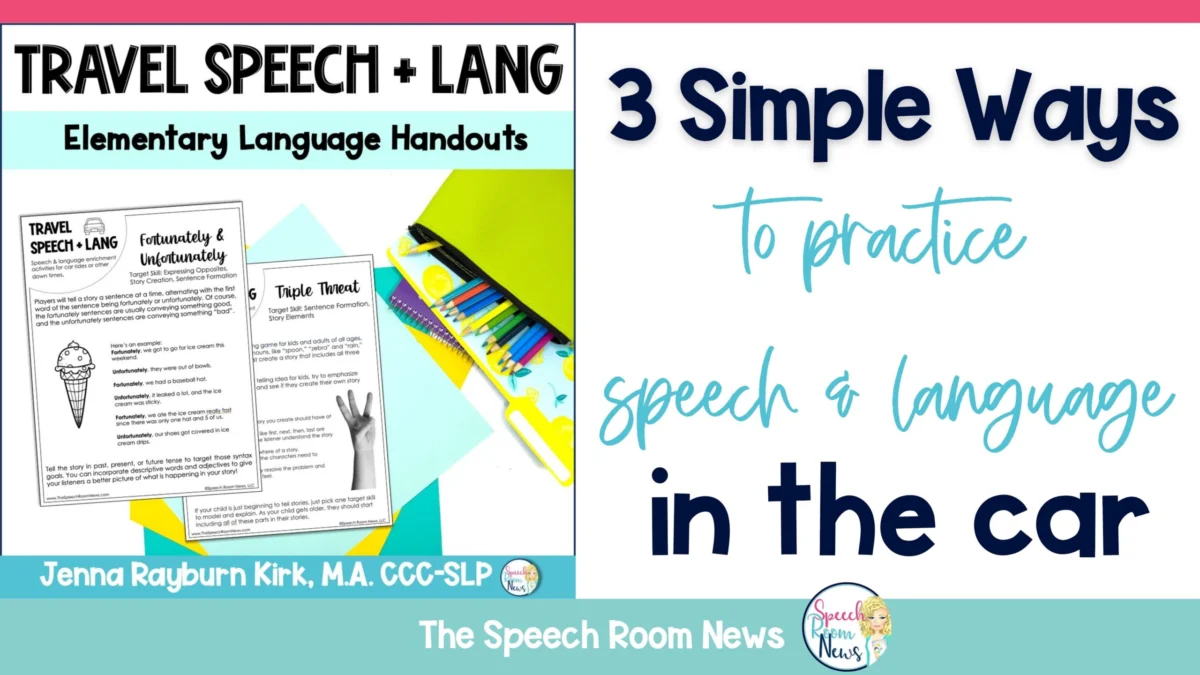
In an increasingly demanding world where schedules are packed and distractions are abundant, parents often grapple with finding dedicated time to support their children’s speech and language development. The daily car commute, frequently perceived as dead time or an opportunity for passive entertainment, is now being highlighted by speech-language pathology experts as an invaluable, often overlooked, window for intentional practice. By transforming routine car rides into interactive learning environments, caregivers can significantly contribute to their child’s linguistic growth, fostering crucial communication skills in a natural and engaging manner. This approach not only optimizes valuable time but also offers a unique, distraction-reduced setting conducive to focused interaction and skill reinforcement.
The Growing Need for Integrated Speech and Language Practice
Speech and language delays represent a significant challenge for many families. According to the National Institute on Deafness and Other Communication Disorders (NIDCD), nearly one in twelve (7.7 percent) U.S. children aged 3–17 years has had a voice, speech, language, or swallowing disorder in the past 12 months. The American Speech-Language-Hearing Association (ASHA) emphasizes that early intervention is paramount, as untreated speech and language disorders can lead to long-term difficulties in academic achievement, social interaction, and emotional well-being. While formal therapy sessions with a Speech-Language Pathologist (SLP) are critical, consistent practice at home, often referred to as "carryover," is essential for consolidating learned skills and generalizing them to everyday situations. However, the realities of modern family life—juggling work, school, extracurricular activities, and household chores—make finding this consistent practice time a significant hurdle for many parents. Screen time, while convenient, can also inadvertently reduce opportunities for direct verbal interaction, further underscoring the need for structured, interactive alternatives.
The car environment presents a unique solution to this dilemma. Unlike home, where toys, television, or siblings can divert attention, the confined space of a vehicle naturally limits distractions, encouraging sustained verbal engagement between parent and child. This focused interaction is vital for developing conversational turn-taking, active listening, and spontaneous language use. Moreover, the dynamic scenery outside the window provides a rich, ever-changing backdrop for vocabulary expansion and contextual learning, transforming ordinary journeys into opportunities for observation and descriptive language practice.
Benefits of In-Car Language Engagement
Beyond the convenience, integrating speech and language practice into car commutes offers several distinct advantages. The inherent structure of a car ride, with its predictable beginnings and endings, can help establish a routine for learning. For many children, particularly those with developmental differences, predictability and routine are crucial for comfort and effective learning. The natural back-and-forth rhythm of conversation in the car mirrors real-world communication, providing an authentic context for practicing conversational skills, asking questions, and responding appropriately.
Furthermore, the act of observing road signs, landmarks, and passing vehicles can organically introduce new vocabulary and concepts. Parents can leverage these visual cues to prompt discussions about categories, functions, and attributes, thereby expanding a child’s lexicon and semantic understanding. This incidental learning, embedded within a familiar and often calming environment, can be less intimidating than formal therapy exercises, fostering a positive association with language practice. From a developmental perspective, regular engagement in such activities strengthens neural pathways associated with language processing, memory, and executive functions. It also provides a valuable opportunity for parents to model correct speech sounds and grammatical structures, offering auditory bombardment in a relaxed setting, which is a key therapeutic technique for articulation development. Ultimately, utilizing car rides as a platform for speech and language practice not only maximizes valuable time but also cultivates a fun, engaging, and highly effective learning experience that strengthens parent-child bonds through shared communication.
Practical Strategies for In-Car Speech and Language Practice
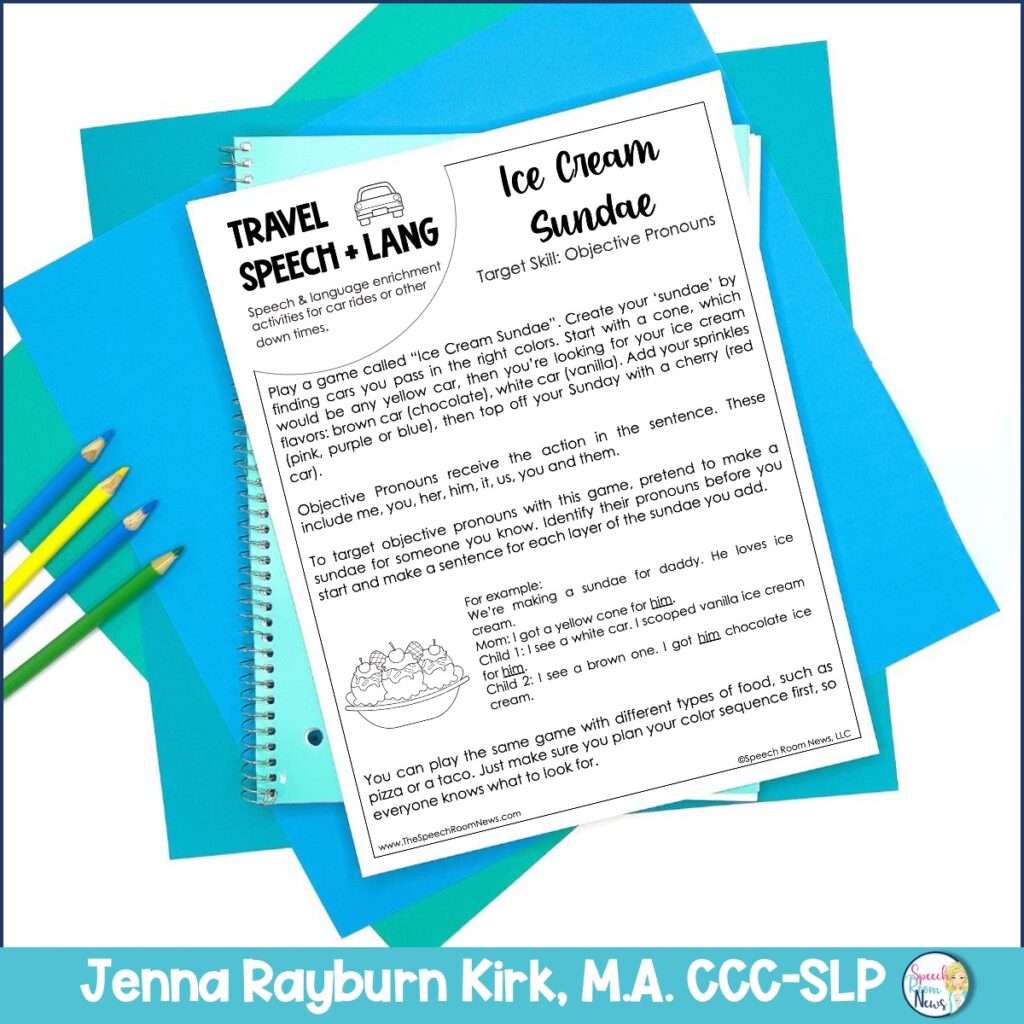
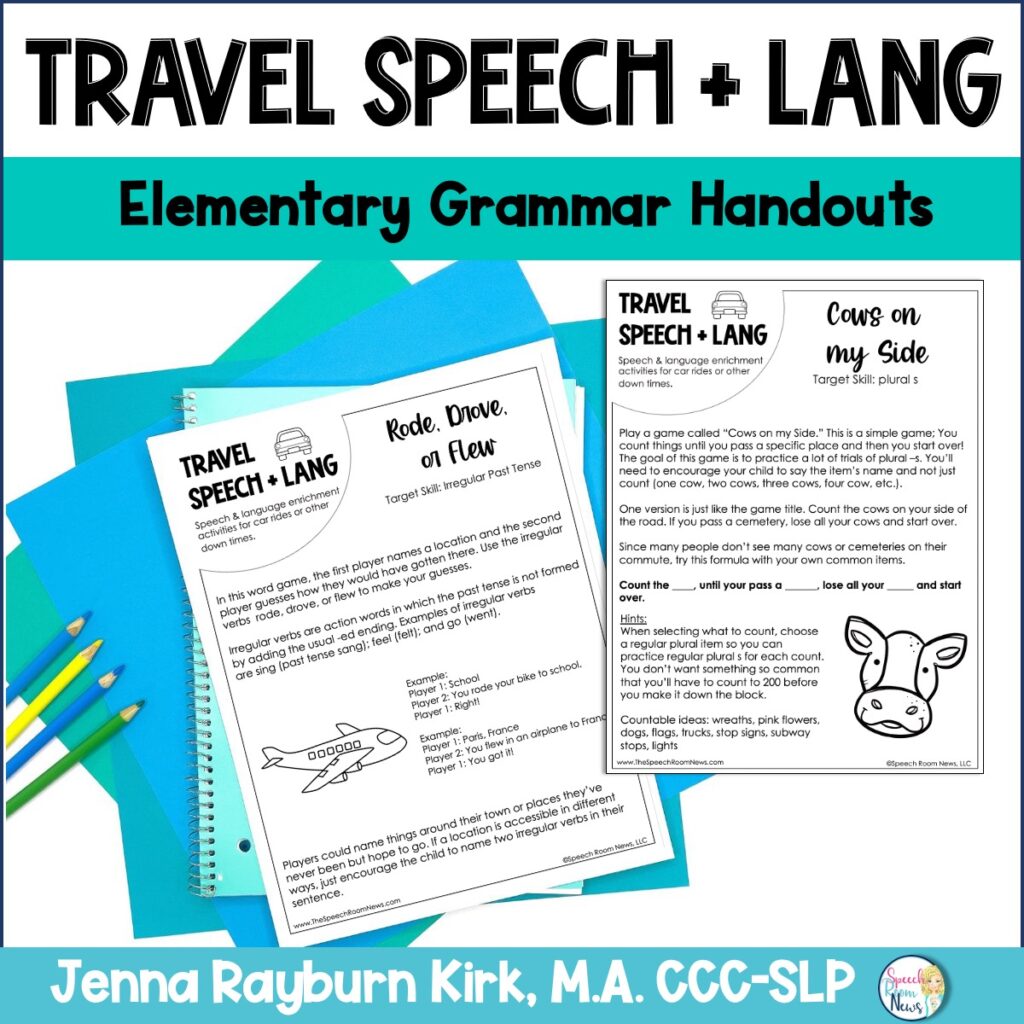
Speech-language pathology professionals often advocate for simple, adaptable games that parents can easily implement without requiring special materials. These strategies are designed to target various linguistic domains, from question formation and articulation to sentence structure and narrative skills.
1. The Grocery Game: Mastering Question Formation
The ability to form grammatically correct questions is fundamental to effective communication, enabling children to seek information, clarify understanding, and engage in meaningful social exchanges. The Grocery Game is an excellent, low-resource activity designed to hone this critical skill.
- How to Play: One player (often the parent initially, to model) secretly thinks of an item found in a grocery store. Other players in the car take turns asking "yes" or "no" questions to guess the item.
- Grammar Target Skill: Question formation, focusing on correct word order (e.g., "Is it…?" "Do you…?" "Can it…?").
- Expanded Language Skills Targeted: This game is incredibly versatile and can simultaneously address multiple language goals:
- Functions: "Does it melt?" "Is it used for cooking?"
- Actions: "Do you bite it?" "Can you spread it?"
- Categories: "Is it a fruit?" "Is it a type of dairy product?"
- Associates: "Is it something that goes on bread?" "Is it usually found next to eggs?"
- Attributes: "Is it red?" "Is it soft?"
- Inferencing: Children must use the answers to previous questions to narrow down possibilities, enhancing their deductive reasoning.
- Adult’s Role: The adult’s role is crucial in modeling diverse question types, providing clear "yes/no" answers, and offering gentle corrections or prompts if a child struggles with question structure. For instance, if a child says, "You drink it?", the parent might rephrase, "That’s a good thought! How about, ‘Do you drink it?’" This subtle correction provides a positive model without overtly pointing out an error. For older children, the game can be extended to include "wh-" questions (who, what, where, when, why), making it more challenging.
2. Red Light Race: Articulation Practice on the Go
Articulation—the clear pronunciation of speech sounds—is a cornerstone of intelligible speech. Red Light Race offers a dynamic and fun way to practice specific target sounds, leveraging the natural pauses in a car journey.
- How to Play: When the car stops at a red light, players take turns naming as many items as possible within a chosen category, all of which must contain a specific target sound (e.g., the "s" sound, the "r" sound, "ch" sound). One person names, the other counts.
- Grammar Target Skill: Articulation of specific phonemes (speech sounds).
- Expanded Language Skills Targeted:
- Auditory Bombardment: The adult’s modeling of words with the target sound provides intensive auditory input, helping the child’s brain "tune in" to that particular sound. This technique is a recognized component of articulation therapy.
- Phonological Awareness: By actively listening for and producing words with a specific sound, children enhance their phonological awareness, which is critical for reading and spelling development.
- Vocabulary Retrieval: Rapidly recalling words within a category strengthens vocabulary and word-finding skills.
- Categorization: Reinforces understanding of semantic categories.
- Categories and Target Sounds (Examples):
- "S" sound:
- Animals: snake, seal, horse, mouse, dinosaur
- Food: soup, salad, sausage, sweets, salsa, cheese
- Things at school: desk, pencil, classroom, bus, scissors
- "R" sound:
- Vehicles: car, truck, train, motorcycle, airplane
- Colors: red, orange, brown, green, purple
- Things to wear: shirt, dress, scarf, hat, shoes
- "K" sound:
- Kitchen items: cup, fork, cookie, cake, milk
- Animals: cat, dog, duck, chicken, cow
- Things you can kick: ball, can, rock
- "L" sound:
- Things that are long: ruler, snake, rope, hair
- Things that are loud: lion, siren, bell, thunder
- Things you like: candy, apple, lollipop
- "S" sound:
- Adaptation: This game can be adapted for various articulation errors, including fronting (e.g., k/t substitution), stopping (e.g., s/t substitution), or cluster reduction (e.g., "pider" for "spider"). The adult simply focuses on modeling and encouraging production of the correct sound.
3. Triple Threat: Crafting Narratives and Sentences
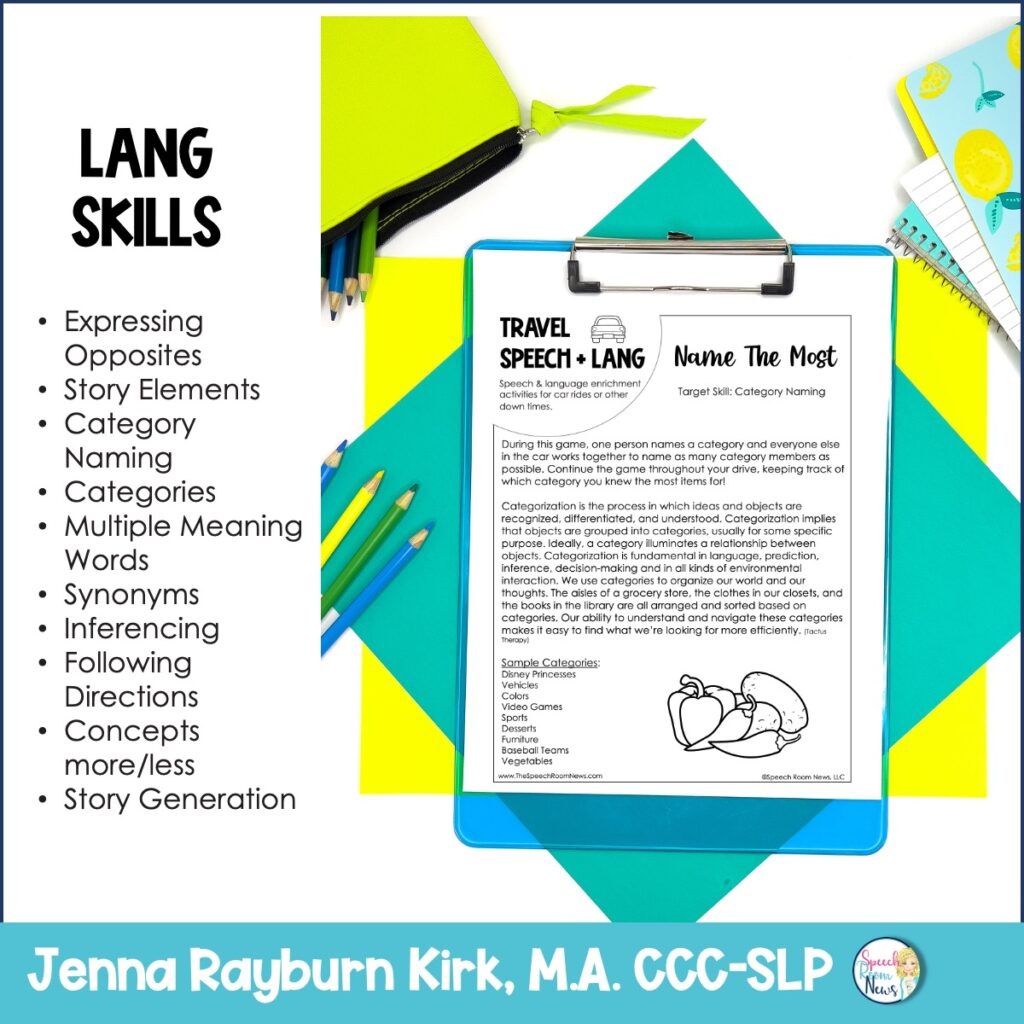
Narrative skills, including the ability to form coherent sentences and retell stories, are essential for academic success, social communication, and imaginative play. The Triple Threat game challenges children to weave seemingly disparate concepts into a cohesive story.
- How to Play: The adult presents three unrelated nouns (e.g., "dog," "milk," "bike"). The child then creates a short story that incorporates all three items. The sillier the story, the more fun it often becomes!
- Grammar Target Skills: Sentence formation, narrative structure, sequencing events.
- Expanded Language Skills Targeted:
- Sentence Complexity: Encourages the use of conjunctions (and, but, because), temporal words (first, next, then, finally), and descriptive adjectives and adverbs to enrich the narrative.
- Story Retell & Generation: Develops the ability to organize thoughts, create a plot, and connect ideas logically. This is a foundational skill for comprehension and written expression.
- Creativity & Imagination: Promotes divergent thinking and imaginative problem-solving as children invent scenarios to link the given words.
- Vocabulary Use: Provides opportunities to use and understand new words within a contextualized story.
- Problem-Solving: Children must figure out how to integrate all three elements in a meaningful way, even if the result is fantastical.
- Prompting & Scaffolding: For children who find story generation challenging, parents can offer prompts: "What happened first?" "Who was involved?" "Where did this happen?" "What was the problem?" "How did they solve it?" This helps them develop an internal framework for narrative construction.
Broader Impact and Implications
These in-car strategies represent more than just isolated games; they embody a philosophy of integrating learning into the fabric of daily life. By making language practice fun, accessible, and spontaneous, parents can circumvent the common pitfalls of "homework" or "drill-and-practice," which can sometimes be met with resistance. The positive reinforcement and shared enjoyment of these activities strengthen the parent-child bond, making communication a source of connection rather than a chore.
From a public health perspective, promoting such accessible home-based interventions can significantly broaden the reach of speech and language support, particularly for families in underserved communities or those with limited access to consistent therapy. These simple activities empower parents to become active participants in their child’s developmental journey, fostering a sense of agency and competence. They also offer a tangible alternative to passive entertainment, contributing to a reduction in screen time and encouraging more active, cognitive engagement during travel.
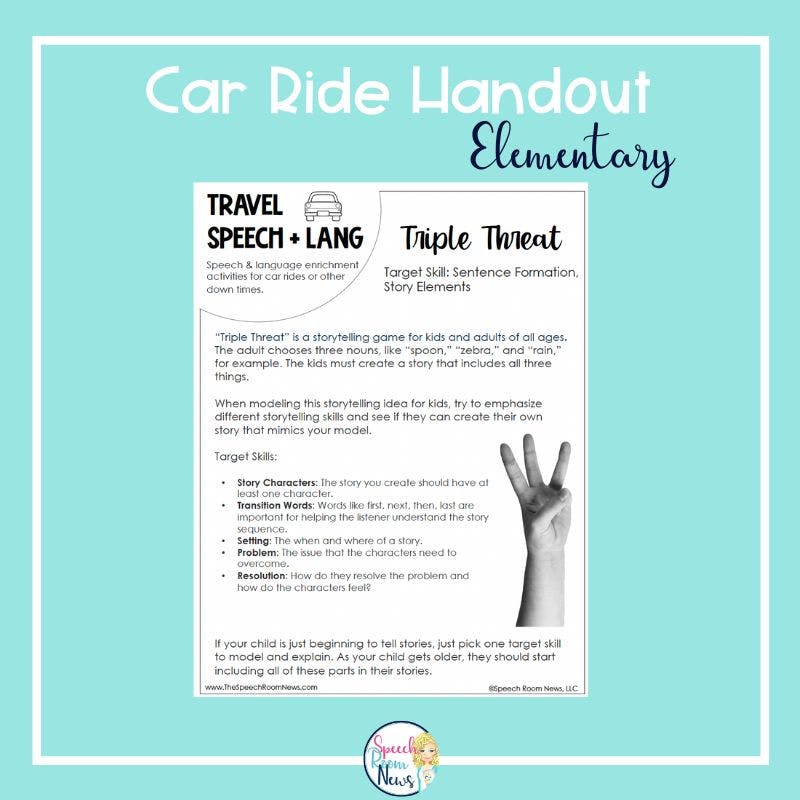
Speech-language pathologists and developmental specialists widely endorse these types of practical, carryover activities. Feedback from SLPs who share such handouts with families consistently highlights their value. One SLP noted, "These handouts are perfect to post on your bulletin board or send home with families on your caseload. This encourages valuable and practical ways to practice speech skills with their child throughout the hustle and bustle of everyday life and shows parents ways to support their child in a practical way." Another commented on the usefulness for busy parents: "Such a great resource to send home to parents. Simple, clear and easy to understand activities that can be incorporated into daily routines." This reinforces the idea that effective intervention doesn’t always require elaborate setups but can thrive in the most ordinary of circumstances.
In conclusion, the daily commute, once a mundane necessity, can be purposefully repurposed as a dynamic classroom on wheels. By embracing intentional strategies like The Grocery Game, Red Light Race, and Triple Threat, parents can transform routine drives into enriching opportunities for speech and language development, laying a strong foundation for their children’s future communication success and fostering a lifelong love of language.
