

The integration of engaging, multi-functional toys into therapeutic settings is revolutionizing pediatric speech-language pathology, with magnetic tiles standing out as a particularly effective resource for fostering communication and cognitive development in young children. These popular building blocks, known for their vibrant colors and strong magnetic connections, offer a dynamic platform for speech-language pathologists (SLPs) to address a wide array of speech and language goals, from early articulation to complex social communication skills, ensuring high levels of student engagement.
The Foundational Role of Play in Early Intervention
For decades, experts in child development and speech-language pathology have underscored the critical importance of play-based interventions, especially for children aged one and up. Play provides a natural, low-pressure environment where children are intrinsically motivated to learn, experiment, and interact. This approach is particularly vital in speech therapy, where traditional drill-based exercises can often lead to disengagement or resistance. By embedding therapeutic objectives within playful activities, SLPs can facilitate more organic language acquisition and skill generalization. Magnetic tiles, due to their open-ended nature and tactile appeal, align perfectly with this pedagogical philosophy, transforming therapy sessions into enjoyable, productive experiences.
Magnetic Tiles: A Deeper Dive into Their Therapeutic Utility
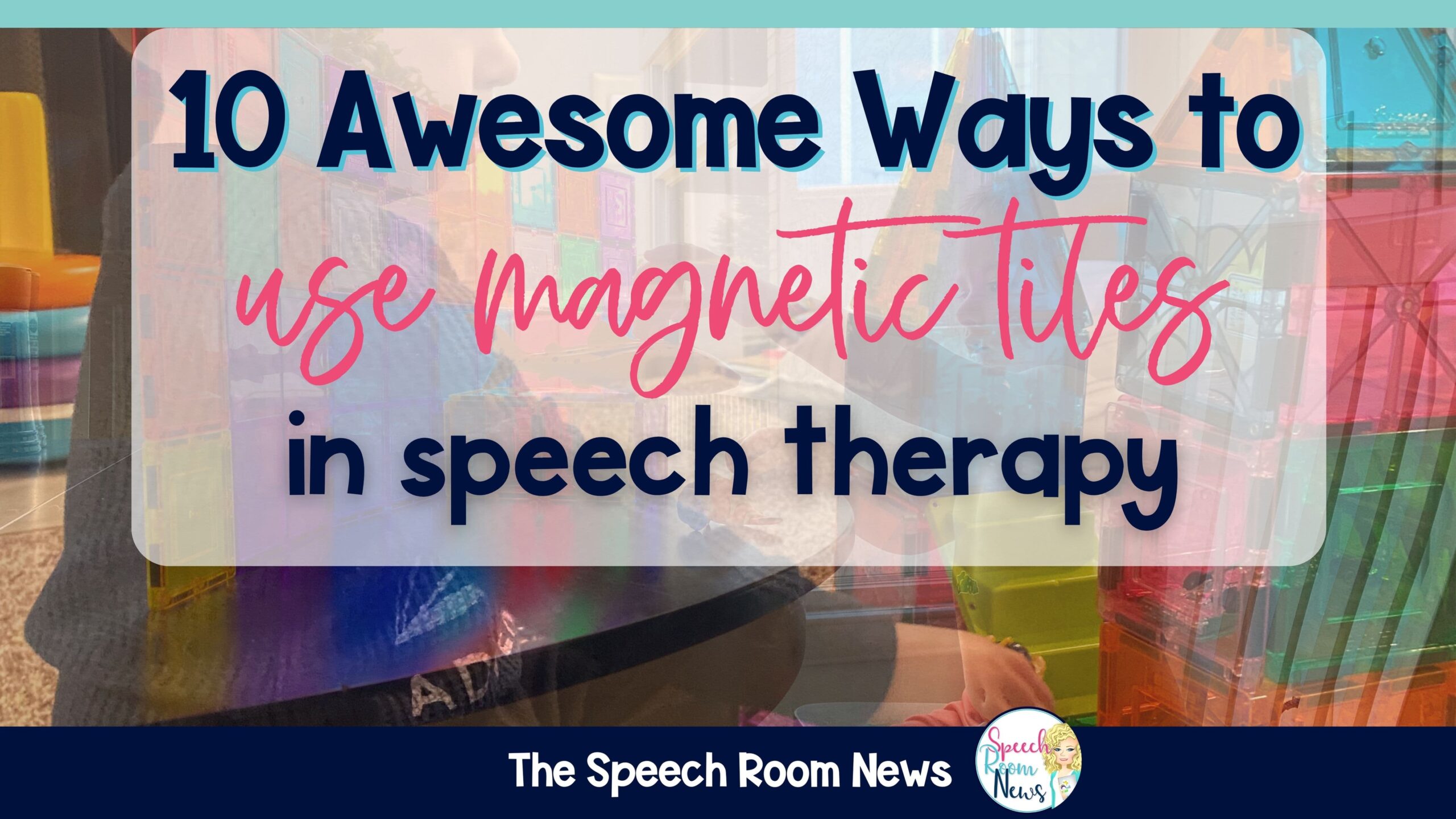
The inherent design of magnetic tiles—featuring various geometric shapes and vibrant hues—makes them inherently versatile. They encourage creativity, problem-solving, and fine motor skills, all of which indirectly support speech and language development. The ability to easily connect and disconnect pieces, build in three dimensions, and create both abstract and representational structures provides an unparalleled range of therapeutic opportunities. While initially perceived as an investment, their durability and extensive utility across multiple developmental stages and therapeutic goals often justify the initial cost for both professional clinicians and families.
Below are ten key applications where magnetic tiles are proving invaluable in speech therapy, offering concrete examples of how SLPs are leveraging this tool to achieve significant therapeutic outcomes:
1. Cultivating Social Cooperative Work
Magnetic tiles are exceptional for fostering social interaction and collaborative communication. When children work together on a shared structure, they naturally engage in back-and-forth communication. This provides a natural context for practicing requesting, turn-taking, sharing ideas, negotiating, and problem-solving. An SLP might assign roles (e.g., "builder," "designer," "material manager") or set a collaborative goal, prompting discussions about design plans, material selection, and constructive feedback. This active engagement enhances not only verbal communication but also crucial non-verbal social cues and teamwork abilities, laying a foundation for more complex social interactions.

2. Mastering Prepositions and Spatial Concepts
Abstract spatial concepts can be challenging for young children to grasp. Magnetic tiles offer a concrete, manipulable medium to teach prepositions like "on," "under," "beside," "between," "in front of," and "behind." Children can physically place tiles "on" top of a tower, "under" a bridge, or "between" two other tiles, thereby associating the verbal label with a direct physical action. This kinesthetic learning reinforces understanding of spatial relationships, moving beyond rote memorization to functional comprehension and expressive use of these critical language components.
3. Enhancing Sorting by Shape and Color
Sorting activities with magnetic tiles serve multiple cognitive and linguistic purposes. By instructing children to group tiles by specific attributes—such as all red squares or all blue triangles—SLPs can target descriptive vocabulary, categorization skills, and attribute identification. Children verbally describe their actions ("I put the red square here," "This is a big triangle"), reinforcing shape and color names. To extend this, children can build "sorting bins" with the tiles themselves, further integrating the therapeutic tool into the task and adding an executive functioning component. This activity also hones auditory processing skills as children follow multi-step commands related to sorting criteria.
4. Articulation Practice in a Playful Context
Integrating targeted speech sounds into magnetic tile play transforms repetitive articulation drills into dynamic, engaging activities. For instance, if the target sound is /k/, children can be encouraged to build a "castle," a "cage," a "car," or a "park." As they construct, the SLP prompts them to name the objects, describing their creation using words that contain the target sound. This method promotes repeated production of sounds in a meaningful, functional context, facilitating generalization of new speech patterns beyond isolated word practice. The tactile feedback of building also provides a positive reinforcement loop.
5. Practicing Irregular Verbs
Magnetic tiles provide an excellent backdrop for narrating events and practicing irregular past tense verbs. Children can build a scene (e.g., a house, a ramp, a vehicle) and then tell a story about what happened, incorporating verbs like "built," "fell," "ran," "saw," or "ate." For example, "I built a tall tower, but it fell down." The visual and physical context provided by the tiles supports recall and appropriate usage of these tricky verbs, which do not follow standard grammatical rules. This method encourages narrative development and sequential thought while targeting specific linguistic structures.
6. Developing Executive Functioning Skills
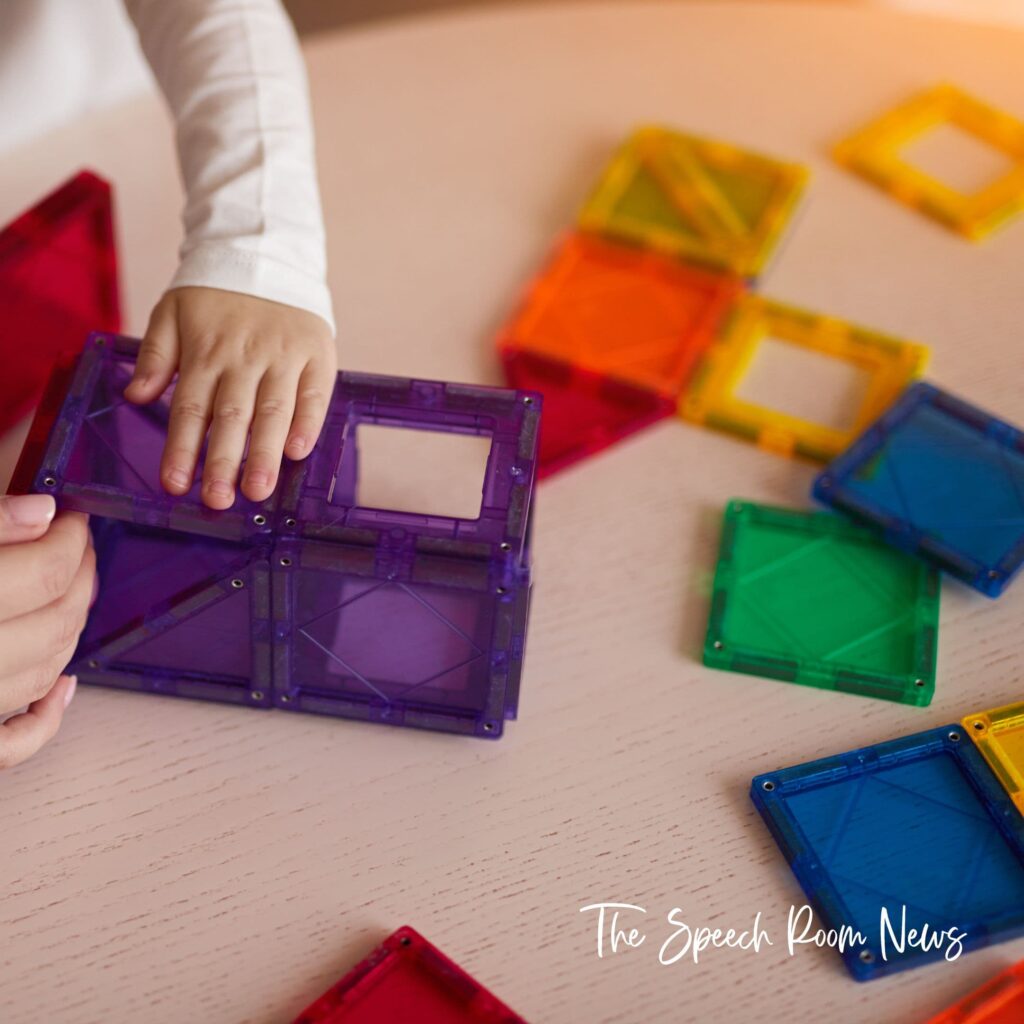
Activities with magnetic tiles are inherently rich in opportunities for executive functioning practice, encompassing planning, organization, working memory, and self-regulation. SLPs can introduce tasks requiring children to plan a structure before building, gather specific materials, or follow a multi-step design. Imposing constraints, such as a time limit or a specific number of tiles, further challenges planning abilities and encourages efficient strategy development. As children articulate their plans and problem-solve aloud, they enhance their verbal reasoning and organizational language, which are crucial for academic success and daily living.
7. Reinforcing Regular Plurals
Using magnetic tiles to build patterns or structures naturally facilitates practice with regular plurals. Children can be prompted to describe the quantities of shapes they are using: "I need three squares," "Look at all the triangles!" The visual representation of multiple items makes the concept of pluralization concrete. SLPs can also create activities where children have to request "more" of a specific shape, ensuring they use the plural form. This direct visual-linguistic connection aids in the acquisition and consistent use of regular plural markers.
8. Answering WH Questions
Magnetic tiles serve as excellent prompts for practicing and answering WH questions (who, what, where, when, why, how). As children build, the SLP can ask: "Where does that tile go?" "Who is building the tallest tower?" "What are you making?" "When will your castle be finished?" "Why did it fall down?" These questions encourage descriptive language, critical thinking, and expressive formulation of answers. The interactive nature of building keeps children engaged, making the question-and-answer exchange feel natural and less like an interrogation, thereby improving comprehension and expressive language skills.
9. Mastering the Pronoun "I"
For children who struggle with pronoun usage, particularly the first-person singular "I," magnetic tile activities offer numerous opportunities for practice. SLPs can model and prompt sentences like, "I chose a blue tile," "I built this part," or "I want to add another triangle." By consistently linking the child’s actions to the pronoun "I," the connection becomes clearer and more ingrained. This direct, self-referential language practice in a playful context helps solidify the understanding and appropriate use of this fundamental pronoun.
10. Reinforcing AAC Core Words
For children utilizing Augmentative and Alternative Communication (AAC) systems, magnetic tiles are a powerful tool for reinforcing core words—high-frequency words that account for a significant portion of daily communication. During building activities, SLPs can model and prompt the use of core words such as "more," "on," "off," "up," "down," "help," "open," "close," "big," "little," "want," and "go." For example, "I want more tiles," "Put it on," "Tower up!" This functional application in a hands-on context helps children understand the meaning and purpose of these core words, fostering greater independence and communicative competence.
The Broader Impact and Implications
The growing adoption of magnetic tiles in speech therapy reflects a broader trend towards dynamic, child-centered interventions that prioritize engagement and holistic development. By integrating play-based tools, SLPs are not only addressing specific speech and language deficits but also nurturing creativity, problem-solving skills, and social-emotional growth. This approach leads to more motivated learners, improved therapeutic outcomes, and a stronger foundation for lifelong communication skills.
Leading speech-language pathologists affirm that such versatile tools are critical for creating engaging therapy environments. Dr. Elara Vance, a pediatric SLP with two decades of experience, stated, "The beauty of magnetic tiles lies in their ability to adapt to nearly any therapeutic goal while keeping children captivated. They transform abstract concepts into tangible experiences, making learning intuitive and fun. This shifts the perception of therapy from a chore to an exciting opportunity for discovery."
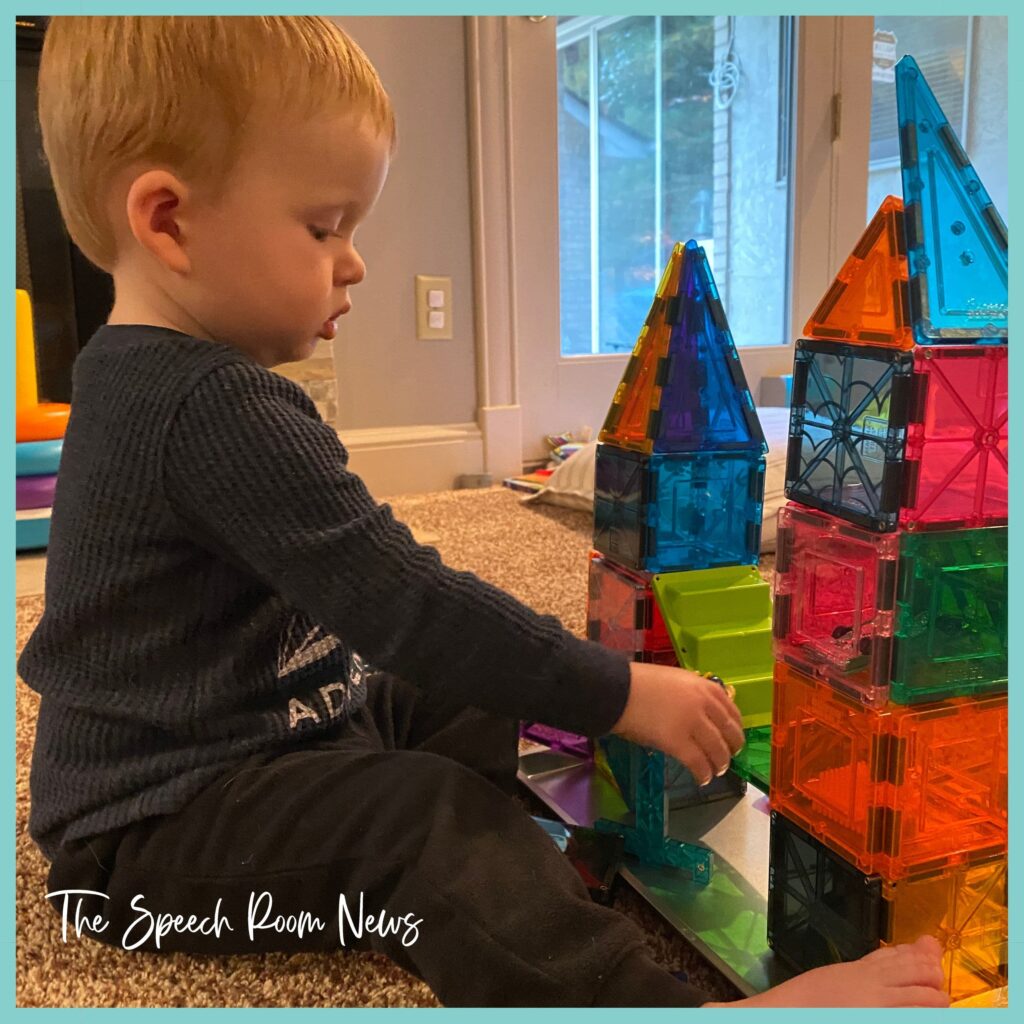
While the initial investment for a quality set of magnetic tiles might be higher than some other therapy materials, their multi-faceted utility and durability make them a cost-effective choice in the long run. Clinicians often seek grants or add them to wish lists, recognizing their significant return on investment in terms of therapeutic efficacy and child engagement. For parents, incorporating magnetic tiles into home play can extend therapeutic benefits, creating a consistent language-rich environment that reinforces skills learned in therapy.
In conclusion, magnetic tiles represent more than just a toy; they are a sophisticated, adaptable therapeutic instrument. Their capacity to bridge the gap between play and targeted intervention makes them an indispensable asset in modern pediatric speech-language pathology, driving meaningful progress and fostering a love for learning in young communicators.
