

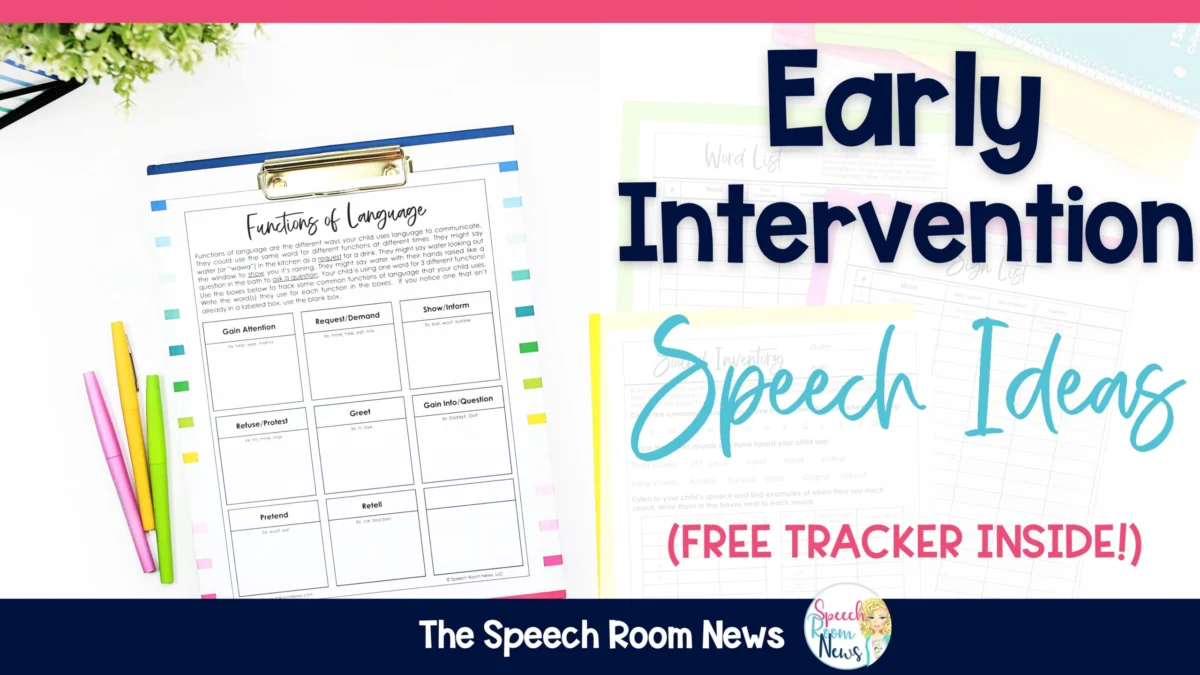
The journey of a child’s speech and language development is a complex and critical pathway, where the timely application of early intervention speech therapy emerges as a profoundly impactful factor. For both dedicated speech-language pathologists (SLPs) and parents navigating the initial stages of a child’s communication, understanding the pivotal roles each plays is not merely beneficial but essential for fostering optimal outcomes. This comprehensive exploration delves into the foundational significance of early intervention, practical therapeutic activities, and the vital tools available to support children struggling with emergent speech, ensuring no child is left behind in their developmental trajectory.
The Foundational Importance of Early Intervention in Speech Development
Early intervention in speech and language therapy is not merely a reactive measure but a proactive strategy built on robust scientific understanding of child development. The period from birth to age three is recognized by neuroscientists as a critical window for brain development, particularly for language acquisition. During these formative years, the brain exhibits remarkable plasticity, meaning it is highly adaptable and capable of forming new neural connections rapidly. This inherent capacity makes early intervention profoundly effective; addressing speech and language delays during this phase can significantly mitigate long-term challenges in communication, literacy, academic achievement, and social-emotional well-being.
Statistics underscore the prevalence and impact of these challenges. According to the American Speech-Language-Hearing Association (ASHA), approximately 5% to 8% of preschool-aged children experience speech and language disorders. Without early support, these delays can snowball, leading to difficulties in school, strained peer relationships, and even heightened risks of anxiety or depression later in life. Conversely, studies consistently demonstrate that children who receive early intervention for speech and language delays show marked improvements, often closing the gap with their typically developing peers. This data reinforces the consensus among medical and educational professionals that "wait and see" approaches are often detrimental, emphasizing instead the urgency of timely assessment and intervention.
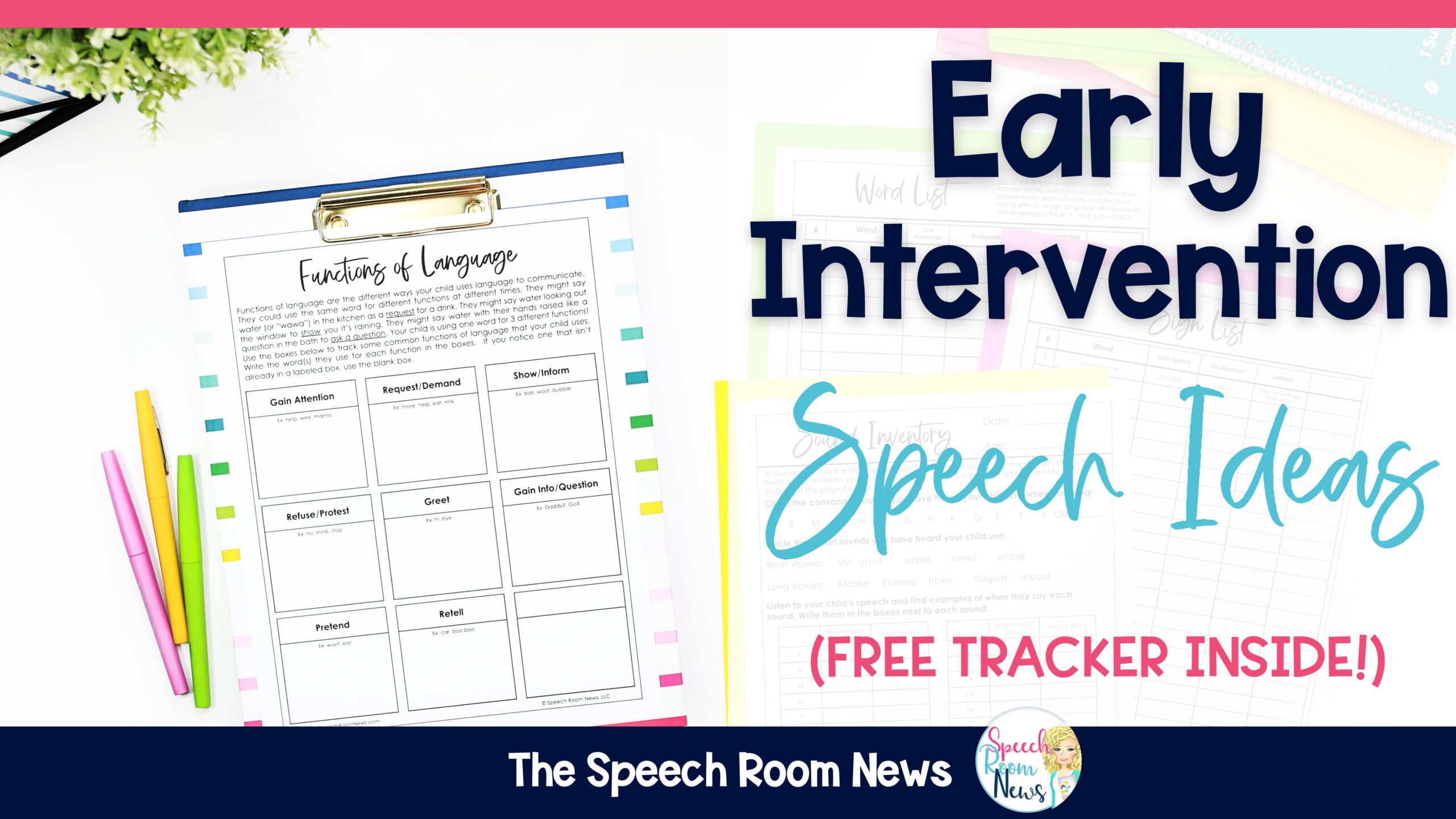
Identifying "Late Talkers": A Crucial Early Step
One of the most common concerns for parents revolves around "late talkers"—toddlers aged 18-30 months who understand language and use gestures but have a limited expressive vocabulary (typically fewer than 50 words) and do not combine words. While some late talkers eventually catch up to their peers without formal intervention, a significant percentage (estimated at 40-50%) may go on to experience persistent language delays or disorders. Distinguishing between a transient delay and a more enduring disorder is a critical, often anxious, period for families.
Key developmental milestones serve as important benchmarks for parents and professionals. For instance, by 12 months, a child typically babbles with varied sounds and gestures. By 18 months, they should have around 10-20 words, and by 24 months, a vocabulary of 50 or more words, consistently combining two words. A child not hitting these milestones warrants closer observation and potentially professional consultation. Factors like a family history of speech or language problems, persistent ear infections, or a lack of communicative gestures can increase the risk of a persistent delay. Recognizing these early warning signs empowers parents to seek advice from their pediatrician or local school district, which can facilitate access to early intervention services.
The Dual Perspective: An SLP’s Personal Journey
The professional understanding of speech development, combined with the personal experience of parenthood, often provides a uniquely empathetic and insightful perspective. Consider the narrative of a speech pathologist who, despite her professional expertise, faced the unexpected reality of her own child being a "late talker." This dual role—as both a seasoned clinician and a concerned parent—highlights the universal anxieties and challenges associated with developmental delays. Her journey underscored the importance of diligent observation and systematic tracking of early sounds and words.
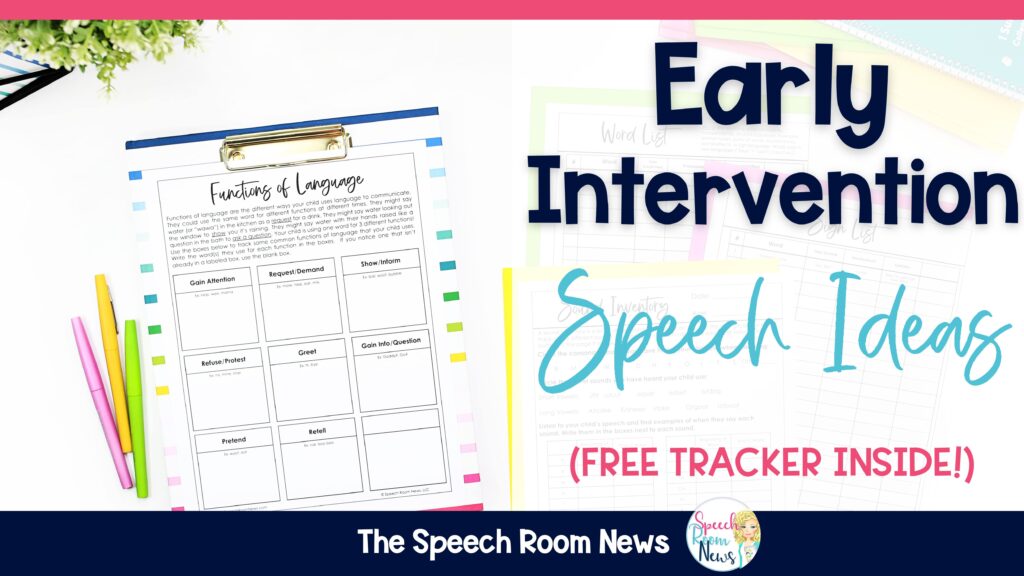
From a professional standpoint, this personal experience reinforced the value of data-driven insights. Documenting a child’s babbling patterns, first words, and nascent phrases provides an objective record of progress, offering clarity that subjective memory often lacks. This systematic approach is invaluable for therapists in tailoring interventions and for parents in understanding their child’s unique developmental trajectory. It transforms anecdotal observations into concrete evidence, fostering a collaborative environment where both parents and SLPs can monitor growth and adapt strategies effectively.
Empowering Parents: The Cornerstone of Home-Based Intervention
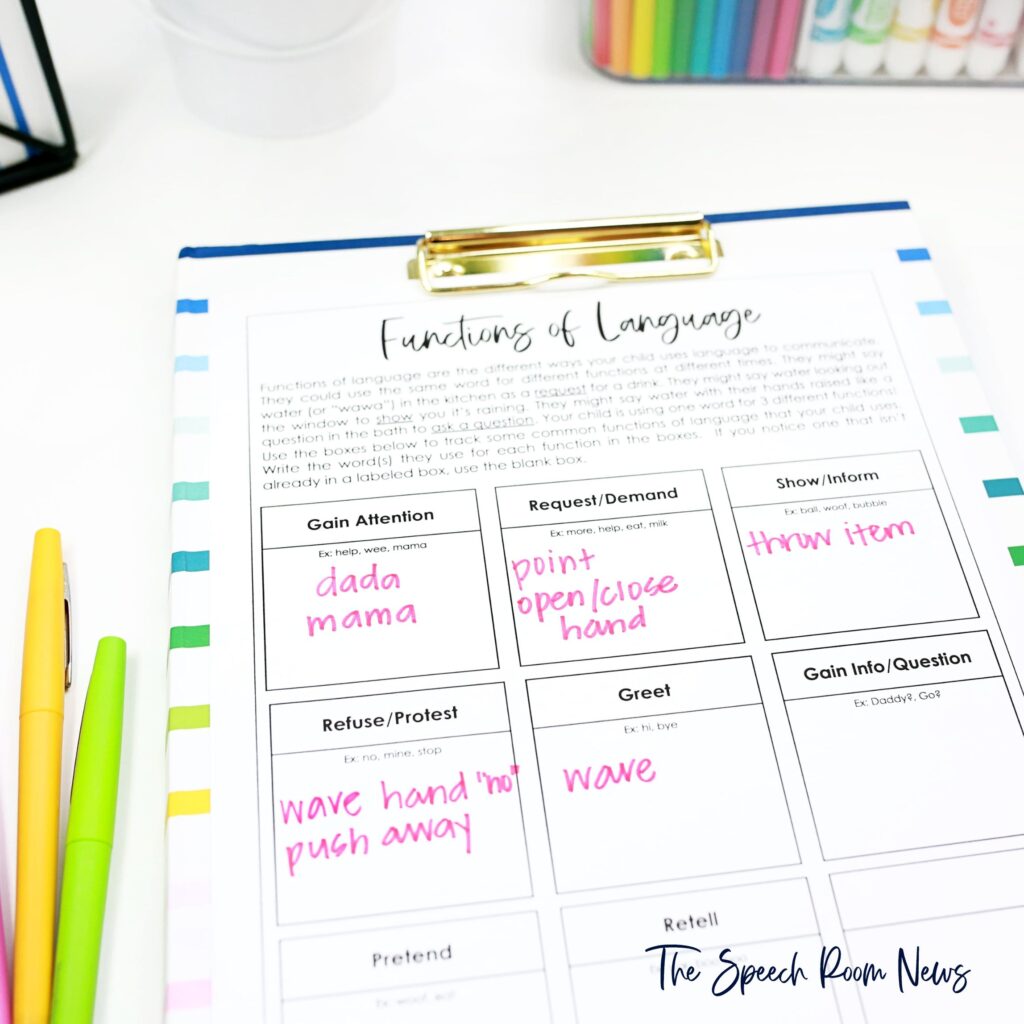
Parents are, by far, the most influential communication partners in a child’s life. Their active involvement is not supplementary but integral to the success of early intervention. Equipping parents with the knowledge and tools to support language development at home significantly amplifies therapeutic gains. One of the most effective tools for this is a structured method for tracking a child’s emerging speech sounds and words.
Tracking serves multiple critical functions:
- Objective Monitoring: It moves beyond guesswork, providing a concrete record of a child’s linguistic repertoire. It allows parents to observe subtle changes and progress that might otherwise be overlooked.
- Diagnostic Clarity: Detailed data on early sounds (e.g., "ba," "ma") and syllable shapes (e.g., Consonant-Vowel (CV) like "mama," Vowel-Consonant (VC) like "up," CVCV like "wawa," or CVC like "dog") offers invaluable insights for SLPs during assessment. This information helps differentiate between speech sound disorders, language delays, or other communication challenges.
- Informed Therapy Planning: With a clear picture of a child’s current communication skills, SLPs can develop highly individualized and targeted intervention plans, focusing on the specific sounds, words, and grammatical structures the child is ready to acquire.
- Reduced Parental Anxiety: Seeing tangible progress, no matter how small, can be incredibly reassuring for parents, validating their efforts and reinforcing the effectiveness of intervention.
- Facilitating Communication with Therapists: Organized data streamlines progress reports during therapy sessions, ensuring that discussions are productive and focused on observed changes.
Resources like "First Words Trackers" become indispensable in this process. These tools typically include sections for recording new words, the date they emerged, the context in which they were used, and the syllable structure. Such trackers empower parents to become active participants in their child’s therapy, transforming daily interactions into data-rich learning opportunities. Families who utilize these trackers often express surprise at the actual breadth of their child’s vocalizations and word approximations once they begin intentional documentation.

Integrating Therapy into Daily Life: Practical Strategies for Home
Effective early intervention doesn’t solely occur in a clinical setting; it thrives when integrated seamlessly into a child’s daily life and routines. Daily routines offer predictable patterns, repeated exposure to vocabulary, and natural opportunities for communication, making them ideal vehicles for language learning. This approach, known as "routines-based intervention," capitalizes on familiar contexts to build vocabulary, social expectations, and action words.
Here are two examples of how common daily routines can be transformed into powerful speech therapy opportunities:
1. Eating a Snack: A Communication Catalyst
Snack time presents an excellent "communication temptation" – a situation where a child is motivated to communicate to get what they want. It is often more effective than a full meal because snacks are typically high-interest items and the interaction can be kept brief and focused.
- Strategy: Model target words repeatedly and create opportunities for the child to request or comment.
- Execution:
- Pour a desired snack into a bowl, narrating your actions: "Look, I’m pouring some crackers into the bowl. Yum! I love to eat crackers. You like to eat crackers too! Mmmm, crackers."
- Pause expectantly, looking at your child. Offer a small portion.
- Hold up another cracker and ask, "Do you want more?" or "Do you want cracker?"
- Wait for a response. Celebrate any word approximation, gesture, or eye gaze that indicates a request. If the child attempts a word, even if it’s not perfect, reinforce it by saying, "Yes, you want cracker! Here’s a cracker!"
- The goal is consistent modeling and creating a low-pressure environment for imitation and spontaneous communication.
2. Brushing Teeth: Building Language in the Mirror
Time spent in front of a mirror during personal care routines offers a unique opportunity for social interaction, self-awareness, and language building. This activity fosters back-and-forth social routines crucial for conversational turn-taking.
- Strategy: Explain actions and their rationale, use descriptive language, and encourage imitation.
- Effective Approach (DO THIS):
- "It’s time to brush your teeth. We brush and clean our teeth so they stay healthy. We want healthy teeth so we can eat all kinds of foods." (Explaining the ‘why’).
- "Let’s get your green toothbrush. Can you find the toothpaste? Squeeze just a little bit out." (Encouraging identification and action).
- "Now what do we do? Yes! Let’s brush the front. Now what? Yes—time to brush the back!" (Using positional words like ‘front’/’back’ and ‘up’/’down’).
- "You brushed your teeth! Now let mommy brush them too. I am brushing the front and the back. I go up and down and make sure I get all your teeth. We did it! Time to rinse our teeth and our brush so they stay clean." (Narrating, modeling, and celebrating).
- Less Effective Approach (NOT THIS): "Brush your teeth." (Offers minimal language input or explanation).
By integrating these strategies into everyday moments, parents provide countless opportunities for their child to hear, understand, and eventually produce language. The consistency and predictability of routines solidify learning and make the process feel natural rather than like formal therapy.
Broader Implications and Support Systems
The impact of early intervention extends far beyond individual children and families. A society that prioritizes early speech and language support invests in its future human capital. Children with strong communication skills are better equipped for academic success, vocational opportunities, and meaningful social participation.
Access to these vital services typically begins with a consultation with a pediatrician, who can refer families to a speech-language pathologist. In many regions, local school districts or early intervention programs (often federally funded) provide free or low-cost evaluations and therapy services for eligible children from birth to three years old. These programs are designed to be family-centered, providing support and education directly to parents within their home environments.
For both parents and professionals, a wealth of resources exists to support this journey. Professional organizations like ASHA provide evidence-based guidelines and research. Additionally, educational platforms offer practical materials, such as comprehensive parent handouts covering topics like developmental norms, language strategies, encouraging first words, understanding late talkers, and the importance of gestures. These resources act as invaluable bridges, translating complex clinical information into actionable strategies for families, and providing SLPs with ready-to-use tools for client education. Bundles of these materials often become staple references for early intervention programs, ensuring consistency and quality in parent guidance.

In conclusion, the efficacy of early intervention speech therapy is unequivocally supported by developmental science and clinical outcomes. The collaborative synergy between informed parents and skilled speech-language pathologists, empowered by systematic tracking and integrated daily strategies, forms the bedrock of successful communication development. By recognizing the critical window of opportunity in early childhood and committing to proactive support, we pave the way for every child to find their voice and thrive in a world that increasingly values effective communication.
