

At the latest Galaxy Unpacked event, Google and Samsung reaffirmed their decade-long strategic partnership by unveiling a suite of advanced artificial intelligence features integrated into the new Samsung Galaxy S26 series. This collaboration marks a significant pivot in the development of the Android operating system, moving away from a traditional interface toward what developers describe as an "intelligent system" that proactively learns and assists users. Led by Mindy Brooks, Vice President of Product Management and User Experiences for the Android Platform, the announcement highlighted three core pillars of this evolution: complex task delegation through Gemini, enhanced visual discovery via Circle to Search, and sophisticated on-device security measures designed to combat the rising tide of telephonic fraud.
The transition from a passive operating system to an active digital agent represents the culmination of years of joint engineering. By leveraging Google’s Gemini 3 series models, the Galaxy S26 aims to redefine the role of the smartphone in daily productivity. Industry analysts view this as a direct response to the increasing demand for "agentic AI"—artificial intelligence that does not merely provide information but executes multi-step workflows on behalf of the user.
The Evolution of the Android-Samsung Partnership
The relationship between Google and Samsung has served as the backbone of the Android ecosystem for over a decade. While the two companies have often competed in hardware and software services, their collaborative efforts on the Galaxy S-series have historically set the standard for premium Android experiences. The Galaxy S26 launch represents a new chapter in this history, focusing on deep-level integration of Google’s Large Language Models (LLMs) within Samsung’s proprietary One UI interface.
Historically, mobile AI was limited to basic voice commands and predictive text. The introduction of the Galaxy S24 series last year brought "Galaxy AI" to the forefront, introducing features like Live Translate and basic generative photo editing. The Galaxy S26, however, shifts the focus toward autonomy. According to Mindy Brooks, the goal is to create a system that understands user goals, asks clarifying questions when necessary, and anticipates the next logical step in a sequence of actions. This is made possible by the Gemini 3 series, which offers higher reasoning capabilities and more efficient on-device processing than its predecessors.
Gemini and the Dawn of Multi-Step Task Delegation
The centerpiece of the Galaxy S26’s software suite is an early preview of multi-step task delegation within the Gemini app. For years, digital assistants have been criticized for their inability to navigate third-party applications effectively. The new beta feature on the S26 addresses this by allowing Gemini to handle tedious digital errands that previously required manual input.
Users can initiate these tasks with a long press of the side button. Once activated, Gemini can execute complex requests such as "Book a ride home," "Organize a dinner order based on my group chat," or "Build a grocery cart based on a recipe." This functionality is launching initially in the United States and South Korea, focusing on three primary categories: food delivery, grocery shopping, and ridesharing.
Technically, this process involves Gemini running in the background while the user continues to use their phone for other activities. The system provides live progress updates via the notification shade, allowing users to monitor the AI as it selects items, navigates through app menus, and prepares a final checkout screen. Crucially, the user remains the final arbiter, as the AI requires a manual confirmation before any financial transaction is completed. This "human-in-the-loop" design is intended to build trust while significantly reducing the cognitive load of everyday logistics.
Enhancing Visual Discovery with Circle to Search
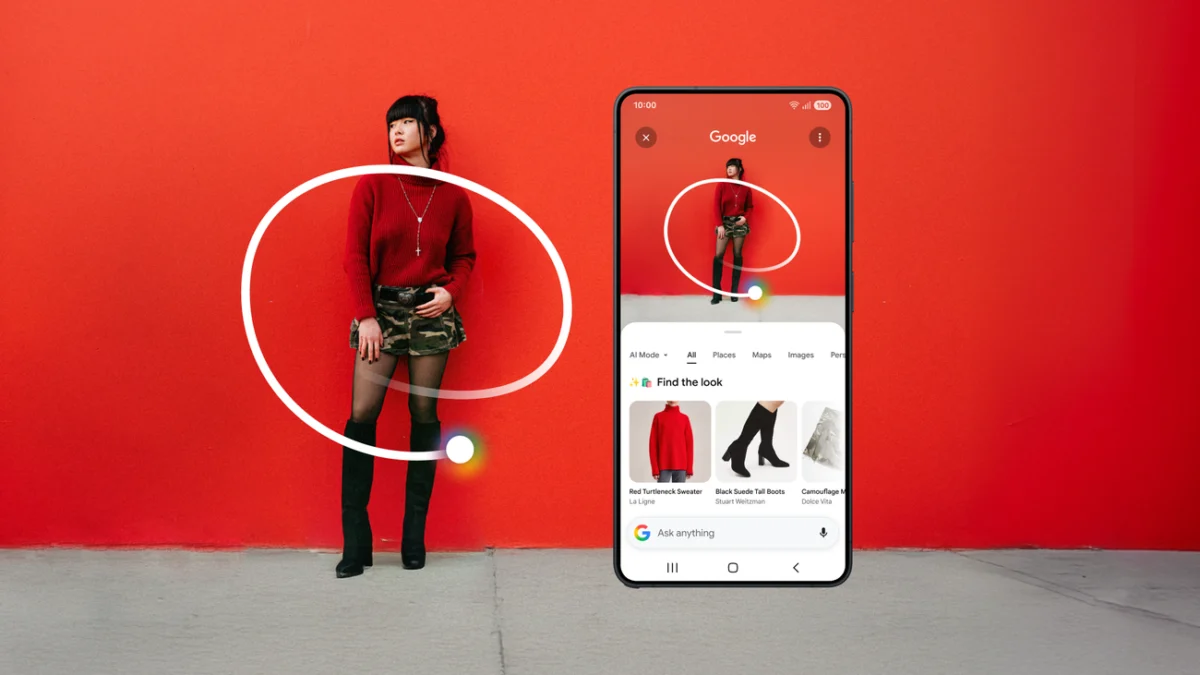
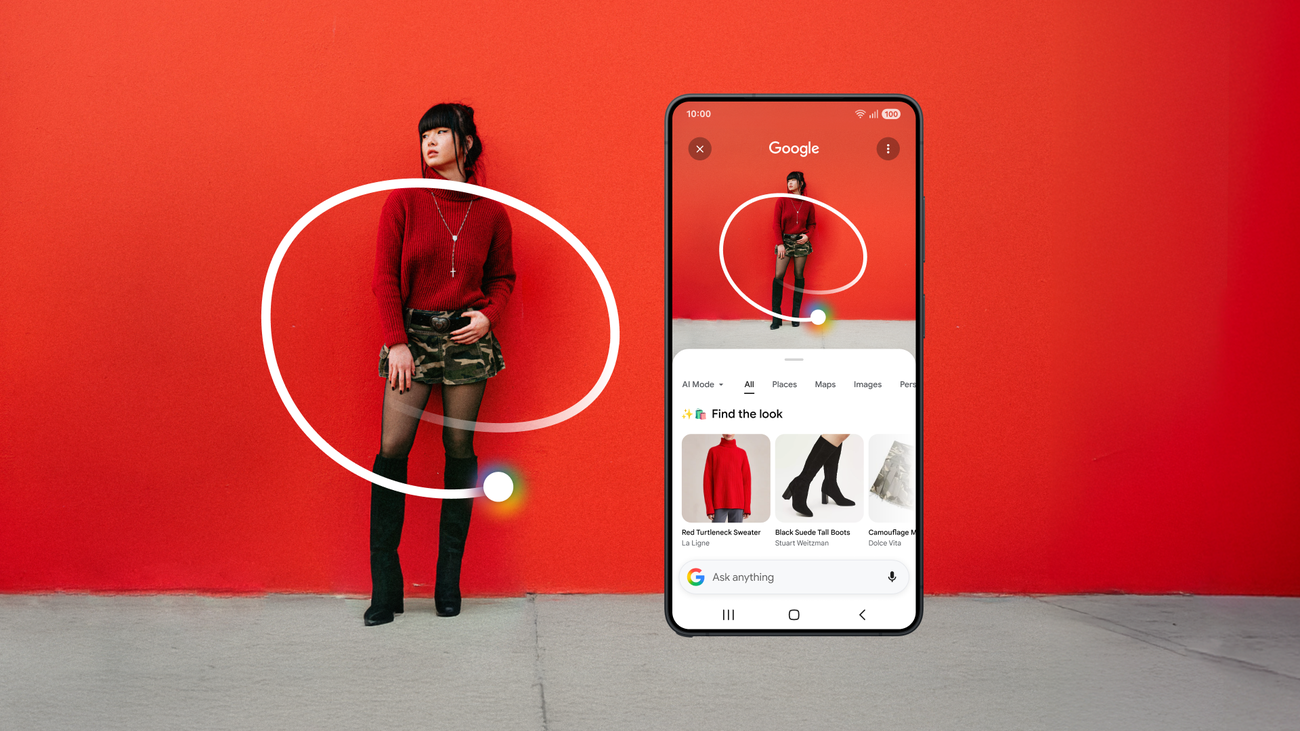
Since its debut, Circle to Search has become one of the most widely adopted AI tools in the Android ecosystem, currently active on more than 580 million devices. On the Galaxy S26, Google is expanding this tool’s utility from simple object identification to holistic "aesthetic recognition."
The updated Circle to Search now features multi-object image recognition. Previously, a user might circle a single lamp in a photo to find its manufacturer. Now, the system can analyze an entire room or an entire outfit simultaneously. For example, if a user sees a fashion influencer wearing a specific "look," they can circle the entire person. The AI will then identify and provide shopping links for the trenchcoat, the sweater, the boots, and the accessories in a single consolidated result.
Furthermore, Google is integrating its virtual try-on technology directly into the Circle to Search workflow. By uploading a personal photo, users can see how a specific article of clothing might fit their body type before clicking through to a retailer. This integration of generative AI and computer vision is expected to have a profound impact on mobile commerce, streamlining the path from discovery to purchase.
Proactive Security: On-Device Scam Detection
As telephonic scams become increasingly sophisticated, particularly with the rise of AI-generated voice cloning and social engineering, Google and Samsung have introduced a proactive Scam Detection feature. This tool utilizes the on-device Gemini Nano model to monitor incoming calls for patterns associated with fraudulent activity.
The system is designed with a "privacy-first" architecture. Because the analysis happens entirely on the device’s hardware, no audio data or transcripts are sent to Google or Samsung servers. If the AI detects a high probability of a scam—such as a caller requesting urgent bank transfers or asking for sensitive personal identifiers—it triggers an instant audio and haptic alert to warn the user.
To prevent false positives and maintain user convenience, the feature is automatically disabled for calls from known contacts. This addition to the Samsung Phone app is part of a broader industry push to use AI as a defensive shield against the very technologies that have made digital fraud more prevalent. By embedding this protection at the system level, the Galaxy S26 provides a layer of security that traditional third-party "spam blocker" apps cannot match.

Technical Infrastructure: The Gemini 3 Series
The capabilities showcased on the Galaxy S26 are powered by the Gemini 3 series of models. This hardware-software synergy is essential for the performance levels required for real-time task execution and on-device security. The S26’s chipset is optimized to handle the high computational demands of these models, ensuring that AI features do not significantly drain the battery or cause system latency.
The Gemini 3 models represent a leap in multimodal understanding—the ability to process text, images, and audio simultaneously. This is what allows the device to "see" what is on the screen during a Circle to Search query or "hear" the context of a conversation during a scam detection event. The transition to on-device processing is a critical trend in the 2026 tech landscape, as it addresses both the latency issues of cloud-based AI and the growing consumer demand for data privacy.
Market Implications and Future Outlook
The launch of these features on the Galaxy S26 is seen by market analysts as a strategic move to solidify Android’s lead in the AI smartphone race. As competitors like Apple and various Chinese manufacturers roll out their own intelligence suites, the depth of the Google-Samsung integration provides a significant competitive advantage.
The initial rollout in the US and Korea serves as a testing ground for these "agentic" features. The companies have indicated that while the beta for multi-step tasks is currently limited to select apps, the library of compatible services will expand throughout 2026. This suggests a future where the smartphone acts less like a portal to various apps and more like a unified command center.
Furthermore, the emphasis on security and privacy is likely to resonate with enterprise users and older demographics, who are frequently the targets of sophisticated digital scams. By framing AI as a tool for protection rather than just a novelty for photo editing, Google and Samsung are positioning the Galaxy S26 as an essential tool for the modern, security-conscious consumer.
In conclusion, the Galaxy S26 series represents more than just a hardware refresh; it is a manifestation of a new philosophy in mobile computing. By moving toward a model where the device proactively handles tasks, understands visual context with high precision, and defends the user against fraud, Google and Samsung are defining the "AI-first" era of mobile technology. As these features evolve from beta to standard components of the Android experience, the way users interact with their devices is poised for its most significant shift since the introduction of the multi-touch screen.
