

In an era where parents grapple with increasingly packed schedules, finding dedicated time for children’s developmental activities, particularly speech and language practice, presents a significant challenge. However, a growing consensus among speech-language pathologists (SLPs) and child development experts highlights an often-overlooked opportunity: the daily car commute. Far from being merely transit time, these journeys can be intentionally transformed into engaging and effective environments for fostering crucial communication skills, offering a practical solution for families navigating the demands of modern life.
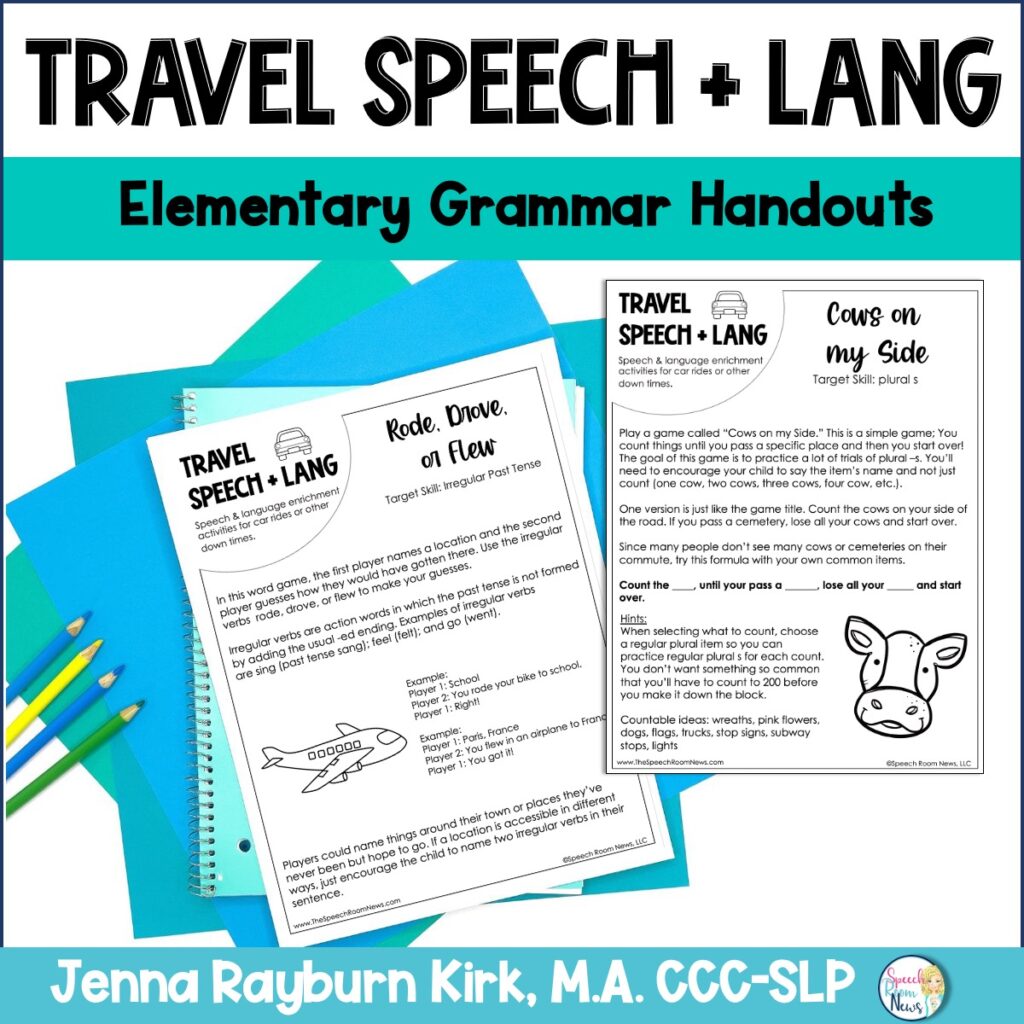
The concept revolves around integrating structured, yet playful, speech and language exercises into routine car rides. This approach not only maximizes valuable time but also capitalizes on the unique characteristics of the vehicular environment to create a focused and natural learning experience for children, especially those with diagnosed speech or language delays.
The Growing Need for Accessible Speech and Language Support
Speech and language delays are among the most common developmental challenges in children. According to the Centers for Disease Control and Prevention (CDC), approximately 1 in 12 children aged 3-17 years in the United States has a disorder of speech, voice, language, or swallowing. The American Speech-Language-Hearing Association (ASHA) further notes that language disorders affect between 6-8% of all children, making early identification and intervention critical for academic success, social development, and overall well-being.
However, access to consistent therapy can be a significant hurdle. Factors such as the high cost of private sessions, geographical limitations, long waiting lists for public services, and parents’ own time constraints often mean that children do not receive the optimal frequency of practice needed to generalize skills learned in formal therapy settings. This gap between clinic-based intervention and everyday application underscores the importance of empowering parents with practical strategies for home-based carryover. The car, with its captive audience and relative lack of external distractions, emerges as an ideal, untapped resource for this purpose.
The Car: An Unconventional Yet Effective Therapeutic Space
What makes the car such an effective setting for speech and language development? Experts point to several key factors:
- Reduced Distractions: Unlike a bustling home environment filled with toys, screens, and competing sounds, the car offers a relatively controlled and distraction-free space. This minimizes sensory overload, allowing children to focus more intently on auditory input and conversational cues. For children with attention deficits or sensory processing challenges, this focused environment can significantly enhance engagement and learning retention.
- Natural Conversational Rhythm: Car rides inherently foster a natural back-and-forth dialogue. Parents and children are often seated facing forward, encouraging auditory processing and verbal responses rather than relying heavily on visual cues. This natural rhythm supports the development of crucial pragmatic skills such such as turn-taking, initiating conversation, maintaining topics, and repairing communication breakdowns.
- Vocabulary Expansion in Context: The moving scenery outside the car window provides a rich, dynamic context for vocabulary acquisition. Road signs, passing vehicles, buildings, natural landscapes, and even weather phenomena offer endless opportunities to label, describe, categorize, and discuss new words. This incidental learning, where vocabulary is learned within a meaningful context, is highly effective for long-term retention.
- Combating Boredom with Purpose: For many children, long or even short car rides can lead to boredom, restlessness, and reliance on screens. Integrating interactive speech and language games transforms this potentially dull time into an engaging and stimulating activity, replacing passive entertainment with active learning. This positive association can make therapy feel less like "work" and more like "play," increasing a child’s intrinsic motivation to participate.
- Consistency and Routine: Commutes are often daily routines, providing built-in consistency for practice. Short, regular bursts of activity are often more effective for skill acquisition than infrequent, lengthy sessions.
Dr. Eleanor Vance, a leading pediatric Speech-Language Pathologist specializing in naturalistic language intervention, emphasizes this point: "The car is an unsung hero in pediatric therapy. It’s a ‘ready-made’ therapy room where parents can easily integrate vital practice without adding another item to their already overflowing to-do list. The key is intentionality – turning passive travel into active learning. We’ve seen significant improvements in children whose parents consistently use these moments for communication practice."
Innovative Games for On-the-Go Learning
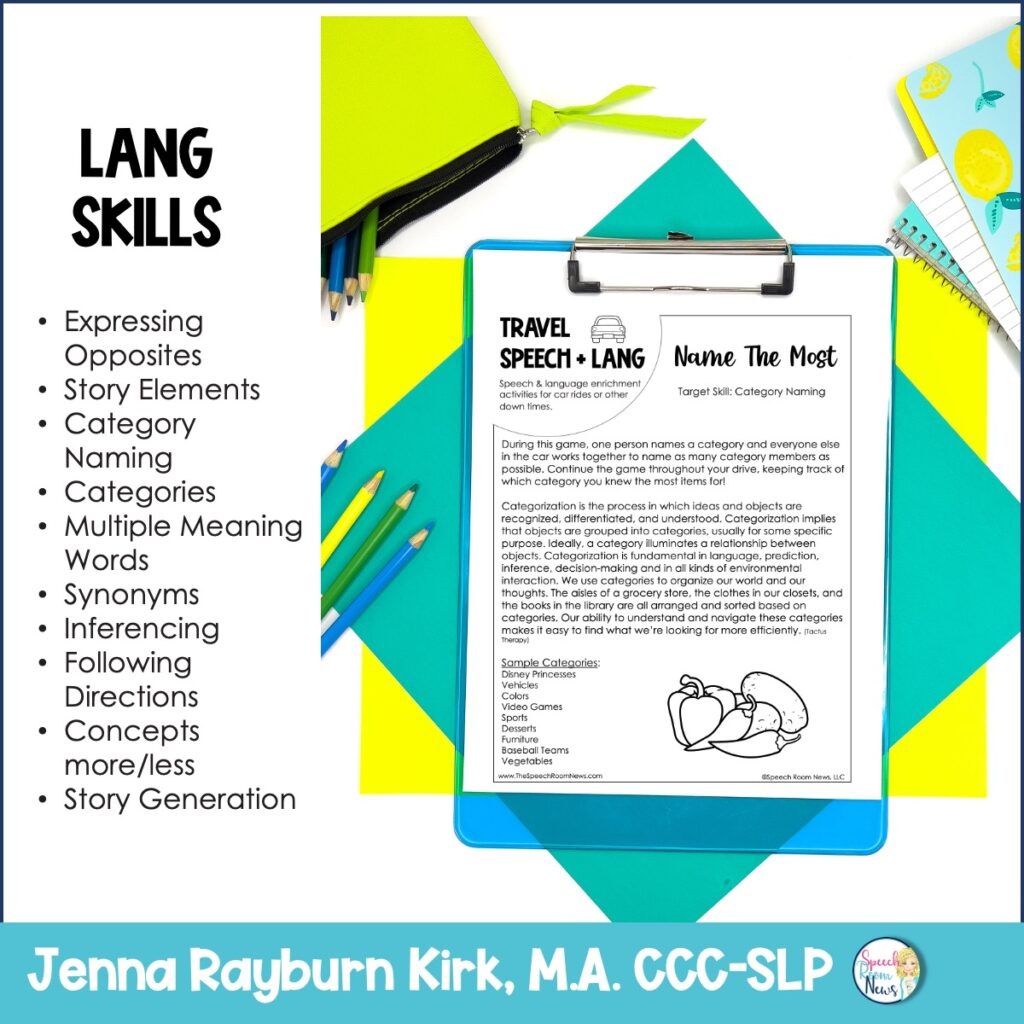
Harnessing the car’s potential requires simple, adaptable activities. Here are three examples that target a range of speech and language goals, designed for easy implementation by parents:
1. Mastering Question Formation with "The Grocery Game"
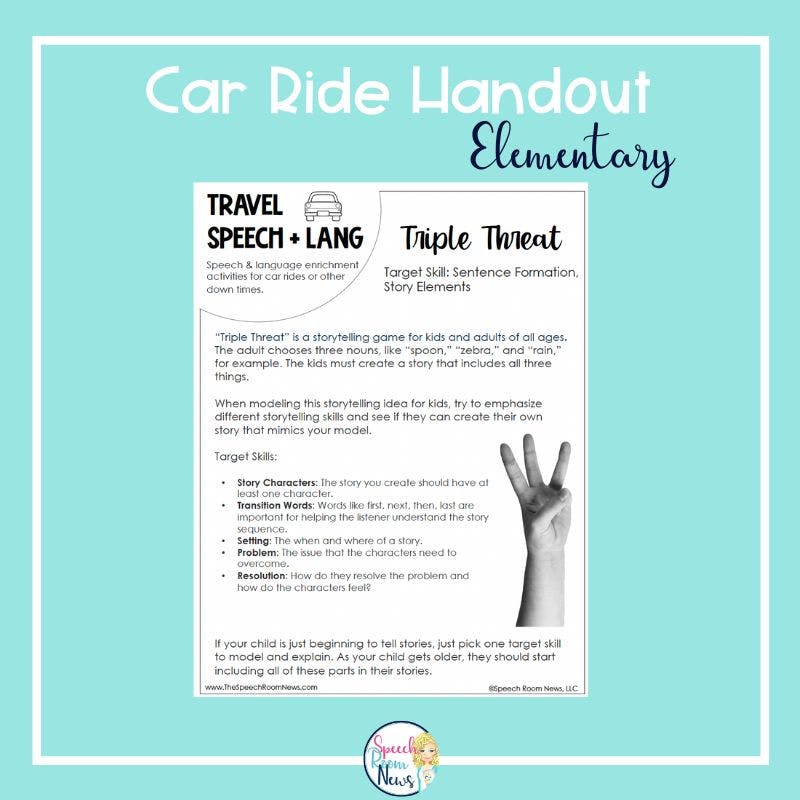
- Objective: To improve the ability to formulate grammatically correct questions, understand object functions, categories, and associations.
- How to Play: One player secretly thinks of an item they could buy at a grocery store. Other players take turns asking yes/no questions to guess the item.
- Targeted Skills and Enrichment:
- Question Formation: This game directly targets the complex grammatical structures involved in asking questions. Many children with language delays struggle with subject-verb inversion (e.g., "Is it…?" instead of "It is…?"), auxiliary verb usage ("Do you…?", "Can it…?"), and appropriate question word selection ("What," "Where," "Why"). The repetitive nature of the game provides a low-pressure environment for practicing these structures.
- Vocabulary and Semantic Skills: Players must consider various semantic features of objects. For example:
- Functions: "Does it melt?" "Do you cook it?"
- Actions: "Do you bite it?" "Can you pour it?"
- Categories: "Is it a fruit?" "Is it found in the dairy aisle?"
- Associations: "Does it go with bread?" "Is it something you eat for breakfast?"
- Deductive Reasoning and Problem-Solving: Children learn to ask strategic questions that eliminate broad categories (e.g., "Is it a vegetable?") before moving to more specific attributes, fostering critical thinking.
- Parental Role: Model clear, grammatically correct questions. If a child struggles, offer sentence starters or rephrase their attempts into correct questions. "You said ‘It is fruit?’ How about ‘Is it a fruit?’"
2. Articulation Practice with "Red Light Race"
- Objective: To improve the production of specific speech sounds (articulation) through repetitive practice and auditory bombardment.
- How to Play: Choose a target speech sound (e.g., /s/, /r/, /sh/). When stopped at a red light, players take turns naming as many items as possible that contain that sound within a chosen category. One person names, the other counts.
- Targeted Skills and Enrichment:
- Articulation and Phonology: This game provides high-frequency practice for sounds that a child may be struggling to produce correctly. It can be adapted for sounds in different positions (initial, medial, final) within words. For example, if the target is /s/:
- Initial: "Sun," "Soup," "Sock"
- Medial: "Bicycle," "Dinosaur," "Messy"
- Final: "Bus," "House," "Grass"
- Auditory Bombardment: The adult modeling the target sound repeatedly helps the child develop better auditory discrimination and awareness of the sound, a crucial precursor to correct production. The child hears the sound in various contexts, strengthening their internal representation of it.
- Vocabulary Expansion: Naming items within categories naturally expands vocabulary. Categories can be broad ("Animals," "Food," "Things you wear") or specific ("Things in a kitchen," "Vehicles").
- Fluency: For children working on fluency, practicing articulation in a game-like, low-pressure setting can reduce anxiety associated with speech production.
- Articulation and Phonology: This game provides high-frequency practice for sounds that a child may be struggling to produce correctly. It can be adapted for sounds in different positions (initial, medial, final) within words. For example, if the target is /s/:
- Parental Role: The adult’s role in modeling is paramount. Clearly enunciate the target sound. Provide encouragement and positive reinforcement. "Wow, you said ‘snake’ and ‘star’ with your /s/ sound! Great job!"
3. Enhancing Narrative Skills via "Triple Threat"
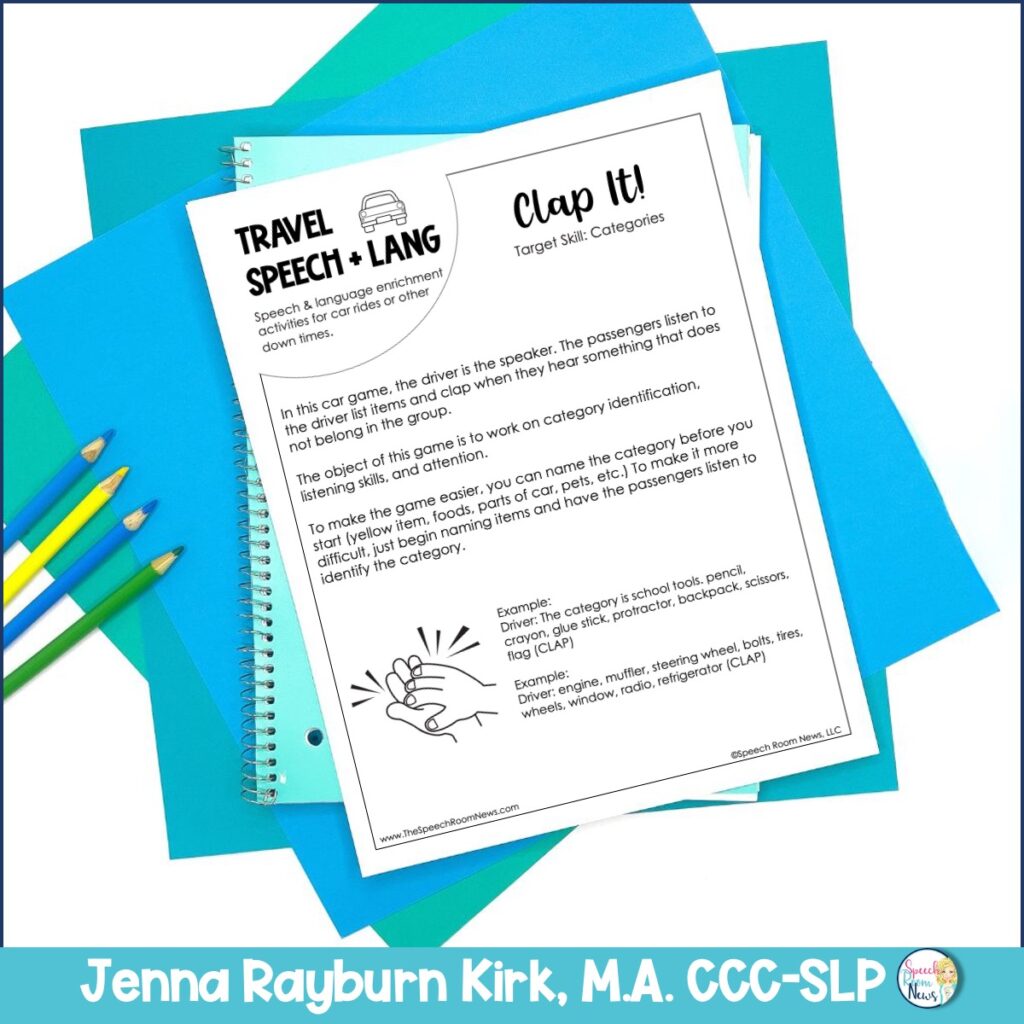
- Objective: To develop sentence formation, narrative structure, creativity, and story retelling abilities.
- How to Play: The adult provides three unrelated nouns (e.g., "dog," "milk," "bike"). The child then creates a short story that incorporates all three items. The sillier the story, the better!
- Targeted Skills and Enrichment:
- Sentence Formulation and Complexity: Children practice constructing grammatically complete sentences and can be encouraged to use more complex sentence structures (e.g., sentences with conjunctions like "and," "but," "because," or descriptive adjectives and adverbs).
- Narrative Skills: This activity fosters the fundamental components of storytelling:
- Sequencing: Ordering events logically.
- Coherence: Ensuring the story makes sense.
- Character/Setting Development: Even simple stories require a basic understanding of who, what, where, and when.
- Problem/Solution: Often, stories involve a simple conflict and resolution.
- Creativity and Imagination: The unexpected combination of nouns sparks imaginative thinking, encouraging children to think outside the box and connect disparate concepts. This is vital for cognitive flexibility.
- Memory and Auditory Processing: Remembering the three nouns and integrating them into a coherent narrative strengthens working memory and auditory processing skills.
- Parental Role: Encourage elaboration. "What happened next?" "How did the dog feel?" "Why was the milk on the bike?" Help structure the story if the child struggles, perhaps by suggesting a beginning, middle, and end.
Empowering Parents and Professionals: The Broader Impact
These car-based strategies offer significant benefits beyond individual skill development. They represent a paradigm shift in how speech and language therapy can be integrated into daily life, moving beyond the clinical setting into natural environments.
- Accessibility and Equity: These activities require no special equipment, making them universally accessible regardless of socioeconomic status or geographical location. They democratize access to valuable therapeutic practice.
- Cost-Effectiveness: By providing effective home practice, these methods can potentially reduce the overall need for intensive, costly formal therapy sessions, making intervention more sustainable for families.
- Enhanced Family Bonding: Engaging in playful learning activities together strengthens parent-child relationships. These shared moments of laughter and communication build positive associations with learning and reinforce the parent’s role as a primary communication partner.
- Empowering Parents: Parents often feel overwhelmed or unsure how to support their child’s speech and language development outside of therapy. Providing concrete, easy-to-implement strategies like these empowers them to become active and confident participants in their child’s progress.
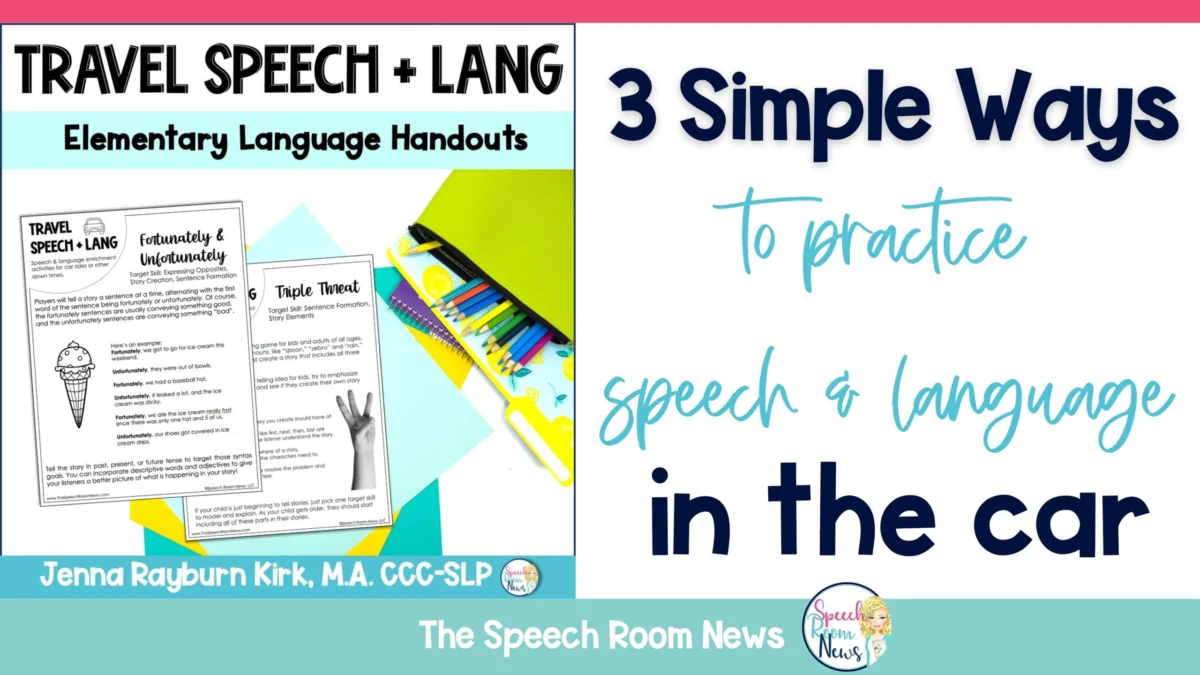
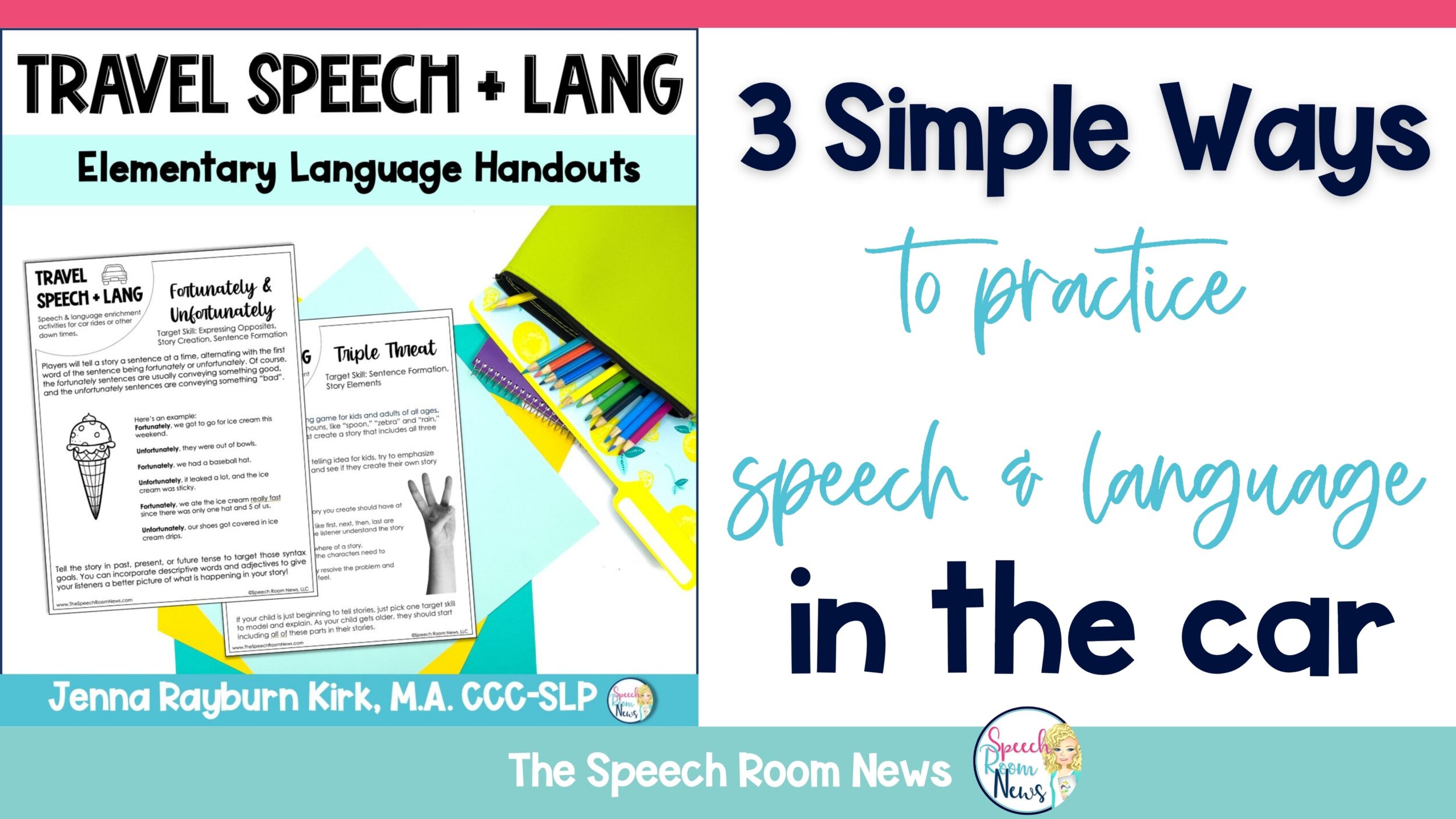
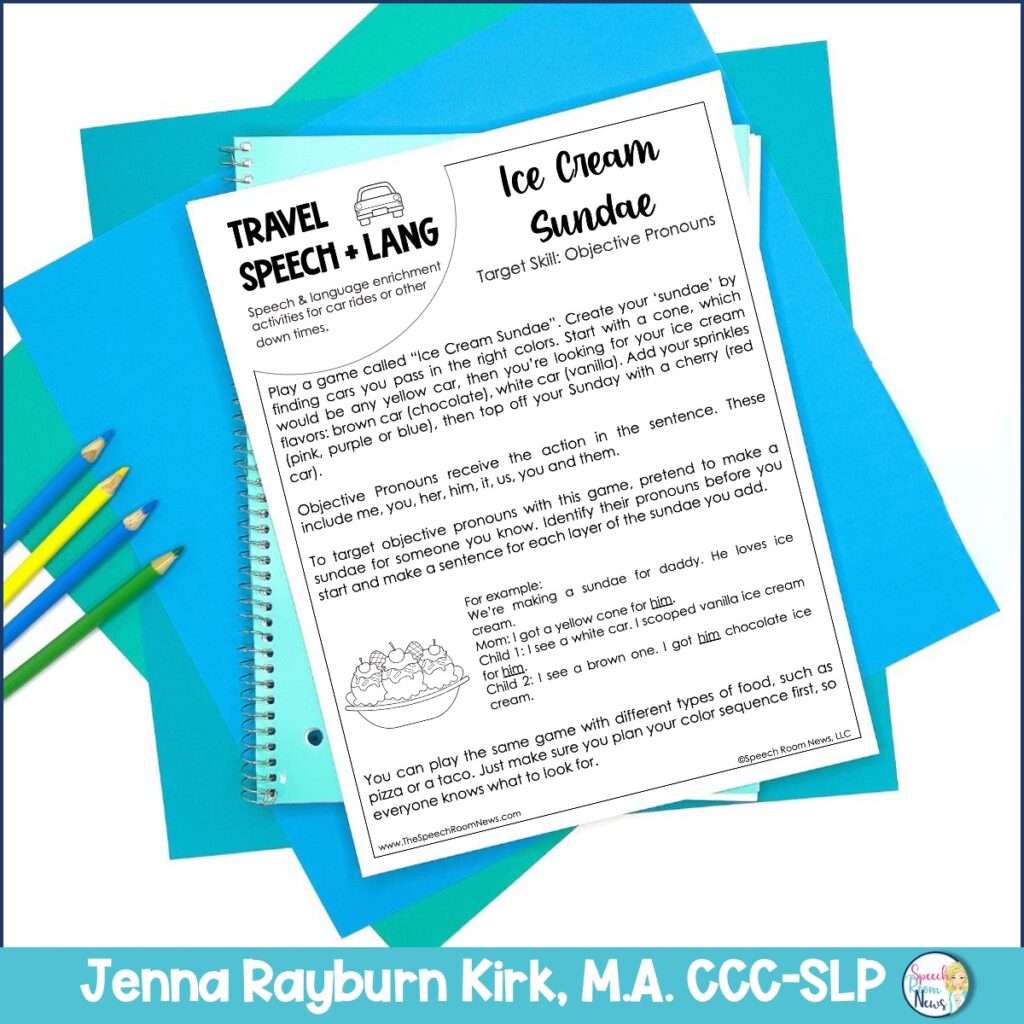
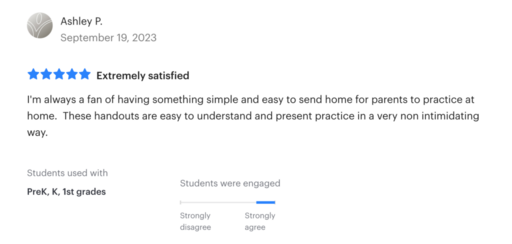
Speech-language pathologists play a crucial role in disseminating these practical strategies. Many SLPs are now actively developing and sharing resources, such as the "Travel Speech and Language Bundle" mentioned in the original context, which includes parent handouts with detailed explanations and examples for various car games. These resources are invaluable for SLPs to share with families on their caseloads, ensuring that home practice is not only effective but also enjoyable and manageable within a busy family routine. Posting such handouts on bulletin boards or sending them home equips parents with actionable steps, fostering a collaborative approach to therapy.
Conclusion: The Power of Intentional Moments

The daily car commute, often perceived as mundane or wasted time, holds immense potential for enriching a child’s speech and language development. By embracing simple, interactive games like "The Grocery Game," "Red Light Race," and "Triple Threat," parents can transform routine journeys into powerful learning opportunities. This approach not only addresses specific speech and language goals but also fosters stronger family bonds, reduces screen time, and empowers parents to become confident facilitators of their child’s communication growth. As experts continue to advocate for the integration of therapeutic strategies into everyday routines, the car ride stands out as a testament to the transformative power of intentional, consistent, and joyful learning.
