

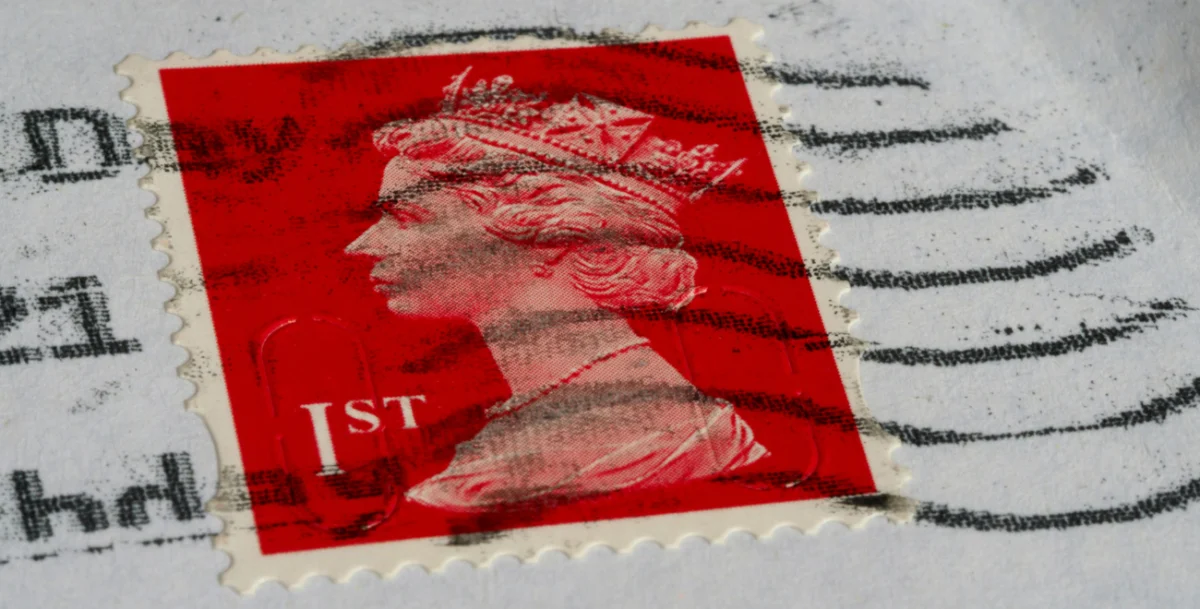
Between 1999 and 2015, the United Kingdom Post Office oversaw one of the most significant and widespread miscarriages of justice in British legal history. What began as a technological transition to modernize the nation’s postal network devolved into a decades-long nightmare for thousands of sub-postmasters—independent contractors who run local post office branches. At the heart of the crisis was Horizon, a faulty accounting software system developed by the Japanese tech giant Fujitsu. Despite mounting evidence of technical glitches, the Post Office pursued aggressive legal action against its own employees, resulting in over 700 criminal convictions, financial ruin, and irreparable personal tragedies.
The scandal, which has recently returned to the forefront of public consciousness through media dramatizations and ongoing public inquiries, offers a harrowing case study in institutional denial and the dangers of blind faith in automated systems. The story of the sub-postmasters is not merely a tale of IT failure, but a profound narrative regarding the breakdown of ethical leadership and the absence of transparency within a state-owned enterprise.
The Case of Seema Misra: A Human Face to a Systemic Failure
Among the most poignant examples of the scandal’s human toll is the case of Seema Misra. In 2005, Misra took over a sub-post office in West Byfleet, Surrey. An immigrant from India who had moved to the UK a decade earlier, Misra and her husband, Davinder, invested their life savings into the business, viewing it as a cornerstone of their future and their community.
Almost immediately after implementing the Horizon system, Misra noticed inexplicable discrepancies. The software frequently reported financial shortfalls, suggesting that money was missing from the accounts despite her meticulous bookkeeping. Misra reached out to the Post Office helpdesk and requested audits, believing the system was at fault. However, she was repeatedly told that the system was "robust" and that she was the only one experiencing such issues—a claim that would later be proven false.
To cover the phantom losses and avoid the threat of contract termination, Misra borrowed heavily from family and friends. By 2010, the Horizon system alleged a shortfall of over £70,000. In October of that year, Misra was brought to trial. Lacking physical evidence of theft, the prosecution relied entirely on Horizon’s digital logs. On October 21, 2010, she was found guilty of theft and false accounting.

The sentencing, handed down on November 11, was particularly brutal: Misra was sentenced to 15 months in prison while she was eight weeks pregnant with her second child. She served her sentence at Bronzefield prison and was forced to wear an electronic ankle monitor upon her release. The social consequences were devastating. Branded a "pregnant thief" by local media, her family faced harassment, her husband was physically assaulted, and their business was lost. It took over a decade for her conviction to be overturned, a delay that underscores the sluggishness of institutional correction.
Technical Origins and the Rollout of Horizon
The Horizon system was introduced in 1999 as a means to digitize the Post Office’s accounting, stock control, and transaction processing. Developed by ICL (later acquired by Fujitsu), the project was one of the largest non-military IT systems in Europe. From its inception, the rollout was plagued by technical difficulties. Internal reports, which were suppressed for years, revealed that the software contained critical bugs, including the "Callendar Square" and "Dalton" bugs, which could cause the system to freeze or incorrectly duplicate transactions.
Crucially, the Post Office possessed the unique power to conduct its own private prosecutions without the involvement of the Crown Prosecution Service (CPS) or the police. This allowed the organization to act as investigator, prosecutor, and victim simultaneously. Throughout the 2000s, the Post Office used Horizon data as "proof" of dishonesty, ignoring the pleas of sub-postmasters who insisted that the software was malfunctioning.
A Chronology of the Scandal
The path to justice was protracted and met with fierce institutional resistance. The following timeline outlines the key milestones in the exposure of the scandal:
- 1999: The Horizon system is rolled out across the UK Post Office network.
- 2000–2009: Hundreds of sub-postmasters report unexplained shortfalls. The Post Office begins a wave of private prosecutions, leading to bankruptcies and prison sentences.
- 2009: Computer Weekly publishes a groundbreaking investigation, breaking the silence on the technical flaws within Horizon.
- 2012: Under political pressure, the Post Office appoints Second Sight, an independent investigative firm, to review the system.
- 2013: Second Sight’s interim report finds that Horizon had "defects" and that the Post Office failed to investigate the causes of shortfalls before prosecuting.
- 2015: The Post Office terminates the Second Sight investigation and insists the system is sound.
- 2017: A group of 555 sub-postmasters, led by Alan Bates, files a Group Litigation Order (GLO) against the Post Office.
- 2019: In a landmark High Court ruling, Mr. Justice Fraser concludes that the Horizon system contained "bugs, errors, and defects" and that the Post Office had been "institutionalized" in its denial.
- 2021: The Court of Appeal quashes 39 convictions in a single day, describing the prosecutions as an "affront to the public conscience."
- 2024: Following a surge in public outrage sparked by the television drama Mr Bates vs The Post Office, the UK government introduces the Post Office (Horizon System) Offences Act to provide a blanket exoneration for those wrongly convicted.
Statistical Data and the Scope of the Miscarriage
The scale of the Horizon scandal is reflected in the staggering data emerging from the ongoing public inquiry.
- Prosecutions: Between 1999 and 2015, the Post Office prosecuted 700 sub-postmasters. An additional 283 cases were brought by other bodies, including the CPS.
- Imprisonment: Approximately 236 individuals were sent to prison based on faulty Horizon data.
- Fatalities: The scandal has been linked to at least 13 suicides. Many others died before their names could be cleared.
- Financial Loss: Thousands of sub-postmasters lost their homes, their life savings, and their pensions. As of 2024, the UK government has set aside over £1 billion for compensation, though many victims argue the payout process remains overly bureaucratic and slow.
Institutional Culture and Official Responses
The scandal highlights a catastrophic failure of corporate governance. For nearly two decades, Post Office executives, including former CEO Paula Vennells, maintained that the system was "robust." Internal documents later revealed that the organization was aware of the software’s ability to be accessed remotely by Fujitsu technicians—a fact that directly contradicted the evidence given in court that sub-postmasters had sole control over their accounts.

In her testimony to the ongoing public inquiry, Paula Vennells expressed "deep remorse" but faced intense scrutiny over whether she and other executives misled Parliament and the courts. In early 2024, following a petition signed by over a million people, Vennells returned her Commander of the Order of the British Empire (CBE) honor.
Fujitsu, the vendor responsible for the system, has also faced significant backlash. In 2024, Fujitsu executives apologized for their role in the "appalling miscarriage of justice" and acknowledged a "moral obligation" to contribute to the compensation funds. However, critics point out that the company continued to receive billions of pounds in UK government contracts even as the scandal unfolded.
Broader Impact and Policy Implications
The UK Post Office scandal serves as a cautionary tale for the modern digital age, particularly regarding AI accountability and the legal "presumption of reliability" for computer systems. In English law, there is a long-standing presumption that a computer is working correctly unless proven otherwise. This scandal has prompted legal experts to call for a reversal of this burden of proof, especially in criminal cases where digital evidence is central.
Furthermore, the event has sparked a debate on the ethics of private prosecutions. The ability of a commercial entity to act as a prosecutor without independent oversight created a conflict of interest that allowed the Post Office to prioritize brand reputation over the lives of its employees.
From a leadership perspective, the scandal illustrates the "sunk cost fallacy" and the dangers of an insular corporate culture. Rather than investigating the root cause of the discrepancies, the Post Office doubled down on its narrative, viewing its employees as the enemy. The lack of transparency and the suppression of internal dissent ensured that the error remained uncorrected for twenty years.
Conclusion
The resolution of the Post Office scandal remains an ongoing process. While legislative steps have been taken to quash convictions and provide financial redress, the psychological and social scars remain for the victims. The story of Seema Misra and her colleagues is a reminder that behind every data point is a human life. As organizations increasingly rely on complex algorithms and automated systems to manage operations, the Horizon scandal stands as a permanent warning: technology must never be exempt from human oversight, and institutional certainty must never supersede the pursuit of truth.
