

The therapeutic environment plays a critical role in the efficacy of speech-language pathology (SLP) interventions. Beyond the direct interaction between therapist and student, the physical space itself can be a powerful pedagogical tool, fostering engagement, reinforcing learning, and facilitating communication. Among the most versatile and underutilized components of this environment are bulletin boards, which, when thoughtfully designed, transcend mere decoration to become integral parts of the therapeutic process. This analysis explores three strategic frameworks for leveraging bulletin boards—demonstrative, interactive, and functional—specifically within a winter-themed context, to maximize therapeutic outcomes for students with diverse speech and language needs. These categories provide a structured approach for Speech-Language Pathologists to enhance student engagement, reinforce learned skills, and bridge therapy goals with home-based practice, ultimately contributing to more holistic and effective intervention.
The Foundational Role of Visual Aids in Speech-Language Pathology
The human brain processes visual information significantly faster than text. For individuals with speech and language impairments, visual aids can be indispensable tools, offering alternative pathways for comprehension and expression. In speech-language pathology, the integration of visual stimuli is a cornerstone of multi-sensory learning, a pedagogical approach recognized for its effectiveness across various learning styles and cognitive profiles. Visual supports can aid in segmenting auditory information, providing concrete representations of abstract concepts, and acting as memory cues.

Research in educational psychology consistently highlights the benefits of visual learning, particularly for younger learners or those with specific learning differences such as autism spectrum disorder, attention-deficit/hyperactivity disorder, or language processing disorders. Visual schedules, cues, and environmental print contribute to a structured and predictable learning environment, reducing anxiety and improving executive function skills. A dynamic therapy room, where visual elements are regularly updated and pertinent to current learning objectives, can significantly enhance student focus and motivation. Bulletin boards, therefore, are not static displays but active components of this dynamic learning ecosystem, capable of transforming the perception of the therapy room from a clinical setting to an engaging educational space. The strategic rotation of these visual aids, often aligning with seasonal themes, ensures sustained novelty and relevance, preventing visual fatigue and maintaining high levels of student interest throughout the academic year.
Demonstrative Bulletin Boards: Celebrating Achievement and Reinforcing Skills
Demonstrative bulletin boards serve as powerful platforms for showcasing student work, celebrating individual progress, and visually reinforcing the concepts and skills acquired during therapy sessions. This category emphasizes student-created content, which intrinsically fosters a sense of ownership, pride, and self-efficacy. By displaying their accomplishments, students are motivated to continue their efforts, while parents and peers gain insight into the therapeutic goals and the capabilities of the learners. The act of creating the visual artifact itself is often integrated with the speech and language practice, making the learning process multi-modal and memorable.
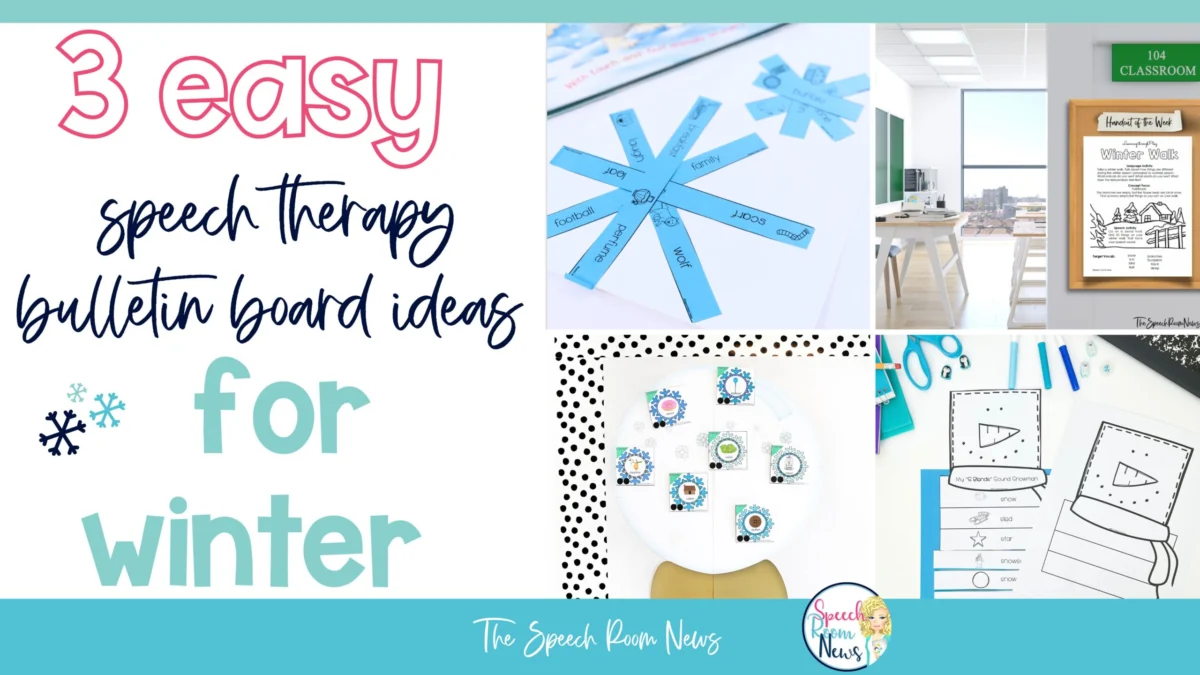
One highly effective and easily implementable demonstrative activity for the winter season is the Snowflake Paper Strip Craft. This approach, sometimes referred to as "fake crafting" due to its minimal prep and execution complexity, utilizes pre-designed paper strips that students manipulate to form a snowflake shape. The pedagogical value lies in its adaptability: each strip can be printed with target articulation words, vocabulary items, or phrases relevant to a student’s individual speech goals. As students practice their words or sentences, they engage in the fine motor skills of cutting, folding, and gluing, integrating tactile and kinesthetic learning with auditory and verbal practice. For students with motor planning difficulties, printing on cardstock can provide increased paper resistance, aiding in cutting precision and control. The aesthetic outcome – a unique snowflake – then becomes a tangible representation of their therapeutic effort, ready for display. This low-barrier-to-entry craft ensures that the focus remains primarily on speech production, while the crafting element adds an enjoyable, engaging dimension to the session. The visual diversity of the resulting snowflakes contributes to a vibrant and personalized bulletin board that proudly highlights each student’s contribution and progress.
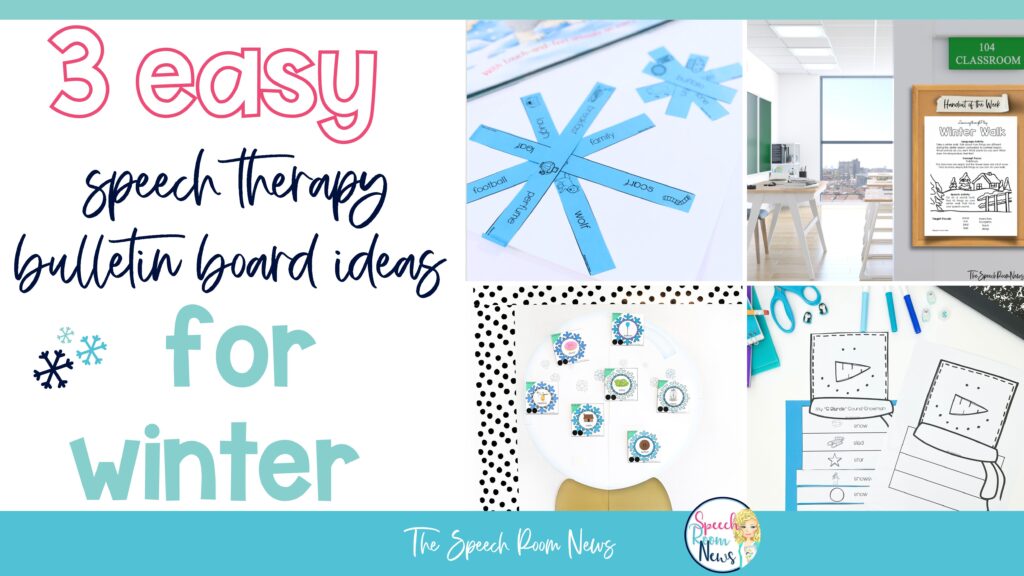
Another exemplary demonstrative craft is the Snowman Articulation Chop. This activity ingeniously combines articulation drill with a simple, appealing craft. Students are provided with two pages featuring target words, phrases, or sentences tailored to their specific articulation goals. After practicing the linguistic targets, they cut these pages into strips. The strips are then combined to construct a snowman figure. The "chopping" action itself can be verbally reinforced as a metaphor for segmenting words into sounds or syllables, a fundamental skill in phonological awareness. The simplicity of the craft ensures that the primary cognitive load remains on the speech task, preventing excessive distraction from complex artistic demands. Supplementary elements, such as coloring a carrot nose or adding a construction paper hat, can be incorporated to enhance engagement and provide a creative outlet, serving as a mild reinforcement for successful practice. Displaying these unique snowmen on the bulletin board not only celebrates individual achievement but also creates a visually coherent, winter-themed display that subtly reminds students of their practiced sounds and words, promoting carryover and generalization.
The broader impact of demonstrative bulletin boards extends beyond individual student motivation. They foster a positive, achievement-oriented therapeutic atmosphere, contributing to a sense of community within the speech room. For visitors, including other educators or administrators, these boards offer a transparent glimpse into the active learning taking place, highlighting the practical application of therapeutic strategies.
Interactive Bulletin Boards: Fostering Active Engagement and Dynamic Learning
Interactive bulletin boards transform passive observation into active participation, engaging students in a dynamic learning experience. These boards are designed to be directly manipulated by students, promoting problem-solving, independent practice, and kinesthetic learning. The tactile nature of interaction can significantly enhance memory retention and skill generalization, particularly for learners who benefit from hands-on approaches. Such boards are particularly valuable for students awaiting therapy sessions or during transition times, offering productive engagement opportunities that reinforce therapeutic goals outside of direct instruction.

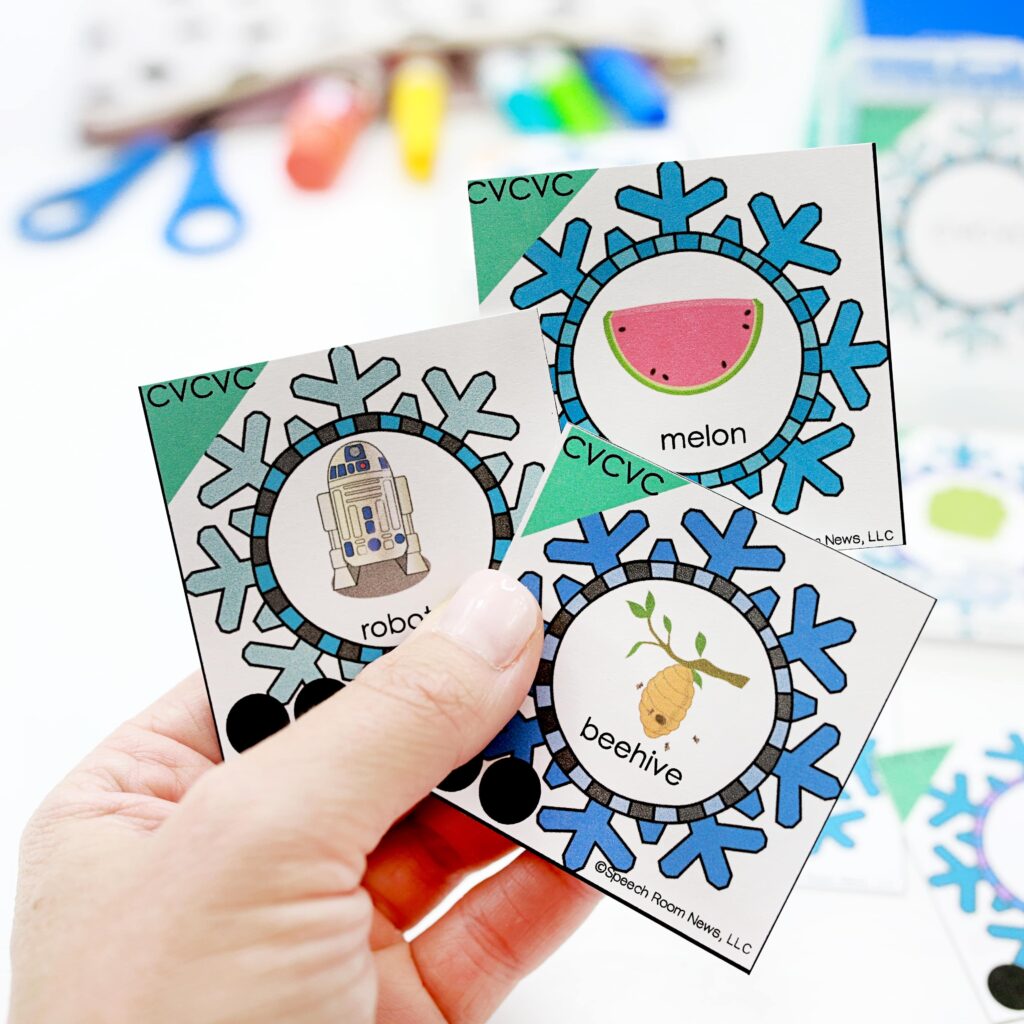
The Falling Flakes: Apraxia Snowflakes set exemplifies an interactive bulletin board specifically tailored for developmental apraxia of speech (DAS). DAS is a neurological speech disorder characterized by difficulty in planning and programming the precise movements needed for speech production. Intervention for DAS often involves multisensory cues, repetitive practice, and systematic progression. Each card in this set features a snowflake with an image and corresponding word. Critically, a black dot is included in the bottom left corner, representing the number of syllables in the word. This tactile cue encourages students to touch the dots as they produce the sound, thereby integrating visual, auditory, and kinesthetic input to support motor planning for speech. The cards are further organized by color and syllable pattern in the top left corner, aiding both the therapist in systematic instruction and the student in recognizing patterns. A large poster snow globe, affixed to the bulletin board with velcro dots, serves as the interactive base. Students attach and detach the snowflake cards, practicing their speech sounds in a playful, self-directed manner. This repeated interaction helps to strengthen motor plans, improve syllable segmentation, and enhance prosodic features of speech.
Similarly, the Falling Flakes: Phonology Activities set provides an interactive platform for addressing phonological disorders, which involve systematic patterns of sound errors. This set specifically targets phonological processes through the use of minimal pairs – pairs of words that differ by only one sound (e.g., "fan" and "pan"). Each snowflake card displays an image and word representing one half of a minimal pair. Organized by color and pattern, these cards facilitate targeted intervention. A poster-sized globe with 24 velcro dots is mounted on the bulletin board, allowing students to actively engage by adding or removing snowflake cards. This manipulation enables them to visually and tactilely compare minimal pairs, thereby enhancing their auditory discrimination and awareness of how sound changes alter meaning. The interactive nature encourages students to self-correct and experiment with sound production in a low-stakes, engaging environment. The availability of other winter-themed posters within the set allows for seasonal variety, maintaining student interest across the colder months.
The implications of interactive bulletin boards are profound. They promote greater independence in practicing speech goals, offer opportunities for self-monitoring, and provide a fun, engaging way to reinforce complex linguistic concepts. By allowing students to physically interact with the learning materials, these boards cater to diverse learning styles and help to generalize skills beyond the direct therapy session, making the learned information more robust and accessible in various contexts.
Functional Bulletin Boards: Bridging Therapy to Home and Community
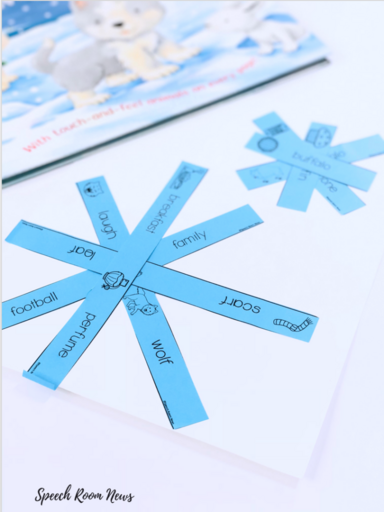
Functional bulletin boards are strategically designed to provide practical resources and information for parents, caregivers, and other educational stakeholders, thereby extending the impact of therapy beyond the school walls. This category focuses on empowering families with actionable strategies and insights to support speech and language development in natural, everyday environments. The rationale is rooted in the understanding that consistent reinforcement and generalization of skills in the home and community are critical for long-term therapeutic success. These boards act as accessible information hubs, fostering stronger therapist-parent collaboration and ensuring continuity of care.
A prime example of a highly effective functional bulletin board resource is the Winter Speech and Language Packet: Learning Through Play. This packet comprises a collection of handouts specifically crafted to guide parents in leveraging common winter activities to enhance their child’s communication skills. The "learning through play" philosophy is central to this approach, advocating for the integration of therapeutic goals into enjoyable, natural interactions, rather than formal, structured drills at home. The handouts provide concrete suggestions for how to target a wide range of speech and language objectives within the context of popular winter pastimes.
For instance, an activity like a "Snowball Fight" can be used to practice requesting (e.g., "More snowballs!"), describing (e.g., "Big, cold snowball"), or sequencing (e.g., "First, scoop, then roll, then throw"). Building a "Snowman" offers opportunities for vocabulary expansion (e.g., body parts, clothing, sizes), following directions (e.g., "Put the hat on the head"), and sentence formulation. "Sledding" can target action verbs, spatial concepts (e.g., "up," "down," "fast," "slow"), and cause-and-effect language. Other activities like "Snow Fort," "Snow Angels," "Hot Chocolate," "Winter Clothing," "Winter Walk," "Ice Skating," and "Making Cookies" are similarly broken down into practical communication-building opportunities. Each handout typically includes specific prompts, questions, and conversational strategies that parents can employ, making it easy for them to implement therapeutic techniques without feeling overwhelmed.
The availability of a SPANISH VERSION of this packet underscores the commitment to inclusivity and cultural responsiveness, ensuring that language barriers do not impede parental involvement. By displaying these handouts on a functional bulletin board, SLPs make valuable resources readily accessible to families, encouraging them to pick up materials and actively participate in their child’s therapeutic journey. This proactive approach to parent education and empowerment significantly enhances the generalization of skills, leading to more robust and sustained communication improvements. The implication is a stronger partnership between the SLP and the family, transforming the home environment into a continuous learning space that complements and reinforces school-based interventions.
Strategic Planning and Implementation for Speech-Language Pathologists
Effective utilization of bulletin boards in speech therapy requires thoughtful planning and a systematic approach. SLPs, often managing demanding caseloads, benefit immensely from strategies that minimize preparation time while maximizing therapeutic impact. The rotation of bulletin board themes, aligned with seasonal changes, offers a practical framework for maintaining novelty and engagement throughout the academic year. For instance, at the beginning of the school year, an SLP might prioritize an interactive or functional board to orient new students and families to the therapy room and its purpose, making them feel welcome and informed.
The three categories—demonstrative, interactive, and functional—are not mutually exclusive but can be strategically combined or rotated to address varying needs and stages of therapy. An SLP might dedicate a section of their bulletin board to student-created demonstrative crafts while another section features interactive elements for practice, and a third offers functional handouts for parents. This modular approach allows for flexibility and adaptability.
Beyond the initial setup, SLPs can gauge the effectiveness of their bulletin boards through informal observation. Are students naturally gravitating towards the interactive elements? Are parents frequently taking handouts from the functional board? Do students show pride in their displayed work? Such qualitative feedback provides valuable insights into the engagement levels and utility of the displays, informing future design choices. The "easy prep" nature of many of these ideas, as highlighted in the original source, is paramount for busy professionals, ensuring that valuable therapeutic time is spent on direct intervention rather than extensive craft preparation.
In conclusion, bulletin boards in speech-language pathology are far more than decorative elements; they are dynamic, multifaceted pedagogical tools. By adopting a strategic framework that encompasses demonstrative, interactive, and functional designs, SLPs can significantly enhance student engagement, reinforce learned skills, and foster crucial home-school collaboration. Particularly during the winter months, themed boards offer a fresh, engaging context for therapeutic activities. These thoughtfully constructed visual aids contribute profoundly to a holistic and effective therapeutic environment, ultimately fostering greater communication success and empowering individuals on their speech and language journeys.
