

In the annals of corporate history, few reversals of fortune are as dramatic or as frequently cited as the transformation of Domino’s Pizza between 2009 and 2021. At the close of the first decade of the 2000s, the Michigan-based multinational was teetering on the edge of irrelevance, burdened by a reputation for subpar quality, a plummeting stock price, and a public relations crisis that threatened to dismantle its domestic operations. However, through a combination of radical transparency, a total overhaul of its core product, and a visionary embrace of digital technology, the company executed a pivot that saw its share price rise from under $10 to nearly $500 in little over a decade. This strategic evolution, often referred to as the "Pizza Turnaround," remains a definitive case study in how a legacy brand can leverage vulnerability to regain consumer trust and market dominance.
The Convergence of a Brand Crisis
The year 2009 represented a nadir for Domino’s. While the company had built its empire on the promise of 30-minute delivery and logistical efficiency, it had fundamentally neglected the quality of the product being delivered. Internal and external data at the time painted a grim picture. In the 2009 Brand Keys Customer Loyalty Engagement Index, Domino’s was ranked last in taste among national pizza chains, tied with Chuck E. Cheese. Consumer feedback gathered during focus groups was notoriously harsh; participants compared the crust to "cardboard," the sauce to "ketchup," and the overall experience to "microwave pizza."
Compounding these product failures was a catastrophic social media crisis. In April 2009, two employees at a Domino’s franchise in Conover, North Carolina, uploaded a video to YouTube depicting them performing unhygienic and stomach-churning acts with pizza ingredients. The video went viral, amassing over a million views in a matter of days before it was removed. This incident highlighted the brand’s lack of control over its digital narrative and severely damaged its reputation for food safety and operational integrity. By the end of 2008, the company’s stock had hit a low of approximately $2.83 per share, reflecting a market that had largely lost faith in the brand’s viability.
The Leadership of Patrick Doyle and the "Sorry We Suck" Campaign
In early 2010, Patrick Doyle, who had served as President of Domino’s USA since 2007, was appointed CEO. Recognizing that incremental improvements would be insufficient to save the brand, Doyle and his executive team, including Chief Marketing Officer Russell Weiner, opted for a high-risk strategy of radical honesty. Instead of launching a traditional marketing campaign that attempted to mask the company’s flaws, they decided to broadcast them.
Working with the advertising agency Crispin Porter + Bogusky, Domino’s launched the "Pizza Turnaround" campaign. The advertisements were unprecedented in their self-deprecation. They featured real customer complaints and footage of the aforementioned focus groups where people disparaged the pizza. In one of the most famous television spots, Doyle himself appeared on screen, acknowledging the criticisms directly and promising that the company would do better.

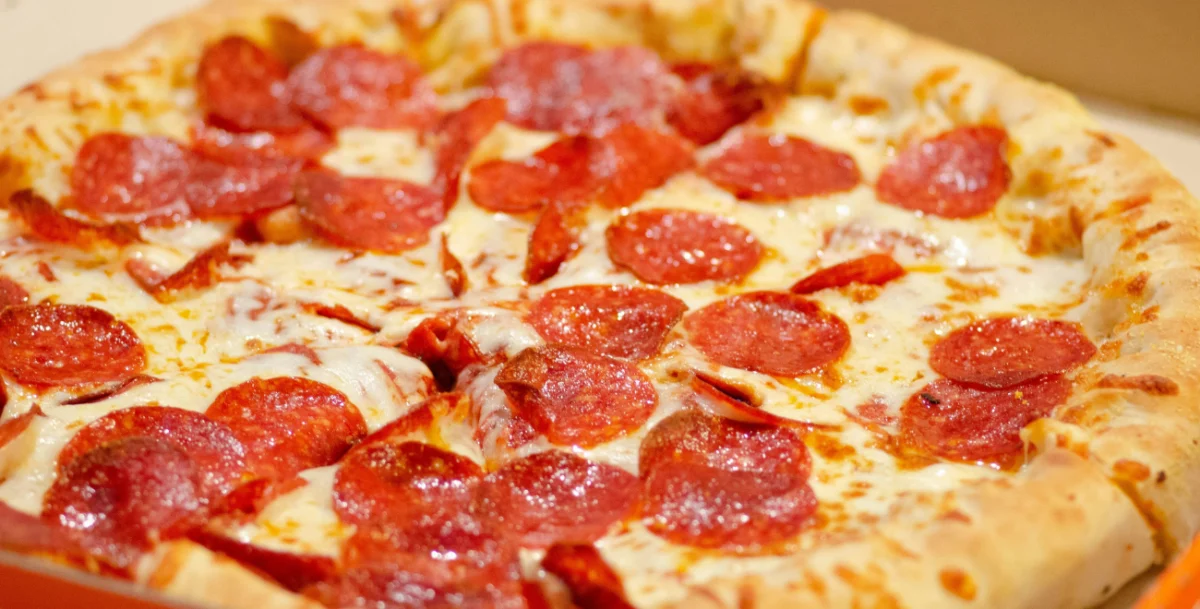
This campaign was not merely a marketing gimmick but was tethered to a significant operational change. Behind the scenes, the company had spent 18 months and tested over 500 different combinations of flour and herbs to completely reinvent its core recipe. The "New and Inspired" pizza featured a garlic-seasoned crust, a spicier sauce with a hint of red pepper, and a shredded cheese blend consisting of mozzarella and provolone. By admitting that their previous product was inferior, Domino’s created a narrative of redemption that invited consumers to try the new recipe with a sense of curiosity rather than skepticism.
Chronology of the Transformation
The timeline of the Domino’s recovery serves as a roadmap for corporate restructuring:
- April 2009: The YouTube PR crisis occurs, forcing the company to issue a formal video apology and rethink its social media strategy.
- December 2009: Domino’s launches its "Pizza Turnaround" documentary-style advertisements, admitting the product’s quality issues.
- January 2010: The "New and Inspired" pizza is officially launched nationwide. The company offers a "taste guarantee," promising to replace the pizza or refund the money if customers are not satisfied.
- March 2010: Patrick Doyle officially assumes the CEO role.
- Q1 2010: Domino’s reports a 14.3% increase in same-store sales, one of the largest quarterly jumps in fast-food history.
- 2011–2015: The company shifts focus toward "AnyWare" technology, allowing customers to order via Twitter, smartwatches, and voice assistants.
- 2018: Domino’s officially overtakes Pizza Hut to become the largest pizza chain in the world by global retail sales.
- 2021: The share price reaches an all-time high of approximately $548, completing a more than 100-fold increase from its 2008 lows.
Financial Performance and Market Impact
The financial results of the turnaround were nothing short of extraordinary. Analysts often compare the performance of Domino’s stock during this period to that of major technology firms like Apple or Amazon. In early 2010, the stock was trading at roughly $8 to $10 per share. By the time Patrick Doyle stepped down in 2018, the stock had reached $270. Under his successor, Richard Allison, the momentum continued, fueled by the delivery-heavy environment of the COVID-19 pandemic.
The company’s revenue growth was driven by consistent increases in same-store sales, which saw positive growth for 41 consecutive quarters in the U.S. market. This was supported by a massive expansion of the brand’s global footprint. By 2021, Domino’s operated more than 18,000 stores in over 90 markets. The efficiency of their model allowed them to maintain high margins despite the increased costs of premium ingredients.
Strategic Pivot: A Tech Company That Sells Pizza
While the recipe change was the catalyst, the long-term sustainability of the turnaround was rooted in technology. Patrick Doyle famously declared that Domino’s was "a tech company that happened to sell pizza." This mindset led to the development of the "Domino’s Tracker," which provided real-time transparency into the preparation and delivery process, and the "AnyWare" suite of ordering tools.
By 2020, more than 70% of Domino’s sales were generated through digital channels. The company invested heavily in data analytics to understand customer behavior and optimize delivery routes. This focus on the "frictionless" customer experience allowed Domino’s to fend off competition from third-party delivery apps like DoorDash and Uber Eats, which have historically struggled with the high costs of delivery—a problem Domino’s had solved decades earlier through its proprietary delivery network.

Official Responses and Leadership Insights
Patrick Doyle’s leadership style during this period was characterized by what he termed "the courage to be vulnerable." In various industry addresses, Doyle noted that the greatest risk for a failing company is the refusal to acknowledge the reality of its situation. "You can either hide from the criticism or you can use it to drive change," Doyle stated in a retrospective interview with the Harvard Business Review.
Industry observers and marketing experts initially viewed the "Sorry We Suck" campaign as a potential suicide mission. Advertising critics noted that telling consumers your product is bad usually results in them believing you and never returning. However, market analysts later praised the move as a masterstroke of "authentic branding." By the mid-2010s, the Domino’s story was being taught in business schools worldwide as the gold standard for brand revitalization.
Broader Implications and Legacy
The legacy of the Domino’s turnaround extends beyond the pizza industry. It demonstrated that in an era of social media and instant feedback, corporate transparency is not just an ethical choice but a strategic necessity. The company’s success proved that consumers are willing to forgive a brand’s past failures if the brand demonstrates a genuine commitment to improvement and backs its claims with tangible action.
Furthermore, the Domino’s case shifted the focus of the Quick Service Restaurant (QSR) industry toward digital integration. Competitors like Pizza Hut and Papa John’s were forced to scramble to upgrade their digital infrastructure to match the ease of use provided by the Domino’s app.
In conclusion, the transformation of Domino’s from a struggling, mocked entity into a global powerhouse was the result of a perfectly executed three-pronged strategy: admitting failure, fixing the product, and owning the technology. By the time the company celebrated its record-breaking stock prices in 2021, it had moved far beyond the "cardboard" criticisms of 2009, cementing its place as one of the most successful corporate turnarounds in modern history. The lesson for the broader business world remains clear: authenticity and the willingness to start from scratch are often the only ways to survive a terminal brand crisis.
