

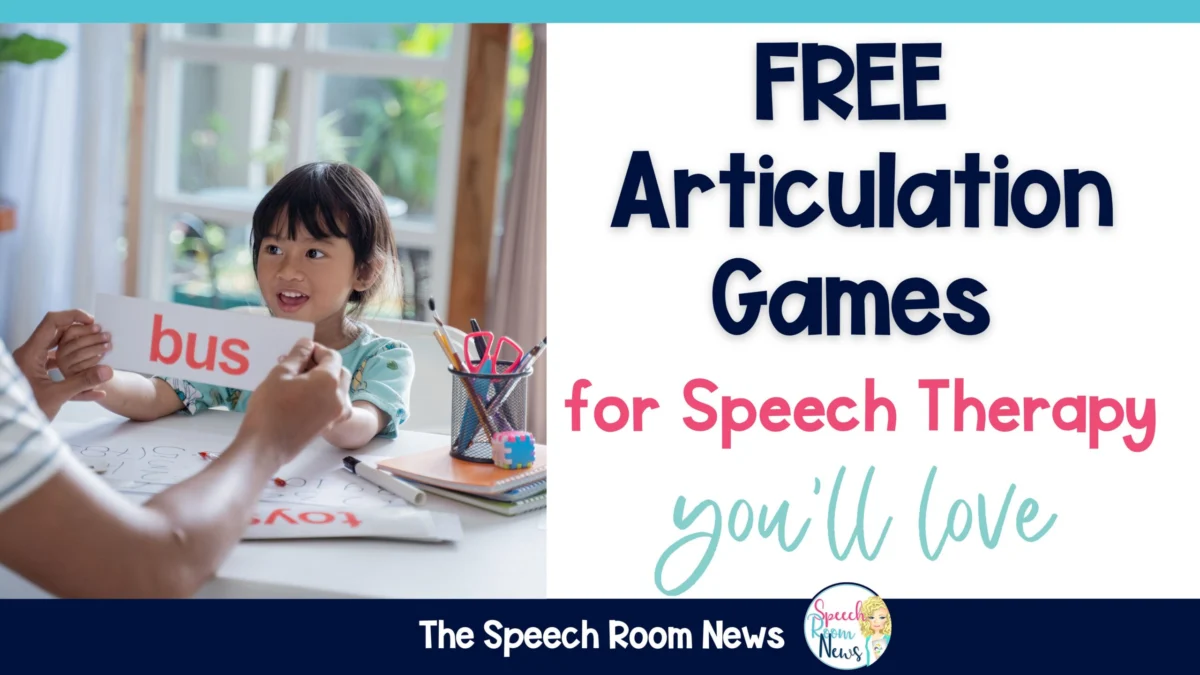
Incorporating play into speech therapy sessions has emerged as a highly effective strategy, significantly boosting student engagement and making the learning process more memorable. This approach not only enhances therapeutic outcomes but also provides countless opportunities to generalize crucial language skills into everyday life contexts. For speech-language pathologists (SLPs), educators, and parents, the perennial challenge lies in finding high-quality, engaging, and, crucially, accessible resources that can be seamlessly integrated into diverse therapy environments—be they virtual, in-person, or hybrid. Fortunately, a robust ecosystem of free articulation games and materials has developed, offering innovative solutions to these challenges without imposing additional costs.
The critical importance of articulation therapy cannot be overstated. Articulation disorders, which involve difficulties producing speech sounds correctly, are among the most common communication disorders affecting children. According to the American Speech-Language-Hearing Association (ASHA), a significant percentage of preschool and school-aged children experience these challenges. Untreated articulation difficulties can have profound long-term implications, impacting not only a child’s ability to communicate effectively but also their academic performance, social interactions, and self-esteem. Early and consistent intervention is therefore paramount, and the tools used in therapy play a pivotal role in the success of these interventions.
The Foundational Role of Play in Speech Development
Play is not merely a recreational activity for children; it is a fundamental mechanism through which they learn about the world, develop social skills, and acquire language. In the context of speech therapy, play-based interventions offer several distinct advantages. Psychologically, they reduce anxiety and stress often associated with formal therapy settings, transforming learning into an enjoyable experience. This positive emotional state significantly increases a child’s motivation and willingness to participate, leading to greater retention of new skills. Neurologically, active engagement during play stimulates multiple brain regions, fostering stronger neural connections related to speech production. Moreover, play naturally creates contexts for spontaneous communication, allowing children to practice target sounds in meaningful, dynamic interactions rather than through rote drills. This naturalistic practice is crucial for the generalization of skills, ensuring that what is learned in the therapy room translates effectively to conversations at home, in school, and within the community. For SLPs, play-based therapy also enhances rapport with students, making assessment more organic and providing richer data on a child’s communication abilities in varied contexts.
Addressing Barriers: The Demand for Accessible Resources

Despite the clear benefits of early intervention, several barriers often hinder access to or consistent engagement with speech therapy. Financial constraints can be significant for families, particularly when therapy is not fully covered by insurance or public funding. School-based SLPs often face budget limitations, restricting their ability to purchase expensive commercial materials. Beyond cost, there is the challenge of maintaining student interest over extended periods, especially with younger children who have shorter attention spans.
The shift towards teletherapy and hybrid models, accelerated by global events such as the COVID-19 pandemic, further underscored the need for adaptable and accessible digital resources. While digital tools offer unparalleled flexibility, the "digital divide"—disparities in internet access and device availability—highlights the continued importance of printable and material-free options to ensure equitable access to therapy resources across diverse socioeconomic backgrounds. The availability of free resources directly addresses these multifaceted challenges, democratizing access to high-quality therapeutic tools.
A New Era: Diverse Free Articulation Games for Every Setting
The landscape of speech therapy resources has evolved dramatically, with a wealth of free online, printable, and material-free games now available. These resources empower SLPs to create dynamic, engaging sessions and equip parents with effective tools for home practice.
Interactive Online Games: Bridging Engagement and Efficacy

For students who thrive with digital interaction, a growing collection of online games makes practicing speech sounds both effective and enjoyable. These platforms leverage technology to deliver immediate feedback, engaging visuals, and interactive challenges.
- ABCya’s “Alphabet BINGO”: This game is particularly beneficial for younger students, providing a fun and engaging way to practice letter sounds and early phonological awareness. By associating letters with their corresponding sounds in a familiar game format, children build foundational skills crucial for articulation. Its intuitive interface and simple gameplay make it ideal for pre-K through early elementary learners, enhancing auditory discrimination and sound-symbol recognition.
- Articulation Station App (Lite Version): Available for download on mobile devices, the free "Lite" version of this highly acclaimed app offers a selection of sound options and interactive games. It allows for practice at various linguistic levels (word, phrase, sentence), often includes visual cues for sound production, and can track basic data, making it a powerful tool for individualized therapy. Its portability makes it an excellent resource for therapy on the go.
- Language Playroom: This website boasts an impressive collection of over 20 free online games specifically designed for articulation practice. What sets Language Playroom apart is its continuous expansion into other areas, including fluency, language, and social communication activities, providing a comprehensive resource hub. The variety of game formats ensures that SLPs can find activities suitable for diverse student interests and therapeutic goals.
- Phoneme Pop: An online game where children can pop bubbles containing words that feature their target sounds. This visually stimulating activity provides immediate auditory and visual feedback, reinforcing correct sound production in a rewarding, game-like environment. The repetitive nature, combined with the fun of "popping," keeps children engaged while targeting specific phonemes.
- Boom Cards: These digital, interactive task cards have revolutionized online and hybrid therapy. Available on platforms like Teachers Pay Teachers and Boom Learning, countless free Boom Card decks exist for various articulation sounds. Boom Cards are self-correcting, provide instant feedback, and can be accessed on a variety of devices, making them incredibly versatile. SLPs can easily assign decks for homework or use them in synchronous therapy sessions, tailoring content to individual student needs. The vast community of creators constantly contributes new free resources, ensuring a fresh supply of engaging materials.
Printable Games for Hands-On Engagement
For those who prefer tactile, hands-on activities or face limitations with digital access, printable games remain an invaluable option. They can be easily incorporated into in-person sessions or sent home to facilitate crucial practice outside the therapy room.
- Whack-a-Sound /S/ Self-Checking Articulation Freebie: Designed for preschool through second grade, this game helps children identify the position of a target sound (initial, medial, or final) within words. Its self-checking mechanism promotes independent learning, while the engaging "whack-a" theme adds an element of fun. It’s an excellent resource for developing phonological awareness and auditory discrimination skills, foundational for accurate articulation.
- Articulation Worksheets from Super Duper Publications: A renowned name in speech therapy materials, Super Duper Publications offers a range of free printable worksheets. These often include diverse activities such as coloring pages with target words, tracing exercises, and cut-and-paste activities. Such resources can be easily adapted for different age groups and skill levels, providing structured practice that can be reinforced through visual and motor engagement.
- Hot Chocolate Articulation Board Game: Perfect for seasonal themes, this board game is highly adaptable. SLPs can prepare flashcards with target words, and students advance on the board by correctly producing their target sounds. This game fosters turn-taking, provides visual motivation, and can be used effectively in group therapy settings, encouraging peer interaction and multiple repetitions.
- 100 Trial Challenges by Peachie Speechie: These printable sheets are designed to facilitate a high volume of articulation trials, a critical component of motor learning in speech therapy. Often themed around holidays or specific interests, they make it easy to integrate articulation practice into broader seasonal activities, keeping students motivated to achieve their "100 trials" goal. The clear visual tracking helps students and therapists monitor progress.
- Color & Play Ocean Articulation Bingo: This resource offers printable bingo cards featuring target words, making it suitable for both individual and group practice. Bingo provides a fun, competitive element that encourages repeated production of target sounds. The "color and play" aspect adds an extra layer of engagement, allowing children to personalize their game cards.
Maximizing Everyday Opportunities: Material-Free Articulation Practice
Articulation practice doesn’t need to be confined to formal therapy sessions or require specialized materials. Integrating practice into daily routines through material-free games is an excellent way to foster generalization and ensure consistent reinforcement.

- "I Spy": This classic game can be ingeniously modified to target specific articulation goals. Instead of simply "I spy with my little eye something blue," the game can become "I spy with my little eye something that starts with the /s/ sound." This adaptation encourages children to actively listen for and produce words containing their target phonemes in a natural, conversational context.
- "20 Questions": This game is superb for encouraging children to ask questions, use descriptive language, and spontaneously produce target sounds. By asking questions like "Does it have wheels?" or "Is it fuzzy?", children practice articulation in a communicative exchange, developing both their speech sound production and their vocabulary and critical thinking skills.
- "Rhyme Time": Taking turns saying words that rhyme with a target word is a fantastic way to enhance phonological awareness and practice articulation. For instance, if the target word is "cat," children might say "bat," "hat," "mat," focusing on the correct production of each sound. This playful wordplay strengthens auditory discrimination and reinforces sound patterns.
- "The Alphabet Game": This versatile game involves going through the alphabet and having the child say a word that starts with each letter. SLPs or parents can guide the child to select words that also contain their articulation targets, ensuring broad vocabulary use while specifically focusing on sound production. This game is particularly effective in environments like car rides, turning travel time into valuable therapy time.
The significant advantage of material-free games lies in their portability, spontaneity, and ability to seamlessly integrate articulation practice into natural environments. They empower parents to become active partners in their child’s therapy journey, reinforcing skills in authentic communicative situations and promoting generalization beyond the therapy room.
Implications for Speech-Language Pathologists and Families
The proliferation of free articulation games carries profound implications for all stakeholders in speech therapy.
- For SLPs: These resources offer substantial cost savings, freeing up limited departmental budgets for other essential needs. They drastically reduce preparation time, allowing SLPs to focus more on direct student interaction and individualized planning. The variety and flexibility of these tools enable SLPs to differentiate instruction effectively, catering to diverse learning styles and engagement levels. Crucially, they facilitate seamless transitions between in-person, virtual, and hybrid therapy models, ensuring continuity of care.
- For Families: The availability of free, high-quality materials empowers parents to actively participate in their child’s therapeutic process. It provides accessible and engaging homework options, demystifying speech therapy and integrating practice into daily routines without added financial burden. This active involvement not only accelerates progress but also fosters a positive attitude towards learning and therapy within the home environment, reducing any potential stigma.
The Broader Impact: Democratizing Access and Fostering Lifelong Skills
The movement towards free and accessible articulation resources contributes significantly to educational equity, ensuring that children from all backgrounds have opportunities to develop essential communication skills. By promoting a positive and playful approach to therapy, these resources help cultivate a lifelong love of learning and communication. The collaborative nature of online communities like Teachers Pay Teachers and Boom Learning, where educators share and refine resources, further exemplifies a commitment to collective professional development and student success. As technology continues to advance, the future promises even more innovative and personalized free tools, potentially incorporating artificial intelligence for adaptive learning and enhanced feedback.

In conclusion, the transformative power of free articulation games cannot be overstated. By embracing these diverse online, printable, and material-free resources, speech-language pathologists and families can create dynamic, engaging, and highly effective learning environments. These tools not only boost student engagement and accelerate progress in speech sound production but also democratize access to critical therapeutic interventions, laying a robust foundation for improved communication, academic success, and enhanced quality of life for children worldwide. Happy playing, and happy communicating!
