

Las Vegas, NV – A recent conference engagement at the opulent Venetian Resort in Las Vegas provided a poignant illustration of a fundamental human truth: the quality of our experiences is not solely determined by external circumstances, but profoundly shaped by the individuals with whom we share them. This observation, stemming from a seemingly simple moment of reflection, underscores the critical role of human connection in amplifying joy, fostering personal growth, and even influencing our perception of reality.
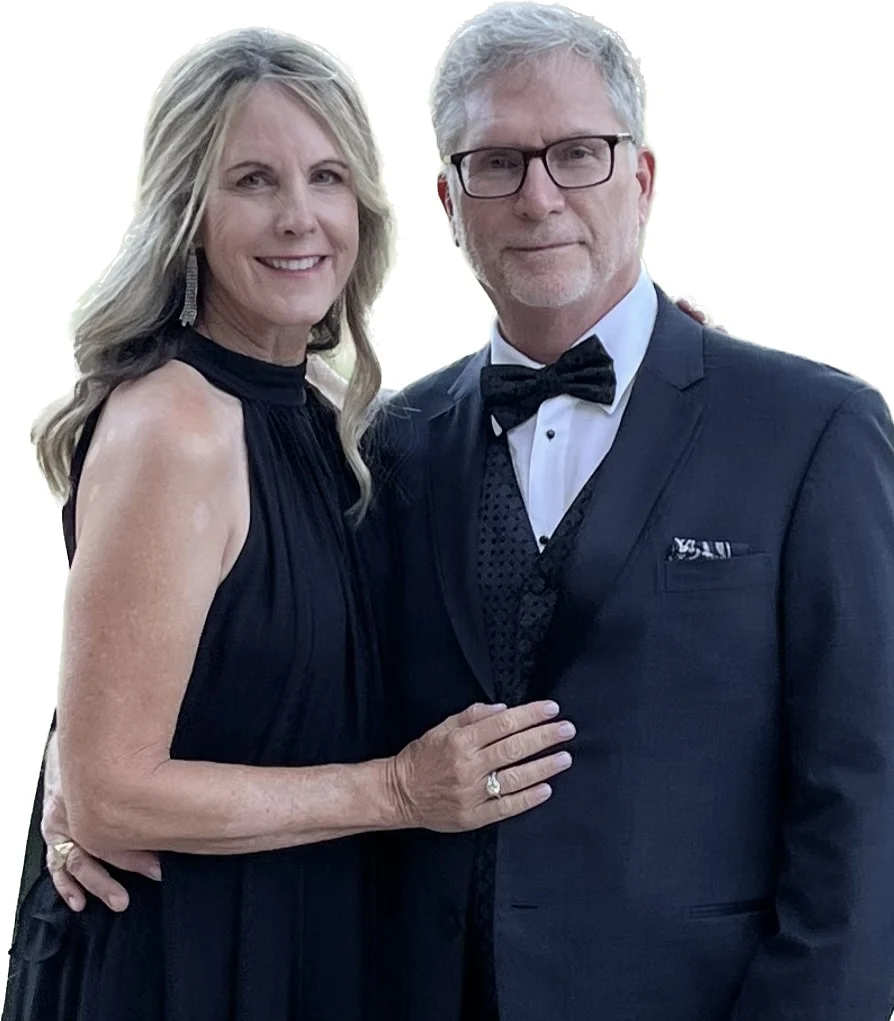
The author, Brian Ahearn, Chief Influence Officer at Influence PEOPLE and a faculty member at the Cialdini Institute, recounted his experience upon arriving at a luxurious suite within the Venetian. Despite the suite’s impressive features – a 16th-floor vantage point overlooking five swimming pools, a setting often lauded as aspirational – Ahearn’s immediate thought was not of the amenities, but of the absence of a particular individual, Jane. "Without her, it felt like just a room with a nice view," he stated, a sentiment that surprised him but also catalyzed a deeper realization about the dynamics of shared experiences.
The Transformative Power of Presence
Ahearn elaborated on the significant influence of Jane’s presence, noting that she not only enhances his enjoyment of activities but also encourages him to embrace aspects of his personality that might otherwise remain dormant. "She influences me to become more outgoing, more willing to try new things, more present," he explained. This dynamic highlights a critical concept: the presence of certain individuals can catalyze a more engaged and vibrant version of ourselves. This isn’t merely about external validation; it’s about how our interactions with others can unlock latent potential and encourage personal evolution.
The implications of this observation extend beyond personal relationships, touching upon professional environments and broader social dynamics. In a business context, for instance, the synergy of a well-coordinated team, where members bring out the best in each other, can lead to unprecedented levels of innovation and productivity. Research in organizational psychology consistently demonstrates that supportive and collaborative environments foster higher employee engagement and reduced burnout. A study published in the Journal of Applied Psychology found that positive social interactions at work are directly linked to increased job satisfaction and reduced turnover intentions. When colleagues feel valued and encouraged by one another, they are more likely to take risks, share ideas, and contribute to a collective sense of purpose.
Shared Moments: Amplifying Meaning and Memory
The principle of shared experiences gaining amplified meaning as we age is a recurring theme in human psychology. Ahearn, approaching his 62nd birthday, articulated this shift in perspective, valuing experiences over material possessions. However, his insight goes further: the true value lies in the communal aspect of these experiences. He used the analogy of a golfer playing alone versus with friends. While solitary play can offer peace, the elation of a hole-in-one, a significant achievement, is exponentially magnified when celebrated with others. This sentiment is echoed in numerous studies on happiness and well-being, which consistently identify strong social connections as a primary predictor of life satisfaction.
The phenomenon of shared memories gaining richness and depth through communal recollection was further illustrated by Ahearn’s travels in Europe with friends, Jud and Deborah. He observed that during reminiscing, one person’s forgotten detail can trigger vivid recollections for the entire group, effectively extending the experience beyond its temporal boundaries. This collaborative memory-building process not only reinforces the bond between individuals but also imbues the shared event with a more complex and layered narrative. Sociologists refer to this as "collective memory," a process where shared experiences are constructed and maintained through social interaction, shaping group identity and historical understanding.
The implications for event planning, tourism, and even therapeutic interventions are significant. Creating opportunities for shared experiences, whether through team-building retreats, family vacations, or community gatherings, can foster stronger social bonds and create lasting, positive memories. In the realm of mental health, group therapy sessions leverage this principle to facilitate healing and support, demonstrating that shared vulnerability and collective triumph can be profoundly therapeutic.
The Underpinning Principle: The Power of Liking
Ahearn’s observations align directly with one of Robert Cialdini’s foundational principles of persuasion: the principle of liking. This principle posits that individuals are more susceptible to influence from those they know and like. Ahearn expands upon this, suggesting that we are even more receptive when we believe that others like us. This feeling of being liked fosters a sense of psychological safety, prompting individuals to relax, open up, and engage more fully. This, in turn, can lead to a more authentic self-expression or even an enhanced version of oneself.

The scientific basis for this is well-established. Neurobiological studies have shown that feelings of social acceptance and belonging activate reward pathways in the brain, similar to those activated by receiving positive stimuli. When we feel liked, our stress hormones decrease, and our capacity for empathy and connection increases. This psychological state is conducive to deeper engagement and more positive interactions, fundamentally altering the quality of any experience.
Consider the stark contrast between attending a networking event where one feels overlooked and attending a similar event where the host personally introduces you to key individuals and makes you feel genuinely welcomed. The former might be a sterile exchange of business cards, while the latter can spark genuine connections and future collaborations. The objective circumstances—the venue, the attendees—might be identical, but the subjective experience is dramatically different, driven by the feeling of being liked and valued.
Beyond Decisions: Shaping Our Perception and Worldview
The influence of our social circles extends far beyond mere decision-making. The people we surround ourselves with, Ahearn argues, profoundly shape how we perceive, feel, and remember our lives. This is a critical distinction. Influence is not just about changing an immediate choice; it’s about altering the very lens through which we view the world.
This concept is central to the field of social cognition. Our beliefs, attitudes, and even our emotional responses are heavily influenced by the norms, values, and perspectives of our social groups. For instance, individuals who associate with a group that prioritizes environmental sustainability are more likely to adopt eco-friendly behaviors and perceive environmental issues as critical. Conversely, those in groups that dismiss such concerns may develop a different worldview.
The implications of this are profound, particularly in an era where social media algorithms can create echo chambers, reinforcing existing beliefs and limiting exposure to diverse perspectives. The intentionality with which individuals choose their social circles, both online and offline, becomes paramount. Are these chosen relationships nurturing growth, fostering empathy, and broadening horizons, or are they reinforcing limitations and narrowing perspectives?
Broader Impact and Implications: The "Who" Matters More Than the "What"
The concluding thought from Ahearn’s reflection in Las Vegas – that the "who" may matter more than the "what" – serves as a powerful call to action. In a world often driven by the pursuit of external achievements and material possessions, this perspective shifts the focus to the foundational element of human experience: connection.
The implications are far-reaching:
- Personal Well-being: Prioritizing relationships with individuals who uplift and inspire us is a direct investment in our own happiness and mental resilience.
- Professional Development: Building teams and fostering workplace cultures where individuals feel supported and valued can unlock unprecedented levels of creativity and productivity.
- Societal Cohesion: Understanding how social circles shape perspectives can inform strategies for promoting dialogue, empathy, and understanding across diverse communities.
In essence, the luxury suite in Las Vegas, with all its material grandeur, served as a stark reminder that true richness in life is not solely about the external circumstances we encounter, but about the quality of the human tapestry we weave around ourselves. As Brian Ahearn suggests, the company we keep doesn’t just enhance an experience; it fundamentally redefines it, shaping not only our decisions but the very essence of how we perceive and interact with the world. The question, then, for each individual, is not merely what experiences they seek, but with whom they choose to embark on those journeys.
