

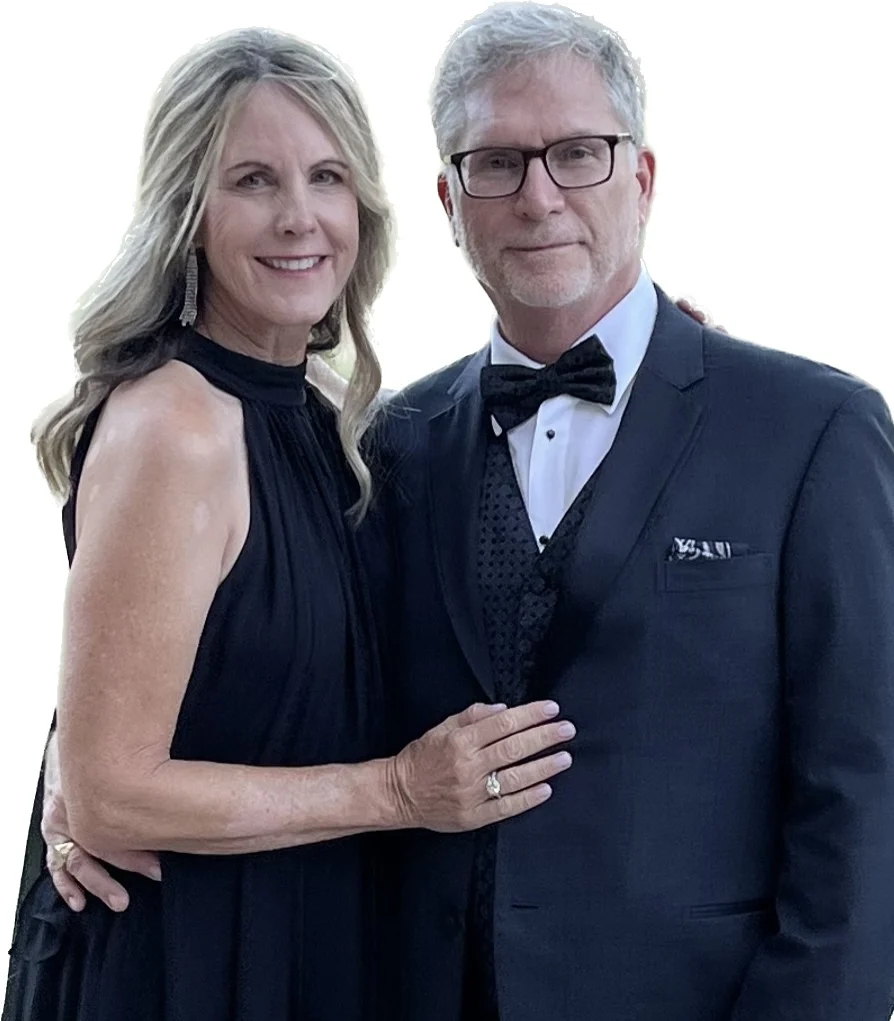
Las Vegas, NV – A recent conference engagement at The Venetian resort in Las Vegas, an establishment lauded for its opulent suites and panoramic views, inadvertently highlighted a fundamental truth about human experience: the profound influence of companionship on perceived value. While the physical setting offered a luxurious backdrop—a suite on the 16th floor overlooking five meticulously maintained swimming pools—the author’s immediate reaction upon entering the accommodation was not one of admiration for the material surroundings. Instead, the dominant sentiment was a wistful longing for the presence of a specific individual, "Jane." This personal reflection, shared in a recent address, underscores a critical, often underestimated, aspect of how we derive meaning and satisfaction from our experiences.
The experience, by all objective measures, was designed for enjoyment. The Venetian, a sprawling integrated resort on the Las Vegas Strip, is renowned for its elaborate theming, replicating the canals and architecture of Venice. Attendees at major industry conferences, such as the one the author attended, often find themselves immersed in environments that promise a heightened sense of occasion. However, the author’s immediate internal response—a palpable sense of incompleteness in the absence of a cherished companion—serves as a powerful anecdote illustrating that the qualitative nature of an experience is not solely determined by its external stimuli.
The Transformative Power of Social Dynamics
The author’s reflection on the Las Vegas sojourn directly addresses the principle that the people with whom we share our lives significantly shape not only our immediate enjoyment but also our personal evolution within those experiences. The observation that Jane’s presence transforms the author’s own disposition—making them "more outgoing," "more willing to try new things," and "more present"—speaks to a deeply ingrained psychological phenomenon. This is not merely about external validation or shared enjoyment; it is about how the presence of certain individuals can catalyze a more vibrant and engaged version of ourselves.
This concept is supported by extensive research in social psychology. Studies on group dynamics and social facilitation consistently demonstrate that the presence of others can enhance performance and alter behavior. However, the author’s point extends beyond mere facilitation. It delves into the qualitative alteration of the self within an experience. When individuals feel supported, encouraged, or simply understood by their companions, they are more likely to step outside their comfort zones, exhibit greater confidence, and ultimately, experience the situation with greater depth and richness. The inverse is also true: isolating oneself, even in a luxurious setting, can diminish the perceived value of that environment.
The author’s personal narrative suggests that the experience in the Venetian suite was, in isolation, reduced to its material components. The view, the spaciousness, and the amenities, while objectively impressive, lacked the vital element that would have imbued them with emotional resonance. This suggests that for many, the "better version" of themselves is not an inherent state but one that is often unlocked and nurtured through positive social interactions. The question posed to the audience, "Who in your life brings out a better version of you?" is a direct invitation to introspect about these critical interpersonal influences.
Amplifying Meaning Through Shared Moments
The author’s approaching 62nd birthday serves as a poignant backdrop for a reflection on the enduring value of experiences over material possessions. This perspective is increasingly prevalent, particularly as individuals mature and shift their priorities. However, the author elevates this sentiment by emphasizing that the true amplification of experiential value lies in its shared nature.
The analogy of a golfer playing alone versus with friends vividly illustrates this point. While solitary golf can offer peace and focused practice, the moment of achieving a hole-in-one—a rare and celebrated feat—is inherently diminished without witnesses. The shared elation, the collective excitement, and the immediate affirmation from companions multiply the joy of the accomplishment. This principle extends to myriad life events, from significant achievements to everyday moments.
The author’s experience traveling in Europe with close friends, Jud and Deborah, further solidifies this notion. The act of reminiscing, where one person’s recollection can trigger forgotten details and shared emotions in others, demonstrates how shared experiences create a collective memory that is richer and more enduring than individual recollections. This phenomenon is rooted in the concept of collective memory, where shared narratives and experiences are reinforced and elaborated upon through social interaction. Each individual in a group acts as a repository of a unique perspective, and when these perspectives are brought together, the overall tapestry of the memory is enriched. This collaborative remembering essentially extends the lifespan and depth of the original experience.
Data from psychological studies on memory consolidation supports this. Social interaction can enhance memory recall and elaboration. When individuals discuss shared experiences, they not only reinforce their own memories but also gain new insights and details from others, leading to a more robust and multi-faceted recollection. This is particularly true for emotionally charged events, where shared emotional responses can strengthen the memory trace.
The Reciprocal Influence of Liking and Being Liked
The article then pivots to a well-established principle in social psychology: the "liking" principle, as articulated by Robert Cialdini, a renowned researcher in the field of influence. While it is widely acknowledged that people are more inclined to agree to requests from those they know and like, the author introduces a more nuanced aspect: the heightened openness and engagement that arises when individuals feel that they themselves are liked.
This feeling of being liked, valued, and connected is a powerful psychological catalyst. It fosters a sense of psychological safety, allowing individuals to relax, become more vulnerable, and engage more authentically. This, in turn, leads to a more profound and positive experience. When we feel accepted and appreciated, we are more likely to reciprocate those feelings and to invest more fully in the interaction or situation. This creates a virtuous cycle where positive social connection leads to richer experiences, which in turn can foster deeper connections.

The implications of this principle are far-reaching. In professional settings, a leader who cultivates an environment where team members feel liked and valued is likely to foster greater collaboration, innovation, and job satisfaction. In personal relationships, the conscious effort to make others feel liked can significantly deepen bonds and enhance shared experiences. This is not about superficial flattery but about genuine connection and affirmation.
The author’s phrasing, "We become more ourselves—or even better versions of ourselves," directly links the feeling of being liked to personal growth and self-actualization within social contexts. This aligns with theories of self-development that emphasize the role of supportive relationships in fostering confidence and encouraging individuals to explore their potential.
Beyond Decisions: Shaping Our Worldview
The article concludes with a powerful assertion: that the influence of our closest relationships extends far beyond merely altering our decisions. These individuals, the author argues, fundamentally shape how we perceive, feel, and remember our lives. This is a profound statement that elevates the importance of social circles from mere decision-making aids to architects of our personal reality.
The implication is that the "who" of our associations is as, if not more, significant than the "what" of our activities or possessions. The people we choose to share our lives with act as lenses through which we view the world. They can amplify our joys, mitigate our sorrows, and provide different perspectives that enrich our understanding. Conversely, negative or unsupportive relationships can distort our perception, diminish our experiences, and lead to a less fulfilling life.
This perspective calls for intentionality in building and maintaining relationships. It suggests that actively seeking out and nurturing connections with individuals who bring out the best in us, who share our values, and who offer constructive perspectives is a crucial aspect of personal well-being and growth. The question of intentionality in choosing companions is therefore not a trivial one but a fundamental consideration for a life well-lived.
Contextualizing the Las Vegas Event
While the author’s reflection originated from a personal experience at The Venetian, it is important to place this within the broader context of major conferences and business travel. Such events are often designed to foster networking and collaboration, and the chosen venues, like The Venetian, are selected for their capacity to accommodate large groups and provide a high-quality attendee experience. The typical attendee profile at such conferences often includes professionals seeking to advance their careers, gain new knowledge, and expand their professional networks.
The conference itself, though not explicitly named, likely brought together individuals from a specific industry or field. The fact that the author was invited to speak suggests a recognized expertise in their domain. The typical schedule for such an event would involve keynote speeches, breakout sessions, panel discussions, and networking opportunities, often spanning several days. Attendees frequently balance demanding professional agendas with the desire for some leisure or enjoyment, particularly when the venue offers significant attractions, as Las Vegas does.
The author’s personal anecdote, therefore, serves as a counterpoint to the often-expected narrative of professional achievement and networking success at such gatherings. It highlights that even in an environment designed for external engagement and professional advancement, internal, relational factors remain paramount to the individual’s overall sense of fulfillment.
Broader Impact and Implications
The author’s insights have significant implications across various domains. In a business context, understanding the power of companionship and the "liking" principle can inform strategies for team building, leadership development, and customer relationship management. Organizations that foster a sense of belonging and appreciation among their employees are likely to see higher engagement and productivity. Similarly, in sales and marketing, building rapport and ensuring customers feel valued can be more effective than purely transactional approaches.
On a personal level, the article serves as a timely reminder of the importance of cultivating supportive relationships. In an increasingly digital and often isolating world, the intentional pursuit of meaningful connections is crucial for mental and emotional well-being. The "who" we share our lives with shapes not only our experiences but also our resilience, our perspective, and our overall quality of life.
The author’s concluding thought, returning to the Las Vegas experience and the hope for Jane’s presence, reinforces the central thesis: that even the most impressive material settings are elevated and completed by the warmth and depth of human connection. The experience, as the author implies, is not merely the sum of its physical components but a complex interplay of environment, activity, and, most importantly, the people with whom it is shared. The underlying message is a call to prioritize and nurture the relationships that enrich our lives and bring forth our best selves.
